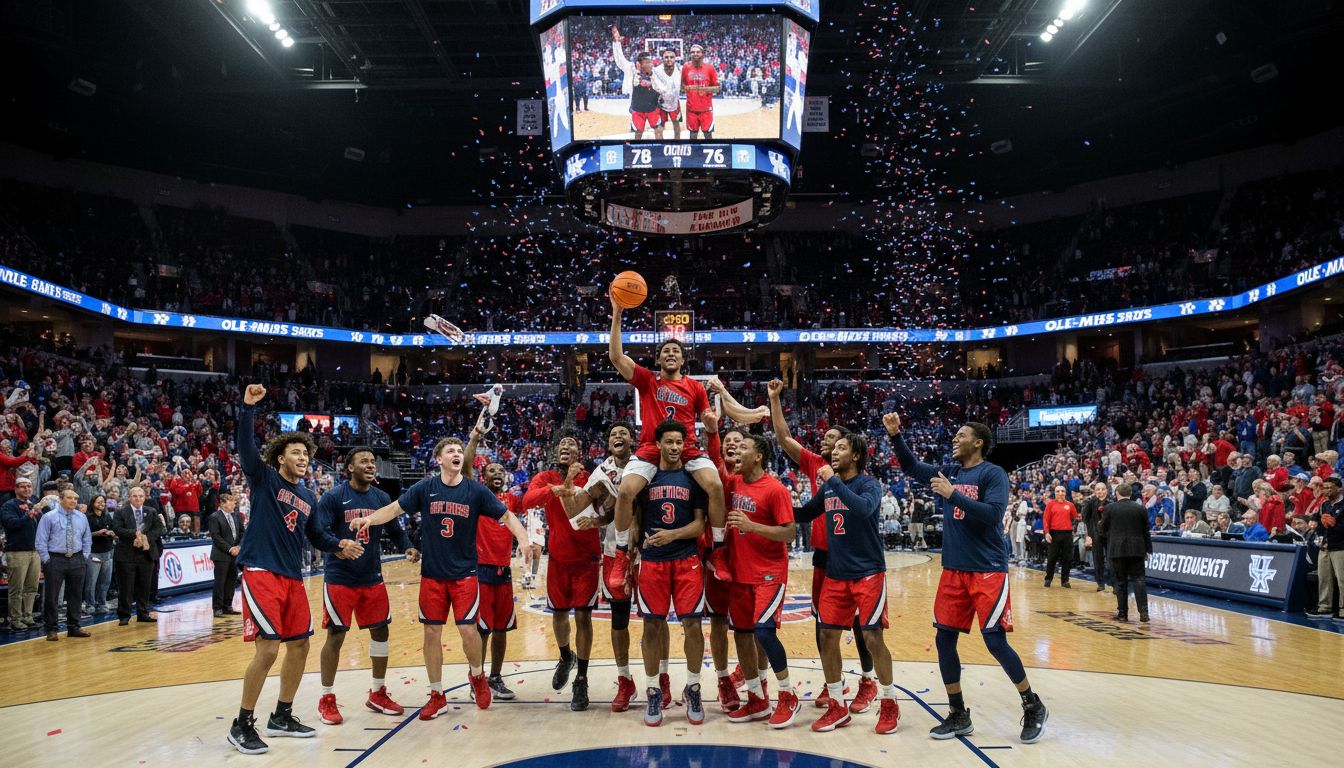
If you’re wondering why March feels a little louder this week, it’s because the SEC Tournament in Nashville has turned into a full-blown uprising. The bracket is supposed to be a neat little meritocracy where the big brands and high seeds glide to Sunday, the TV partners get their dream matchups, and everyone goes home feeling validated. Instead, No. 15 seed Ole Miss is kicking holes in the script, Florida’s No. 1 seed aura already evaporated, and Vanderbilt and Arkansas are trying to hijack the trophy presentation. The semifinals are set: Vanderbilt vs. Florida is already in the books with the Commodores smashing the Gators 91–74, and Ole Miss gets Arkansas for the right to be this year’s official nightmare for the selection committee. For a conference that loves hierarchy, this bracket suddenly looks like a message board fever dream.
Let’s start with Ole Miss, because when a 15‑seed wins three games in three days after sleepwalking through most of the SEC schedule, you pay attention. The Rebels managed just four SEC wins in the regular season, then rolled into Nashville and immediately started behaving like they’d been mis-seeded by about, oh, ten lines. They took out No. 10 Texas 76–66, then No. 7 Georgia 76–72, and on Friday they stunned No. 2 seed Alabama 80–79 in a game that felt like it was daring reality to keep up. This isn’t some plucky, feel-good Disney montage; it’s more like a team that completely ignored the résumé spreadsheets and decided to crash the party anyway. They still don’t have an at‑large case, but if they stack two more wins, the Rebels go from afterthought to automatic bid, and there’s nothing the bracketologists or brand managers can do about it.
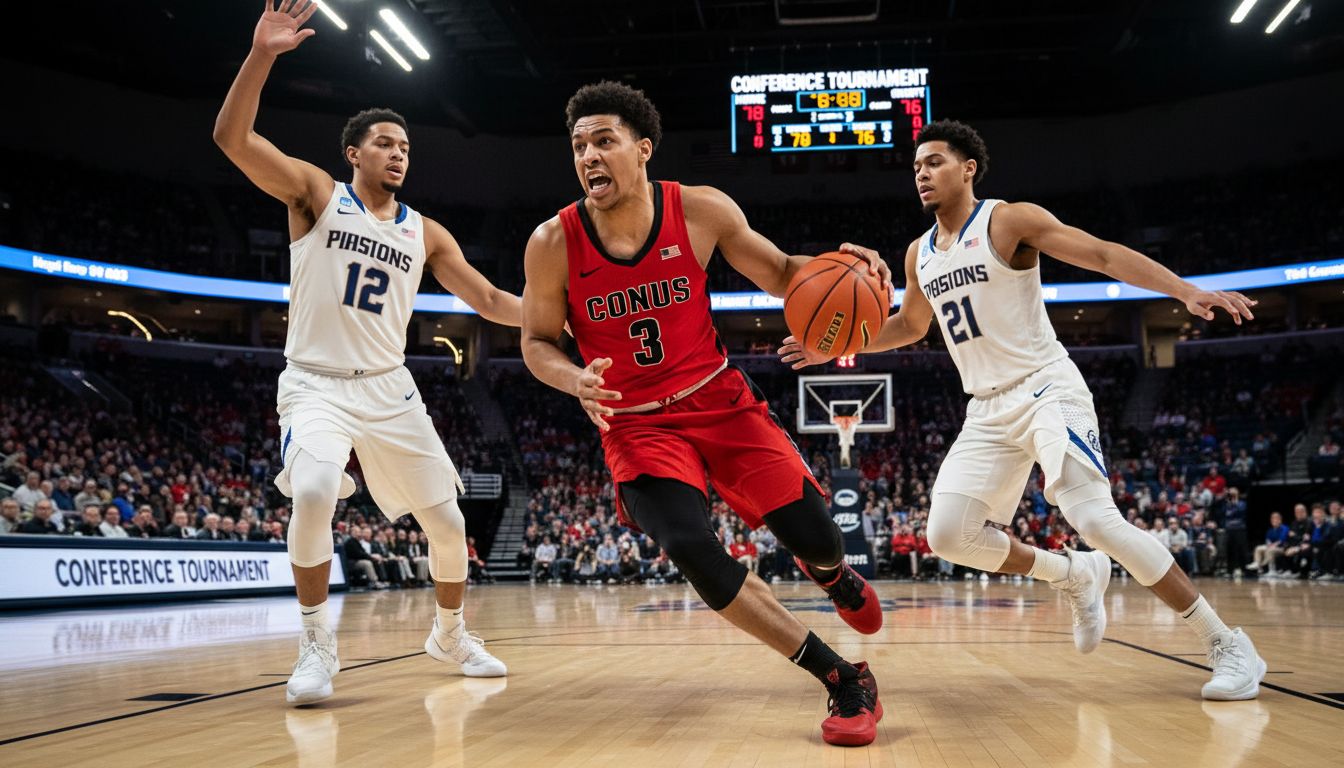
If you’re wired like I am — skeptical of any supposedly perfect system, especially the NCAA’s bureaucratic beauty pageant — this is the good stuff. Conference tournaments are one of the last places where the little guy can still punch through the velvet rope without a committee of suits deciding if his metrics are aesthetically pleasing enough. Ole Miss isn’t supposed to be here, which is exactly why their run matters. It exposes how much of the regular season is treated like dogma, when in reality the sport is far more chaotic, emotional, and matchup-dependent than the NET rankings want to admit. Every time a low seed like this rips through a bracket, it’s a reminder that merit on the court isn’t always the same thing as merit on the spreadsheets.
On the other side of the bracket, Vanderbilt quietly did something just as rude, if less dramatic: they walked into a semifinal against top-seeded Florida and absolutely handled them, 91–74. That came after a quarterfinal win over Tennessee, 75–68, the kind of in-conference rock fight Florida was probably hoping would soften Vandy up. Instead, the Commodores look fresher, sharper, and frankly less impressed by the Gators’ seed line than Florida’s own fans. Florida did their job early — 71–63 over Kentucky in the quarters — but the Gators hit the classic tournament wall, where a clean résumé collides with a hot opponent that doesn’t care about your predictive metrics. The bracket prints seed numbers in ink; the players treat them like suggestions.
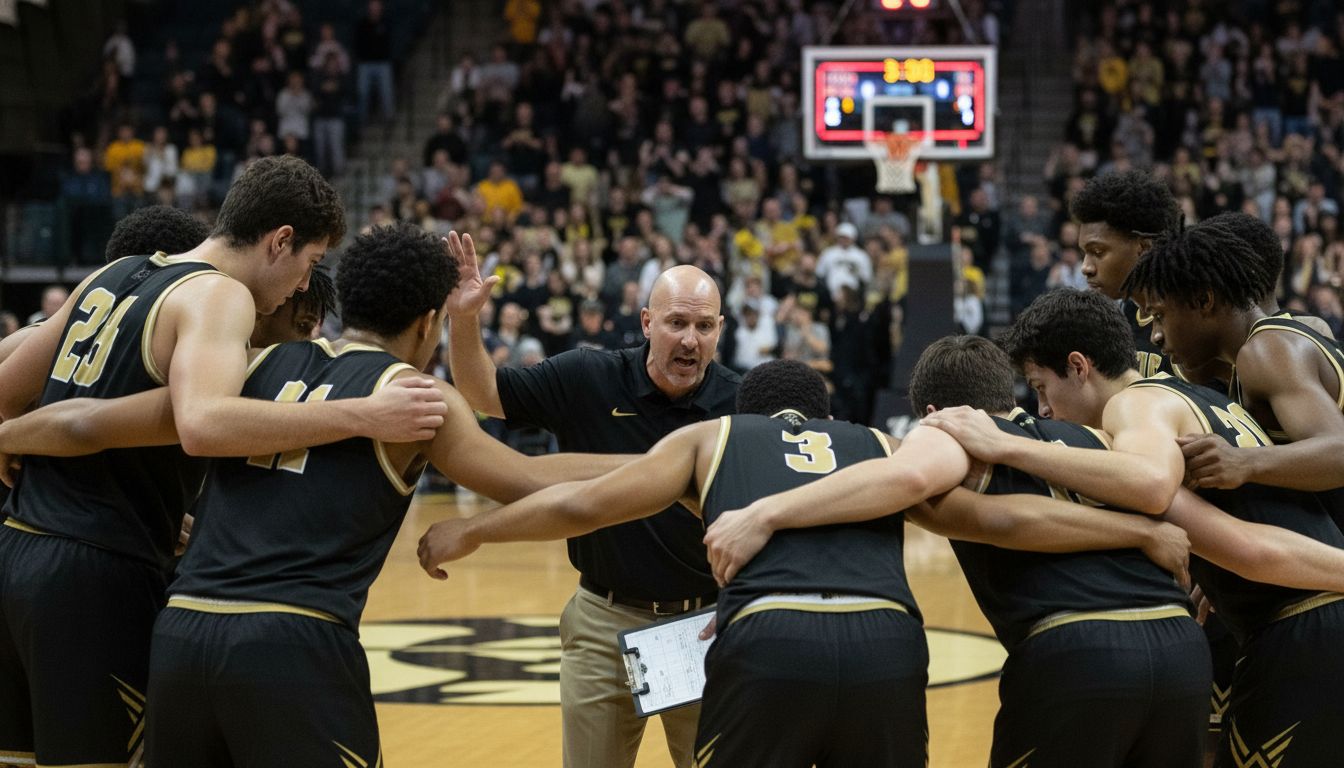
Arkansas, the No. 3 seed, had to survive their own landmine to get here, edging No. 11 Oklahoma 82–79 in a game that turned into a Darius Acuff Jr. feature film. Acuff did what star guards are supposed to do in March: took over, dictated tempo, and made sure the Razorbacks didn’t become somebody else’s upset headline. Before that, Oklahoma had already done some damage of their own, first bouncing South Carolina 86–74, then blasting No. 6 Texas A&M 83–63 in the second round. They were one swing away from turning this tournament into a full-on seed-burner, but Arkansas steadied just in time. Now the Razorbacks get Ole Miss, which feels less like a standard semifinal and more like a personality test: established contender versus team that just found out it’s allowed to be dangerous.
Even the undercard of this thing has had a certain anarchic charm. Kentucky started the week trying to rescue a frustrating season, beating LSU 87–82 and then Missouri 78–72 before running straight into Florida’s ceiling. Auburn did the expected against Mississippi State, 77–61, only to get bounced by Tennessee, who then promptly got bounced by Vanderbilt — a neat little chain of command getting shattered over 48 hours. Texas showed up, lost to Ole Miss, and probably left wondering how a team that looked that alive in Nashville managed only four SEC wins beforehand. South Carolina, Mississippi State, Missouri, LSU — they all played their parts as early-round traffic, but the gap between them and the so-called contenders didn’t look as wide as the seed lines pretend. That’s March: the hierarchy is real until it isn’t, and then everyone scrambles to explain why the model didn’t see it coming.
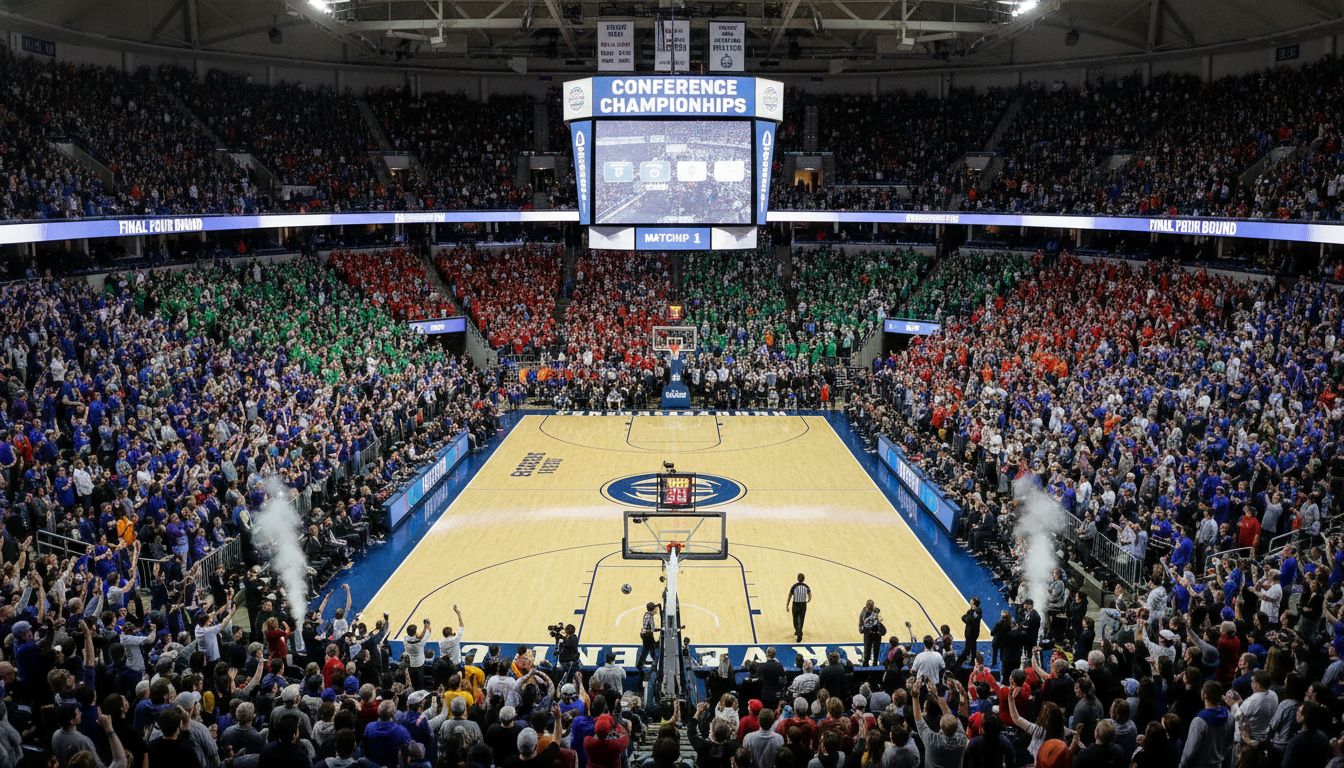
From a pure basketball standpoint, the storylines are obvious. Ole Miss is the Cinderella with a sledgehammer, Arkansas has the star guard and the higher gear, Vanderbilt is peaking at exactly the right time, and Florida is now sitting at home hoping the selection committee values their body of work more than one ugly loss. Alabama, the No. 2 seed, is left staring at that 80–79 scoreline and replaying every late possession in their heads, the way every heavyweight does after getting clipped in close quarters. Tennessee, Texas A&M, and the rest of the middle class head into the offseason with that familiar SEC feeling: good, but not quite good enough when it mattered. Coaches will talk about learning experiences and culture; fans will talk about why the offense went missing for six-minute stretches that happened to decide their seasons.
What I love about this particular bracket is how nakedly it exposes the tension between narrative and reality. The narrative coming in was all about seeds, brands, and the usual tournament aristocracy: Florida, Alabama, Kentucky, maybe Arkansas if you wanted to sound a little smarter on TV. Reality has been Ole Miss going full street fight mode, Vanderbilt outclassing the Gators, and Oklahoma briefly looking like a bracket-wrecking force before running out of gas. The media ecosystem around this stuff loves stability; it’s easier to sell a product when the same four logos show up every March. But the games themselves keep stubbornly drifting toward chaos, and the more we try to over-explain it with acronyms and models, the more satisfying it is when a 15-seed shreds the script.
Now, I’m not arguing for burning down the seeding process or pretending regular seasons don’t matter; I’m just saying the sport is better when we admit how much uncertainty is baked into it. If anything, runs like Ole Miss’s make the whole enterprise more honest: they force us to confront the fact that performance is fluid, not fixed, and that teams are more than whatever line they’re slotted on a PDF in early March. You want meritocracy? Put more weight on what happens when everyone’s backed into a corner on a neutral floor with their seasons on the line. That’s not anti-data; it’s anti-dogma. Use the numbers, respect the numbers, but don’t worship them — especially not when a tired 15-seed is clearly playing like a top-four team for a week.
By Sunday, we’ll have a champion, a shiny SEC trophy, and a fresh round of arguments about who got snubbed and who got protected by their brand name. Either Arkansas reasserts order, Vanderbilt finishes off their surge, or Ole Miss completes one of the great “where was this all year?” heists in recent conference tournament memory. Whatever happens, this week in Nashville has been a nice little reminder that the game still belongs to the players and coaches for 40 minutes at a time, not the committees, algorithms, or talking heads (yes, even guys like me). If you’re a fan of chaos, underdogs, or just watching supposedly fixed hierarchies wobble, this SEC Tournament has been your kind of rebellion. And if your team was one of the favorites that face-planted this week, don’t worry — there’s always next year’s bracket to overrate.