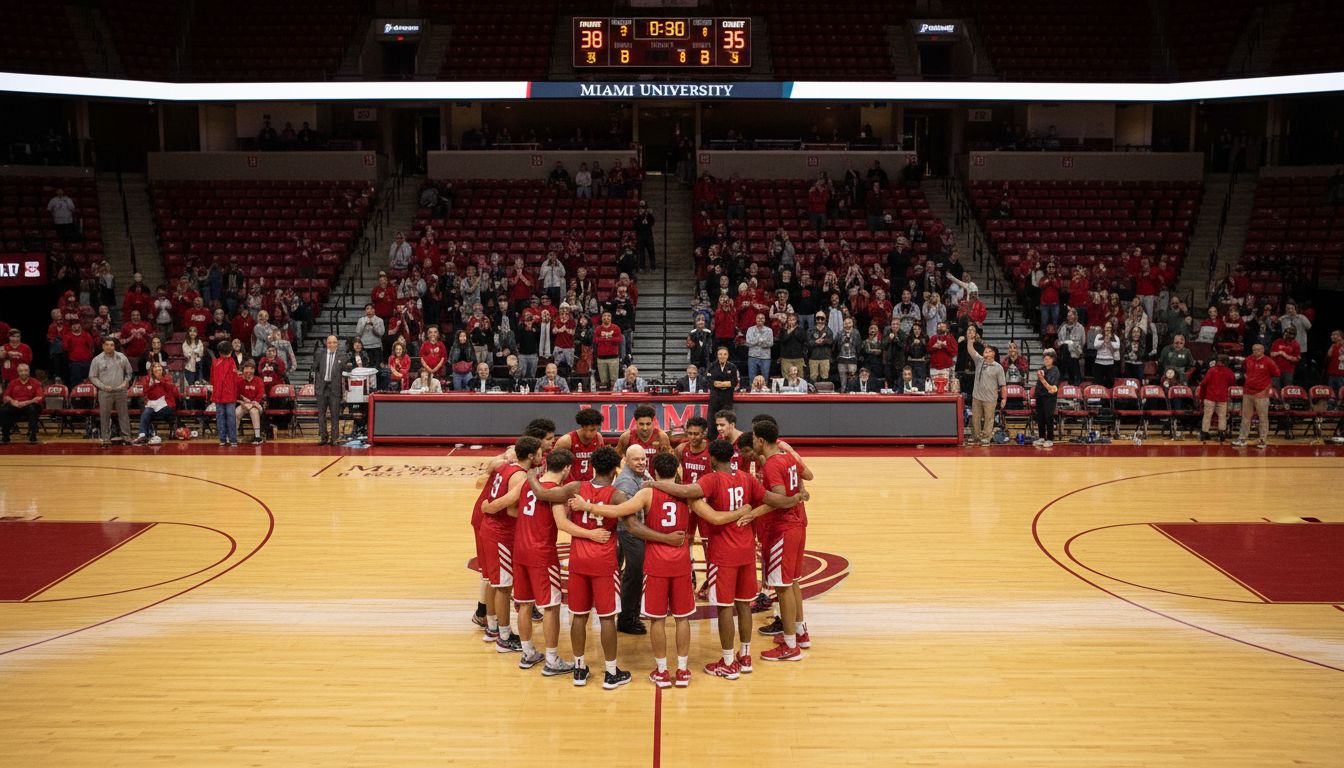
On some winter nights in Oxford, Ohio, you can almost hear the echoes before you step into Millett Hall. The place isn’t famous in the way Cameron Indoor or Allen Fieldhouse is, but this season, a small gym in the MAC has become a kind of basketball lodestar: Miami (Ohio) is 29-0, chasing the sort of perfection most programs only see on posters. And yet, in the middle of that dream, the national conversation turned not to how the RedHawks pulled this off, but to whether they "deserve" to sit at the big table in March. The flashpoint arrived when former Auburn coach and current TNT commentator Bruce Pearl told Barstool Sports that Miami (Ohio) "is not one of the best teams in the country" and wouldn’t survive a Power 4 schedule. It was the kind of line that sounds like analysis, but lands like a dismissal.
Pearl’s critique was straightforward enough on the surface: Miami’s strength of schedule sits down in the 280s, according to KenPom, and the RedHawks entered the week with a NET ranking in the 50s. In a sport obsessed with résumés that look like accounting spreadsheets, those numbers matter. What stung in Oxford, though, wasn’t just the data; it was the implication that an unbeaten mid-major is, at best, a curiosity and, at worst, a convenient foil for an SEC team on the bubble. Pearl argued that Miami is "not built for the grind of a Big Ten or even a Big East" and suggested the RedHawks would finish in the lower half of the Big East, perhaps flirting with last place alongside programs like DePaul or Marquette. There’s a difference between saying, "The committee probably won’t reward this profile" and "They don’t belong." Miami heard the latter.
David Sayler, Miami’s athletic director, responded like someone who has watched every bus ride, every early-morning lift, and every empty January home game that didn’t make television. On X, he called Pearl “flat out wrong,” labeled the remarks "disrespectful," and argued that a voice willing to casually diminish what Miami is doing shouldn’t be anywhere near a March Madness studio. He even pointed out that Pearl slipped in a "we" when talking about Auburn, a small but telling pronoun for a man who officially retired as the Tigers’ head coach just before the season. Sayler’s frustration goes deeper than hurt feelings; it’s about who gets to define legitimacy in college basketball. When you’re 29-0 and your postseason fate is still described as fragile, it’s hard not to wonder whether the sport’s power structure is designed to keep certain stories small.

The irony here is that Miami’s very dominance has made it harder to build the kind of schedule the analytics demand. Head coach Travis Steele told ESPN that high-major programs have largely refused to play the RedHawks, wary of trading a comfortable buy-game for a very real upset risk. In other words, they’re labeled untested while the very teams that could test them quietly back away from the challenge. This is one of those circular logics college sports excels at: You can’t get respect until you beat someone big, but no one big wants to play you unless you already have respect. For a group of players who did everything the sport tells them to do—win, win, and then win some more—that can feel like a stacked deck.
Pearl, to his credit, isn’t wrong about one thing: the committee probably will require Miami to win the Mid-American Conference tournament to feel safe about a bid. At the moment, the RedHawks’ metrics look more like those of a dangerous 12-seed than a protected at-large. But when Pearl says on air that Miami "has to" win its conference tournament because they’re "not one of the best teams in the country," he’s not just running the numbers. He’s also nudging the frame around what viewers should think of an unbeaten mid-major, and, as Sayler suggests, perhaps advocating—consciously or not—for an Auburn team still trying to hang onto its own tournament hopes after losing seven of its past eight games. That’s where neutral analysis starts to blur into salesmanship.
If we zoom out, this isn’t just about one commentator and one AD trading barbs on social media; it’s about how power, perception, and platform shape who gets seen and who gets sidelined in March. Major-conference voices sit in well-lit studios and talk about the "grind" of their leagues, often framing that grind as the only valid route to greatness. Meanwhile, players from places like Oxford live in a different kind of grind: limited exposure, long odds, and the knowledge that one bad shooting night in a conference tournament could erase four months of near-perfect work. You don’t have to crown Miami a top-10 juggernaut to recognize that what they’ve done is historically rare—and that treating it as a footnote says more about the system than the team. In a sport that loves to market itself as the land of Cinderella, it’s striking how wary some gatekeepers seem of letting anyone new into the ballroom.
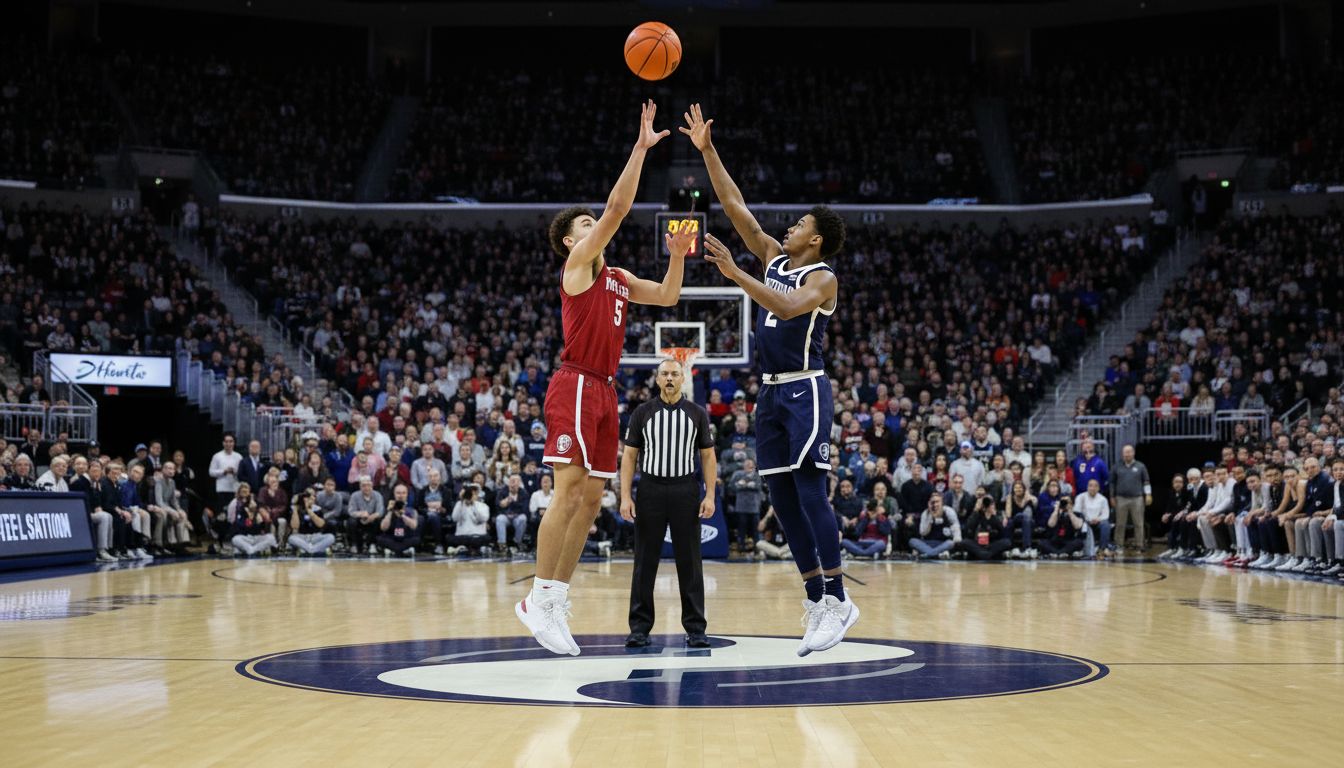
What’s happening with Miami echoes other spaces in sports where those with less power have to shout just to be noticed. Athletes who speak up about mental health, NIL inequities, or campus issues are often told to "focus on the game," even as their performances are used to sell that same game. Smaller programs, especially in men’s basketball, are often valued most as bracket decoration—useful as an upset pick, less welcome as a serious claimant to the upper tiers of the sport. Sayler’s defense of his team might not sound like traditional activism, but in a landscape where narratives are currency, pushing back against a dismissive storyline is its own form of advocacy for his athletes. At minimum, it asks fans and media alike to consider whether we’ve grown a little too comfortable with the idea that greatness only counts if it comes with a power-conference logo on the jersey.
For the selection committee, the task ahead is more clinical than poetic: weigh Miami’s spotless record against its modest schedule, their imperfect metrics against the eye test and the history they’re chasing. It’s entirely possible the RedHawks will end up with the same fate so many mid-majors have faced before them: win the league tournament or risk being the answer to a trivia question about unbeaten teams left out of the dance. But the conversation around them doesn’t have to be as dismissive as some of the early takes have been. We can be honest about the résumé while still honoring the work it takes to go night after night without slipping, especially in an era when roster churn and travel wear down even the bluest of bluebloods. Respect and skepticism can coexist; in fact, in a healthy sports culture, they should.
Maybe that’s the better lesson to draw from this flare-up between Pearl and Sayler. We don’t need to anoint Miami (Ohio) as a secret national-title contender to treat its season as something more than a talking point on a bubble segment. We also don’t have to vilify a former coach for making a numbers-based argument—though it’s fair to ask him, and others in his seat, to be mindful of how quickly those arguments can slide into condescension. In the end, Miami’s players will keep doing what they’ve been doing all along: practicing in relative quiet, playing in front of crowds that feel enormous to them and quaint to the rest of the country, and chasing a version of history that may or may not get the national spotlight it deserves. And if March has taught us anything, it’s this: once the ball goes up, the sport has a way of humbling both the doubters and the dreamers.