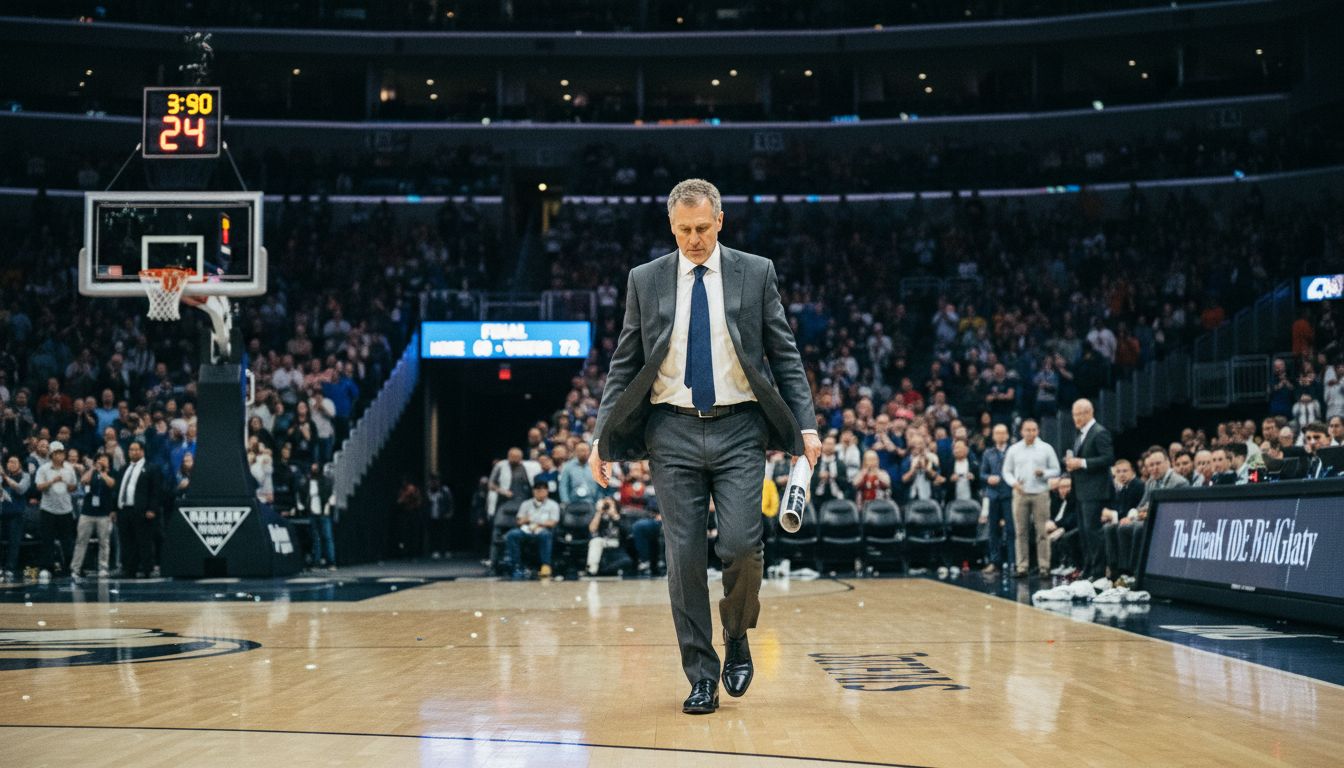
Every March, the coaching carousel spins up like an old factory line coming back to life, and this year’s men’s college hoops cycle is no different. You’ve got one big job already open at Kansas State, a pile of athletic directors staring at buyout numbers with upset stomachs, and fan bases convinced the next guy will fix everything overnight. The truth, like most things in sports and life, sits somewhere between the hype and the panic. Coaches are fighting for their livelihoods, schools are juggling buyouts against NIL budgets, and everybody’s trying to pretend this is still about banners and rivalries instead of contracts and collectives. So let’s grab a barstool and walk through what’s really going on with this 2026 carousel, from the hot seats to the lifers to the guys ready to jump a pay grade.
Start with the one high-major job that’s already come open: Kansas State moving on from Jerome Tang less than three full seasons removed from an Elite Eight run. That’s a reminder of how short the leash has gotten in the Big 12, where a 1-11 conference record can erase a feel-good story in a hurry. Whether they can fire Tang for cause will get sorted out by lawyers, but for now the Wildcats are shopping, kicking the tires on names like Utah State’s Jerrod Calhoun, Belmont’s Casey Alexander, Northern Iowa’s Ben Jacobson and Creighton assistant Alan Huss. There’s even some buzz that they might try to pry loose a sitting high-major coach like Mississippi State’s Chris Jans, which tells you Kansas State still sees itself as a destination job. Behind all that, though, is the same question you hear everywhere: are you spending to dump the coach, or spending to give him a real shot in the NIL era?
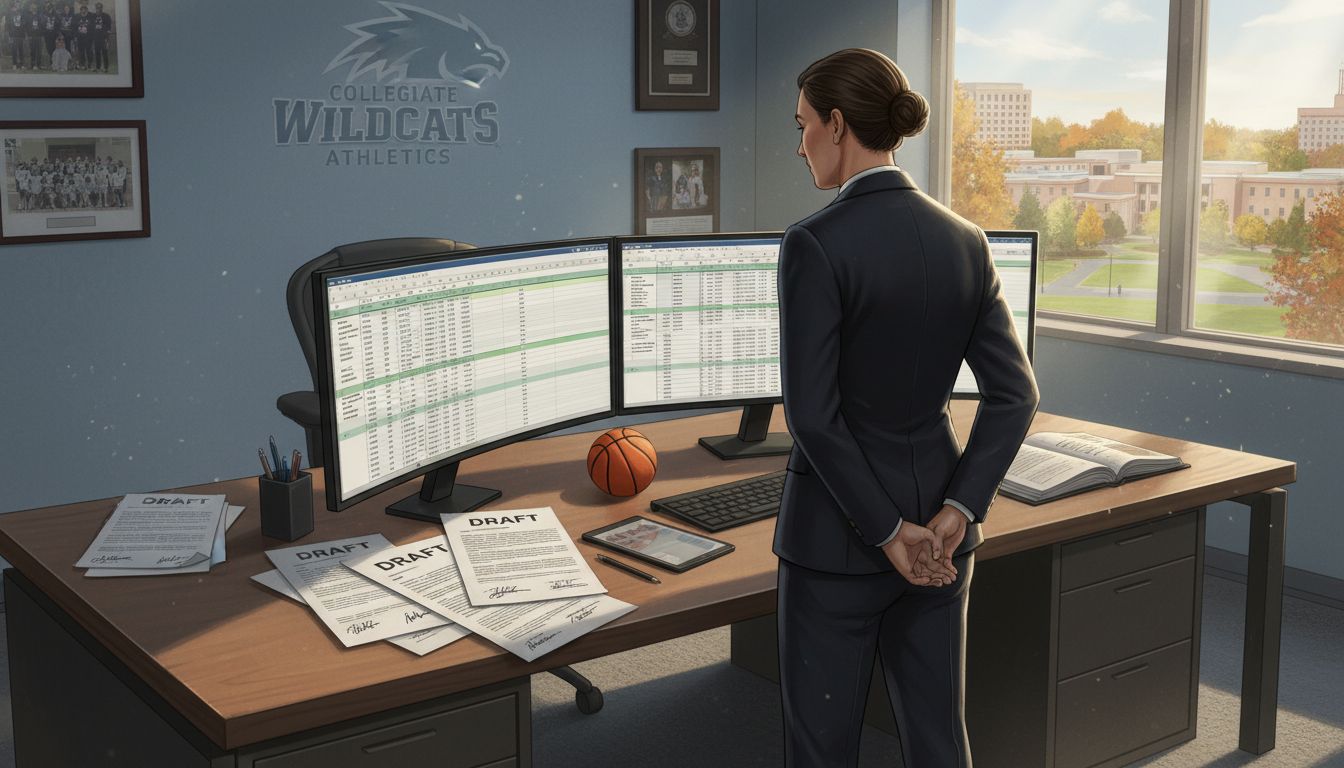
All over the country, mid-tier and high-major programs are staring at that fork in the road. Arizona State looks ready to move on from Bobby Hurley after another year without a tournament win, Boston College can’t climb out of the ACC basement, and Georgia Tech under Damon Stoudamire hasn’t matched the talent on its own roster. At places like Cincinnati, LSU, Oklahoma and Pitt, the calculus is messy: on one side of the ledger, struggling records; on the other, buyouts ranging from a few million to eight figures, plus the cost of doing business in the portal and NIL market. A lot of these schools are quietly leaning toward raising the NIL budget and giving the current coach one more swing, because it’s cheaper than starting from scratch and hoping the next guy doesn’t want an even bigger check. If that sounds less like college sports and more like a union contract negotiation, that’s because it kind of is — only the workers aren’t the ones with the leverage this time.
Then you’ve got the tricky cases where the coach is also a program icon, like Penny Hardaway at Memphis. He had the Tigers humming last year with 29 wins and a 5-seed, but this season has turned into a slog, and Memphis is sitting at 12-15 after a run of ugly losses. Hardaway’s been emotional at the mic, clearly feeling the weight of trying to rebuild his alma mater while the ground keeps shifting under his feet with injuries and the portal. For an athletic director, firing a legend a year after a strong season is like telling the family you’re selling grandpa’s house; technically it makes sense, but good luck explaining it at the next reunion. That’s where values like loyalty and history crash headfirst into the modern pressure to win now, pay now and worry about the bill later.
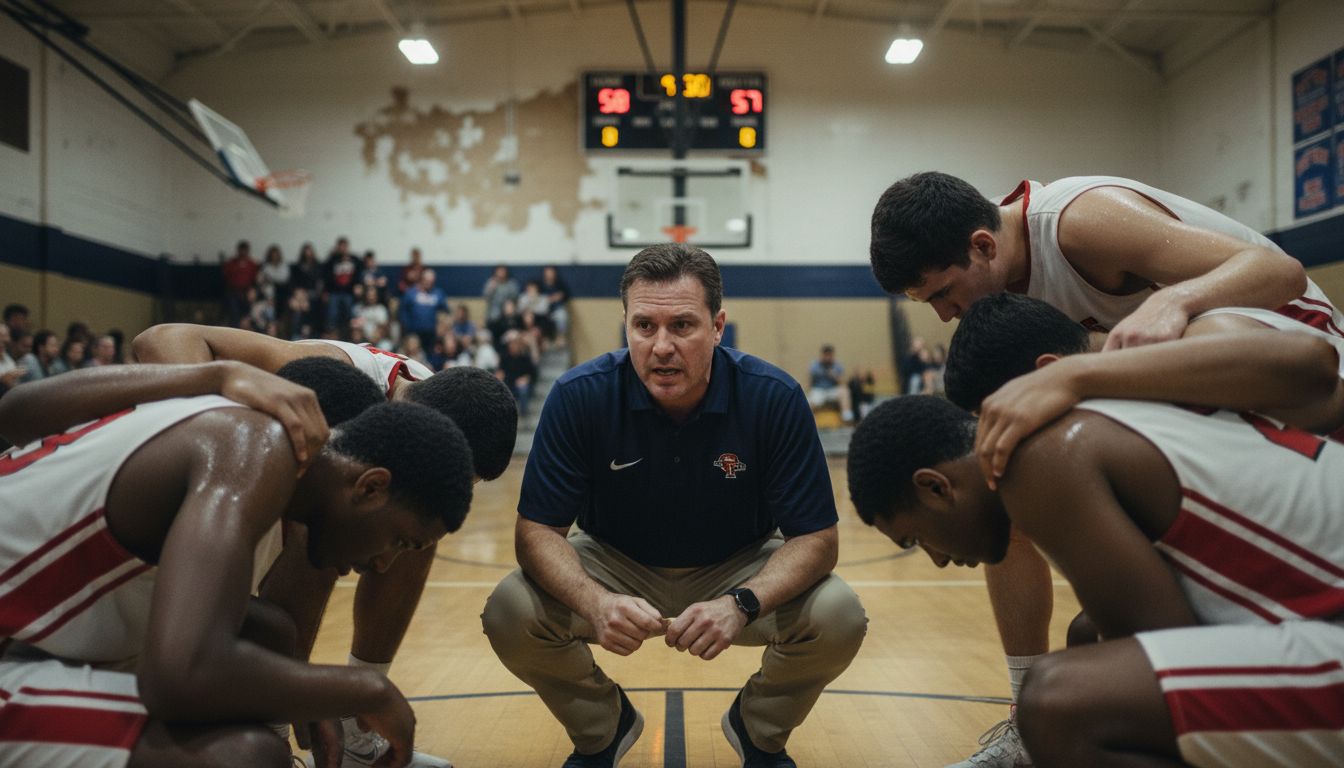
Not every hot seat is quite so nuclear, though. You’ve got guys like Jake Diebler at Ohio State and Mike Young at Virginia Tech who probably get another year, as long as they don’t completely implode down the stretch. Others, like Lamont Paris at South Carolina or Steve Forbes at Wake Forest, seem to be buying time because their schools are willing to pump more money into NIL and hope the next roster finally clicks. There are also programs like Georgetown, Penn State and Rutgers that are stuck between massive guarantees and mediocre results, which means “change” is more likely to be a bigger recruiting budget than a pink slip. In this new economy, sometimes the safest move for an AD is to grit your teeth, double down on your guy and pray he turns into a winner before the buyout math catches up to you.
On the other end of the spectrum, you’ve got the lifers and maybe-soon retirees. Creighton’s Greg McDermott has a coach-in-waiting in Alan Huss, which feels like a succession plan more than a panic button, and folks are always whispering about Colorado’s Tad Boyle or Oregon’s Dana Altman even though both are expected back. The big dogs — Tennessee’s Rick Barnes, Gonzaga’s Mark Few, Houston’s Kelvin Sampson, Kansas’ Bill Self and Michigan State’s Tom Izzo — hear retirement rumors every season, but when you’re winning and your fan base treats you like part of the family, it’s hard to walk away. Dayton’s Anthony Grant is another interesting one, weighing what’s left in the tank against the grind, even as he’s trusted enough to run the USA U18 national team this summer. These guys grew up in a world where coaching felt like a vocation; now it’s a high-pressure, 24/7 job that chews people up faster than ever, and you can’t blame them for glancing toward the exits once in a while.
Of course, any time jobs open, the hot names start flying around like free drink tickets. T.J. Otzelberger at Iowa State has built a reputation as one of the sharpest coaches in the game, and his reworked contract might tempt a heavyweight like Ohio State if that job ever came open. Chris Jans at Mississippi State and Chris Beard at Ole Miss are examples of coaches who might eye a jump to a school with a deeper wallet and easier recruiting base, especially if their current situations keep wobbling. Will Wade has jolted NC State back to life in his first year, and there’s already chatter about LSU sniffing around for a reunion if it bails on Matt McMahon. You’ve also got names like Porter Moser, Randy Bennett, Shaheen Holloway, Mark Byington and Richard Pitino in that mix — some thriving, some struggling, all aware that timing and leverage matter as much as win-loss records.
Below that tier, there’s a whole group of mid-major grinders who’ve earned a shot to climb the ladder, and this is where you see what coaching really is: long bus rides, bad practice gyms and a lot of late nights watching film after a road loss. Josh Schertz at Saint Louis, Jerrod Calhoun at Utah State, Casey Alexander at Belmont and Travis Steele at Miami (Ohio) are all winning big and building reputations as system builders, not just quick-fix recruiters. You’ve got Eric Olen at New Mexico, Bryan Hodgson at South Florida, Takayo Siddle at UNC Wilmington and Joe Gallo at Merrimack, each proving they can turn around a program without five-star kids lining up at the door. Then there are veterans like John Groce at Akron who’ve quietly stacked NCAA trips and league titles, waiting for the right opening in the Midwest or beyond. These are the coaches who look a lot like the players and fans they represent — hustling for every opportunity, knowing one good March can change their lives.
If there’s a theme to this whole carousel, it’s that money now calls more plays than the guys in the suits on the sideline. Buyouts, NIL pools, and donor expectations are steering decisions as much as any box score, and that reality trickles down to every kid who picks a school and every assistant hoping for a shot. For fans, it’s easy to scream for a firing after a bad loss; for the people inside the building, it’s a lot like the shop floor — contracts, budgets and job security all grinding against each other. The sweet spot is still out there, though: a school that invests in its coach, a coach who invests in his players and a community that shows up whether the team’s cutting nets or just trying to claw back to .500. Until then, the carousel will keep spinning, and we’ll keep watching, arguing and hoping that somewhere in this mess, the game itself doesn’t get lost in the paperwork.