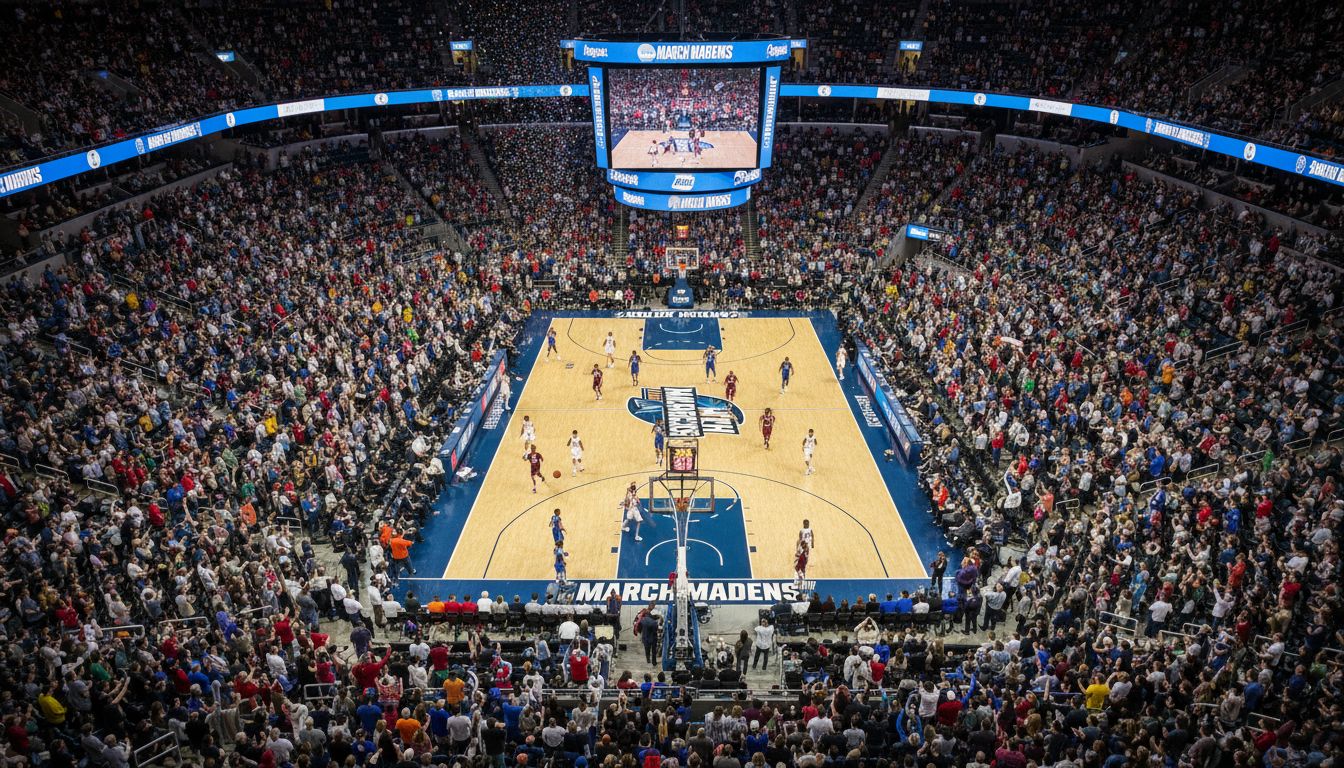
By late March, college basketball days start to feel like cross-country train rides. You board in one city with Purdue and Miami, and by the time you look up, you’re in a different time zone with Alabama and Texas Tech trading threes after midnight. Sunday’s second round slate offers something more than eight separate games; it’s eight versions of the same question: who are you when the season shrinks to 40 minutes? Coaches will talk about game plans and matchups, the chessboard details we love to parse, but underneath the whiteboards and analytics is something more fragile: young players trying to hold onto the truest version of themselves under the loudest lights they’ve ever seen. That tension between scheme and self—the scouting report and the soul—is what makes this particular Sunday so quietly electric.
Start in the early window, where Purdue and Miami meet in a study of control versus chaos. Purdue’s Braden Smith has the kind of poise that makes a game feel like it’s running on his internal metronome; when he’s right, the Boilermakers’ size and spacing turn possessions into slow, inevitable tides. Around him, Trey Kaufman-Renn’s inside craft and Fletcher Loyer’s shooting give Purdue a three-part attack that can overwhelm a defense not built to live and die by the three-point line. Miami, though, is here precisely because it refused to be defined by what it lacked on paper, riding Malik Reneau’s emergence and Jai Lucas’ first-year reboot of the program. To advance, the Hurricanes don’t just need Reneau, Tre Donaldson and Shelton Henderson to match Purdue’s stars; they have to tilt the emotional tempo, make a measured team feel uncomfortable, and believe that being unproven in March doesn’t mean being unready.
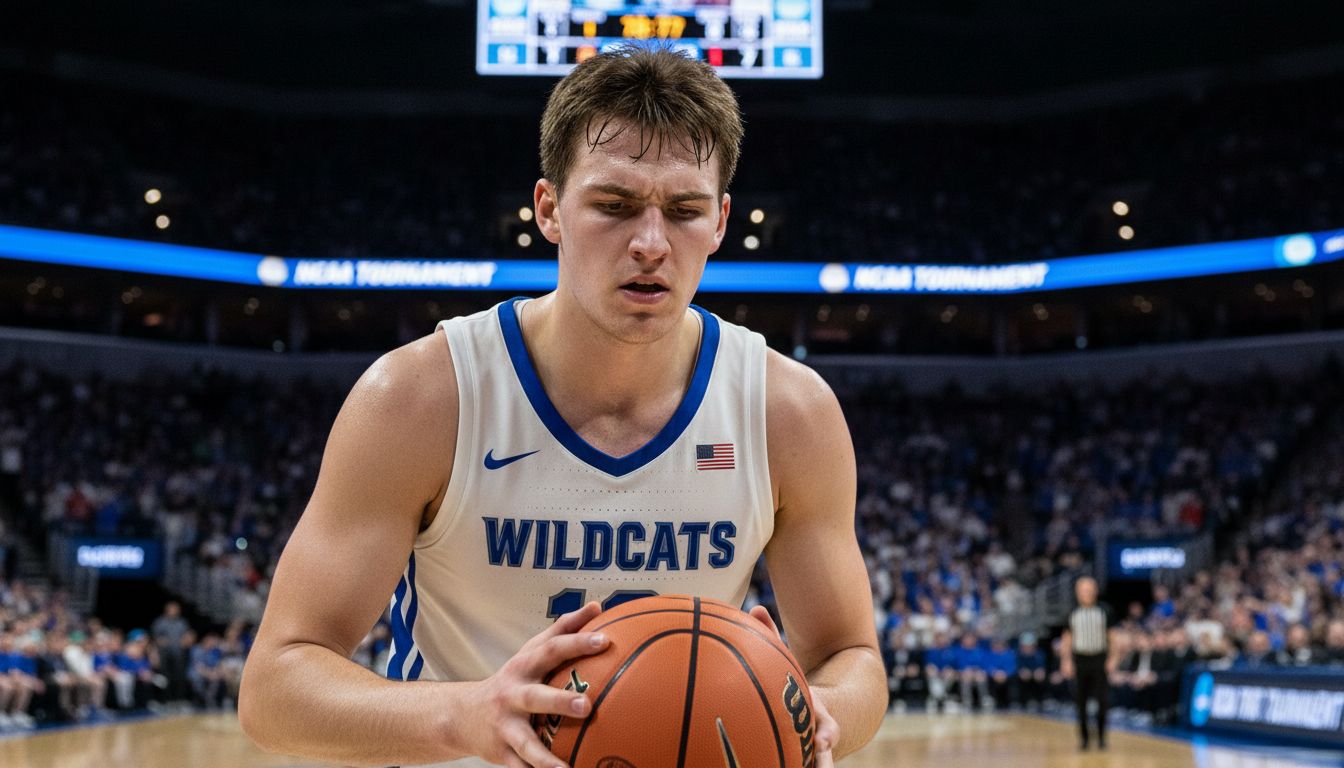
Elsewhere in the afternoon, Iowa State and Kentucky meet in a game that looks, at first blush, like a data analyst’s dream and a therapist’s case study all at once. Iowa State’s identity is etched onto every possession: pressure the ball, turn defense into runway, force you into decisions a half-beat sooner than you’d like. Even without Joshua Jefferson, the Cyclones can throw rangy defenders like Tamin Lipsey and Killyan Toure at Kentucky’s perimeter trio and trust Milan Momcilovic’s shooting and size to stretch whatever coverage he sees. Kentucky, for its part, knows the numbers by now: when the ball is secure and the threes fall, its offense can hum; when the turnovers spike, things wobble quickly. But beneath those trends is a group of players carrying the usual Kentucky burden—being judged not just on winning, but on how cleanly they win—and this is where composure becomes as important as any scheme, because pressure doesn’t just live in full-court traps; it lives in expectations.
In the late afternoon, Kansas and St. John’s bring two very different paths into the same narrow doorway. Kansas’ hopes rest heavily on Flory Bidunga, a big man whose stat splits read like a mood ring: dominant in wins, muted in losses. His matchup with Zuby Ejiofor is as much about endurance as touch, with the Jayhawks needing him to finish efficiently while also anchoring a defense that must keep St. John’s from turning every miss into a second chance. The Red Storm know their advantage lives on the glass and in the long, defensive possessions that wear you down a few seconds at a time. They rebound like they’re chasing something beyond the ball—a little more time, a few more chances—and if Ejiofor and Dillon Mitchell can keep stealing possessions, they can drag even a blueblood into a game played on their terms.
By early evening, Virginia and Tennessee offer a kind of stylistic mirror, two programs that have learned to win in the shadows of their own reputations. This is no longer the Virginia team content to win 53-49 and dare you to enjoy it; Tony Bennett’s group now balances a top-25 defense with a willingness to hunt threes and punish the paint, leaning on Thijs De Ridder’s versatility and a deep belief in shot discipline. Across from them, Tennessee is once again trying to scale March’s higher shelves with its usual calling cards: relentless offensive rebounding, half-court toughness, and this season, the star power of Nate Ament and the poise of Ja’Kobi Gillespie. For Virginia, the task is clear but hardly simple: limit Ament’s touches inside the arc, turn Gillespie’s aggression into mistakes, and hope the perimeter shots that fell against Wright State still feel light coming off the hand. For Tennessee, the challenge is almost spiritual: trust that their bruising style can travel against a team built to absorb contact and respond in kind, and remember that you can’t rebound your way out of every cold shooting night.
The night window starts to stretch across the map: Florida–Iowa in one channel, Arizona–Utah State in another, two versions of the same question about pace and pressure. Florida brings the profile of a one-seed that grew up in a weight room, with a frontcourt that devours misses and a defense intent on pushing tempo until opponents feel like they’re running on a treadmill tilted just a little too steep. Iowa, smaller and slower by design, has to do what so many underdogs dream about and so few execute: stay big in the paint without speeding up the game, keep Bennett Stirtz on the ball and unhurried, and turn every trip into a half-court negotiation. Arizona, meanwhile, arrives in March as a team that finally feels aligned with its preseason promise, deep enough to survive an off night from a star like Jaden Bradley and hot enough from three lately to quiet the old doubts about its perimeter shooting. Utah State answers with one of the best guard duos in the country—MJ Collins Jr. and Mason Falslev—plus a front line that has to be sturdy without being static, using movement, screens and back cuts to pry open a defense built around a 7-foot-2 anchor who’d love nothing more than to stay comfortably parked near the rim.
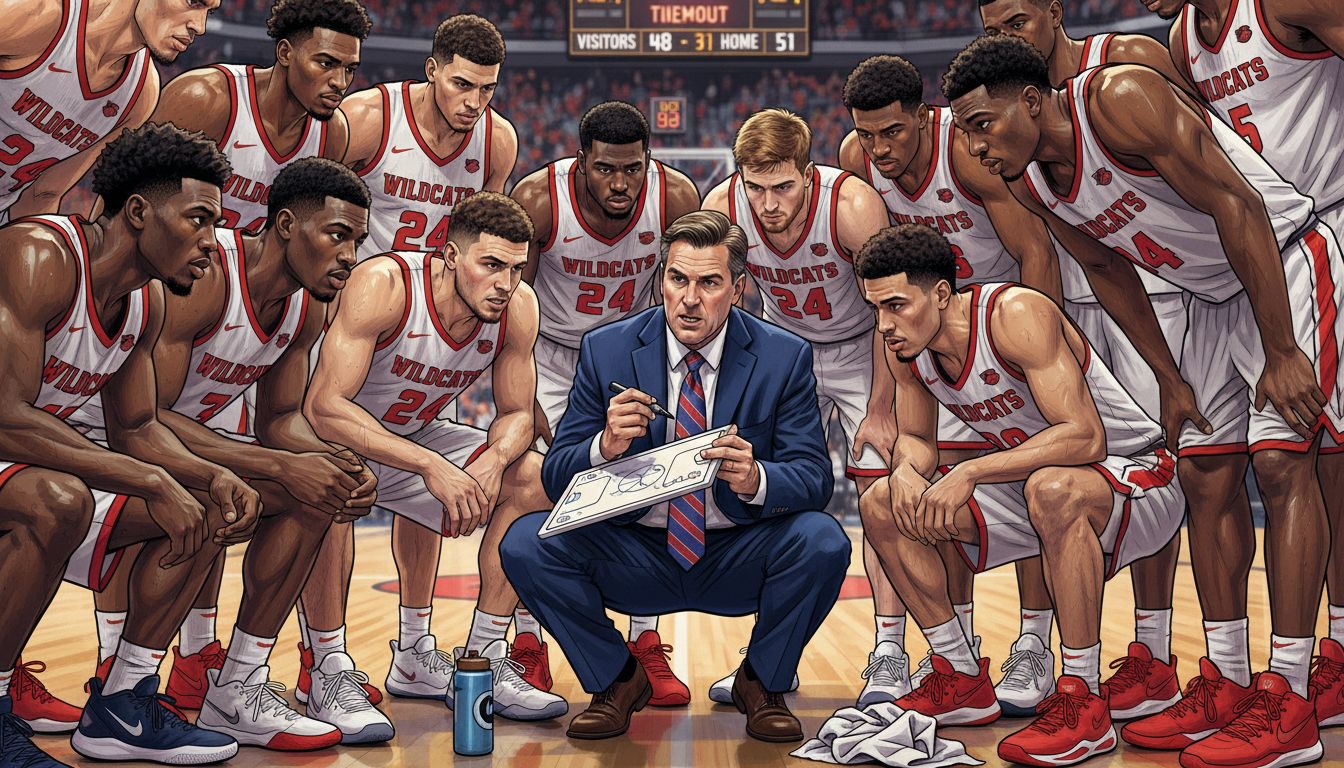
Later still, the defending-champion weight of UConn enters the night against UCLA, and you can almost feel the air change a bit. UConn is talented enough to win games in spurts—Solo Ball creating, Alex Karaban stretching the floor, Tarris Reed Jr. cleaning everything on the glass, Braylon Mullins flashing his NBA future—but recent turnover issues have made each possession feel more precarious than the roster suggests. UCLA’s pathway is narrower but no less intriguing, hinging on the health of Tyler Bilodeau and the confidence of Donovan Dent, a transfer guard asked to be more conductor than passenger now. Without Bilodeau, the Bruins have to choreograph every offensive trip carefully against a Huskies defense that can erase first options and dare you to improvise under duress. On the other end, Xavier Booker’s assignment on Reed is a kind of trust fall—if he can hold his ground and the Bruins can poke at UConn’s ballhandling, the game might condense into the sort of nervy, late-possession drama where titles and seed lines stop mattering quite so much.
And finally there is Alabama–Texas Tech, a nightcap built almost entirely out of jump shots and thin margins. Alabama plays with a green light that would make some old-school coaches reach for the antacids, firing threes in volume and asking its guards, especially Labaron Philon Jr., to live comfortably in the chaos that follows. Texas Tech doesn’t just accept that bargain; it thrives on it, ranking among the nation’s best from beyond the arc and leaning even harder into the perimeter after JT Toppin’s injury nudged them toward a smaller, more three-happy identity. On one level, this game is simple—who defends the arc better, who loosens first—but like most March shootouts, there’s also a mental edge: which team can keep hoisting the right kinds of shots when the legs get heavy and the numbers say regression might be on the way. Some nights in this sport, courage looks like driving to the rim; on nights like this, it looks like trusting the next shot will fall even when the last three didn’t.
Threaded through all of these matchups is a quieter story about what we ask of college athletes in weeks like this. They are, in the public imagination, sometimes reduced to archetypes—floor generals, stretch fours, rim protectors—but on a Sunday like this, you can see the edges of who they are beyond the scouting report: first-generation college students, kids playing through grief, young leaders learning how to use their voices in locker rooms and, increasingly, beyond them. In recent years, we’ve watched players in these same uniforms speak about mental health, organize around campus issues, and navigate the new world of NIL with a mix of savvy and vulnerability that would make most adults twice their age sweat. Even in a day dominated by pick-and-roll coverages and pace charts, that human layer is still there: teammates checking in on one another in hotel hallways, coaches trying—sometimes imperfectly—to make room for both performance and personhood. March will always be about brackets and buzzer-beaters, but it’s also about watching young people figure out, often in real time, how to carry both their game and their growing sense of self on the same shoulders.
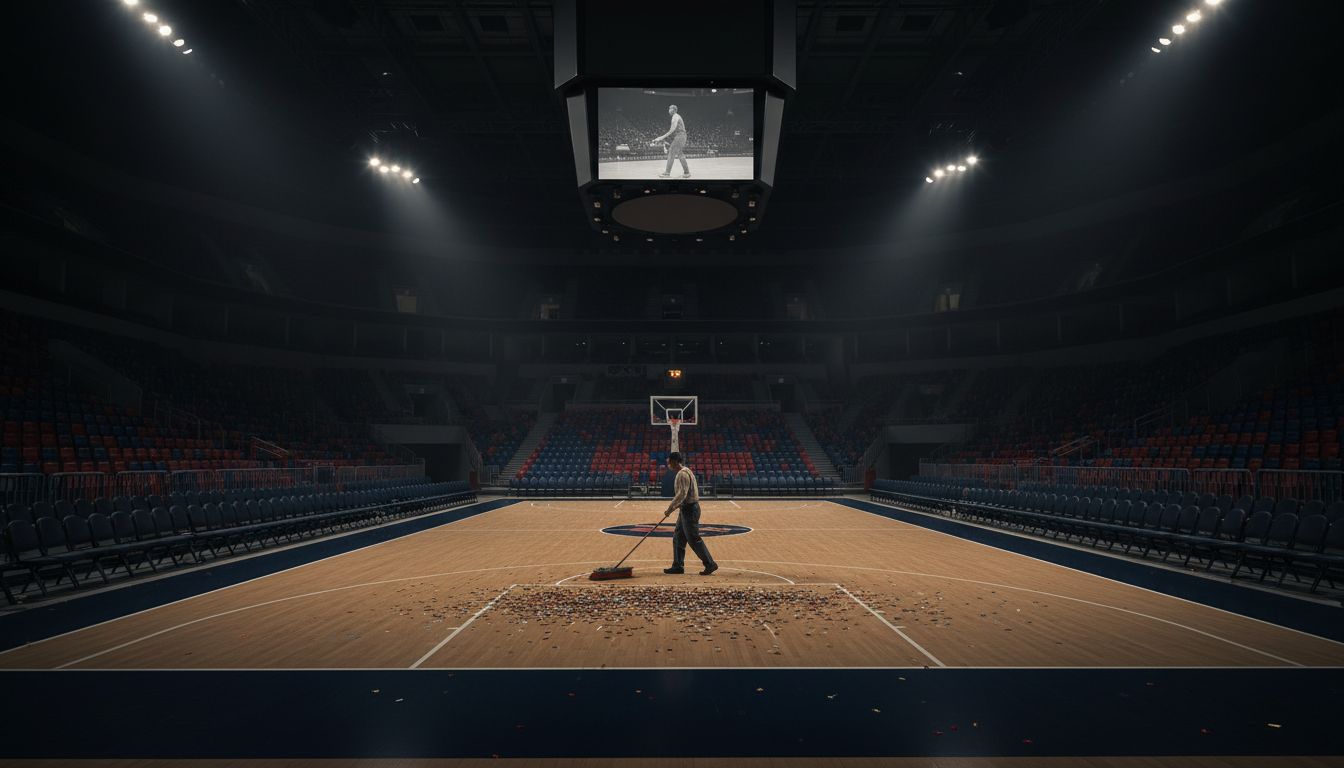
By the time the last game ends and the arenas empty, half of these teams will be packing for the Sweet 16 and half will be searching for flights home, jerseys folded over duffel bags and seasons suddenly measured in what-ifs. The box scores will tidy the day into clean columns and percentages, but the truth of a Sunday like this is messier and, in its own way, more beautiful. A missed boxout here, a fearless pull-up three there, a point guard who shook off two early turnovers and chose to keep driving—those are the tiny hinges on which entire careers can seem to swing. As the tournament bracket tightens and national storylines start to zero in on a handful of favorites, it’s worth holding space for the dozens of players whose March will end tonight, their activism, their backstories, their quiet resilience carrying on long after the TV truck pulls away. Because if March teaches us anything—beyond never trusting a lead and always guarding the inbounder—it’s that the real tournament is happening inside these athletes too, as they learn, in front of all of us, who they are when the season, and the moment, gets this small.