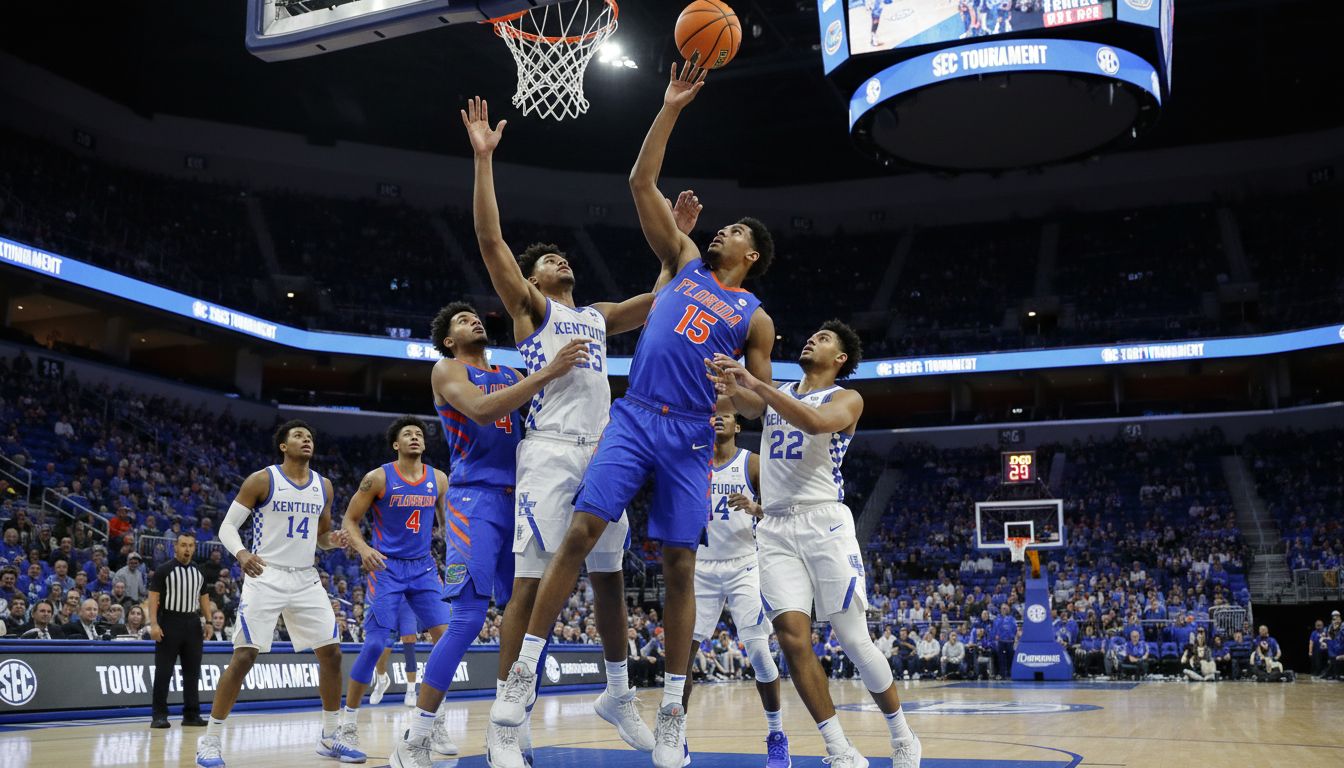
NASHVILLE — File this one under wins that coaches love and players tolerate: Florida 71, Kentucky 63, in a game that clanged its way through 2½ hours of bad shooting and constant whistles. On paper, this should have been the kind of night that exposes a flaw in Florida’s bid to repeat as national champion: a top-100 three-point team last season has spent most of this year buried in the sub-300s, hitting just 30.8% from deep. Against Kentucky, the Gators went 3 for 20 from beyond the arc, tied a season low for made threes and set a new low for percentage. That’s usually how you get sent home early in March, not how you move one step closer to a title defense. But Florida never looked rattled, and here’s why: what they lack in pretty perimeter numbers, they’re making up for with a frontcourt that treats every missed shot like a loose ball in a contract year.
Coach Todd Golden doesn’t bother carving shots into neat categories — threes here, twos there — because for this group a miss is not the end of the possession, it’s phase two of the offense. Florida turned 17 missed threes into 16 second-chance points Friday, hammering Kentucky 18–8 on the offensive glass and 50–29 overall. All but five of those second-chance points came after missed threes, which tells you everything about how comfortable this team is living with the initial miss. Urban Klavzar put it in plainer language than any analytics sheet: “Everybody goes to the glass, and even if we miss, they get the rebound.” You hear a lot of coaches talk about identity in March; Florida doesn’t have to talk about it much because you can see it on every long rebound and every busted possession that turns into points anyway.
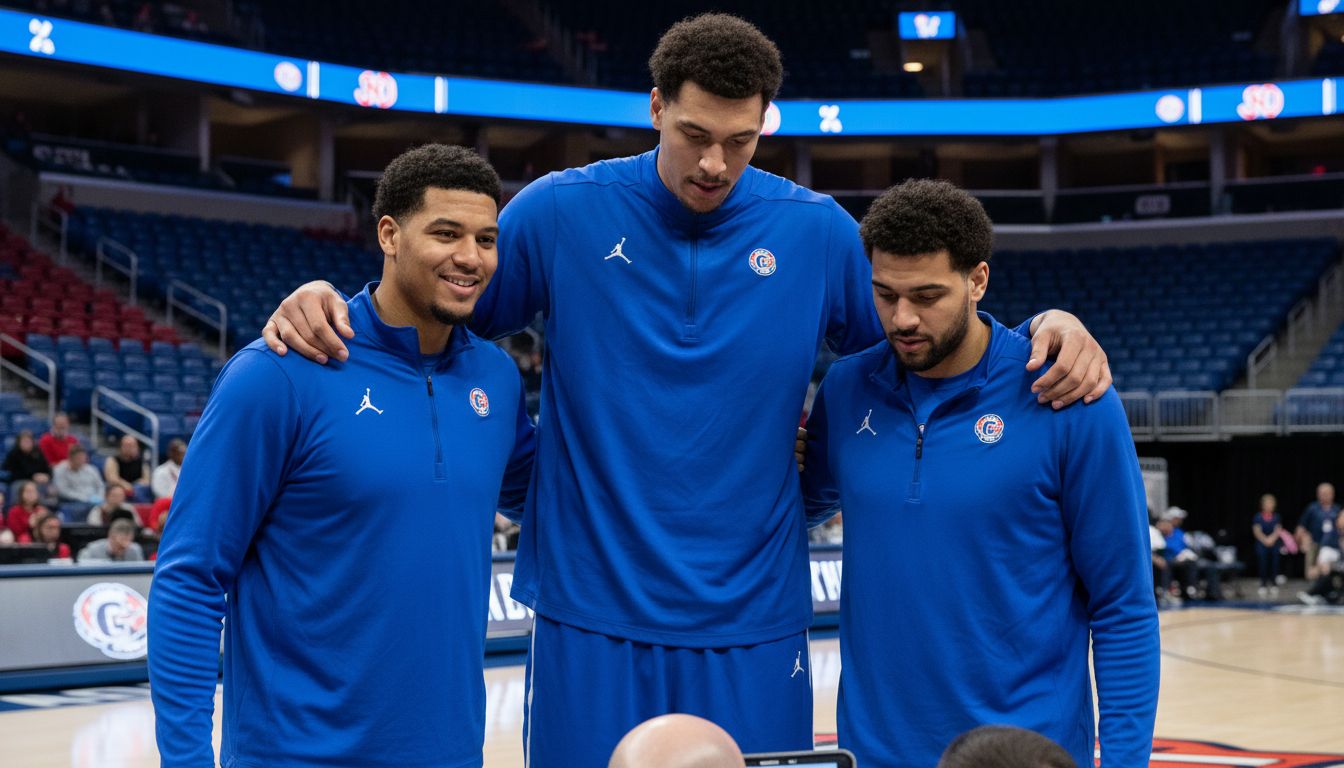
This is an evolution, not an accident. Last year’s title run was headlined by guard play and perimeter shot-making; this year’s sequel is built around what might be the best returning frontcourt in the country, now a year older and nastier on the boards. Rueben Chinyelu has grown into one of the nation’s elite rebounders, logging his 22nd double-digit rebounding game of the season with 10 more against Kentucky. Klavzar called him the “best rebounding big in the States” and “just an animal,” then immediately ticked off Thomas Haugh, Alex Condon and Micah Handlogten as part of the same wave. With Haugh sliding down to small forward for stretches, Golden can keep multiple plus rebounders on the floor at all times, which is bad news for anyone who thinks they’ve finished a defensive possession after forcing a miss.
The tricky part for opponents is that Florida isn’t simply shrugging and saying, "We’ll just live on the offensive glass." Over the 11-game winning streak that preceded Friday, the Gators actually shot 37.6% from three — better than the guard-driven group that closed last regular season at 36.6% from deep. So the version of Florida Kentucky saw may well have been the floor, not the ceiling. When the shots are falling, that front line doesn’t just keep them in games; it buries people. When the shots aren’t falling, as Kentucky learned the hard way, Florida still has a reliable way to score and, more importantly, a way to stabilize a game that could otherwise tilt on a cold shooting night.
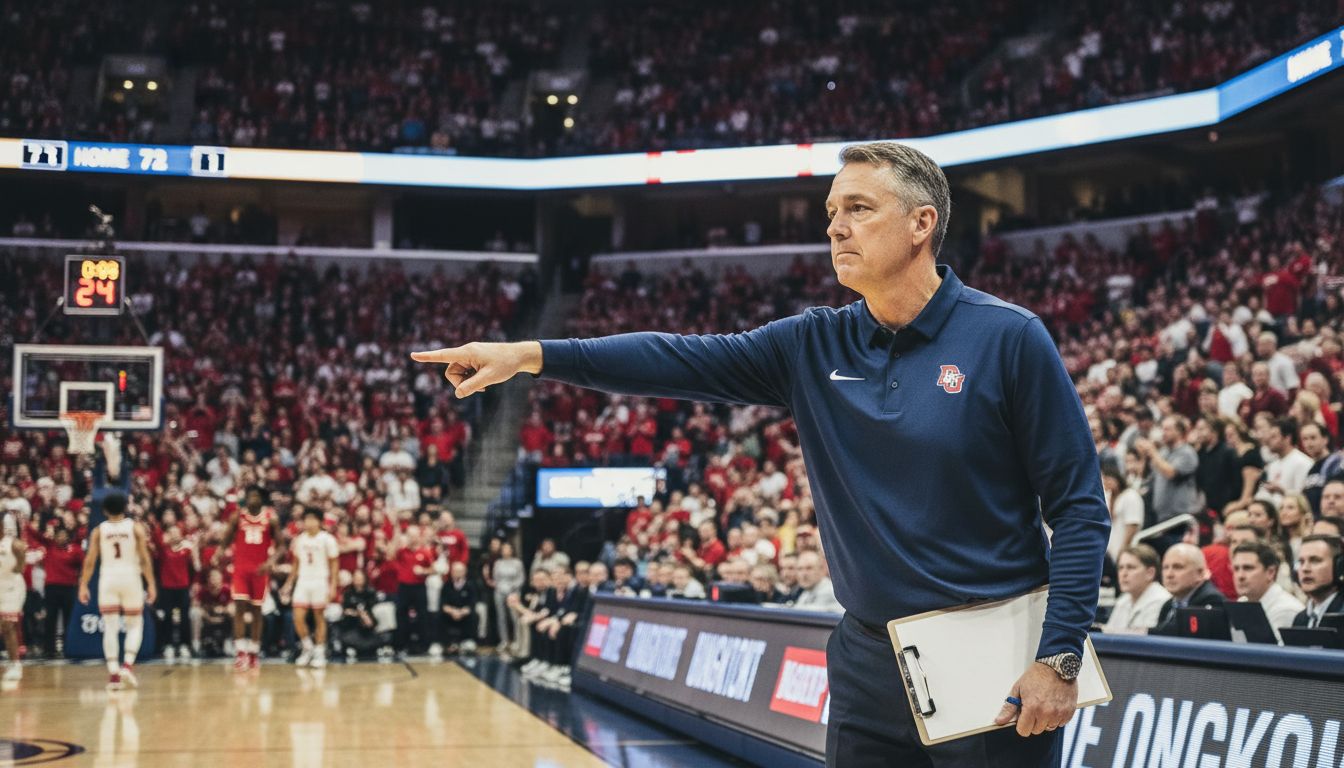
This is what separates March curiosities from March threats. Plenty of teams can look dangerous when the perimeter shots are dropping; far fewer can survive their worst shooting night of the season and still beat an NCAA Tournament-caliber opponent on a neutral floor without ever appearing in serious danger. Florida checked that box Friday. Golden admitted the obvious — that it’s a comfort blanket as a coach to know his team can win when the offense looks like a bad practice drill — but this is more than comfort, it’s infrastructure. You don’t repeat as national champion on “hot night” magic alone; you do it by building a style that travels.
Florida’s style now is blunt but effective: keep firing good threes, send a small army to the glass, and trust that the numbers will tilt your way over 40 minutes. It isn’t always pretty, and the aesthetics brigade will find better games to re-watch, but winning ugly in March is still winning. If you strip away the storylines about what Florida lost in the backcourt, what remains is a roster that understands its strengths and doesn’t apologize for them. The guards are settling into their roles, the frontcourt is shouldering the heavy lifting, and the collective buy-in is obvious in the way everyone crashes the boards without worrying whose stat line gets the bump. If last year’s run was about skill, this version has a bit more steel.
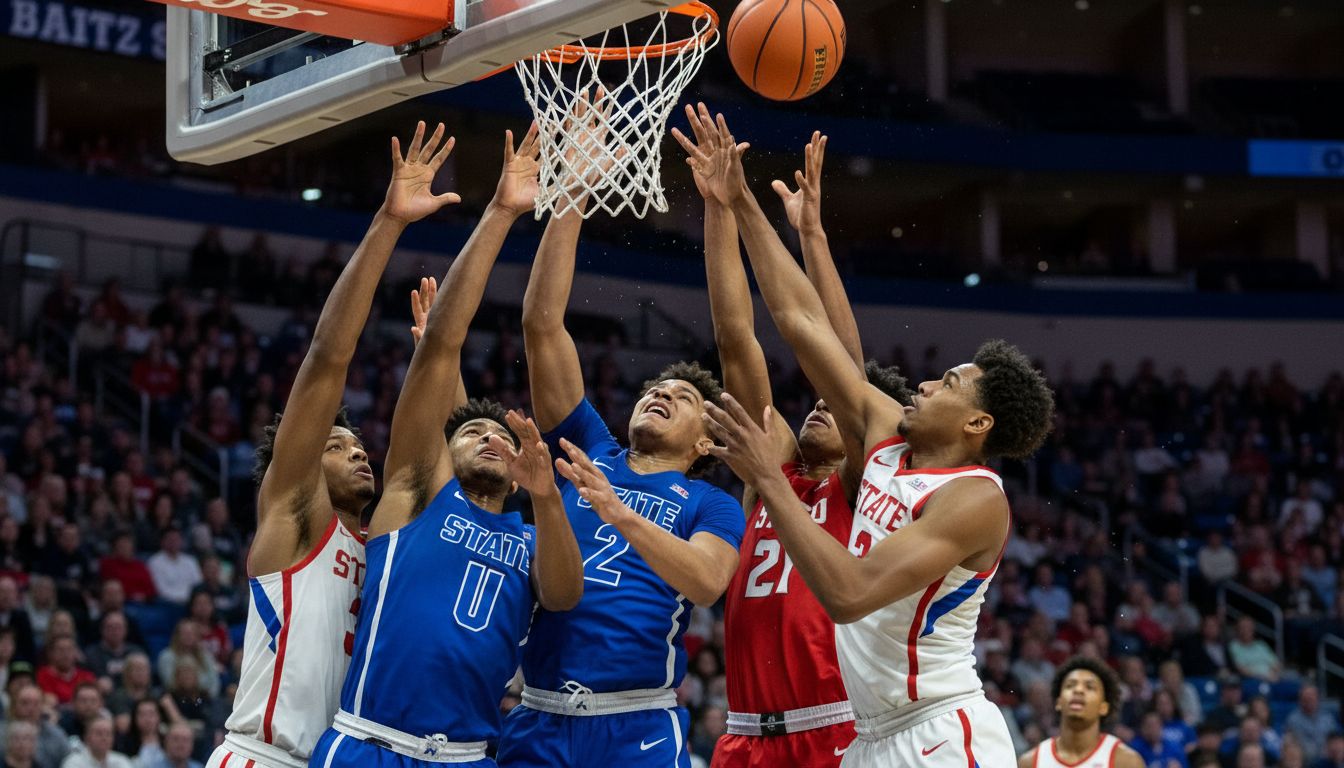
Is a repeat title "inevitable"? That word doesn’t belong anywhere near a single-elimination tournament where one hot mid-major or one whistle-happy officiating crew can rewrite a season in an afternoon. What Florida has done, though, is build in margin for error — in their shooting, in their rotations, in how they manufacture points when Plan A misfires. In March, that’s as close to inevitable as it gets: not the banner, but the fact that you’re still standing when the game gets weird. The Gators showed against Kentucky that they don’t need perfect conditions to advance; they just need a ball off the rim and enough blue jerseys around it to turn the miss into an opportunity.
For now, that SEC quarterfinal reads like a modest headline — another win, another step — but inside the box score is the kind of performance coaches quietly tuck away as proof of concept. Teams that can win this sort of game generally aren’t in a hurry to tell you how good they are; they’re too busy getting ready for the next rock fight. Florida will still want the shooting to trend closer to recent form than to Friday’s mess, but they no longer live or die with it. Their frontcourt, their rebounding, and their comfort with a game that looks ugly from the outside are giving them a sturdier base than most. In a month built on unpredictability, that may be the most dangerous advantage of all.