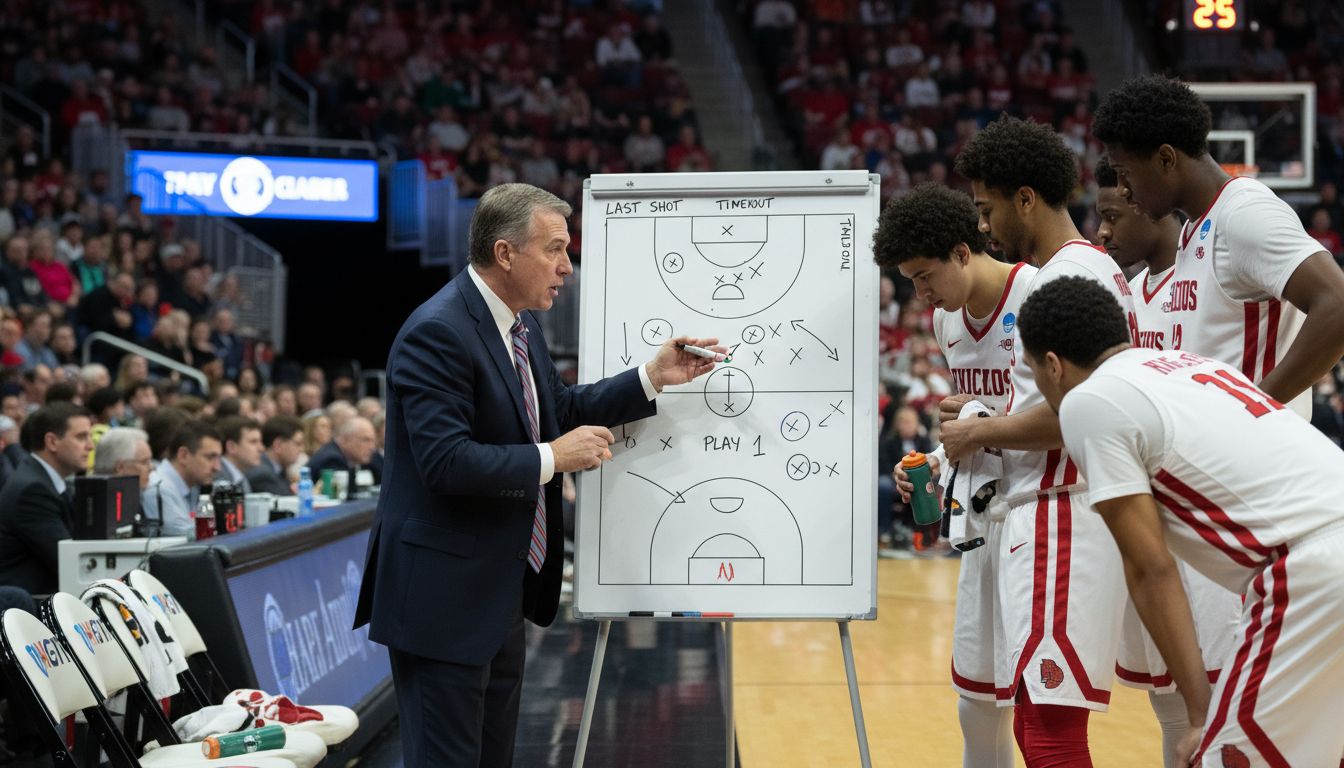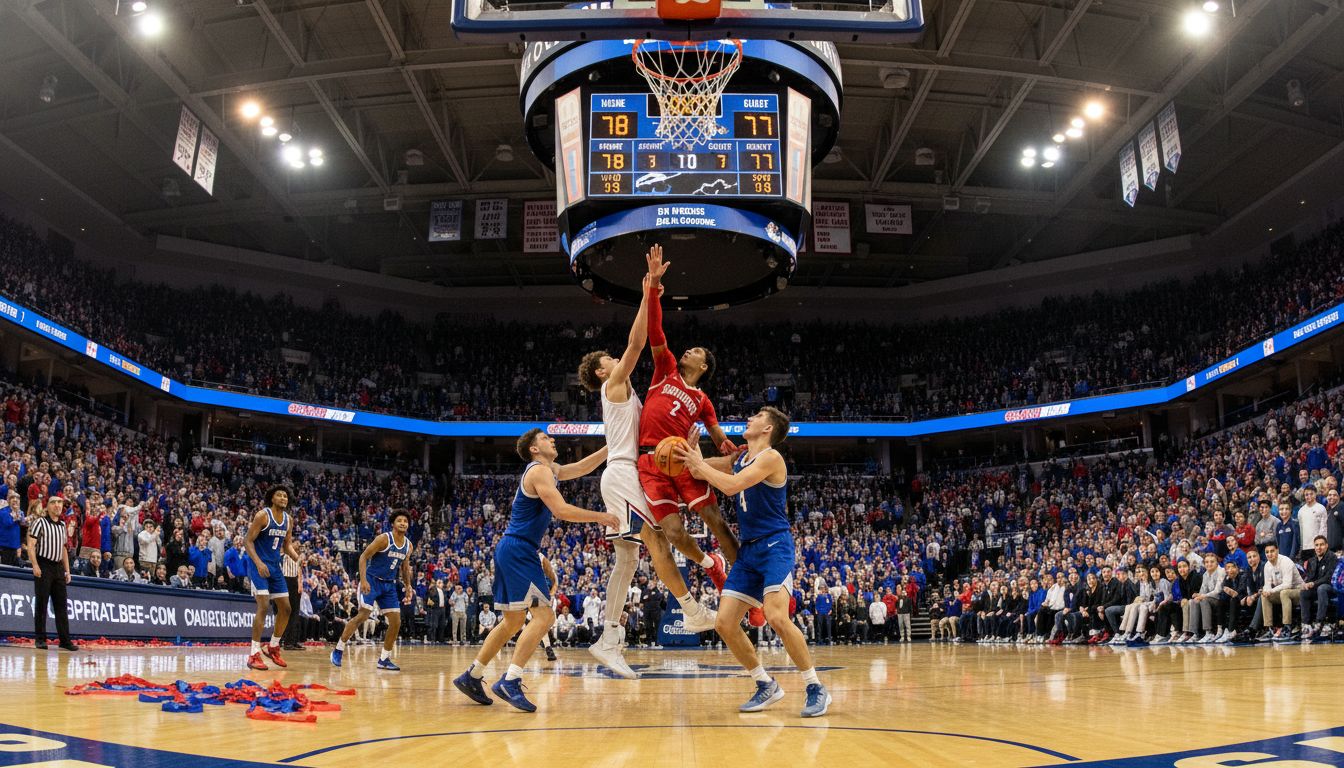
Every February, college basketball pretends it’s still the undercard, but anyone who has lived through a few real Marches knows better. This is where the stories that look inevitable suddenly wobble, where top-10 teams discover they’re not nearly as polished as the polls suggest, and where conference schedules turn into character exams. We like to talk about March Madness, but truth be told, February is when teams either earn the right to be interesting in March or quietly slide into the NIT listings on the agate page. From my perch in Bloomington, with Assembly Hall memories never far away, this year’s stretch run feels particularly unforgiving for several national contenders. The rankings look shiny; the road ahead, not so much.
Start with the Big 12, which currently resembles a neighborhood where everyone owns a snowblower and no one is eager to lend. Four of the top nine teams in the Associated Press poll are crammed into the same league, and the schedule-maker has done them no favors. Arizona finally lost after nearly three months of perfection, and as a reward, the Wildcats now face five more ranked opponents in their next six games. Texas Tech, BYU, Houston, Kansas and Iowa State all loom, with only Houston requiring a road trip—merciful on paper, until you remember that every one of those visitors would be a top billing in most gyms in America. Arizona is 13-0 in Tucson, but there’s a reason old coaches say February exposes habits, not hype.
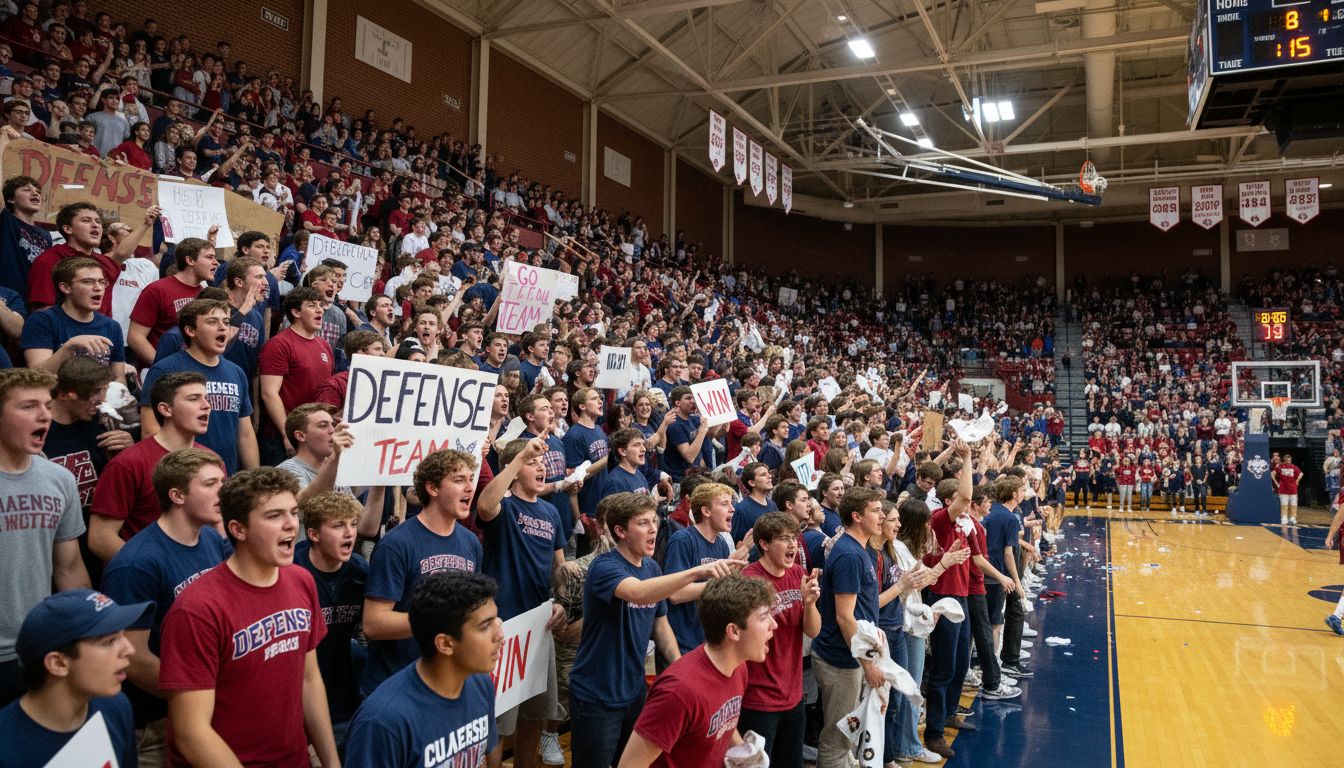
Houston, to its credit, seems intent on finding out its ceiling the hard way. The Cougars are 22-2 and staring at an eight-day gauntlet: at Iowa State, home against Arizona, then at Kansas—three top-10 games against opponents with a combined 63-9 record. The reward if they survive with their swagger and health intact is the possibility of a No. 1 seed parked conveniently in the Houston regional, a scenario that is technically fair but likely to cause grumbling from any fan base asked to fly south to face them there. That’s the quiet truth of February: the bracketologists talk in lines and regions, but the teams feel it in bus rides, hostile gyms and that particular fatigue that no training table fully cures. You can chase metrics all you like, but eventually you have to win in somebody else’s building.
Few buildings test that theory like Iowa State’s Hilton Coliseum, which has turned into one of the sport’s most reliable lie detectors. The Cyclones are 46-2 at home over the past three seasons and a spotless 13-0 this year, and now they welcome Kansas and Houston in a 56-hour span that will stretch the famous "Hilton Magic" to its limits. Kansas, fresh off yet another reminder that Allen Fieldhouse doesn’t do subtle—39-0 in Big Monday games there under Bill Self, 15-0 in top-10 showdowns when the Jayhawks are the lower-ranked team—arrives with an eight-game winning streak and a roster still figuring out who it is when phenom Darryn Peterson is healthy enough to go. Self says he doesn’t know where his team’s ceiling is yet, which sounds diplomatic until you remember he’s usually pretty good at locating them by mid-February. But uncertainty is the currency of this month, and this Kansas team has played two parallel seasons—10-3 with Peterson, 9-2 without—without quite stitching them into a coherent identity.

Outside the Big 12, February is no gentler. Michigan is 23-1 and may well be the next No. 1, yet the Wolverines were reminded by Northwestern that even juggernauts can find themselves down 16 in the second half and suddenly reaching for answers. They responded by outscoring the Wildcats 45-17 over the final 14 minutes, a comeback that was equal parts dominance and wake-up call. Now comes a stretch that reads less like a schedule and more like a dissertation defense: UCLA at home, then four of the next five away from Ann Arbor—at Purdue, Duke in Washington, D.C., Illinois and Iowa—before a return home to face Michigan State. If they are still atop the polls by early March, it will be because they earned every bit of it, and probably slept very little along the way.
Kentucky, meanwhile, has turned falling behind into something between a habit and a hazard. The Wildcats have trailed by double figures in 10 games and somehow won half of them, including erasing deficits of 18 against LSU and 17 and 14 in two separate escapes against Tennessee. It makes for terrific television and jittery living rooms across the Commonwealth, but history is fairly blunt on this point: playing from behind is not a sustainable NCAA tournament business model. February will test whether Kentucky can spend less time chasing and more time dictating, particularly with a looming home-and-home against a resurgent Florida team. The Gators, once a preseason top-three pick turned 5-4 enigma, have roared back with four straight SEC wins by an average of 27 points, seizing the conference lead for the first time in a dozen years and turning that Kentucky series into a true barometer for both programs.

Purdue’s story resonates particularly strongly from where I sit, given the Big Ten’s habit of producing regular-season thoroughbreds and March question marks. At 20-4, the Boilermakers’ record is impressive, but recently there’s been a certain heaviness to their wins, a three-game losing streak here, a nail-biter at home against last-place Oregon there, and even that overtime win at Nebraska that required reviving a 22-point lead gone missing. None of that disqualifies Purdue from contention, but it does demand clarification, and the Big Ten provides it in the bluntest way possible. The Boilermakers visit Iowa next, then welcome Michigan, Indiana and Michigan State to Mackey Arena in a 10-day sprint that will either reaffirm their status or raise fresh doubts about their readiness for the one-and-done realities of March. It’s not unlike life in Assembly Hall lore: you can be beloved in January, but you’re judged in March—or, as we’re reminded, in how you handle February.
Elsewhere, Clemson’s long ACC road winning streak confronts a trip to Duke after a home stumble against Virginia Tech, Saint Louis tries to protect a 23-1 record and the nation’s best scoring margin while navigating three road games in four, and Miami, the one from Coral Gables rather than Oxford, attempts to turn a 19-5 rebound season into a secure NCAA bid with three of four coming away from home. These are not just scheduling quirks; they are stress tests for systems, cultures and locker rooms. One of the quiet joys of following this sport for decades is recognizing that every great run has a February story buried inside it—a weekend where the shots wouldn’t fall, the whistle felt unfriendly, the bus got in late and somebody in that locker room decided the season was not going to fray. Fans tend to remember the nets coming down in April; coaches and players remember the huddles in the second week of February when nothing felt easy and everything felt urgent. The first conference tournament tipoffs are barely 18 days away, which means the runway is short, the questions many, and the margin for error thinner than a late-winter coat on the walk into the arena.
Maybe that’s why, in places like Bloomington, Ames, Lawrence and Lexington, February carries a certain anxious reverence. You can feel the weight of history in the old buildings, the echo of seasons when a single road win or home collapse changed the trajectory of a program. From Indiana’s undefeated 1976 team to more recent Big Ten champions, the lesson is consistent: talented rosters are the prerequisite, but how you navigate this month determines whether you become a cautionary tale or a commemorated banner. So as Arizona, Houston, Kansas, Michigan, Kentucky, Purdue and the rest step into their respective crunch times, they’re not just chasing seeds and trophies; they’re auditioning for the right to matter when the brackets actually hit the printer. March Madness may own the brand, but February, in all its grinding, unglamorous truth, still decides who gets invited to the real party.