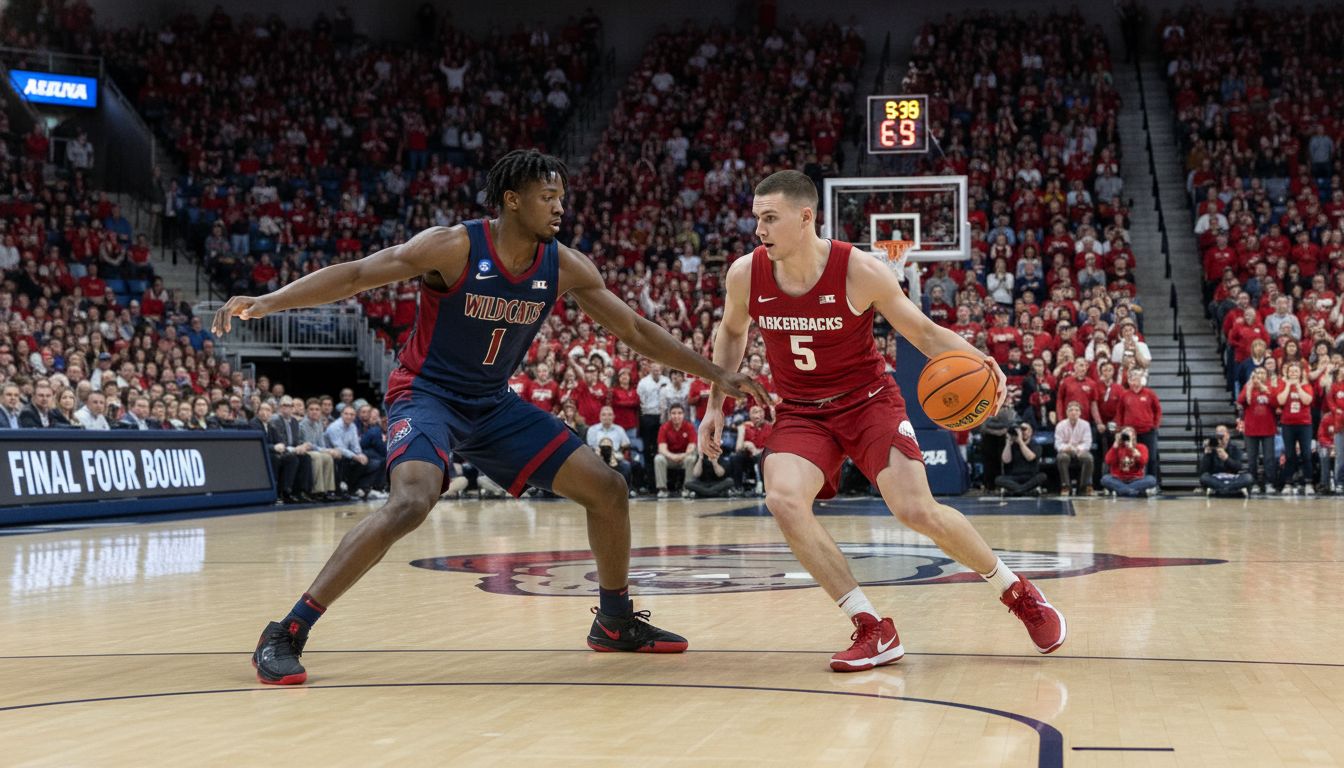
If you’ve watched college hoops from a cold January night in the Phog to a late‑tip Sweet 16, you can feel it: this freshman class is different. The Arizona–Arkansas matchup out West isn’t just another No. 1 vs. No. 4 seed; it’s a referendum of sorts on what modern, freshman‑driven basketball looks like when the talent actually sticks around long enough to grow together. Four freshmen – Arizona’s Brayden Burries and Koa Peat, Arkansas’ Darius Acuff Jr. and Meleek Thomas – have turned a regional semifinal into something that feels more like a McDonald’s All‑American reunion with a Final Four ticket on the line. For an old Big 12 soul sitting in Lawrence, it’s a reminder that while the sport keeps changing, the heartbeat stays the same: guard play, chemistry and kids who aren’t afraid of the moment. You don’t need crimson and blue goggles to appreciate what these freshmen are doing; you just need to enjoy good basketball.
Start with Arizona, the No. 1 seed that looks every bit the part on both ends of the floor. The Wildcats entered the tournament as the only team in the country with a top‑five offense and defense in adjusted efficiency, and that balance is built on the shoulders of two freshmen who wouldn’t look out of place in Allen Fieldhouse on a Big Monday. Koa Peat announced himself in November by dropping 30 points, seven rebounds and five assists on defending national champion Florida, bulldozing through a veteran frontcourt that returned almost intact from its title run. Since then, he’s been Arizona’s tone‑setter – a physical, two‑way forward who can punish mismatches, rebound in traffic and still facilitate out of the high post. If you grew up watching Kansas wings who could guard four spots and still initiate offense, Peat’s game feels awfully familiar.
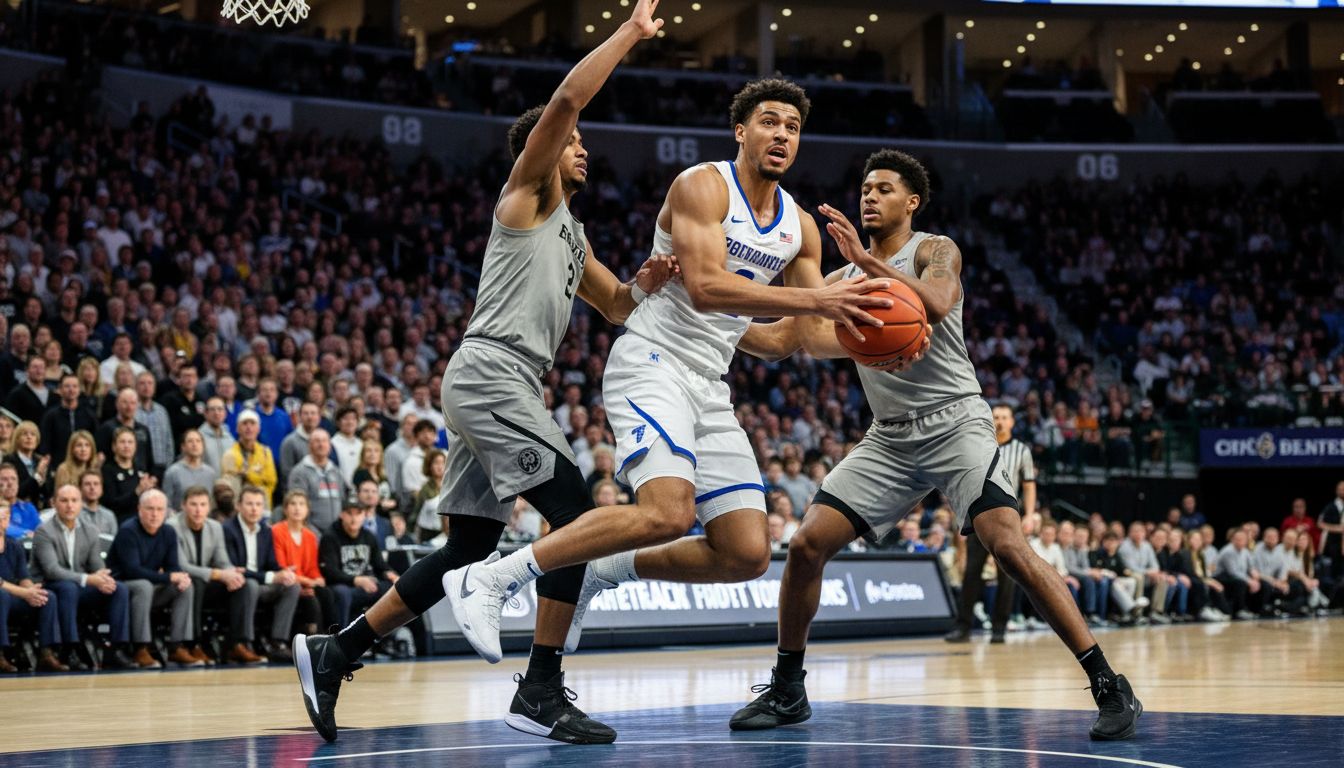
If Peat is the Wildcat who kicked in the door, Brayden Burries is the one who quietly rearranged the furniture and made the place his own. Early in the year, Burries looked like a solid complementary guard, even scoring under 10 points in four of his first five games as he felt out his role. Then came the early‑December swing through Auburn and Alabama, where he hit what he calls a turning point and poured in a then‑career‑high 28 against the Crimson Tide. From there, he stacked 20‑point nights like old box scores in a coach’s basement, finishing with 13 games of at least 20 and emerging as arguably Arizona’s best NBA prospect. The Wildcats’ offense now flows through his ability to create off the bounce, score at all three levels and still fit into a structured system – the kind of guard play tournament coaches lose sleep over.
Across the bracket, Arkansas brings its own pair of freshmen who would be right at home in any blueblood backcourt. Darius Acuff Jr. has been the headline, and with good reason: he just hung 36 points in the NCAA Tournament, the second‑most ever by a freshman, moving past BYU’s AJ Dybantsa and within striking distance of De’Aaron Fox’s record. He’d already etched his name in the regular‑season lore with a 49‑point volcanic night against Alabama, joining Malik Monk as the only John Calipari‑coached freshmen to crack 40 in a game. Through two games of this tournament, Acuff has scored 60 points – more than Kevin Durant, Zion Williamson or Cam Thomas managed in their first two NCAA contests. Numbers like that will get you NBA scouts, NIL buzz and, if you’re not careful, a little bit of hero‑ball; to his credit, Acuff has mostly turned that usage into winning basketball.
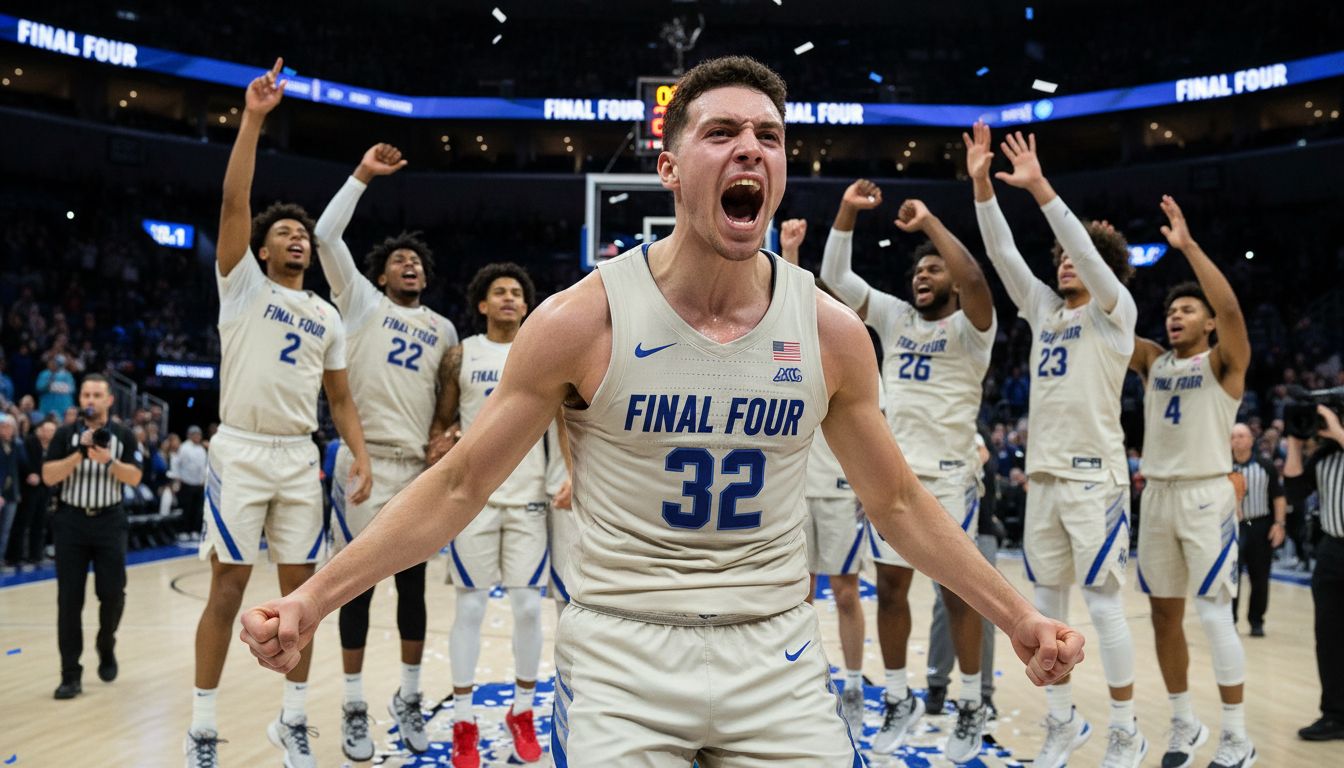
The other half of Arkansas’ story is Meleek Thomas, Acuff’s freshman backcourt running mate and the connective tissue that makes the Razorbacks feel like more than a one‑man show. Together they average nearly 39 points per game, and in the first‑round win over Hawaii they became the first freshman duo ever to post at least 20 points and five assists apiece in an NCAA Tournament game. Their partnership invites inevitable comparisons to Calipari’s old Malik Monk–De’Aaron Fox tandem at Kentucky: two explosive guards, both capable of taking over, learning to share the ball and the spotlight. Calipari himself leans into the analogy from a different angle, praising their "otherworldly confidence" and the way they’ve grown comfortable barking out instructions in huddles instead of just nodding along. For a coach whose résumé is littered with NBA‑ready guards, quietly calling Acuff one of his best development stories says plenty about what we’re watching.
What makes this Sweet 16 matchup historically unique is how thoroughly the freshmen run the show. For the first time ever at this stage, the top two scorers on both teams are freshmen, and Arizona is just the fourth No. 1 seed in history to have its leading duo come from the same class, joining Kentucky’s John Wall–DeMarcus Cousins group and the Duke teams of Zion Williamson and, more recently, Cooper Flagg. Those previous three didn’t cut down the nets, a reminder that as dazzling as youth can be, experience and late‑game composure still matter in March. Arizona’s edge comes from pairing its frosh firepower with the country’s stingiest effective field‑goal defense, allowing just 44.8%, and a veteran big man in Motiejus Krivas who does the unglamorous work around the rim. Arkansas, by contrast, leans harder into guard‑centric chaos, trusting that shot creation and fearless confidence can bend a game their way over a 40‑minute sprint.
There’s also a relational thread running through this game that you won’t see in the box score. Peat, Burries and Thomas shared the floor on the McDonald’s All‑American stage, while Acuff battled them from the opposite bench with Team East, and they’ve been bumping into each other for years on the AAU and camp circuit. That long history shows in the way they talk about each other – less like strangers in a bracket and more like classmates in the same small, high‑achieving school who suddenly find themselves taking the same final exam. Burries and Peat both describe this as a "special" class, and you can hear a mix of pride and competitiveness when they mention how far everyone has come since those first EYBL weekends. For fans, it adds a layer of narrative beyond the logos: you’re watching a shared chapter in a generation’s development, not just two programs trading baskets.
From a strategy standpoint, the game sets up as a stress test for how much shot‑making can overcome structure. Arizona’s defensive discipline and balance would make any coach in the old Big 8 nod in approval; they guard, they contest, they rotate, and they don’t beat themselves. Arkansas, true to Calipari’s track record, bets on the idea that two elite guards playing downhill can tilt even a well‑organized defense, especially if whistles tighten and the game speeds up. If this turns into a half‑court grind, Arizona’s size, execution and ability to generate efficient looks with Peat as a hub probably carries the day. If it turns into a track meet, with Acuff dancing off ball screens and Thomas slicing up mismatches, things could tilt Razorback red in a hurry.
Big picture, this matchup is another mile marker in the ongoing debate about what college basketball is becoming in the portal and NIL era. This year’s Sweet 16 might be light on true Cinderellas, but it’s heavy on elite talent that chose, at least for a season, to share a locker room instead of scattering directly to the G League or international routes. For a Kansas fan used to seeing rosters blend veteran role players with a few carefully chosen stars, there’s something encouraging about watching freshmen not just collect highlights, but carry responsibility in systems that still value defense and ball movement. It suggests that even as the sport tilts toward free agency, there’s room for continuity – even if that continuity is sometimes measured in months instead of years. And selfishly, it keeps college basketball in that sweet spot where Allen Fieldhouse is still a destination and not just a pit stop.
In the end, Arizona vs. Arkansas in Northern California offers a little bit of everything: NBA‑level shot‑making, contrasting styles, historical context and a freshman class staking its claim as one of the best we’ve ever seen. Whether the Wildcats finally become the first No. 1 seed built around freshmen to win it all, or Arkansas rides its fearless backcourt into the Elite Eight, this is the kind of game you circle with a red pen and plan your evening around. You don’t have to pick a side to enjoy it; you just have to appreciate that, every so often, college basketball serves up a reminder that the sport can still surprise us without asking us to abandon what made us fall in love with it in the first place. Somewhere between Tucson, Fayetteville and a quiet gym in Lawrence, a generation of fans and players is watching, taking notes and dreaming about the next step. And if you happen to be listening to the radio call on a late drive across Kansas, don’t be surprised if you find yourself grinning and thinking, "These kids could handle the Phog just fine."