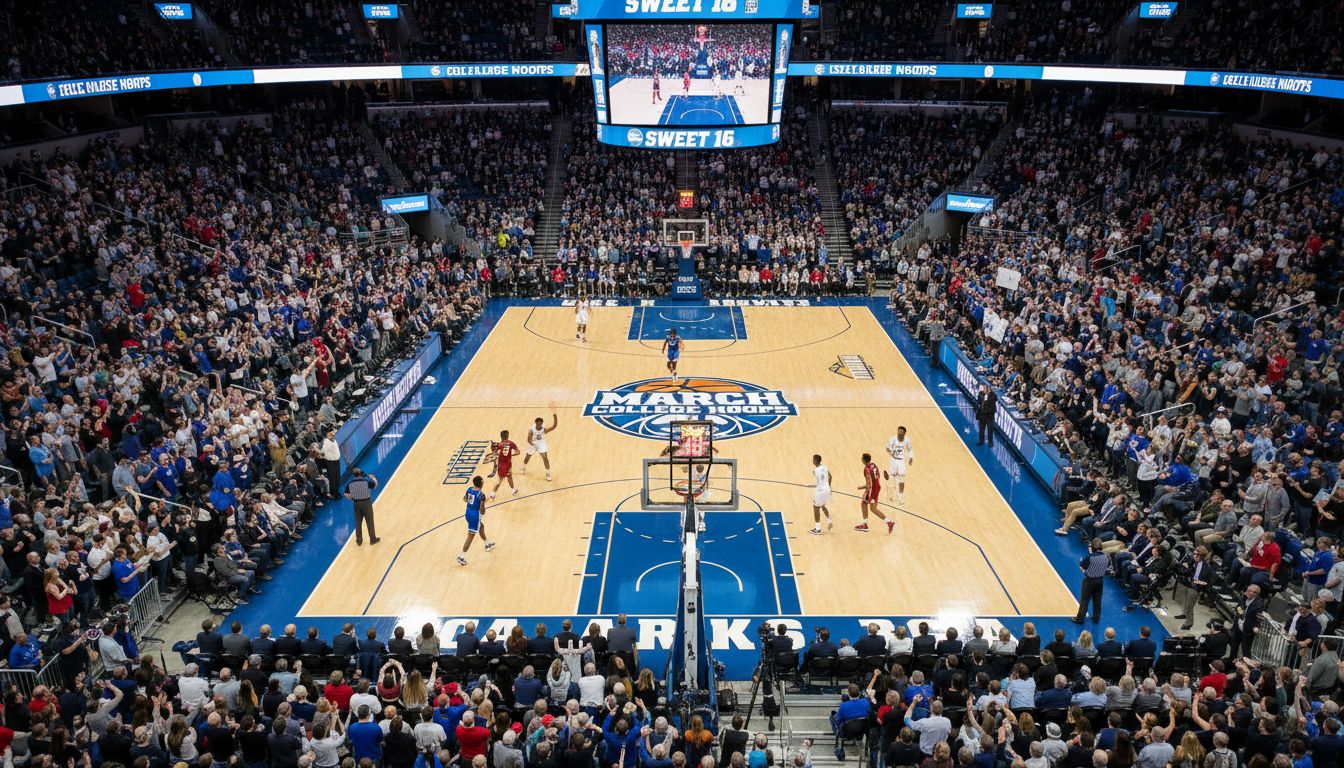
Every March, once we catch our breath from the first‑round chaos, the real bracket nerds come out to play. That’s when we stop arguing about snubs and start asking the question that keeps group chats buzzing: if we ignored the original seed lines and just judged the last two games, how would we rank the Sweet 16 now? This year’s field has a little bit of everything: blue-bloods trying to restore order, Big Ten grinders, SEC sprinters, and at least one storybook program trying to write a new chapter. The committee gave us the starting point back on Selection Sunday, but the games in front of us tell a fresher, sharper story. So let’s walk through this Sweet 16, tier by tier, using what we’ve seen on the floor — not what we thought we knew a week ago.
Arizona has made the loudest statement so far, and it’s not especially close. The Wildcats didn’t just win; they crushed LIU by 34 and then coolly dispatched a very good Utah State team by 12. What jumps off the page isn’t just the margins but the balance: four players in double figures in each game, steady production on both ends, and no real panic points in either matchup. If the selection committee had a redo today based only on the first weekend, Arizona would have a strong case for the true No. 1 overall line. In a tournament that often rewards volatility, the Wildcats’ calm efficiency has been their sharpest weapon.
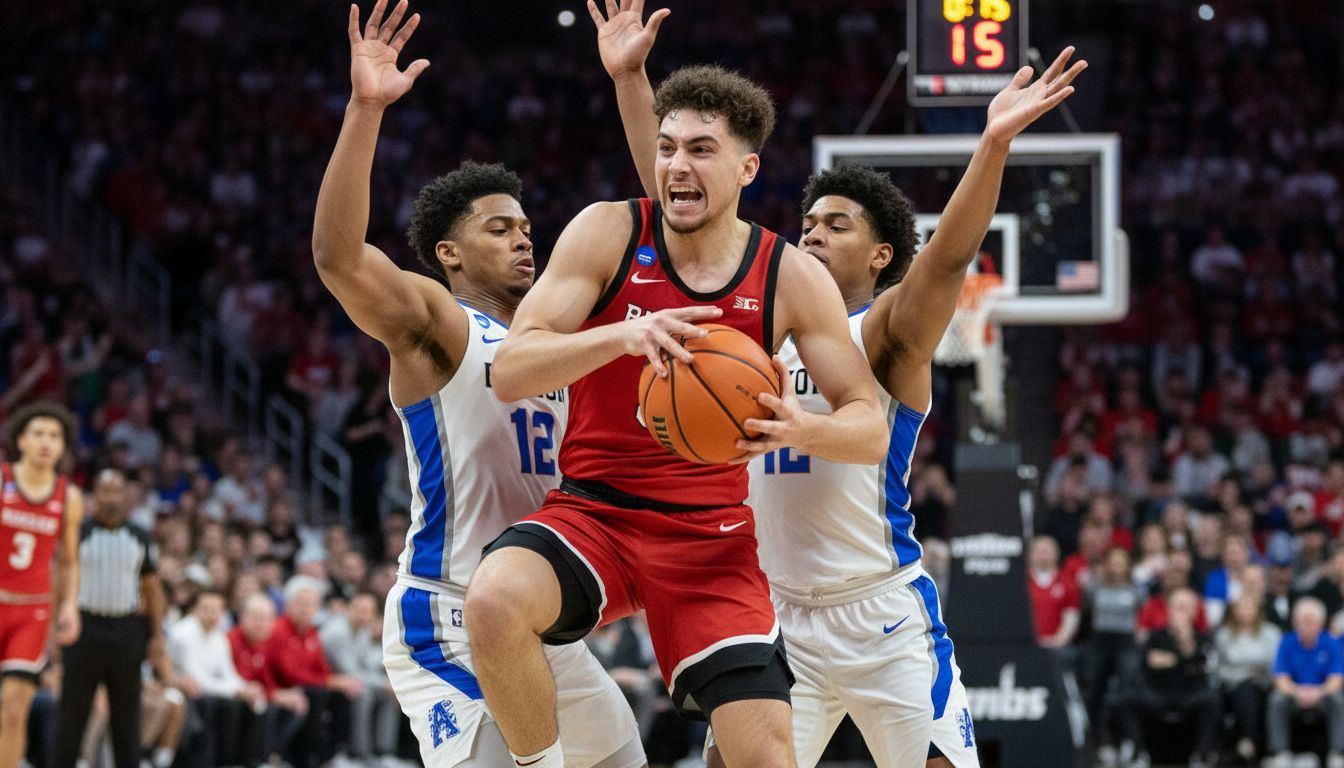
Right behind Arizona sits Duke, a team that looked like it was about to drive its fan base off a cliff before slamming on the brakes and flooring it in the opposite direction. The Blue Devils’ opener against Siena was, to put it kindly, their worst showing since that weird New Year’s Eve scare against Georgia Tech. But instead of letting that wobble define their run, they stormed back with a 23‑point demolition of TCU, flashing the defensive bite and star power around Cam Boozer that made them preseason darlings. If you’re selling Duke stock based on one ugly game, there are plenty of people willing to buy low. In a field that’s starting to tighten, their ceiling still looks like championship level if they stabilize their offense.
Hot on their heels are a wave of teams that look like they finally figured themselves out at exactly the right time. Michigan has only lost twice since mid‑January, both to top‑two seeds still alive, and they rolled through Howard and Saint Louis with 20‑plus‑point wins by happily playing fast and leaning on superior depth. Houston, meanwhile, posted the kind of defensive clinic that makes coaches grin and shooters sweat, holding Idaho and Texas A&M to an average of just 52 points in twin 31‑point wins. The Cougars’ ability to turn a close game into a blowout in a matter of minutes — like their 21‑4 run to close the first half against A&M — feels eerily familiar to anyone who’s watched modern title contenders suffocate opponents. If that level holds, Kelvin Sampson will be booking another trip to the Final Four.
Iowa State is one of the more intriguing re‑seeding puzzles because their Round of 32 win was both flawed and dominant at the same time. They were ice‑cold for long stretches but still pulled away to win by 19, thanks largely to Tamin Lipsey turning in a monster line of 26 points, 10 assists and five steals. Do you reward the margin or worry about the shooting valleys? That question gets even trickier with star Joshua Jefferson working to return from injury, which would raise the Cyclones’ ceiling but also muddies how we project them today. For now, they sit in that top‑five neighborhood — clearly dangerous, yet still a little mysterious.
Then there’s Purdue, busy rewriting the narrative after stumbling into March by losing four of six before the Big Ten Tournament. Since then, they’ve ripped off four wins in four days to grab the conference crown and followed it up with double‑digit NCAA victories, including a surgical 10‑point win over Miami despite a rare off night from Braden Smith. What makes the Boilermakers so tricky to game‑plan for is how many ways they can dissect a defense; if you take away one option, they’re patient enough to find another. Illinois has shown a different kind of control, hammering Penn and VCU by a combined 56 points and daring opponents to try to shoot over their length. Those early‑round blowouts against mid‑majors won’t scare anyone by themselves, but they did get the Illini’s depth rolling, with David Mirkovic, Andrej Stojakovic and Tomislav Ivisic all gaining confidence for the battles ahead.
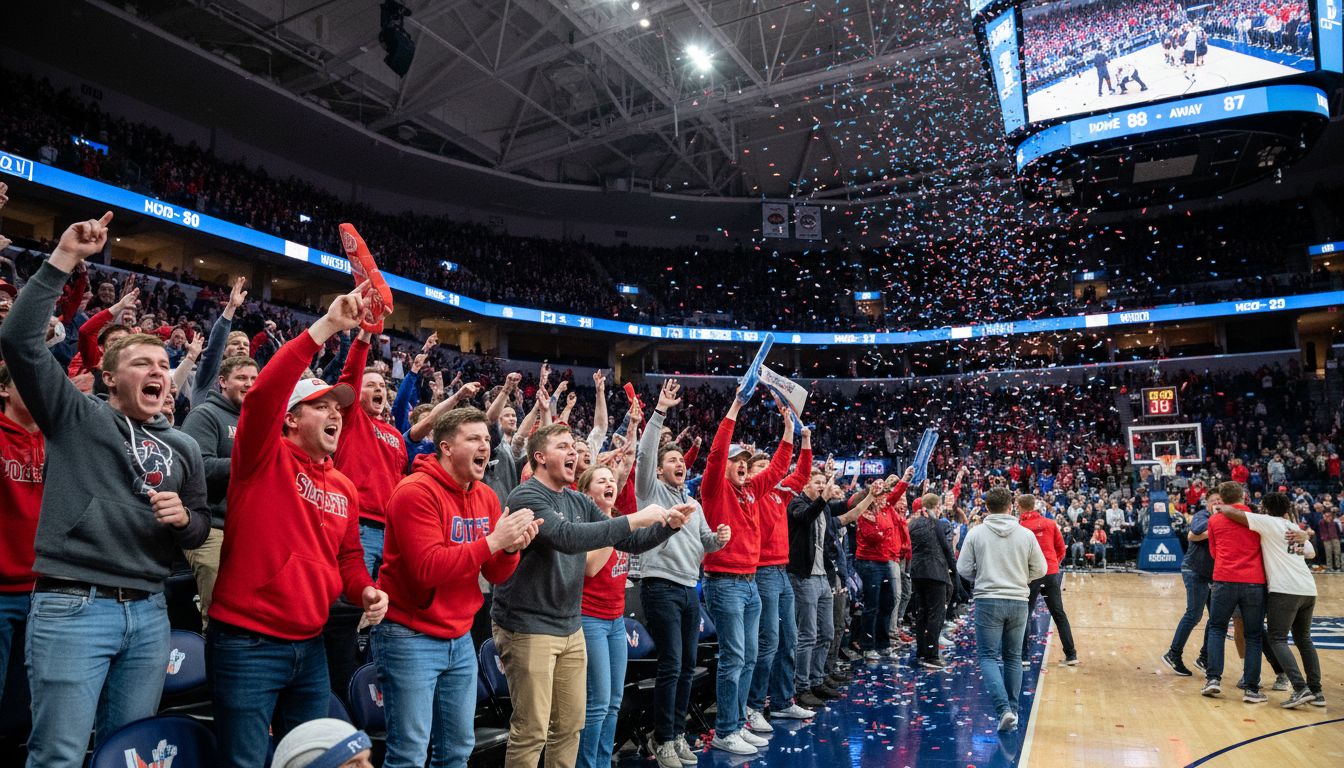
If you’re looking for a riser the original seeding didn’t fully respect, circle St. John’s in thick red ink. The Big East regular‑season and tournament champions came into this thing already scorching, and wins over Northern Iowa and Kansas pushed their stretch to 21 wins in 22 games, with five of those against single‑digit seeds. They looked poised and prepared against a disciplined UNI squad, then survived Kansas’ late charge thanks to a series of clutch plays capped by Darling’s buzzer‑beating game‑winner. That’s the kind of moment that lives in March highlight reels for years, but it also signals something more practical: this group doesn’t blink in tight spots. If you’re reseeding the field based on momentum and composure, the Johnnies belong near the top third of the Sweet 16.
Further down the board, you find teams whose résumés are a little noisier but no less compelling. UConn has looked like itself in every area but one, grinding through Furman and another opponent while shooting just 26.5% from three, well below its season mark of 34.7%. Alex Karaban has carried the perimeter load with eight of the team’s 13 made threes in those two games, but the Huskies will need more shooters to join the party to hit their championship ceiling. Michigan State, the lone No. 3 seed left standing, leaned into its Tom Izzo DNA again, winning around the rim, owning the glass, and grinding out free throws in a physical win over Louisville that was closer than the final eight‑point margin suggests. Those performances don’t always pop in a re‑seeding debate, but they translate in March — and they’re exactly why those programs tend to hang around deep into the bracket.
On the volatility spectrum, Alabama and Arkansas sit firmly in the high‑drama neighborhood. Alabama’s 90‑65 dismantling of Texas Tech — the most points the Red Raiders have allowed since mid‑December — was jarring even if Tech’s defense has slipped since JT Toppin’s injury. The Tide followed a wobbly finish against Hofstra with that outburst, reinforcing their identity as a team whose fate swings wildly with their three‑point shooting. Arkansas, on the other hand, has leaned on pure offensive chaos and the brilliance of Darius Acuff, who remains the kind of singular star who can drag a team all the way to the final Monday if things break right. You can’t count on the Razorbacks to suffocate anyone defensively, but you can count on their games being loud, late and unforgettable.
The back half of this Sweet 16 field is where heart, history and context matter just as much as pure efficiency numbers. Tennessee is back in the second weekend for a fourth straight season, this time riding Ja’Kobi Gillespie’s surge — 23.7 points and 6.3 assists per game over his last three — after squeezing past Virginia and smothering Miami (Ohio). Nebraska finds itself in uncharted territory after winning the program’s first ever NCAA Tournament game, then following it up with a thriller against Vanderbilt that could live on as one of the year’s best contests. Iowa, a No. 9 seed on Selection Sunday, now feels much more like a middle‑of‑the‑bracket team after out‑executing the defending national champions on what was essentially a road floor in Tampa. And then there’s Texas, one of the last at‑large bids in, which stacked three gritty wins in five days — including nail‑biters against NC State, BYU and Gonzaga short-handed — without doing quite enough to vault over the hotter, higher‑ceiling teams ahead of them.