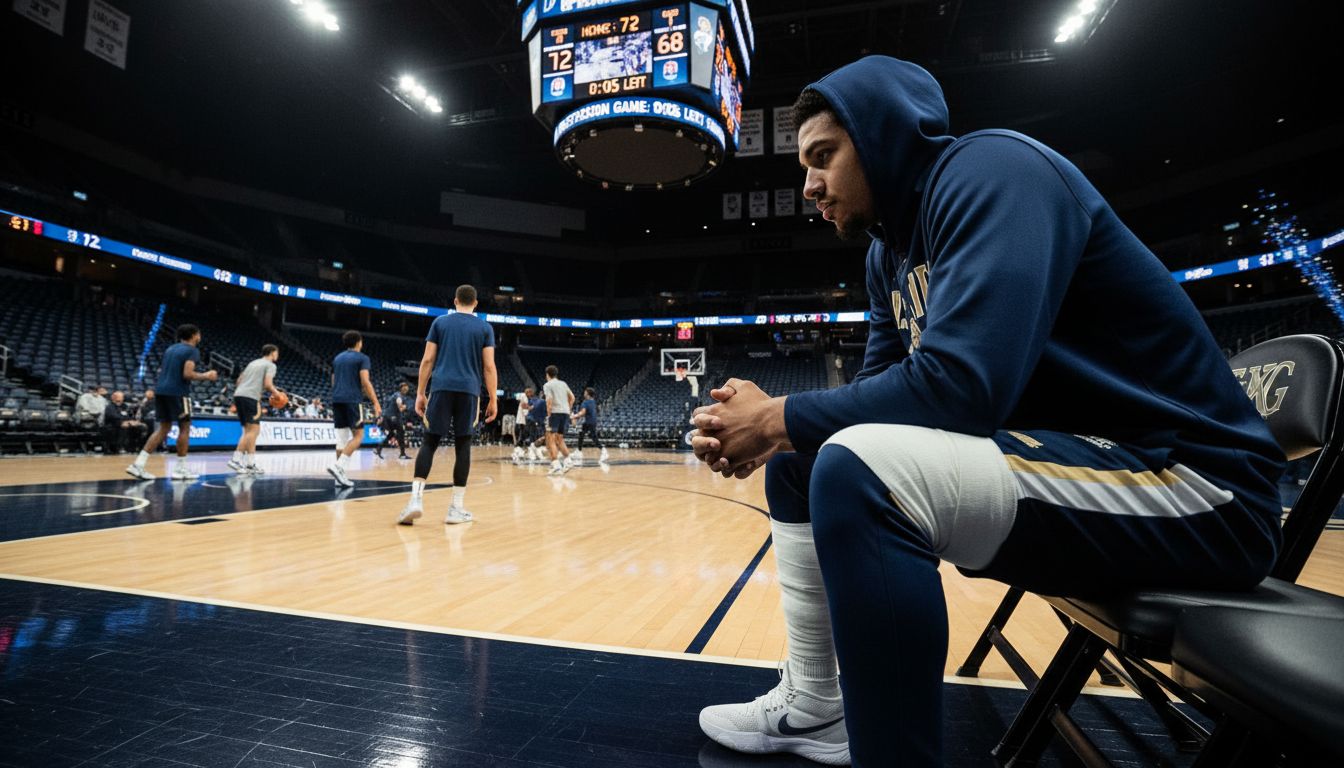
Every March, we fall in love with the bracket on paper, and every March the game reminds us that ink doesn’t rebound, defend or play through pain. This year’s NCAA Tournament is already bruised before the opening tip, with star after star sidelined in a way we almost never see. Four 18-plus point-per-game scorers are set to miss their first-round games, and that’s not even counting key role players and emotional leaders scattered across the field. The story of this Big Dance won’t just be who cuts down the nets, but who can survive the war of attrition long enough to get to that ladder. As someone who lives for March Madness drama, I’ll be honest: this year, the training room might be as important as the playbook.
Start with Louisville’s Mikel Brown Jr., the paint-touch engine of a Cardinals offense that looks a little different to the eye than it does in the spreadsheet. The analytics say Louisville’s net rating is actually slightly better without him against top-100 teams, but anyone who has watched them knows Brown changes the geometry of the floor. With him, the Cards generate the same number of open threes, but they hit them at a 42% clip instead of 36%, because his dribble penetration forces defenses to collapse. Without Brown, expect Isaac McKneely and Adrian Wooley to shoulder more usage, but they’ll have to work harder to find the same rhythm and shot quality. Louisville has proven it can win without him, yet in a one-and-done setting, losing your best creator is like heading to the airport with your ID in another city: technically you can improvise, but you’re asking for chaos.
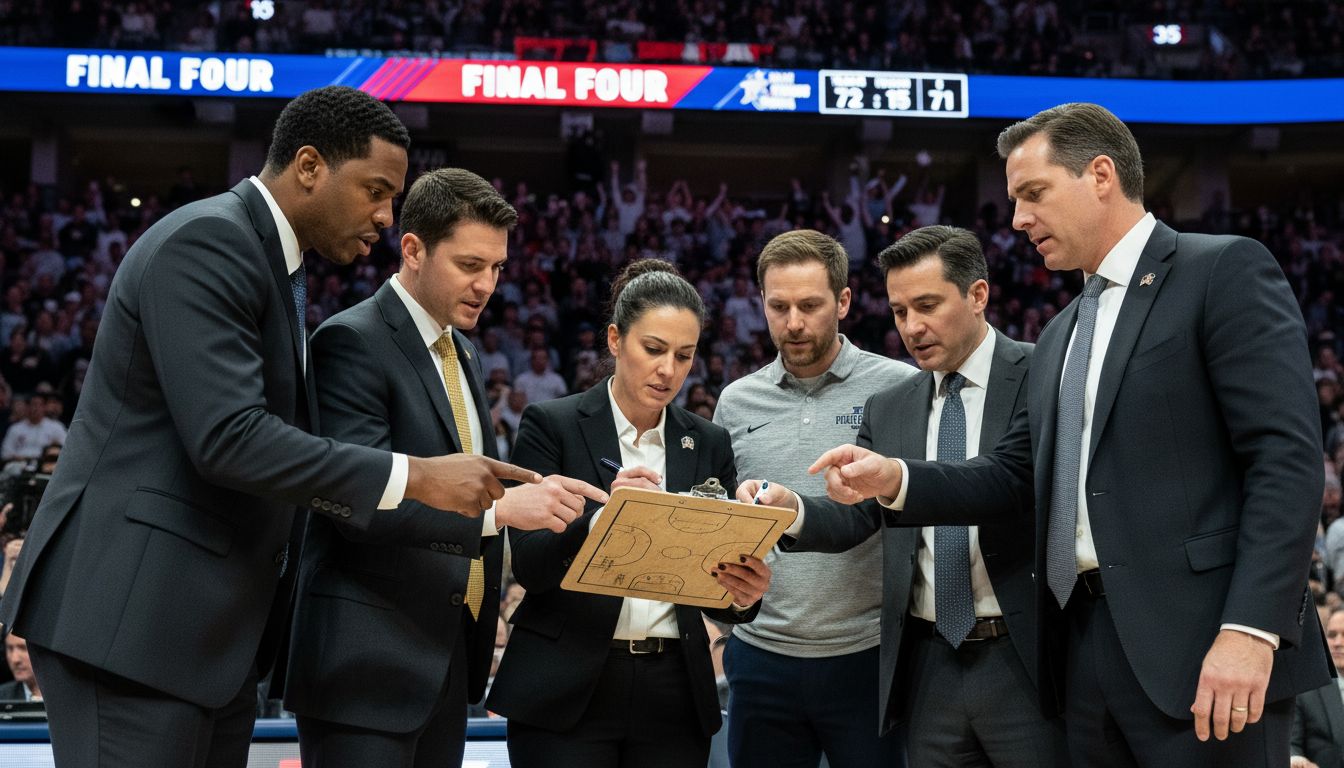
Duke’s situation is a different kind of storm, more about depth and timing than a single superstar going down. Patrick Ngongba’s foot injury leaves the Blue Devils without their best back-line anchor, even though backup Maliq Brown just won ACC Defensive Player of the Year. The numbers are blunt: top-100 opponents shoot around 52% at the rim with Ngongba on the floor and 60% when he sits, a massive swing in a paint-driven tournament. On top of that, point guard Caleb Foster’s broken foot yanks a steady 40% three-point shooter and decision-maker out of the lineup, forcing freshman Cayden Boozer into a full-time command role. Boozer already proved in the ACC title game he can handle 40 minutes of pressure, but you can bet defenses will keep going under screens until he proves he can beat them from deep in back-to-back big moments.
Then there’s Texas Tech, a team that went from balanced contender to live-or-die flamethrower after JT Toppin’s season-ending knee injury. Toppin was tracking toward Big 12 Player of the Year and All-America status, the kind of inside-out presence that lets guards play free and fearless. Without him, the Red Raiders have cranked their three-point rate up over 51%, essentially turning every game into a math contest from the arc. Christian Anderson now carries the dual burden of primary scorer and creator, while shooters like Donovan Atwell, Jaylen Petty and Tyeree Bryan have to be near-automatic to offset the defensive and turnover issues that grew in Toppin’s absence. If those jumpers are falling, Texas Tech can beat almost anyone; if not, it’s a quick exit, the harsh reality when your safety valve is watching in street clothes.
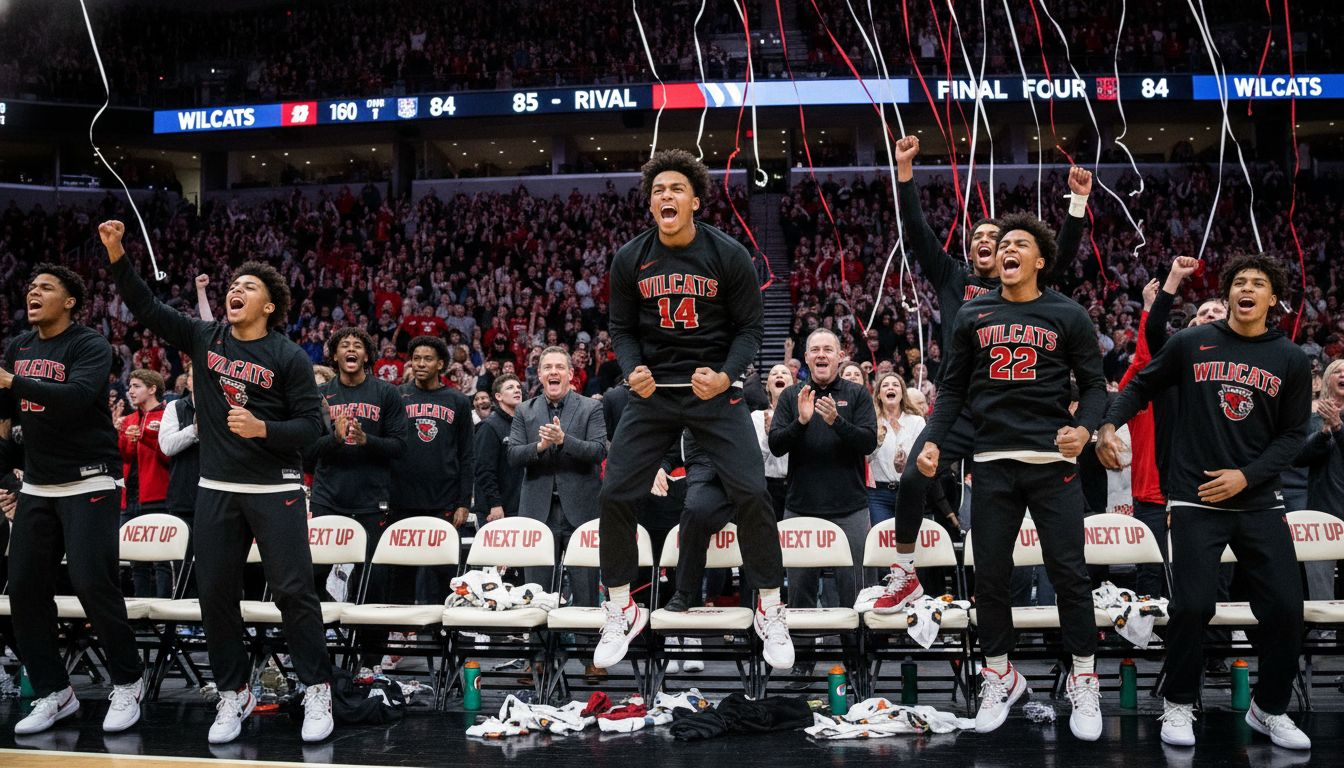
BYU is dealing with a different kind of loss in Richie Saunders, who wasn’t just an 18-point scorer but the emotional heartbeat of the program. He’s one of the rare seniors in today’s portal era who stayed at one school, and his late-season knee injury forced the Cougars to redraw their entire offensive map. Now, almost everything runs through AJ Dybantsa and Rob Wright, who have finished an eye-popping 86% of BYU’s pick-and-roll possessions over the last 10 games. That level of usage puts enormous mental and physical strain on two players, especially without Saunders’ gravity as a shooter, cutter and offensive rebounder to ease pressure. BYU still has enough talent to scare people, but if they don’t see the second weekend, it’ll be hard not to circle Saunders’ absence as the hinge point.
North Carolina might be feeling the single biggest gut punch in the field with Caleb Wilson’s broken thumb knocking him out of the Tournament. Wilson was the Tar Heels’ best overall player, their hustle engine and their answer when offensive possessions broke down late in the clock. Without him, bigger forwards have punished UNC, and the team has lost that "force multiplier" who vacuumed up offensive boards and turned broken plays into back-breaking points. Henri Veesaar has picked up his production in Wilson’s absence, but the margin for error is razor-thin with a tricky first-round matchup against VCU and a potential second-round shootout with Illinois looming. In March, having that one player who can manufacture extra possessions often separates heartbreak from history, and UNC just lost that piece.
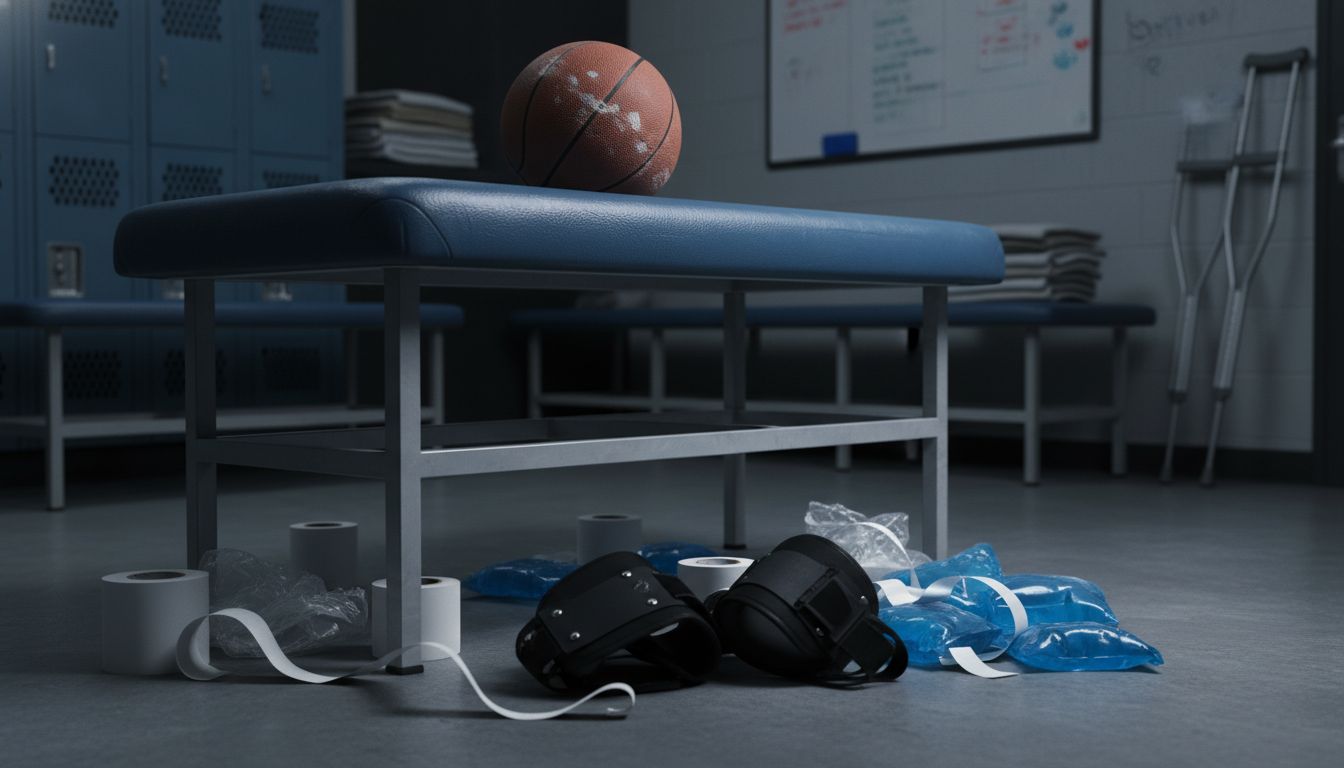
Zooming out, several other contenders are walking into the Big Dance with noticeable limps rather than springs in their step. Michigan lost one of the nation’s best backup point guards in Cason to a torn ACL, placing nearly all the ball-handling responsibility into Elliot Cadeau’s hands and pushing more late-clock post-ups for Aday Mara when Cadeau needs a breather. Villanova’s offense is ten points per 100 possessions worse without Matt Hodge, a do-everything forward whose shooting, rebounding and decision-making were glue for a tough first-round clash with Utah State. Wisconsin expects 7-footer Nolan Winter back from an ankle injury, and his cutting and offensive feel will be crucial if the Badgers want to handle High Point’s front line and then possibly upset an athletic Arkansas squad. On the flip side, programs like Kansas and UCLA are exhaling a bit, with Kansas star Darryn Peterson past his cramping issues and UCLA’s Donovan Dent and Tyler Bilodeau trending toward full strength right when it matters most.
Injuries are part of sports, but the concentration of high-usage guards, versatile bigs and emotional leaders sidelined this March is unusual and reshapes the bracket in subtle and not-so-subtle ways. It opens doors for underdogs, rewards coaching staffs that can quickly retool rotations and systems, and demands that role players step into lights they didn’t expect to see this soon. It also reminds us how thin the line is between a preseason "Final Four or bust" narrative and a team trying to manufacture an upset just to stay another 40 minutes. From a fan’s perspective, you can root for the chaos of upsets and still feel for the players who put in months of work only to watch their biggest stage from the bench. As the ball tips on the 2026 Tournament, remember: the story of March isn’t just who’s healthy enough to play, but who can reinvent themselves fastest when the game – and the roster – suddenly changes.