
If you’re reading this from an office pool in Lexington or a church foyer somewhere between Pikeville and Paducah, you already know: this week is our High Holy Days. The 2026 NCAA Tournament bracket is out, the printer ink is running low, and the only thing more overused than the word 'upset' is the phrase 'this is the year my bracket doesn’t bust.' The numbers folks have stacked up a mountain of stats again, and they’re useful – if you know how to read them and when to ignore them. What I want to do here is walk you through the most telling trends without putting you to sleep, then talk about how a sensible fan – yes, even one baptized in Kentucky blue – can balance data with common sense. Consider this your March Madness sermon: we’ll read the analytics, but we won’t worship them.
Start with the big picture: this is the 87th NCAA Tournament, and we’ve already seen 3,770 tournament games, which means history holds court against any analyst. Thirty-seven programs have cut down the nets, and 17 of the 68 teams dancing this year already have at least one national title to their name, from bluebloods like UCLA, North Carolina, Kentucky, Duke and Kansas to programs like Arizona, Villanova and Virginia. At the same time, you’ve got proud programs still chasing that first banner: Houston, Purdue, Iowa State, Gonzaga and Illinois are all high seeds with zero national titles, reminding us that a high seed doesn't automatically confer royalty. The ACC sits atop the modern era with 11 national championships since the field went to 64, the Big East right behind with 10, and the Big Ten still trying to turn its regular-season heft into more rings. If you’re looking for a theme, it’s this: brand names matter, but recent hardware matters more, and history tends to favor programs that combine both, suggesting that successful pedigrees intertwined with current form hold a particular edge.
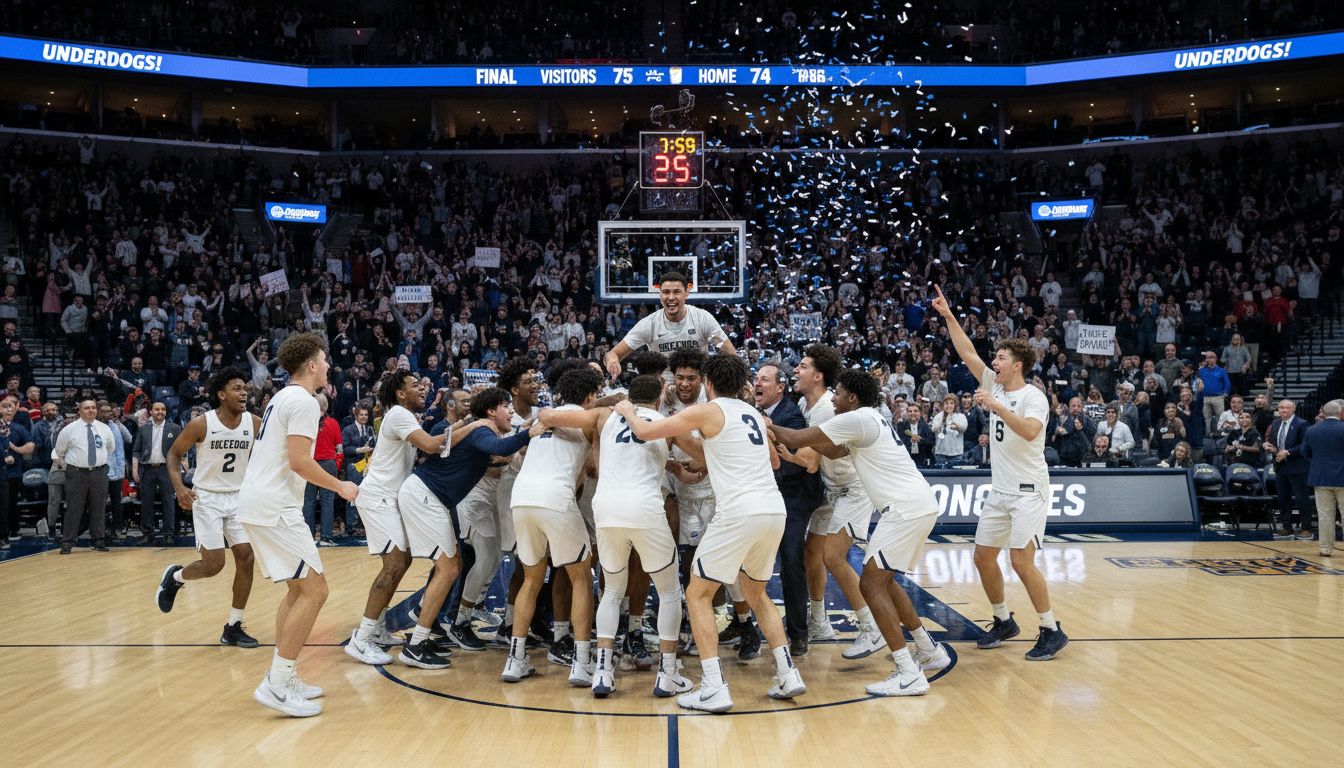
Now, the analytics crowd will tell you to start with efficiency, and on this point, they’re not wrong. If you want to spot a real title threat, look for teams that pair a top-30 per-possession defense with at least one guard or wing projected as an NBA draft pick in the borderline first-round range or better. That combo has been a common thread in recent champions like UConn and Florida, who didn’t just score, they squeezed the life out of you on the other end. Duke enters this tournament as the No. 1 overall seed with 16 wins over teams in the field and the shortest betting odds at around +300, while Michigan and Arizona are right behind them by both computer models and bracket picks. But tucked into all that is a cautionary tale: since the committee started designating a No. 1 overall in 2004, only four of those teams – Florida in 2007, Kentucky in 2012, Louisville in 2013 and UConn in 2024 – have actually finished the job, underscoring that being top dog is more a starting block than a guarantee.
If you’re one of those fans who loves to circle sleepers, there’s plenty of ammunition this year. For starters, a 5-seed or lower has reached the Final Four in all but one tournament since 2013, with last season as the rare chalky exception, and every seed from 1 through 11 has produced at least one Final Four team over the years. Double-digit seeds are not decorations: 11-seeds are 31-29 in first-round games since 2010, and No. 10 seeds are actually more likely to reach the Sweet 16 than 8s or 9s, partly because of how often those 8-9 winners run into buzzsaw 1-seeds. Historically, No. 12s and 13s are the backbone of bracket chaos, with 12-seeds owning 55 wins over 5-seeds since 1985 and 13-seeds knocking off 4s in 10 of the past 15 tournaments, including years when metrics claimed it 'shouldn't' happen. If you’re filling out your sheet in pen, at least one 11, one 12 and one 13 should be advancing in ink, not as a last-second impulse. Such calculated chaos offers the delightful unpredictability we’ve come to expect.
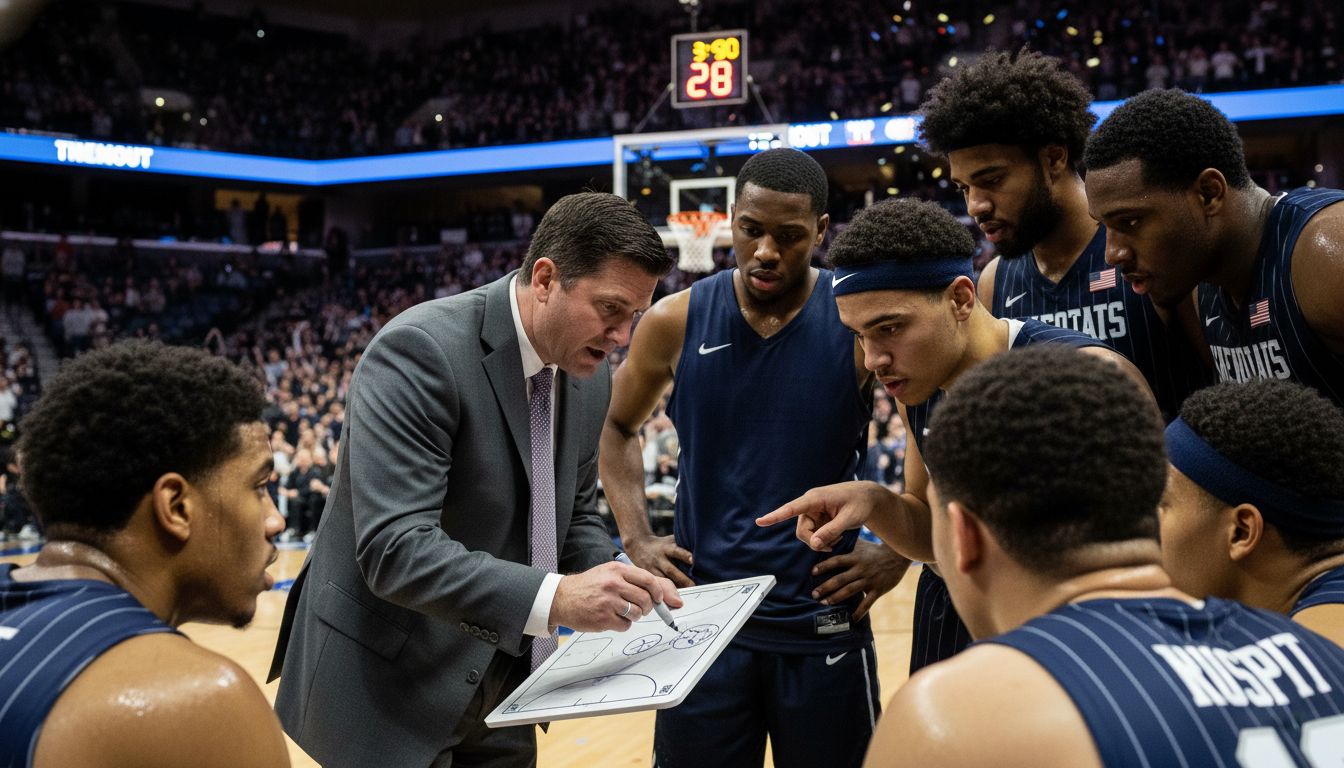
The opening Thursday has its own little tradition now: for 13 straight years, at least one No. 11 seed or worse has won in the first eight tip-offs of the tournament. That means teams like Troy, South Florida, High Point, Siena, McNeese, North Dakota State, and Hawaii are not just names at the bottom of your bracket; they’re history’s favorite troublemakers in that first TV window. We’ve also seen that 7-seeds or worse have reached the Elite Eight in 12 of the past 14 tournaments, so there’s usually someone wearing a higher number on their chest still playing deep into the second weekend. On the flip side, recent champions almost always start from near the top: a top-three seed has won the national title in 24 of the past 26 tournaments, with only 2014 UConn as a 7 and 2023 UConn as a 4 breaking that pattern. That tension – early chaos at the edges, steady power at the top – is the ecosystem that makes March Madness feel both wild and oddly predictable. It’s a testament to the balancing act that teams and brackets symbolize.
Seeding history also warns you not to fall completely in love with the top lines. Since seeding began, No. 1 seeds have reached the Final Four 66 times and won 27 titles, more than all the other seeds combined, but they’ve been shut out of the Final Four altogether in years like 2006, 2011 and 2023. All four No. 1s have made the Final Four only twice, in 2008 and 2025, and the odds of that happening this season sit at roughly 73-to-1, shorter than last year but still long enough to make penciling it in feel more like wishful thinking than strategy. Meanwhile, all four 2-seeds have reached the Sweet 16 only six times since 1985, most recently in 2024 and 2025, a reminder that at least one shiny resume usually stumbles early. Put simply, if your bracket has every top-four seed cruising through the first round and most of them gliding to the Sweet 16, you’re predicting something that has only happened a handful of times in four decades.

One of the most useful filters for weeding out paper tigers is how a team closed the season and how it handled its conference tournament. No team has ever lost its first conference tournament game and then gone on to win the national title, which should make you think twice about hitching your wagon to higher seeds like Illinois, Michigan State, Nebraska or Alabama, all of whom went one-and-done in league play this year. Every national champion since 1985 has at least reached the semifinals of its league tournament, and 15 of the past 27 champs actually won their conference tourney before winning it all. There’s no guarantee baked into that, but when you’re splitting hairs between elite teams, backing groups that played their best ball in March – not plateaued in February – is a sound strategy. That’s less about advanced math and more about an old-fashioned idea Big Blue Nation understands well: momentum matters when the stakes rise. The ascent needs to peak in April, not earlier.
The mid-majors and smaller leagues bring their own wrinkles, and ignoring them is how you end up in last place at work behind the intern who picked based on mascots. The Big South, for instance, is just 1-38 all-time in the NCAA Tournament, with Winthrop owning the league’s lone win, yet league champion High Point arrives this year as a 12-seed riding a 14-game winning streak and averaging north of 80 points per night. Queens and Cal Baptist are making their NCAA debuts, pushing the total number of schools that have ever danced to 338, while a program like Akron comes in 0-for-8 historically but is a trendy 12-over-5 upset pick this time around. We’ve also seen only four 20-point upsets against the spread since 1985, so while big underdogs like Kennesaw State, Penn, Siena, Idaho, LIU, Tennessee State, Queens, Furman, and Howard will tempt gamblers, history says only one or two of those mega-lines ever truly explode. Picking against the spread and picking straight winners are two different games, and smart bracket players know not to confuse the drama Vegas wants with the probabilities the tournament usually follows. That subtlety is key to bracketology mastery.
Beyond the teams, the coaches and conferences shape the bracket’s personality every year. Rick Barnes will be making his 30th NCAA appearance, with a 33-29 record that proves how hard it is to string tournament wins together even for a veteran, while Tom Izzo’s .735 winning percentage in the second round and Elite Eight shows how dangerous Michigan State becomes on short turnarounds. Kelvin Sampson’s Houston program has booked six straight Sweet 16s and seven overall Final Fours without yet winning the title, sitting in that uncomfortable space between perennial threat and unfinished story. Rick Pitino extends his record with a sixth different school in the NCAA Tournament, and a wave of first-year head coaches – 13 of them – have already earned their way in, tying a modern record and reminding us how fast a program’s trajectory can change with the right hire. When you combine that coaching pedigree with a field where 40 different teams are averaging 80-plus points, you get a tournament that promises pace, variety and just enough late-game madness to live up to its name.
So how does an everyday fan sort through nine quintillion possible bracket outcomes without losing their mind or their lunch money? First, respect the numbers but don’t bow to them: lean toward top-three seeds for your champion, favor teams with top-tier defenses and NBA-caliber guards, and reward programs that finished strong in league play. Second, build in the chaos where history tells you it lives – 10s, 11s, 12s, and 13s in that first weekend – instead of forcing upsets in spots where the odds are stacked against you. Third, remember that while the computers love teams like Duke, Michigan, Arizona, and Houston, there’s always room for a seasoned group from a power league or a fearless mid-major to make a second-weekend cameo. In Kentucky, we like to say that basketball is religion and March is revival season; fill out your bracket with clear eyes, steady hands and just enough faith in the underdog to make the ride worth taking.