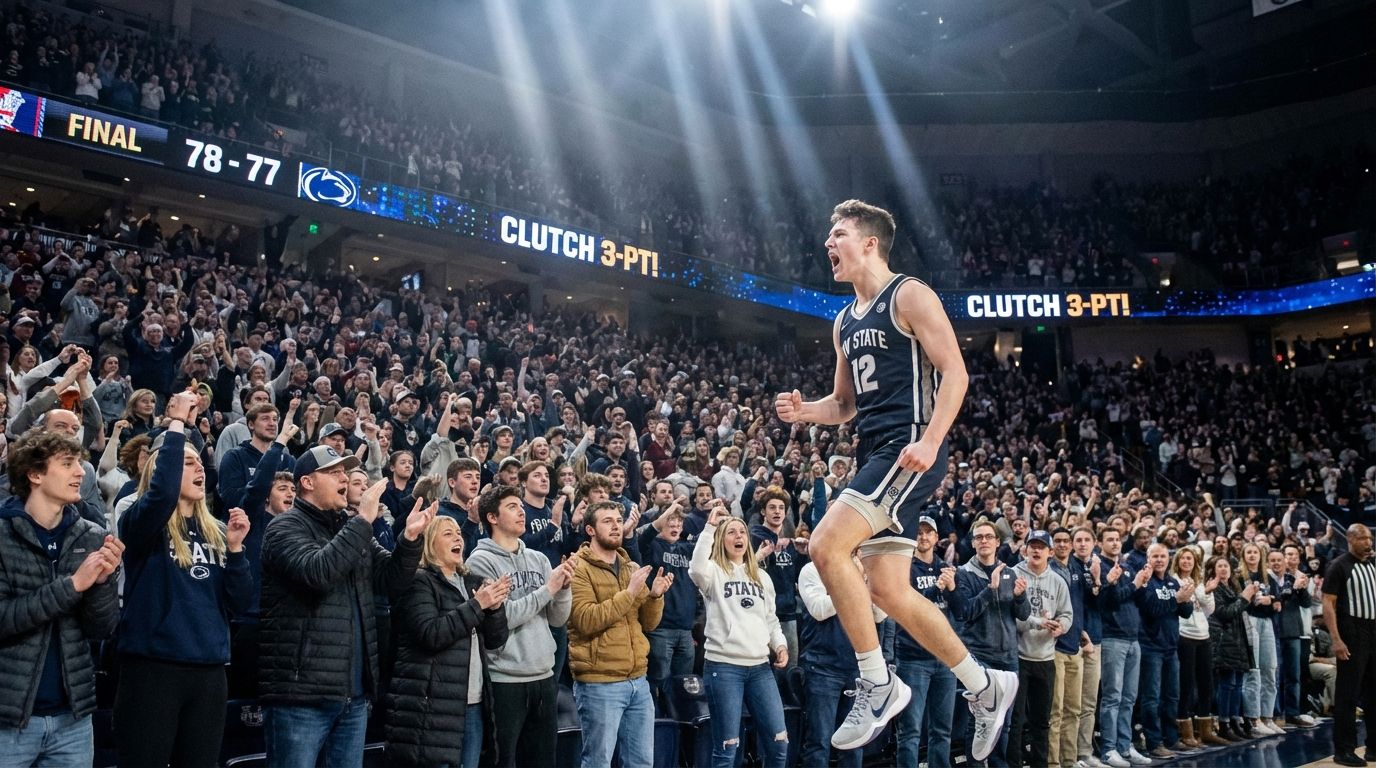
Every year somebody in college basketball swears, "This freshman class is different." Most years, that’s just recruiting talk and message-board optimism. This year, it’s the truth, and the numbers are screaming it. Cameron Boozer, AJ Dybantsa, Caleb Wilson, Keaton Wagler, Darryn Peterson — the kids didn’t just crash the party; they took the keys, changed the playlist, and left the vets standing in the corner. Thirteen freshmen in a midseason top‑50 is not a blip; it’s a full-on power shift.
What ESPN framed as a ranking exercise is really a referendum on who runs the sport right now. Look at the top of the board: Boozer at No. 1, Dybantsa at No. 2, Wilson at No. 4, and a wave of first‑year guards playing like they’ve been on campus for four seasons. That’s not about hype; that’s about production under pressure. You don’t drop 43 in a rivalry game like Dybantsa or 46 at Purdue like Illinois’ Keaton Wagler without a certain mentality. That’s not just talent — that’s wiring, and wiring is what separates stat guys from bus drivers in March.
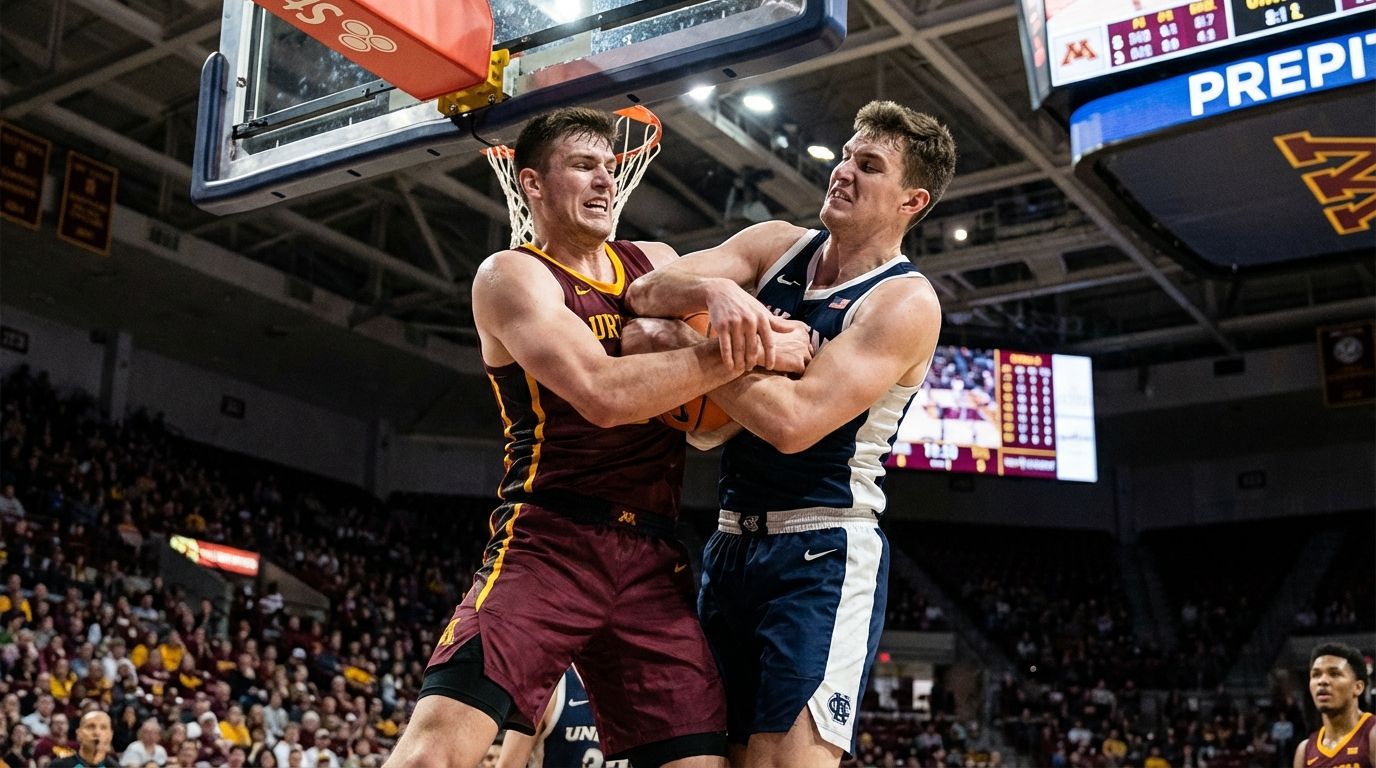
In the Big Ten, you can feel that wiring changing the balance of power in real time. Wagler was supposed to be a nice piece for Illinois; instead, he walked into Mackey Arena and turned one of the toughest gyms in America into his personal shooting lab, going 13-for-17 and nearly flawless from the line and the arc. Bruce Thornton has dragged Ohio State back toward relevance with 20 a night and ruthless efficiency. Joshua Jefferson has remade himself at Iowa State after starting at Saint Mary’s, looking like the most complete forward in the country, while Michigan and Northwestern are riding two very different kinds of stars in Yaxel Lendeborg and 7‑6 sharpshooter Nick Martinelli. Even on struggling rosters, guys like Martinelli are showing that one elite matchup problem can keep you on TV and in every scouting report.
Here’s the thing the list hints at but doesn’t say out loud: it’s no longer enough to be productive; you have to be portable. Look at how many of these top‑50 guys are transfers or players who changed situations — Lendeborg at Michigan, Veesaar at North Carolina, Hall at Auburn, Jefferson in Ames. They didn’t just put up numbers; they proved they could walk into a new locker room, a new system, a new set of expectations, and still run toward the smoke. That kind of adaptability is the new currency in college hoops, especially in leagues like the Big Ten where rosters flip every spring. If you can’t bring your game with you, the portal will expose you.
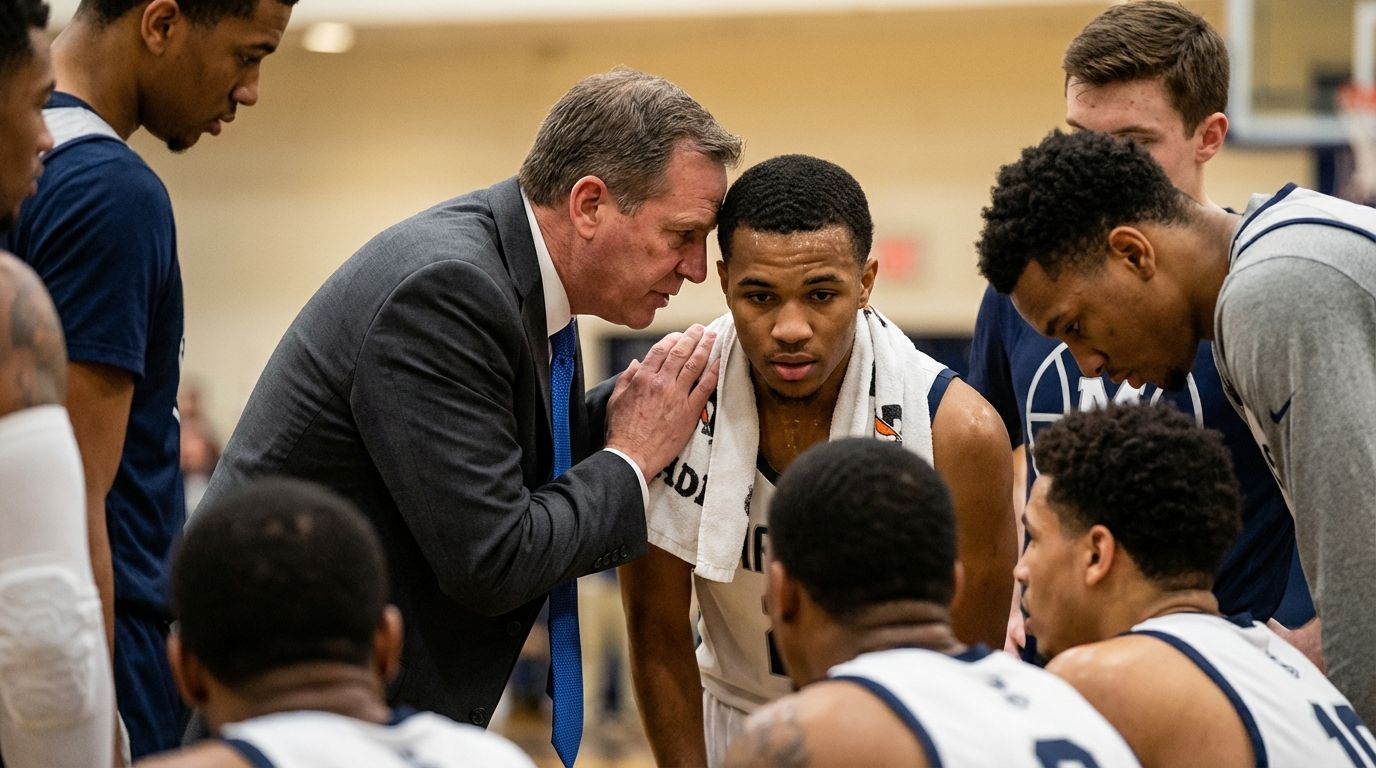
Freshmen, meanwhile, are skipping the learning curve like it’s optional. Wilson already looks like the grown-up in North Carolina’s huddle, Boozer is leading the nation in scoring for a top‑five Duke team, and Dybantsa has turned BYU’s free‑flowing system into his own showcase. In Big Ten country, Wagler and Michigan State point guard Jeremy Fears Jr. are the prototypes: fearless, aggressively skilled, and unbothered by the mythology of the buildings they’re walking into. You don’t see a lot of "I’m just happy to be here" in this class. You see, "Give me the ball and get out of the way."
That’s where the conversation about "championship DNA" gets interesting. A lot of coaches love to preach culture and toughness, but this midseason ranking exposes who is actually putting the ball in the hands of killers when it matters. Illinois letting Wagler be himself, Purdue sticking with Braden Smith as a high-usage playmaker after early-season criticism, Michigan State turning the keys to Fears — those are leadership decisions as much as tactical ones. The best programs aren’t babysitting young talent; they’re handing it responsibility and demanding results. Accountability isn’t a slogan on a wall; it’s who you trust with the last four minutes.
There’s also a brutal honesty baked into this list that veterans around the Big Ten and beyond should pay attention to. Preseason darlings who didn’t produce? They’re gone. UCLA’s Donovan Dent, NC State’s Darrion Williams, Florida’s Alex Condon — big names who got left off because the film and the stat sheet didn’t match the hype. In an era where everyone has a mixtape, midseason is when the sport quietly separates the workers from the followers.
If you zoom out, the message is simple: college basketball has become a prove‑it league at warp speed. Freshmen are walking in ready to lead, transfers are expected to deliver immediately, and systems have to bend toward their best players or get run over. For the Big Ten, that means the days of slowly grooming upper‑class stars are fading; you either empower your Waglers, Thorntons, Jeffersons and Fears types early, or you watch someone else’s freshman hang 30 on you in your own building. Respect isn’t inherited anymore; it’s earned possession by possession, and this top‑50 makes it very clear who’s doing the earning. Everybody else? They’re just box scores on the wrong side of somebody else’s breakout night.