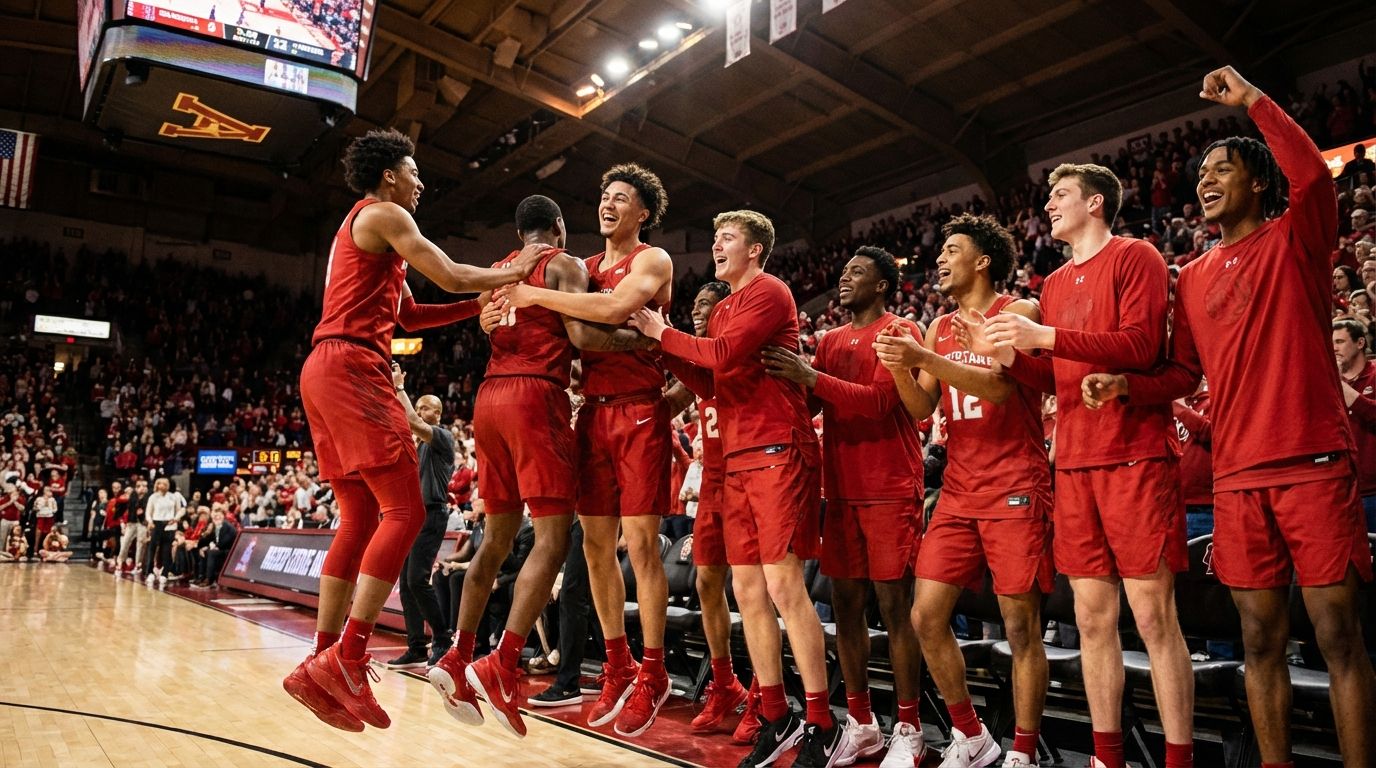
Nebraska sitting at No. 11 in the latest Coaches Poll is more than a cute early‑season storyline; it’s the product of sustained, culture‑driven winning that now stretches across seasons. An 18‑game win streak that began with last year’s College Basketball Crown title over UCF has turned into the longest run in the country and the longest in program history. That matters in a locker room because players start to expect to win, not just hope to, and that expectation changes how you practice, how you travel, and even how you handle film sessions after a bad half. When you stack that mentality on top of actual résumé wins — Michigan State, Illinois, Kansas State, Oklahoma — you move from feel‑good to legitimate Final Four conversation. Poll voters aren’t just reacting to scores; they’re responding to what looks like a sustainable identity taking shape in Lincoln.
The win over previously No. 9 Michigan State is the headliner, but what jumps out to me is how Nebraska has consistently handled very different styles of play from multiple conferences. Beating Illinois in the Big Ten grind, then taking out Kansas State from the Big 12 and Oklahoma out of the SEC, tells you this group is portable — their game travels. Coaches love that, because March isn’t about who you are in your home arena; it’s about who you are in a random building on a neutral floor when your legs are tired and your season is on the line. That cross‑conference success also gives players a quiet confidence: they’ve already seen length, physicality, and tempo variations that resemble what they’ll face in the NCAA Tournament. You can feel the shift from, “Can we belong?” to, “We’ve already beaten teams built like this.”
From a player‑empowerment standpoint, an 18‑game win streak usually means the guys in the locker room are being trusted with real ownership of the program’s daily habits. You don’t stay undefeated across that many scouting reports unless leaders in that room are holding each other accountable before the coaches even step in. That can look like veterans pulling a young guard aside after film to walk through a coverage, or a captain calling out lazy closeouts in practice before the staff has to stop the drill. The best coaches in streak situations are the ones who understand when to loosen the reins a bit and let players drive standards, especially around recovery, mental reset days, and honest conversations after close calls. Nebraska’s rise in the poll is a scoreboard for fans, but inside that building it’s really a scoreboard for how much trust exists between players and staff right now.
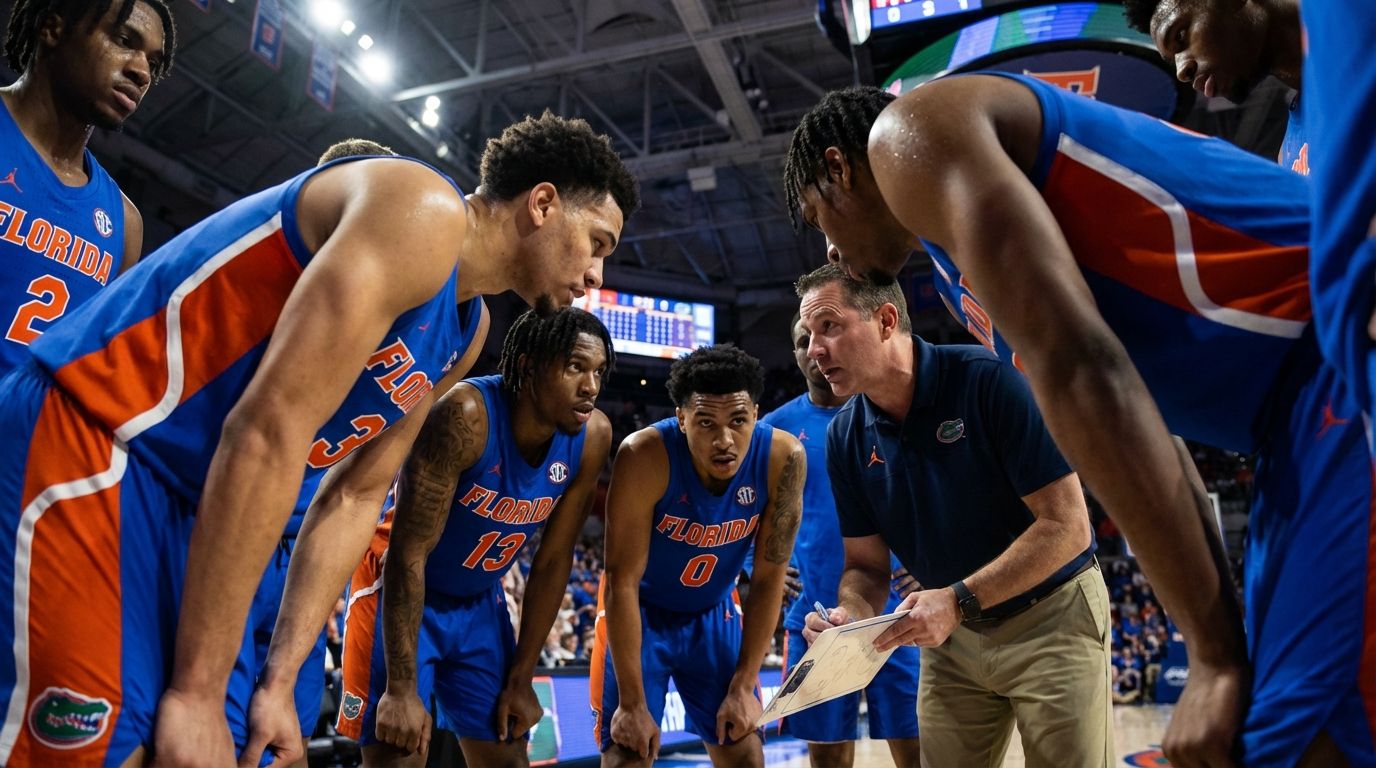
While Nebraska is rising, Florida’s fall out of the Coaches Poll is a reminder of how thin the margin can be at the top of college basketball. Last season’s national champion is now sitting at 9–5 after a 76–74 loss to Missouri, already one loss worse than their entire title run. To the outside world, that reads like a hangover; inside a defending champ’s locker room, it often feels more like emotional jet lag than laziness. You spent a whole offseason being told how great you are, doing media, hearing about your NBA chances, and then suddenly everybody expects you to flip the switch back to “humble grinder” overnight. That transition is hard on young men still figuring out who they are beyond basketball, and when that identity is wobbly, so is your late‑game execution.
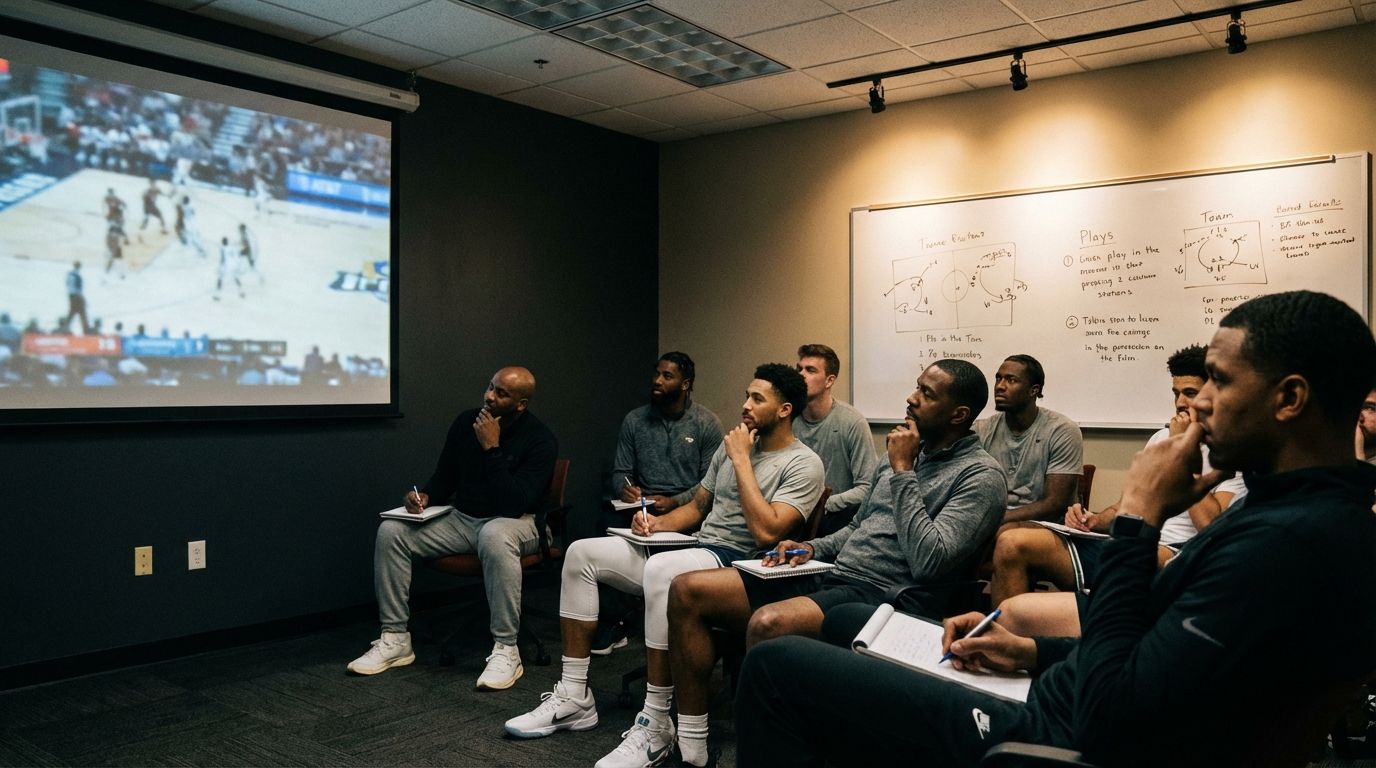
Falling out of the poll stings, but Florida’s situation isn’t hopeless; they’ve got ranked SEC opponents in Georgia and Tennessee up next, and those games can reset a season fast. In film rooms after a loss like Missouri, the mood is usually split: half the roster is angry, the other half is quiet and searching for answers. This is where player‑centric leadership matters more than any whiteboard adjustment — someone in that locker room has to say, “We’re not our ranking, we’re our habits,” and then back it up with how they practice and prepare. Coaches will tighten rotations, shorten scout messages, and lean on what they know travels: defending without fouling, rebounding, and valuing the ball in late‑clock situations. If Florida can turn the ranking drop into fuel rather than identity, the SEC schedule gives them enough opportunities to rebuild both their résumé and their belief.
Rankings themselves are a funny thing for players; you say they don’t matter, but you still check your phone when the new poll drops. For Nebraska, climbing to No. 11 validates what they’ve felt in‑house since that postseason run against UCF — that this isn’t a fluke, it’s who they are now. For Florida, disappearing from the list is a gut check: are we still the group that cut down the nets, or have we been living off last season’s story? As a moderate on most of these debates, I see polls less as a verdict and more as feedback — they capture how consistent you’ve been, not necessarily how good you’ll be in March. The real danger is when players start chasing poll respect instead of possession‑by‑possession improvement, because one bad week can flip the narrative overnight.
Both programs are also living in an era where player empowerment is changing how these swings feel internally. At Nebraska, empowered players likely have more voice in rest, mental health days, and individual skill work, which helps sustain long streaks without burning out. At Florida, empowerment has to look like honest space for guys to admit, “Yeah, last year’s run still lives in my head,” so the staff can support them with sports‑psych resources and realistic role conversations. When athletes know their long‑term welfare and second‑career futures are part of the plan, it’s easier to ride out a slump without panicking about what a drop in points per game does to their draft stock. Polls come and go, but a program that consistently treats players as partners rather than replaceable parts usually weathers both success and struggle with less drama.
There’s also a mental health layer people don’t see when they scan the rankings ticker at the bottom of the screen. Nebraska’s guys are navigating the pressure of protecting a streak every night, knowing that one off‑shooting game can become tomorrow’s headline. Florida’s roster is feeling the opposite weight — hearing that last year’s banner might have been a one‑year wonder and wondering how that shapes their legacy. Neither of those dynamics is simple for 18‑ to 22‑year‑olds, many of whom are also managing class, family expectations, and the constant noise of social media. The healthiest programs build in routines — check‑ins with sports psychologists, veteran‑led team dinners, open‑door policies — that give players places to process all of that away from the cameras.
As the season marches on, Nebraska will be tested on whether its identity holds when a bad week inevitably comes, and Florida will be tested on whether it can rediscover a new identity instead of replaying last year’s story on loop. For Nebraska, that means staying connected to the habits that built the 18‑game streak rather than the hype that streak has created. For Florida, that might mean redefining success from, “We’re the defending champs,” to, “We’re the group that responded when things got hard.” Polls will record the wins and losses, but the more important scoreboard is what these rosters learn about accountability, trust, and life beyond the box score. And if there’s one thing both fan bases can bank on, it’s this: the teams that center players as whole people — not just producers — are usually the ones playing their best ball when it matters most.