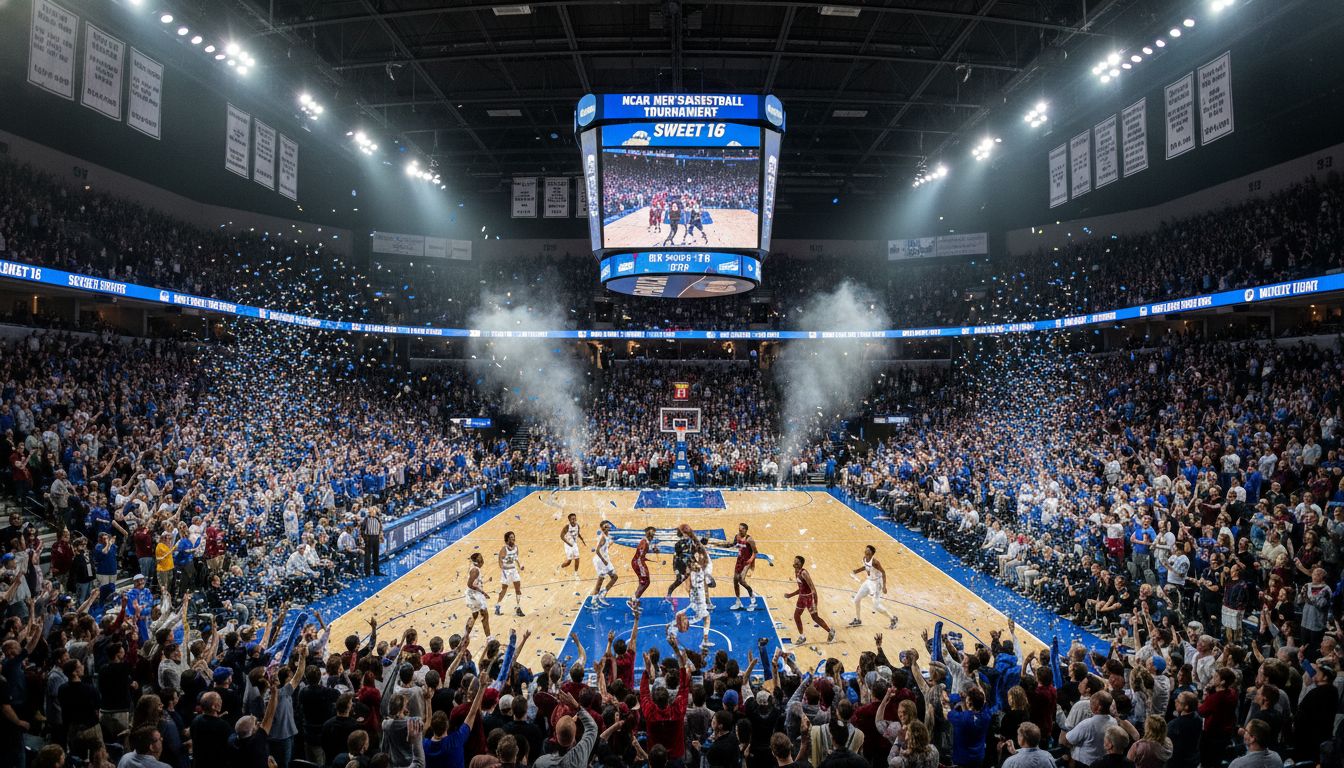
Every March, the sport tries to convince us that the bracket is all that matters, that it’s just numbers on a page and seeds on a line. But if you’ve spent enough nights in small gyms west of the Rockies, you know the tournament is really about people and the strange, winding paths that bring them to this three-week pressure cooker.
The 2026 men’s field is overloaded with headliners – from Cameron Boozer at Duke to AJ Dybantsa at BYU – yet what makes this particular March feel rich is how many different ways there are to be great right now. You’ve got bluebloods trying to protect their empires, transfer-happy veterans holding mid-majors together, and a few programs still swinging away at the glass ceiling.
Viewed from a West Coast, small-school perch, this year looks less like a strict hierarchy and more like a crowded mountain range: plenty of peaks, and not all of them where the TV folks expected.
Start with the obvious: Cameron Boozer has been the dominant force in college hoops this season, leading top-seeded Duke in points, rebounds, and assists while looking every bit the future national player of the year. Beside him, Isaiah Evans has doubled his scoring and turned into a mismatch nightmare, the classic Duke wing who suddenly looks a lot scarier in March than he did in November.
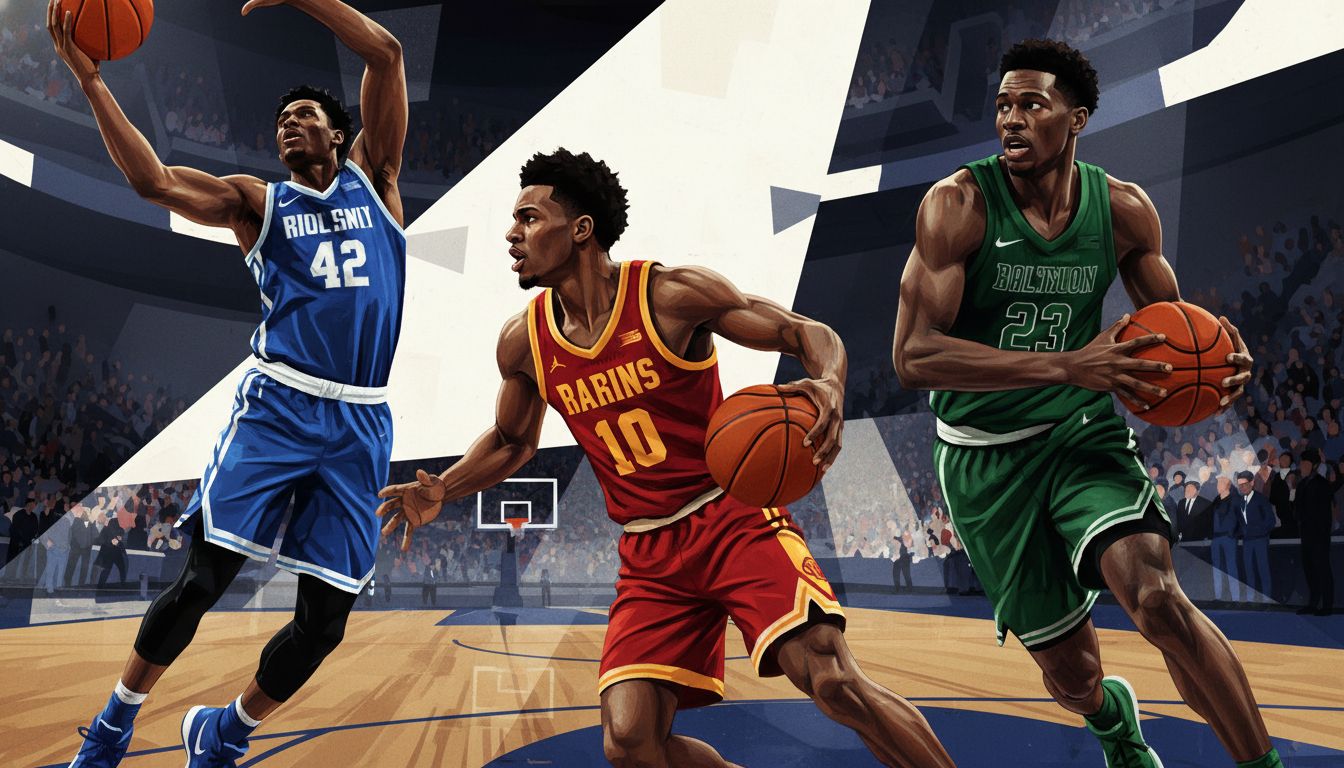
UConn, chasing a third title in four years, looks almost boringly stable for a program trying to do something historic. Alex Karaban turned down the NBA more than once to be the Huskies’ emotional anchor, while Tarris Reed has grown into the ceiling-raiser who turns them from 'contender' into 'nightmare.'
Drift a little farther from the traditional epicenters and the season starts to get more interesting. Nebraska, a program that had literally never won an NCAA Tournament game, is suddenly a 26–6 four-seed behind Fred Hoiberg and do-it-all wing Pryce Sandfort, who’s splashing 40% from deep and dragging decades of futility into the light.
Out in Big 12 country, things get even more chaotic in the fun way. Arizona, now a full member of the league, has a backcourt that looks like it was built in a video game: Brayden Burries lighting it up as a freshman and Jaden Bradley closing games like a seasoned pro for a 32–2 team that hasn’t quite translated Tommy Lloyd’s regular-season dominance into deep March runs yet.
If the power leagues are where the trophies usually end up, the heart of the tournament still beats a little louder in places like Cal Baptist, McNeese, Saint Mary’s, and Miami (OH). Dominique Daniels Jr. at Cal Baptist is a 5-foot-10 scoring machine from Compton who hung 41 in a WAC semifinal; he embodies that undersized-guard-with-oversized-confidence archetype every March seems to discover late.
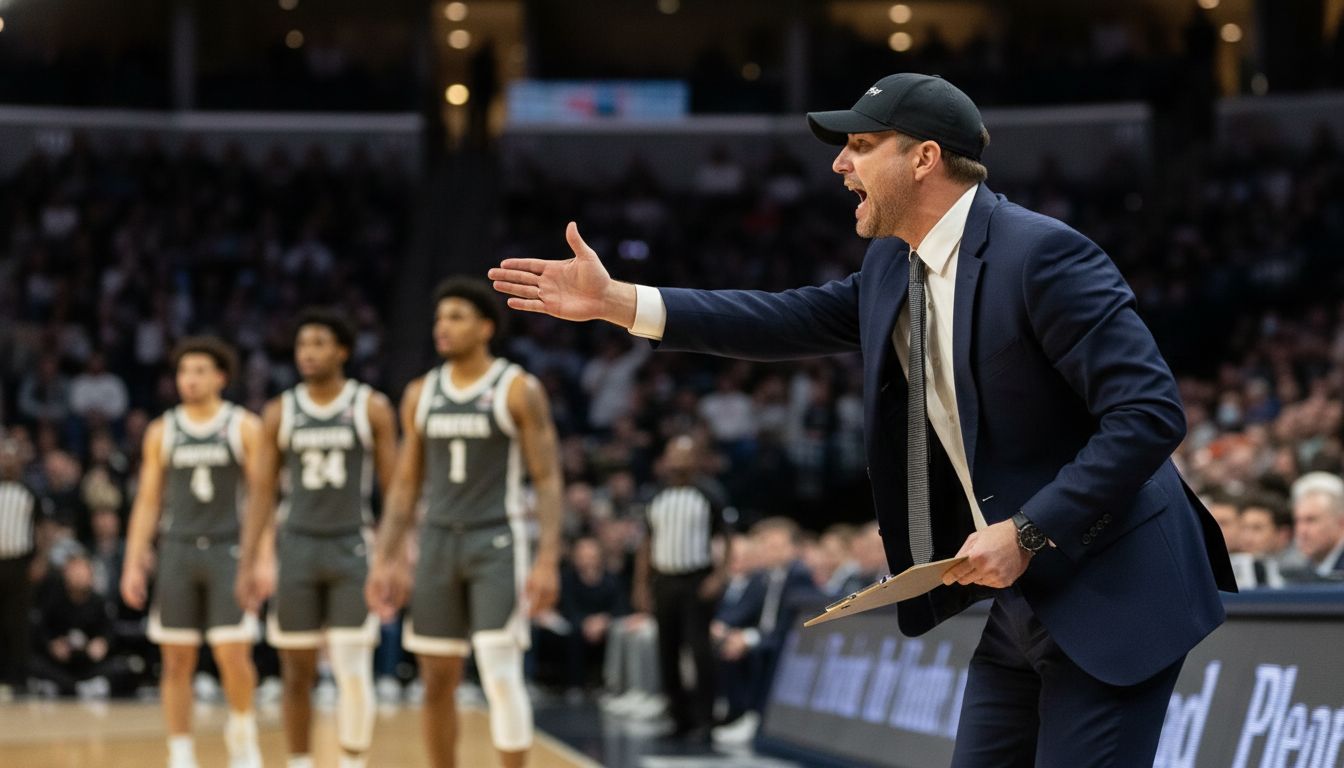
Miami (OH) has captured the nation's attention with their remarkable 32-1 record and recent victory over SMU in the First Four. Led by Peter Suder and Eian Elmer, the RedHawks showcased their offensive prowess with 16 three-pointers and a strong team effort, advancing to face Tennessee next.
The guard play this year borders on decadent, especially if you appreciate variety more than just NBA mock-draft boards. AJ Dybantsa at BYU is the purest scorer in the country, leading the nation at 25.3 points per game and now trying to drag a slumping Cougars team back into rhythm on the biggest stage.
Of course, March is never just about the players; it’s also an annual referendum on coaches and the way programs are built. Mark Few at Gonzaga – still quietly stacking 20-win seasons and NCAA trips out in the West Coast wilderness – isn’t in this particular story, but his long run does shape how we see other sideline mainstays.
Seen from a moderate, regional angle – not anti-blueblood, just resistant to the idea that the sport belongs to a handful of zip codes – this tournament feels surprisingly open. Yes, Duke, Arizona, UConn, Houston, Michigan, and Florida all have clear paths to Phoenix if things break right, and the odds will favor them in every bracket graphic you see.
But there’s a quiet satisfaction in knowing that Nebraska might finally shed its zero-win stigma, that Saint Mary’s could bully its way into the second weekend again, or that someone like Dominique Daniels Jr. or Larry Johnson might go from cult name to national talking point with one hot shooting night.
For fans in places like Spokane, where a small Jesuit school proved long ago that you don’t need a football factory to matter, this mix of stars, systems, and stubborn outliers is the sweet spot. However your bracket looks by Thursday morning, the real fun this year is tracking whose story gets rewritten – the blueblood trying to stay on top, the mid-major refusing to go quietly, or the veteran coach finally catching the break that’s been a decade in the making.
The 2026 NCAA Tournament is also defined by standout players who could become household names. Michigan's Yaxel Lendeborg, a transfer who won Big Ten Player of the Year, anchors a dominant frontcourt. Robbie Avila of Saint Louis, known as 'Cream Abdul-Jabbar,' is one of the best shooting bigs, making Saint Louis a dangerous matchup. Christian Anderson at Texas Tech has generated more offense than any player in college basketball, while Alabama's Labaron Philon is a three-level scorer crucial to his team's success.
Eian Elmer of Miami (OH) is a key two-way player, while Iowa State's Joshua Jefferson is a versatile matchup nightmare. In the East Region, players like Darryn Peterson of Kansas and Jeremy Fears of Michigan State are poised to make significant impacts. The South Region features Florida's Thomas Haugh and Vanderbilt's Tyler Tanner, both of whom add depth to their teams' title pursuits. In the West, Arizona's Brayden Burries and Gonzaga's Graham Ike are among those expected to drive their teams forward.