Some college basketball seasons blur together in memory, a wash of seed lines and buzzer beaters and hastily printed commemorative T‑shirts. This one won’t. The 2025‑26 campaign will be remembered as the year teenagers took over the sport and made it feel startlingly new. Look down the CBS Sports All‑America teams and you don’t just see stat lines; you see a generational handoff in real time. Veteran guards and grad transfers are still here, still vital, but they’re suddenly sharing the stage with first‑year players who already look like the next faces of the game.
Start with the headliners: Duke’s Cameron Boozer, BYU’s AJ Dybantsa, Arkansas’ Darius Acuff Jr., Michigan’s Yaxel Lendeborg and Illinois’ Keaton Wagler, the five players voted to the CBS Sports First Team All‑America. Four of them are freshmen, all projected lottery picks, and they’ve treated the college season less like an audition and more like a full‑blown takeover. Boozer strung together one of the most dominant one‑and‑done seasons we’ve seen, averaging 22.5 points and 10.2 rebounds while patiently carrying a reloading Duke program. Dybantsa didn’t just score; he led the entire nation at 25.5 points per game, one of only three freshmen ever to do that, and did it while rebounding and creating for others. Acuff turned Arkansas’ offense into a fireworks show, leading the SEC in both scoring and assists—a feat only Pete Maravich had touched—while Lendeborg and Wagler anchored Final Four runs for Michigan and Illinois in wildly different ways.
On paper, Lendeborg is the outlier of the group: older, a transfer, already seasoned by stops at an Arizona junior college and UAB before landing in Ann Arbor. In practice, he’s the connective tissue of this entire story. His path underscores how many ways there now are to arrive at the same bright stage. Lendeborg could have gone pro a year earlier; instead, he chose one more year of campus gyms and bus rides, then became the centerpiece of what some are daring to call the best Michigan team ever. His "Dominican LeBron" nickname might be hyperbole, but averaging 15.2 points, 7.0 rebounds and 3.3 assists for a No. 1 seed that reached the Final Four is the kind of production that makes nicknames like that stick.
Wagler’s rise is a different kind of story altogether, the sort that makes you double‑check the recruiting rankings and maybe the limits of your own imagination. He arrived at Illinois as a three‑star prospect, ranked outside the top 150 in his class, more anonymous than an afterthought. Less than a year later, he’s the best player on an Illini team headed to its first Final Four since 2005 and a projected top‑10 NBA pick. The numbers—17.9 points, 5.0 rebounds, 4.3 assists, 40.7% from deep—tell one story; the timing tells another. His 25‑point performance in the Elite Eight win over Iowa wasn’t just a breakout, it was a declaration that college basketball’s next icons don’t always come from the usual blue‑chip pipeline.
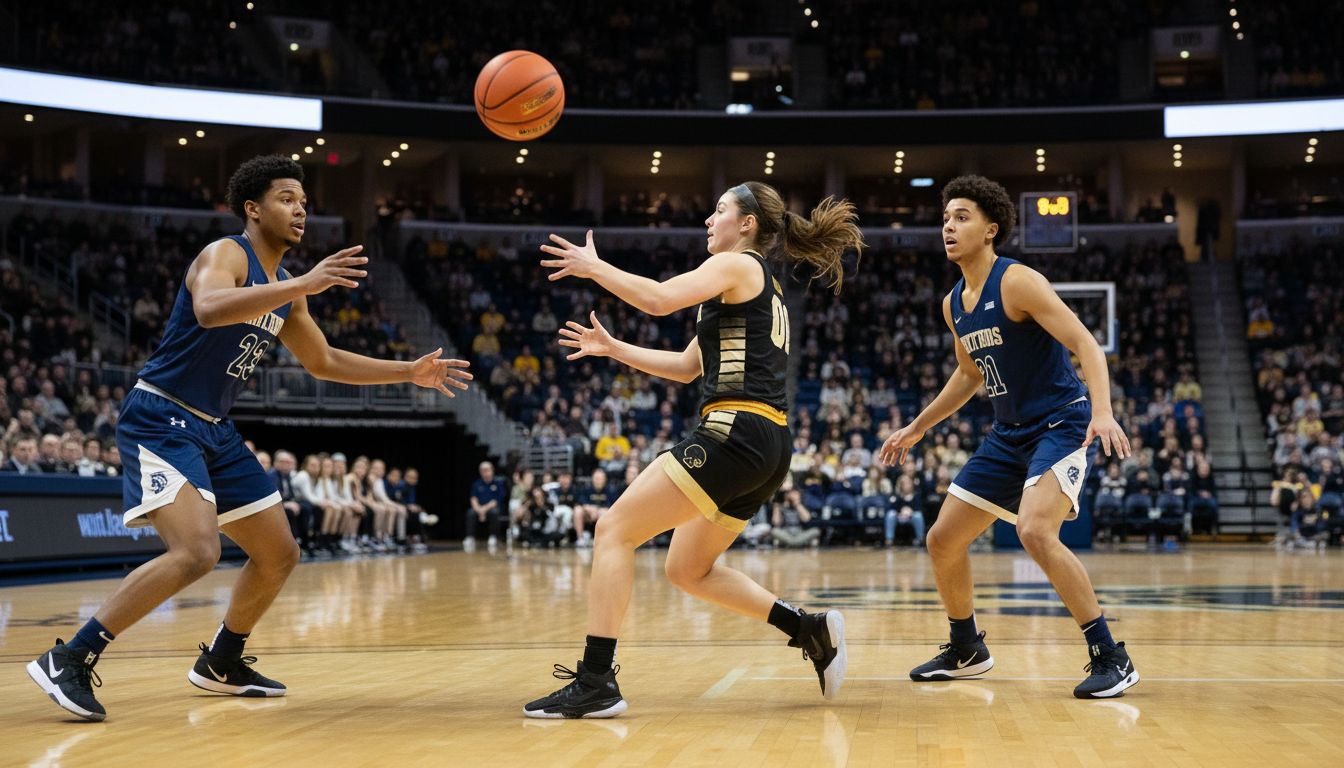
Not every star this season fit neatly into the "freshman takeover" frame, and that’s part of what made the year so rich. Iowa State’s Jefferson was the kind of Swiss‑army forward coaches dream about, finishing near the top of his team’s charts in scoring, rebounding, assists, steals and blocks before an ankle injury ended his season in March. St. John’s big man Ejiofor bullied his way through the Big East, powering back‑to‑back conference title doubles while leveling up as a scorer, passer and rim protector. At Purdue, veteran point guard Smith quietly became the NCAA’s all‑time assists leader, a reminder that not every record‑setting season needs to come with a mixtape’s worth of highlights to be historic. Houston freshman Flemings, meanwhile, walked straight into one of the most demanding systems in the country and led the Cougars in points, assists, steals and three‑point accuracy, punctuating his year with a 42‑point explosion against Texas Tech.
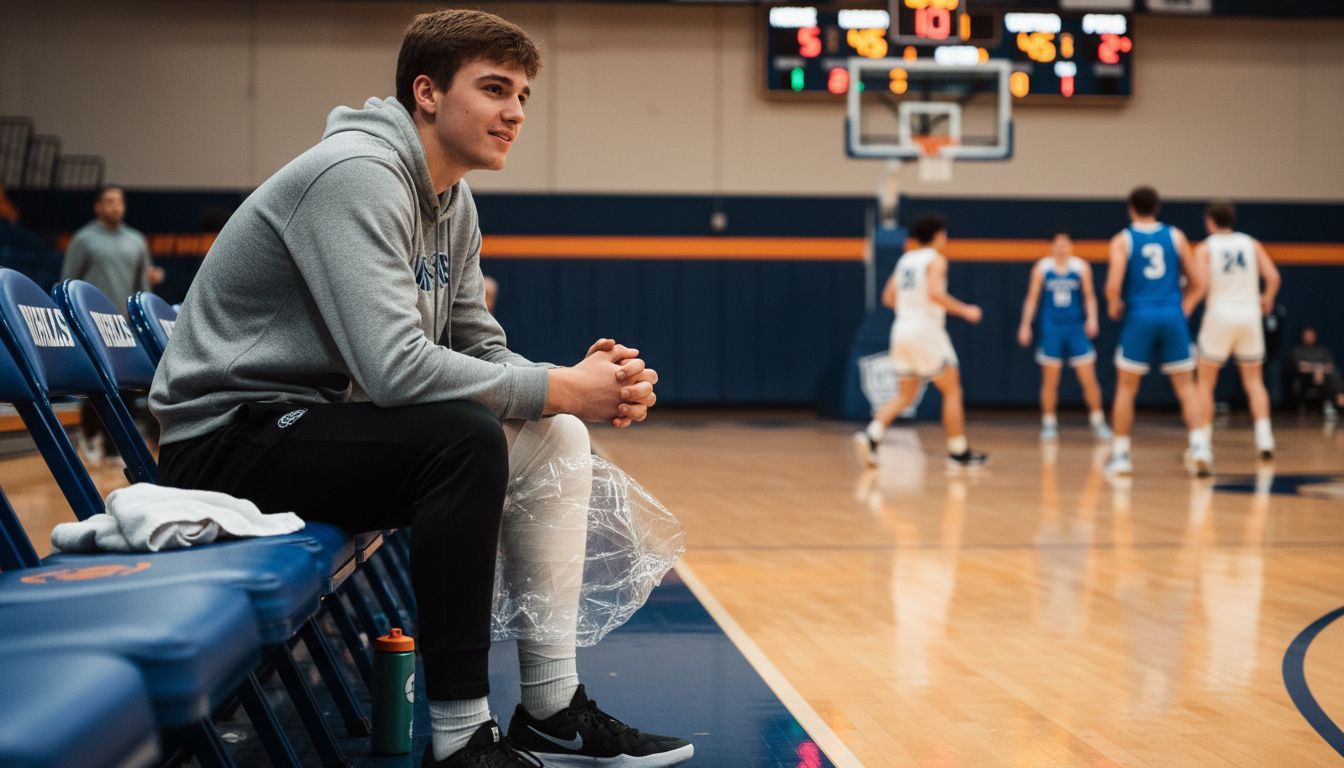
There was also the heartbreak that so often shadows college basketball’s brightest months. Toppin’s National Player of the Year‑caliber season at Arizona State ended with a torn ACL in February, freezing his averages—21.8 points and 10.8 rebounds—in bittersweet amber. North Carolina’s Wilson, a walking viral clip with his dunks and blocks, lost the final month of his season to a pair of hand injuries just as draft buzz was swelling. These detours don’t erase what they accomplished; if anything, they underline how fragile the window is for players trying to squeeze a lifetime of dreams into 30‑odd games. For every banner that gets raised, there are also rehab sessions, what‑ifs and long nights in empty gyms getting back to neutral. It’s the part of the sport we don’t usually print on T‑shirts.
The guards, as ever, threaded much of this year’s story together. Michigan State’s Fears led the nation at 9.4 assists per game while doubling his scoring average and steering the Spartans to the Sweet 16. An Iowa guard who followed his coach up the ladder from Northwest Missouri State to Drake and then into the Big Ten helped carry the Hawkeyes to their first Elite Eight since 1987, averaging 19.8 points and 4.4 assists in the process. Alabama’s Philon turned a decision to bypass the 2025 NBA Draft into a win‑win sequel, coming back to campus, upping his scoring to 22.0 points per game and nudging his draft stock into firm first‑round territory. Then there’s Tanner, the undersized, over‑everything defender who filled up box scores with 19.5 points, 5.1 assists and 2.4 steals and still left you talking just as much about the possessions that never showed up on paper.
If this all feels like a lot, that’s because the sport itself is a lot right now. The transfer portal, name‑image‑likeness money and an NBA that increasingly scouts players before they can rent a car have created a chaotic, sometimes disorienting ecosystem. But inside that churn, seasons like this remind us why college basketball still pulls at people. You can have a future top‑five pick at BYU turning Provo into a national must‑watch destination, a late‑blooming forward in Champaign rewriting his scouting report in real time, and a veteran point guard in West Lafayette quietly scribbling his name into the record book. The pathways are different, but the throughline is the same: a group of young adults, some barely out of high school, learning how to carry the weight of expectation in front of millions.
From a distance, All‑America lists can look like simple roll calls of talent, neat rows of points per game and shooting percentages. But zoom in and you see what this year made so evident: each of these seasons was a story of context and choice. Freshmen like Boozer, Dybantsa and Acuff had the option to treat college as a brief layover on the way to the draft, yet they played with a fullness that made their campuses feel like the center of the basketball universe for a winter. Transfers and veterans like Lendeborg, Smith and Ejiofor used one more year in school not just to refine their resumes, but to deepen the identities of the programs they led. Taken together, they turned 2025‑26 into a mosaic of overlapping eras—one where the sport’s future didn’t replace its present so much as sit right beside it.
Awards seasons always invite arguments about who was snubbed or overrated, and there’s a place for those debates in any healthy fan culture. But if you strip away the brackets and draft boards, what’s left from this season is a surprisingly simple picture. In gyms from Provo to Houston, from Durham to Champaign, a new generation announced itself, sometimes with 40‑point nights, sometimes with quiet 11‑assist games in March. The First and Second Team All‑Americans are mile markers of that shift, but they’re not the whole road. The real story is how quickly these players grew into something larger than hype, turning a chaotic era of college basketball into a year that will linger—long after the nets are cut down and the T‑shirts fade in the wash.