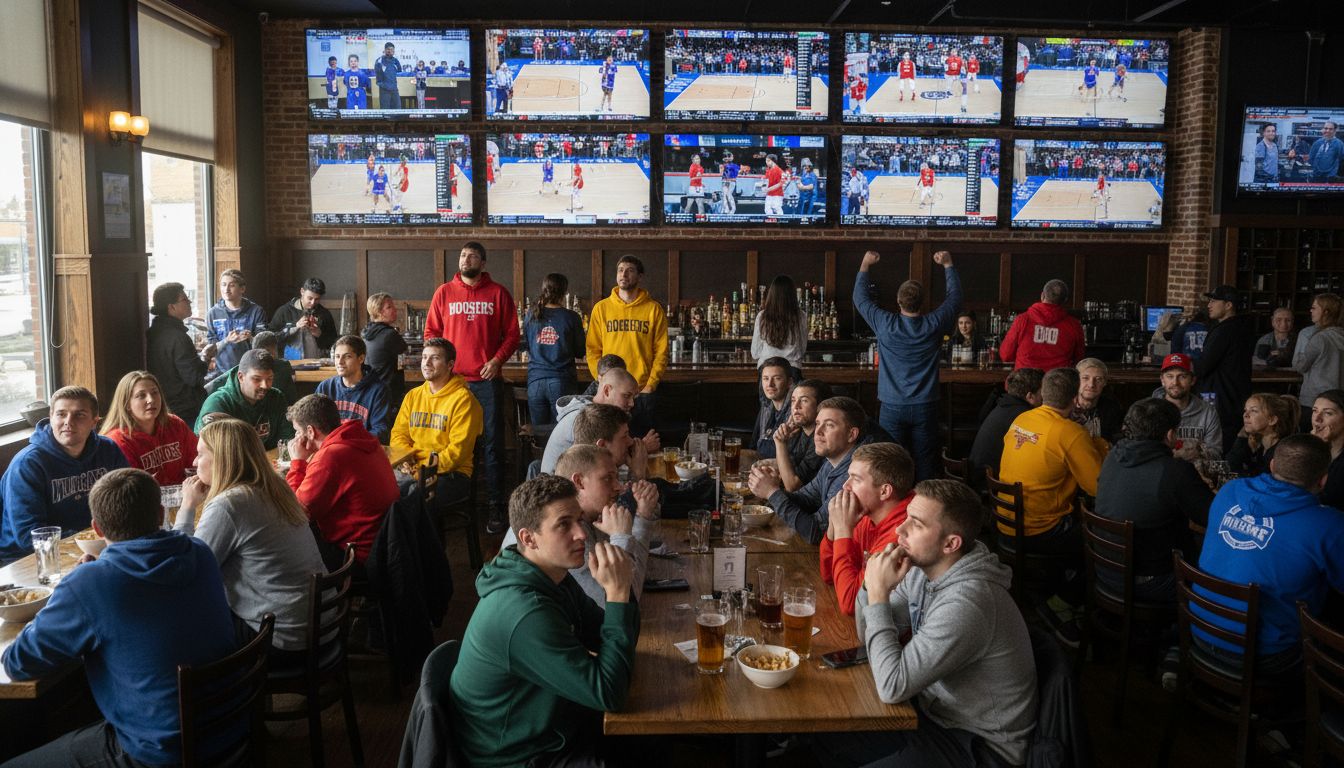
The first real Thursday of the NCAA Tournament is its own kind of national holiday, especially in college towns like Chapel Hill where productivity quietly plummets around lunchtime. This particular opening slate offers a little bit of everything: a No. 1 overall seed in Duke trying to look inevitable, a first-timer in Nebraska chasing history, and a future NBA lottery pick in BYU’s AJ Dybantsa stepping onto the stage for the first time. Beneath the brackets and betting lines, what we really have is a study in how different teams handle pressure, pace and identity when the whole sport is watching. Some programs lean on defense, some on tempo, some on sheer star power, and some—if we’re being honest—are still figuring out who they are by the time they get to March. As a Carolina lifer, I watch all of it through the lens Dean Smith handed us: how do teams defend, share the ball, and carry themselves when the lights get bright?
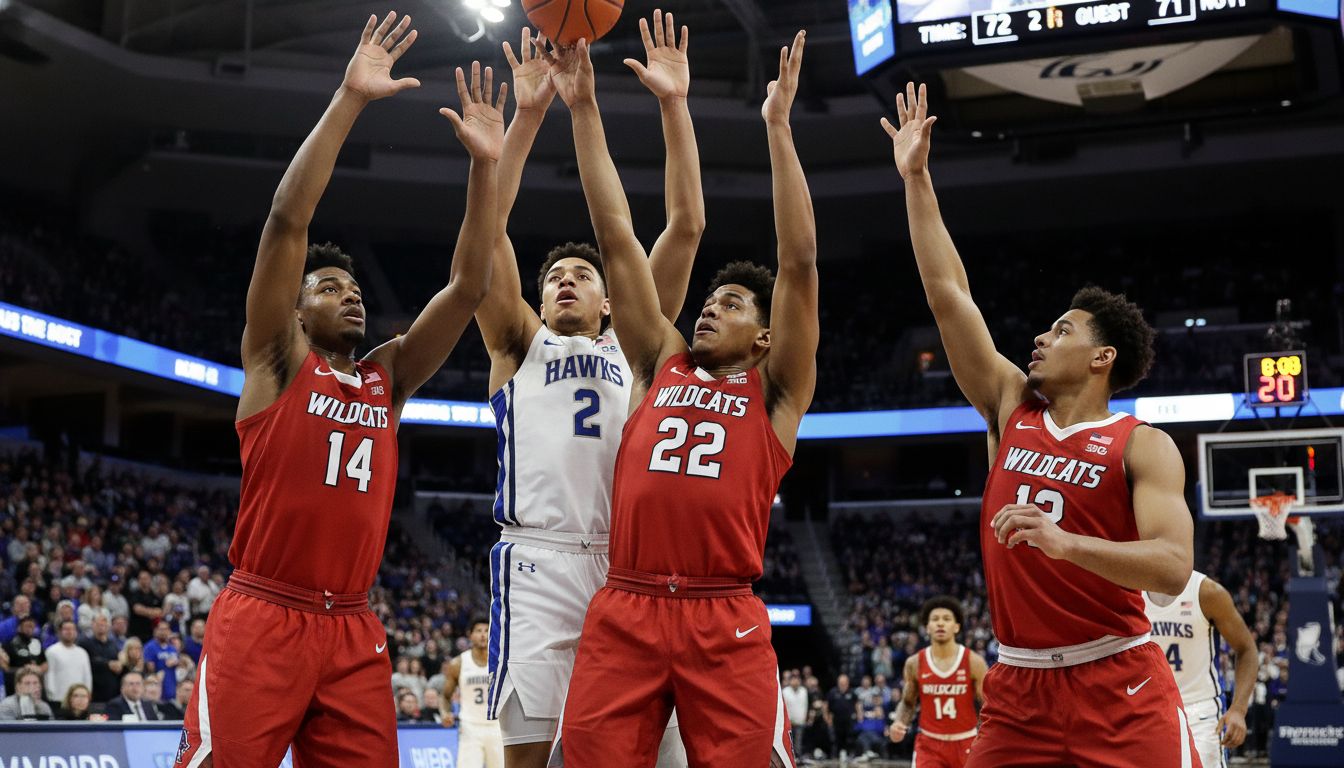
Start with Nebraska, chasing its first-ever NCAA Tournament win, which is a staggering phrase when you say it out loud for a major-conference program. Fred Hoiberg’s Cornhuskers have built their breakthrough attempt on the unglamorous side of the ball, finishing first in Big Ten play in defensive efficiency with a commitment to contesting shots without fouling. That profile becomes even more important against Troy, one of the ten slowest teams in the field and a group that happily fires threes despite making just 33.2% of them. In a game where possessions will be scarce and jumpers plentiful, the under on a total like 137.5 isn’t just a betting angle; it’s a reflection of two teams whose identities point toward a grind-it-out afternoon. If Nebraska can keep Troy living on missed threes, the Cornhuskers should finally get that long-awaited win—even if the weight of history makes every empty possession feel twice as loud in the arena.
If Nebraska–Troy is about patience, South Florida–Louisville is about momentum and self-belief, the kind of intangible that analytics people dislike but coaches quietly obsess over. USF enters at 14-1 over its last 15, guided by Bryan Hodgson and AAC Player of the Year Izaiyah Nelson, and there is nothing like a hot mid-major to make a power-conference favorite a little uneasy. Louisville has the brand name and the battle scars from a tougher league, but also injury questions and a line that suggests more public confidence than the matchup may deserve. Backing USF plus the points isn’t really about disrespecting Louisville; it’s about respecting a group that has been living in close games and finding ways to win them. On these opening days, the teams that have practiced winning tight games—regardless of logo—tend to look awfully comfortable when the bracket pressure hits.
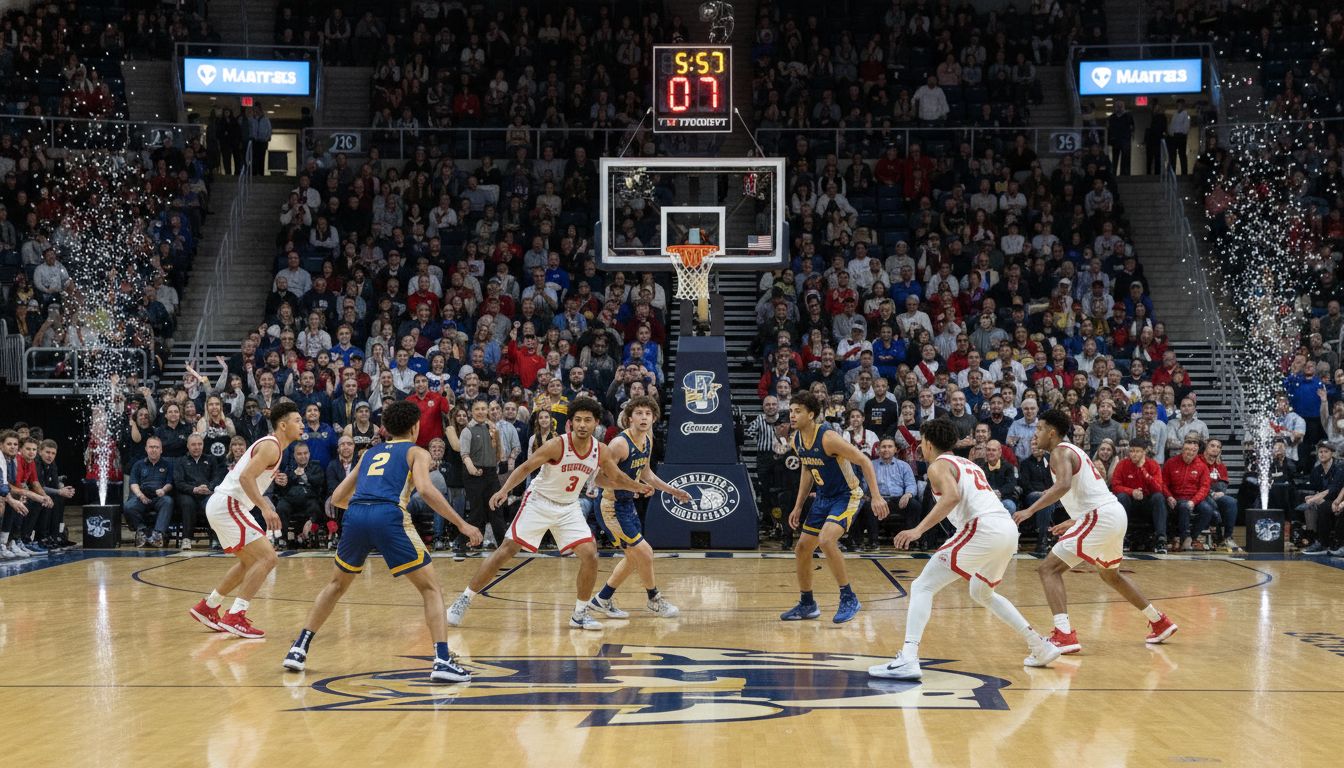
Then there’s Duke, the No. 1 overall seed making its tournament debut against Siena, and here is where my Carolina-tinged objectivity gets its annual workout. Strip away the rivalry for a moment, and what you see is a Blue Devils group that has built a genuine defensive identity, one of the nation’s best at making opponents function deep into the shot clock before they get even a decent look. Siena already prefers a deliberate pace, and when a slower team runs into an elite defense, you often get a game that feels like it’s being played underwater. That’s why the sharper angle here isn’t so much about Duke’s margin of victory as it is Siena’s team total, with 53.5 points looking ambitious against a defense designed to erase easy rim attempts and force contested jumpers. The irony is that Duke’s offense can still be streaky enough to make its fans sweat, but the defense should provide a calm baseline for a comfortable, if not particularly pretty, advance to the round of 32.
Vanderbilt–McNeese offers a different sort of stylistic clash, one that turns on whether McNeese’s pressure defense can actually shake the Commodores out of rhythm. Mark Byington’s group has already seen versions of this chaos in the SEC, where long, active guards try to live off deflections and live-ball turnovers. When McNeese faced Michigan earlier in the season and couldn’t generate its usual diet of takeaways, the result was a 112-point avalanche allowed in an 83-possession track meet. Vanderbilt isn’t Michigan at its December peak, but it is capable enough offensively that, if it protects the ball, an aggressive team total like over 81 points becomes attainable. In modern college basketball, where spacing and shooting have crept closer to pro concepts, a well-prepared offense facing pressure that doesn’t actually produce turnovers can turn those gambles into layups and open threes in a hurry.
Later in the afternoon, Arkansas and Hawaii meet in a matchup that looks fast on paper but may feel surprisingly choppy in reality. Hawaii’s size should be good enough to keep the Razorbacks off the glass and away from the rim, which matters for an Arkansas squad coming off the physical and emotional high of cutting down nets in Nashville. When your legs are heavy from celebrations and travel, you want easy paint touches to stabilize you, not a series of contested jump shots in a different time zone. At the same time, Hawaii’s ball-handlers could see their own offense sputter under Arkansas’ athletic pressure, leading to empty trips on both ends. So even though both teams prefer tempo, a total over 160.5 starts to look optimistic once you factor in fatigue, physicality and the likelihood that both coaches will gladly trade a few seconds of pace for better shot selection.
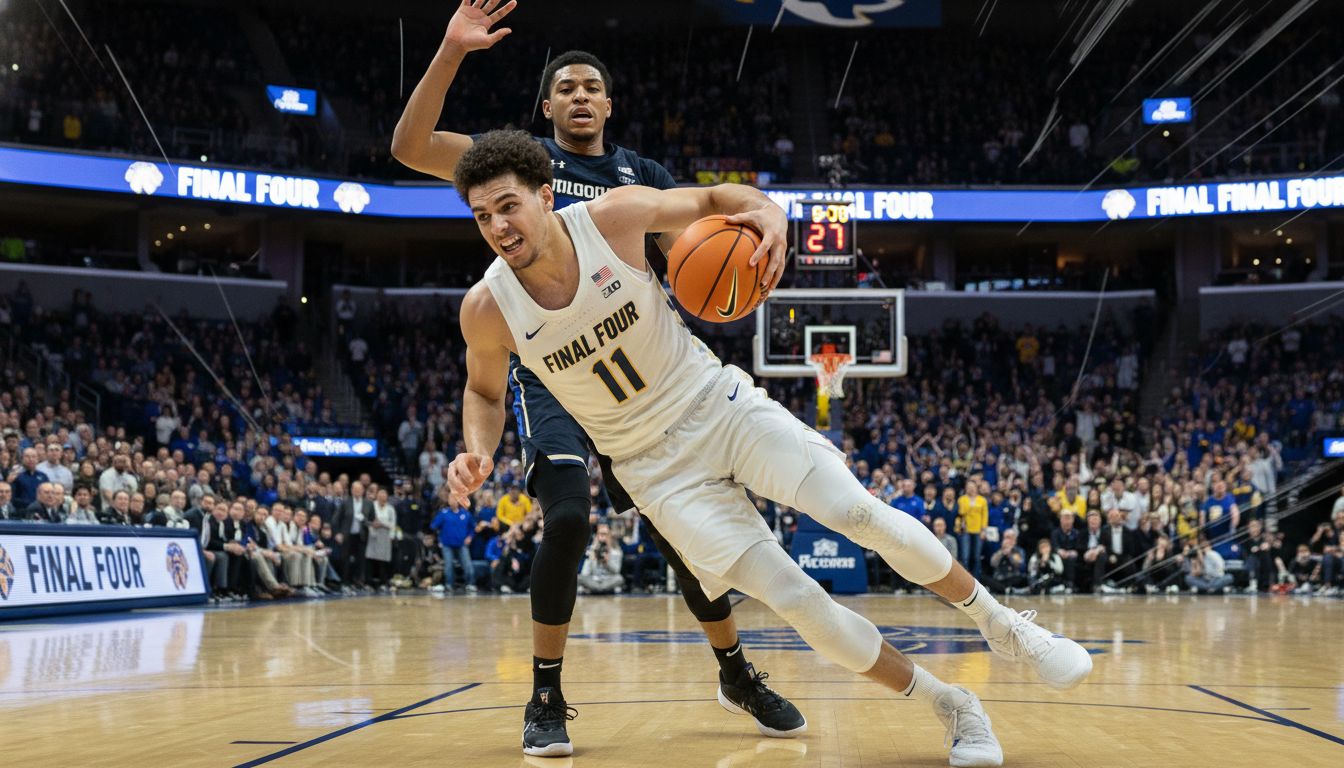
The night window belongs to BYU–Texas, a game that quietly might be one of the more fascinating first-round tests of narrative versus matchup. Texas arrives with adrenaline from a game-winner in Dayton and the inevitable travel fatigue from immediately flying out to Portland with barely enough time to exhale. BYU, on the other hand, found its stride late with a win over Texas Tech and a couple of Big 12 Tournament victories, and it has the undeniable magnet of star power in AJ Dybantsa. Dybantsa and Rob Wright might well be the two best players on the floor, and when the underdog has the top-end talent, a number like BYU -2.5 feels less like a trap and more like a recognition of where the matchup actually tilts. Unless Texas can solve BYU’s rim protection and keep the Cougars from getting downhill in transition, the Longhorns could find themselves chasing a game that never quite bends back their way.
Across these six spotlight games, a few themes emerge that matter whether you fill out brackets, spreadsheets, or just carve out the afternoon to watch. Defensive identity travels, which is why Nebraska and Duke both feel trustworthy even if their offenses hit cold spells at inopportune moments. Recent form and locker-room belief matter too, particularly for programs like South Florida and BYU that have ridden late-season surges into March and now find themselves unafraid of brand-name opponents. Pace and shot quality, more than raw scoring averages, shape totals in games like Hawaii–Arkansas, where the film suggests more grinding than freewheeling. And above all, the first Thursday is a reminder that while we obsess over seeds and spreads, the real story is how 18- to 22-year-olds navigate pressure in real time, juggling midterms, travel, and the most public job performance review of their young lives.
From a Carolina vantage point, it’s impossible not to compare all of this to the standard Dean Smith set: defend without fouling, share the ball, and remember that the students wearing the jerseys are also students in the classroom. Nebraska chasing a first win and USF leaning on its 14-1 stretch both hint at the long, often invisible work of culture building before anyone cuts down a net. Even Duke’s defensive maturation and BYU’s embrace of Dybantsa’s star power point to coaching staffs putting players in positions that suit who they are, not just what the bracket demands. The quirk of this particular Thursday is that North Carolina, looming in the evening against VCU, has to heed the same lessons about composure and identity that we see playing out across the day’s slate. If you’re settling into the couch in your Carolina blue, remember that behind every line on the odds board is a group of young people trying to balance dream-chasing with paper-writing—and that, more than any pick, is what keeps March feeling a little bit magical every single year.