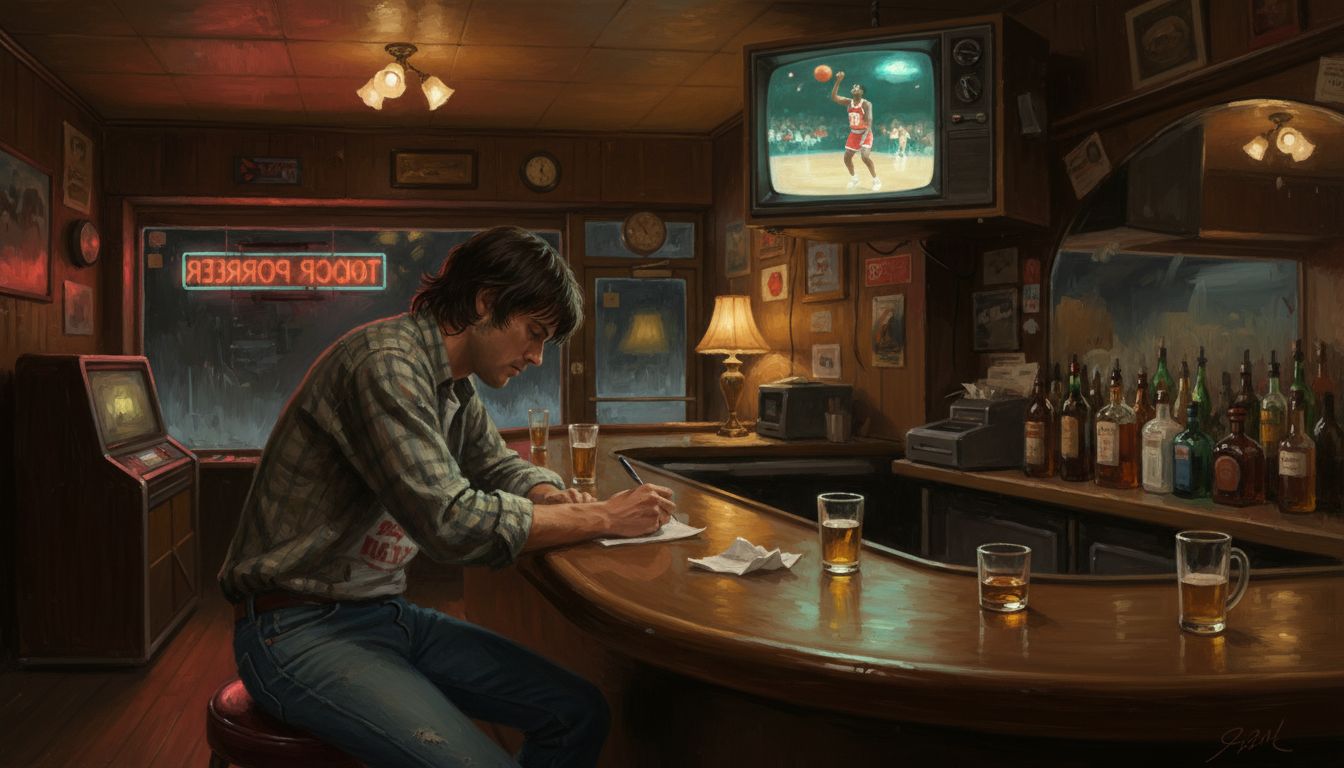
Here’s the thing about “One Shining Moment” — it’s the closest thing college basketball has to a national anthem, and it started because a bar singer was bored and a waitress was busy. In 1986, David Barrett, grinding through Michigan dive bars, watched Larry Bird cook another opponent on TV while a beautiful server ignored his poetic charms. Instead of getting the girl, he got an idea, scribbling three words on a cocktail napkin that would outlive almost every player who’s ever been in the NCAA tournament. That napkin became a chorus the next morning over brunch, and almost 40 years later, it’s still the soundtrack to every net-cutting, confetti-drenched college hoop fever dream. If you want a pure example of how one person’s random moment of inspiration can hijack an entire sport’s emotional DNA, this is it.
Barrett wasn’t some industry insider; he was a 31-year-old hustling musician playing to a couple dozen half-interested barflies. His big break didn’t come from a talent show, a committee, or a focus group — it came from a friend, sports reporter Armen Keteyian, who literally mailed his cassette to CBS Sports. Doug Towey, CBS Sports’ creative director and serial creator of immortal sports themes, called Barrett out of nowhere and said he loved the song so much he wanted it for Super Bowl XXI. Barrett wasn’t about to tell a network executive that his song was “actually for basketball,” because when Goliath calls, you say yes and figure out the artistic integrity thing later. Then a classic TV time crunch kicked in: the Giants’ postgame ran long, the montage got bumped, and Barrett’s “shining moment” never aired — at least not that night.
Here’s where it gets deliciously ironic: the NFL whiff opened the door for the NCAA. Towey called back and said they wanted to use the song for March Madness instead, the stage it was accidentally tailor-made for. On March 30, 1987, Indiana’s Keith Smart buried a drifting corner jumper to beat Syracuse, CBS editors scrambled to jam those final images into the montage, and “One Shining Moment” finally hit the air. A panicked producer literally sprinted a tape across the Superdome’s bowels to make the deadline, then jammed it into the machine just in time for Brent Musburger’s lead-in. One bar napkin, one missed Super Bowl, one made jump shot — and suddenly a fringe hoops song became the emotional credit roll for every college season since.
Since that debut, “One Shining Moment” has become more than a song; it’s a ritual, and rituals are where sports slip into religion. Mike Krzyzewski talks about how the season doesn’t truly feel over until the song plays, even after the nets are cut and the trophy is passed around. John Calipari compares it to watching a fast-forward movie of your life with the people who helped you write the script. Tom Izzo admits that even if you lose, you still stay to watch it, because the song belongs to the whole tournament, not just the winners. That’s the power of a shared highlight reel with a single, consistent soundtrack: it tricks everyone, champions and losers alike, into feeling like they own a tiny slice of immortality.
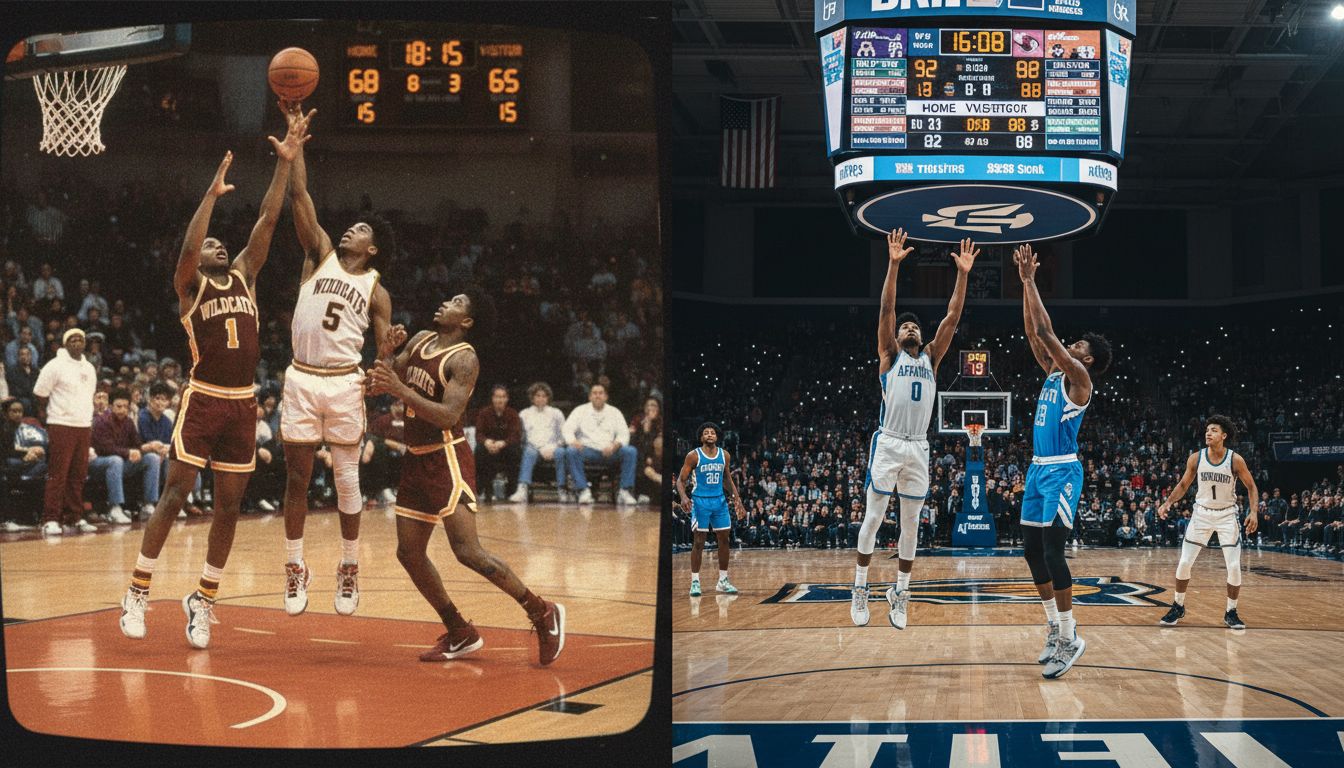
From a production standpoint, the evolution of “One Shining Moment” is basically a highlight reel of television itself. The early versions are grainy, standard definition, with feathered hair and short shorts flying around the screen; now it’s 4K, hyper-cut, and paced like a trailer for a Marvel sequel. Barrett sang the first seven editions before Teddy Pendergrass stepped in, then Barrett returned with a bluesier version in 2000, and finally Luther Vandross recorded the version that became definitive. Vandross cut his vocals in 2002, just before a stroke silenced that iconic voice, making “One Shining Moment” the last song he ever recorded — which only deepened its myth. There was even a brief controversy in 2010 when Jennifer Hudson’s version was knocked online for featuring too much of her and not enough actual basketball, proving that fans will tolerate bad calls, but not messing with their sacred montage formula.
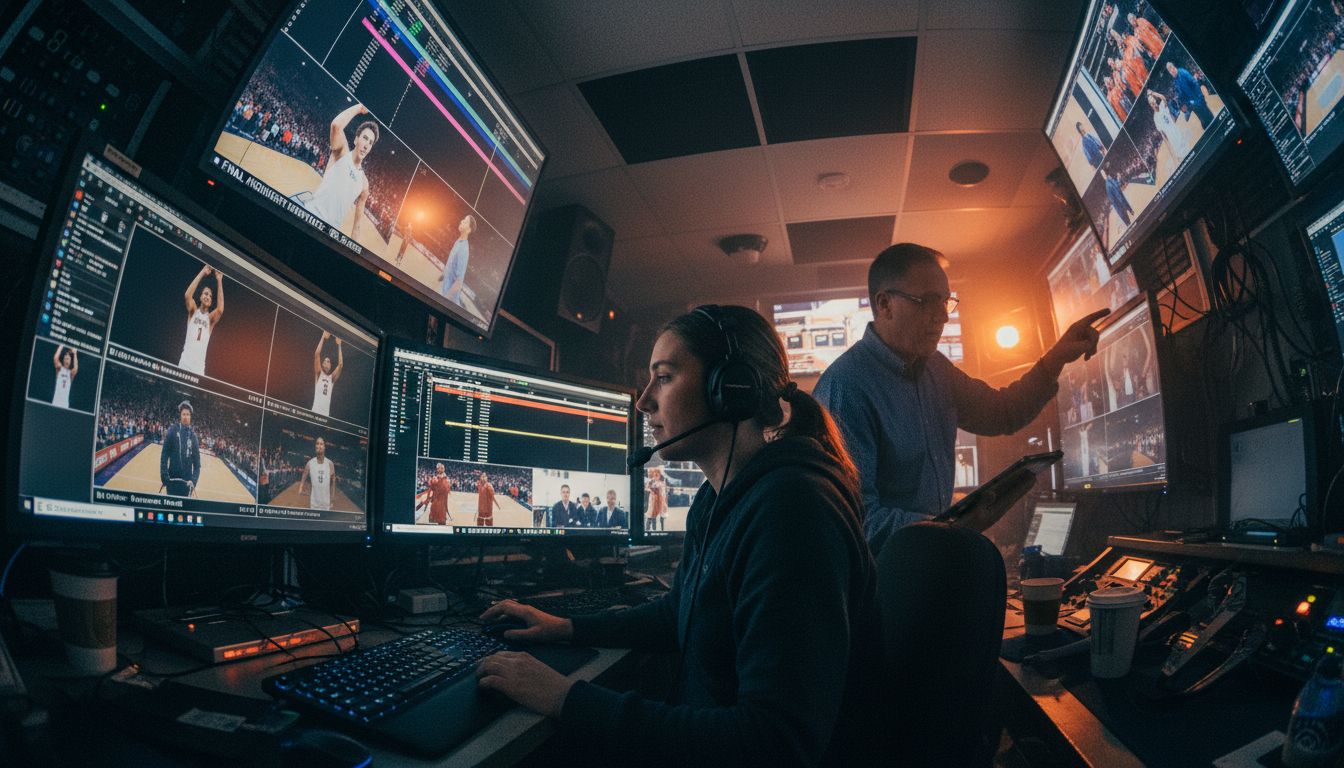
Behind the scenes today, the process is still chaotic, just more digitized and slightly less terrifying than sprinting tapes through a stadium. At the Final Four, TNT and CBS keep dedicated crews on site, with editors in trucks building the piece in real time while the title game is still being played. Two edit suites run in parallel in case a computer crashes or the power flickers, because nobody wants to be the person who ends a four-decade streak of “One Shining Moment” airings. As the clock winds down and the confetti cannons are loading, texts fly between production, NCAA operations, and the truck: “OSM in 30 seconds…make that 2 minutes…OK, OSM coming now!” Even with all the tech, once the final mouse click sends the finished video to the truck, the crew leans back and watches like the rest of us, emotionally spent and quietly praying nothing glitches.
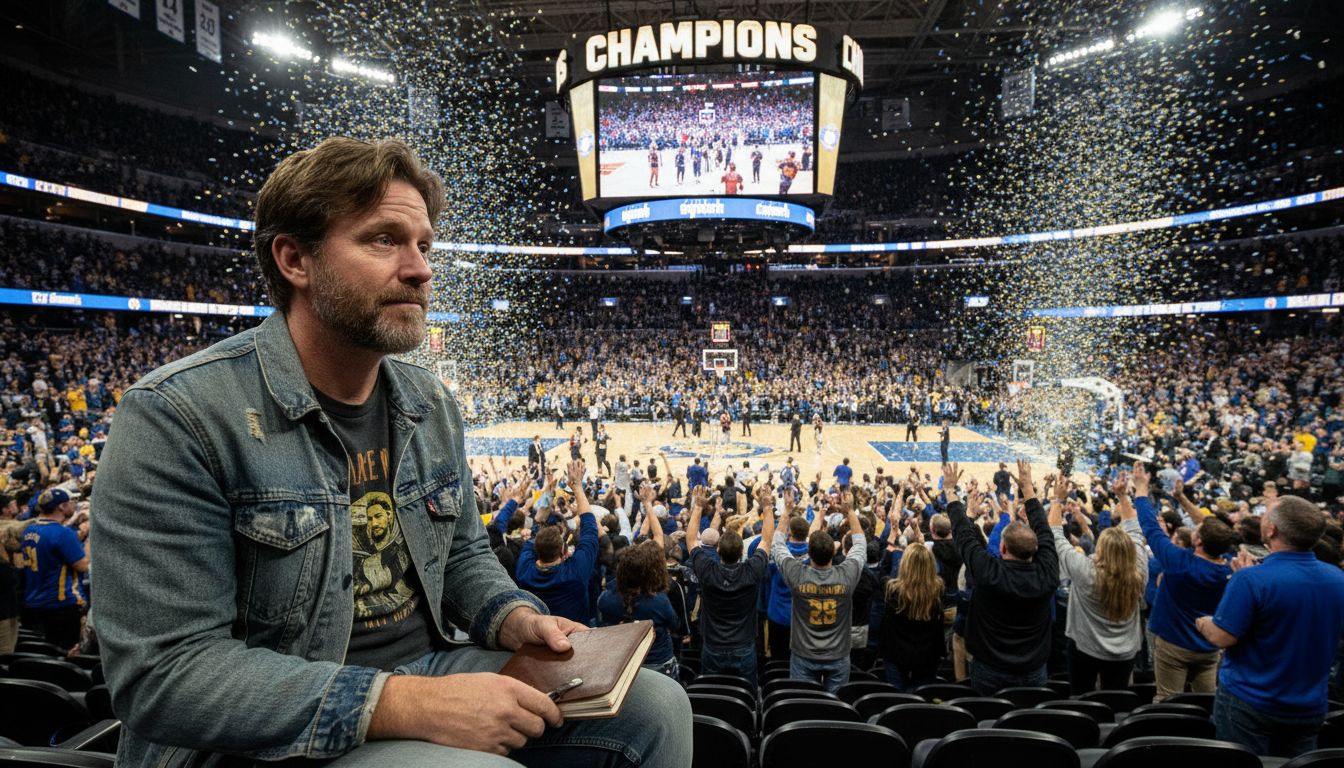
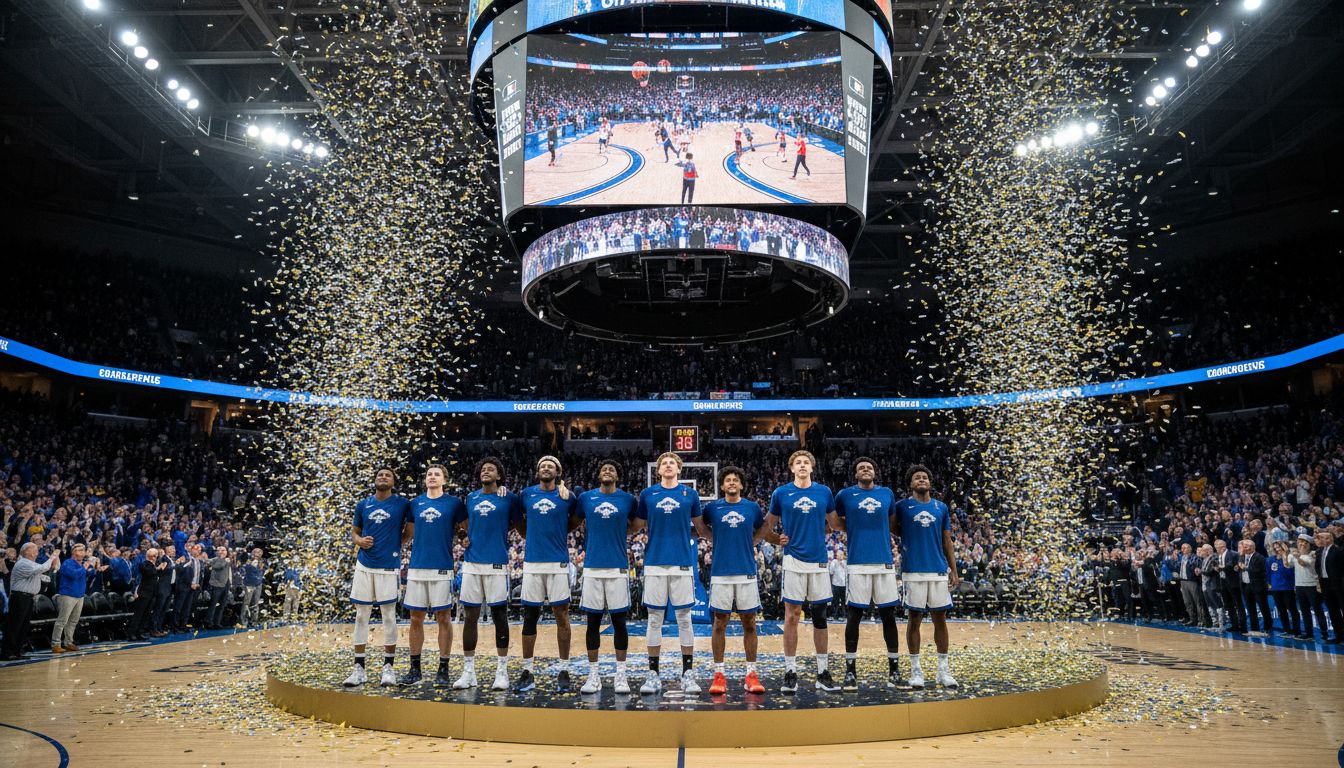
This year added an extra twist: Michigan, the school from Barrett’s home state and his wife Tracy’s alma mater, finally got its title while he watched from the stands at Lucas Oil Stadium. As the Wolverines players and families swayed arm-in-arm under a blizzard of confetti, “One Shining Moment” kicked in and became less of a TV segment and more of a full-circle moment for Barrett himself. A hundred yards away, tucked into the front row of Section 111, he and Tracy quietly sang along, misty-eyed, blending in with fans who had no idea the guy who wrote their soundtrack was sitting right there. For Barrett, every in-person viewing has been emotional, but watching his “little basketball song” roll over his favorite team’s coronation was different — almost too on the nose, like a script no studio would buy because it feels fake. He calls it a gift to be part of Michigan’s moment; the truth is, his song turned Michigan’s win, and every other champion’s run, into something that feels bigger than a scoreboard.
If you zoom out, the “One Shining Moment” phenomenon is a weirdly pure example of how sports culture still occasionally rewards actual merit over hype. A random Michigan bar musician writes a song about basketball, not branding, not “content strategy,” and centuries later in internet years, we’re still using it because it just works. In an era when leagues obsess over “disruption” and jam new gimmicks down everyone’s throat, March Madness stays tethered to a three-minute montage cut to a 1980s ballad. Nobody voted on this, no panel of consultants blessed it; a few people in a control room thought, “Yeah, this hits,” and the fans quietly agreed for four decades. You can call that nostalgia, you can call it inertia, but underneath is something stubbornly honest: if you make something that hits people in the chest, they’ll keep showing up for it, algorithms be damned.
There’s also a lesson here about gatekeepers and happy accidents that should make every control freak in college sports a little nervous. The NCAA didn’t create “One Shining Moment,” CBS didn’t run trials to see which ballad maximized engagement, and nobody trademarked the emotional experience in advance. A bar napkin, a cassette tape, and a near-miss at the Super Bowl did more to define the vibe of March Madness than any committee meeting ever has. That should be a little humbling to anyone who thinks they can script what sports fans care about with PowerPoints and licensing deals. Sometimes the best thing the establishment can do is get out of the way, let a weird little song breathe, and see if it grows into a tradition people actually choose instead of one they’re marketed into.
So the next time you’re watching “One Shining Moment” — whether your team is the one hugging the trophy or the one walking off in tears behind them — remember how unlikely this all is. A missed connection with a waitress, a friend in the media, a phone call from a skeptical musician to a TV producer, a Super Bowl that ran long, a corner jumper by Keith Smart, and a control room full of editors racing the clock all stacked together to give you that lump in your throat. It’s easy to roll your eyes at how corny it is, the lyrics, the slow pans of crying seniors, the coaches fist-pumping like they invented effort. But beneath the cheese is something real: for one last three-minute burst, the sport makes room for everyone’s work, everyone’s heartbreak, and everyone’s tiny slice of glory. That’s not just one shining moment; that’s the rare time the machine of big-time sports pauses long enough to feel human.