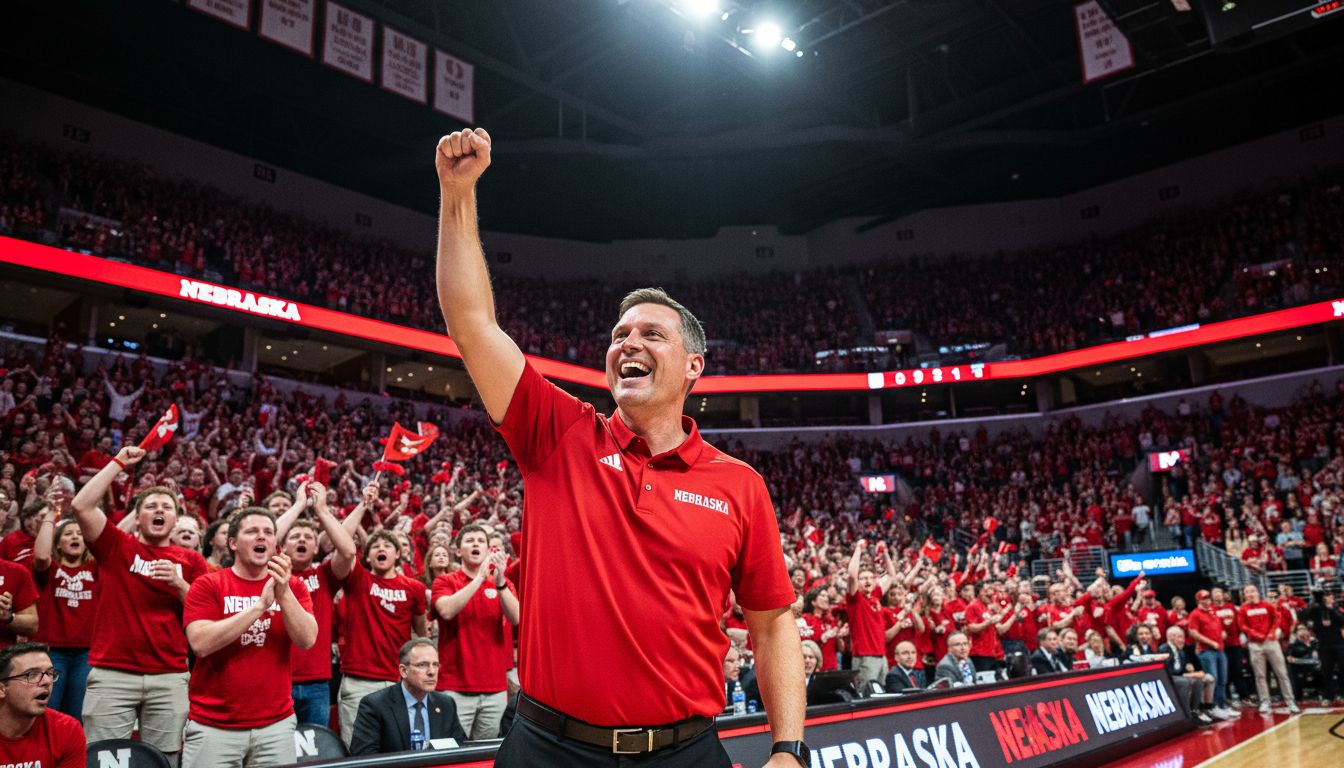
Let’s go ahead and say it out loud: Nebraska is no longer just a football school. Fred Hoiberg just snatched the AP Coach of the Year by doing the one thing nobody in Lincoln has consistently pulled off in men’s hoops – building a program that wins, sustains, and actually scares people in March. This wasn’t a cute little Cinderella story or a one-off hot streak; this was a 28-win machine that finally punched through for the school’s first NCAA tournament win and kept going all the way to the Sweet 16. For a place that spent decades treating March like a rumor, that’s a cultural reset. And Hoiberg did it the old-fashioned way: eat losses early, take the heat, build the foundation, then unleash a team that plays fast, defends hard, and makes an entire fan base show up like it’s a fall Saturday in Memorial Stadium.
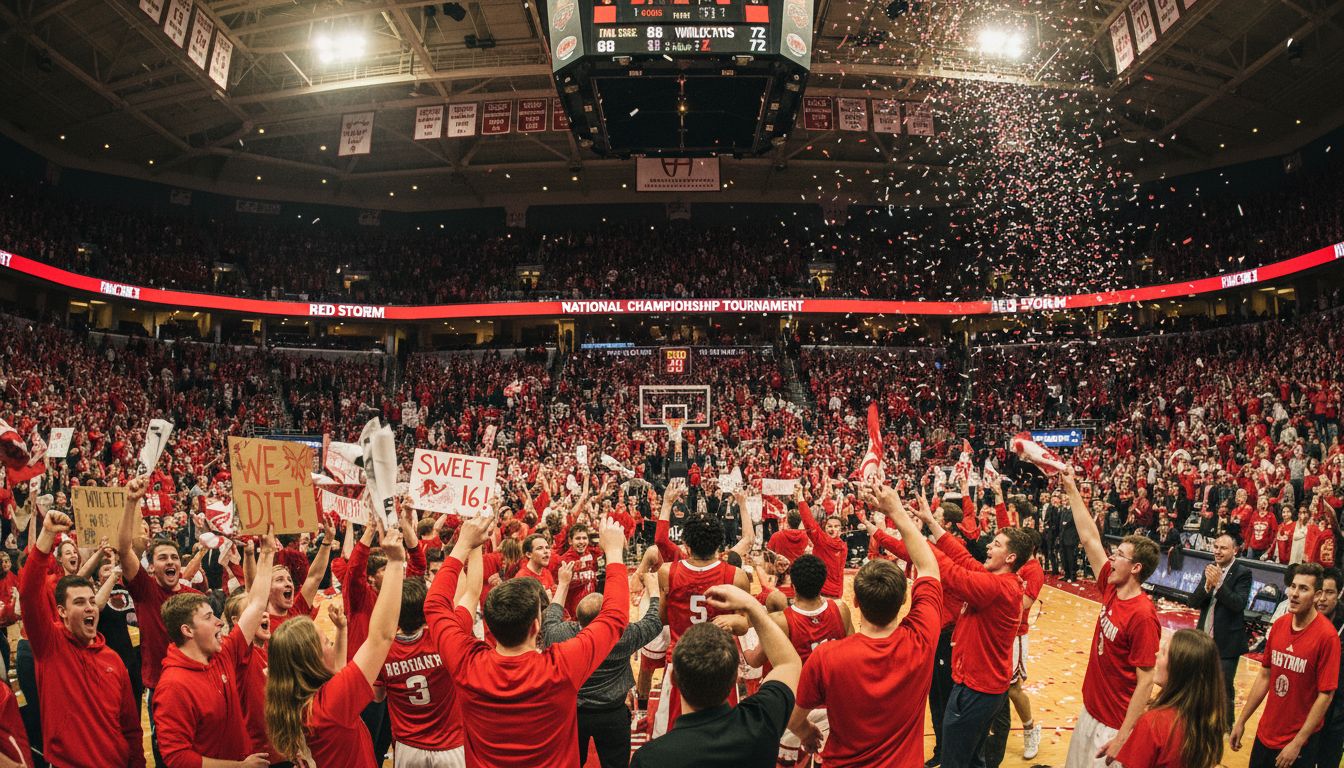
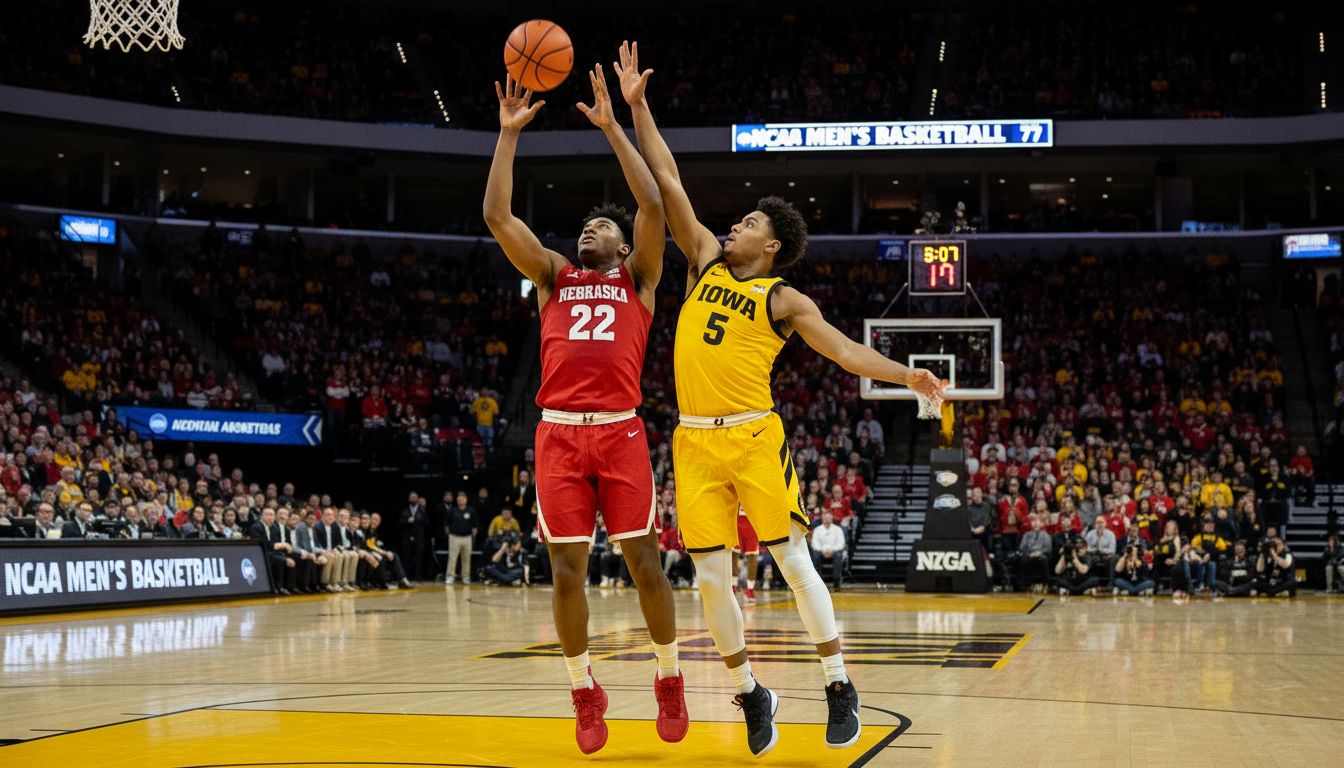
The numbers tell you the surface story – 28 wins, a first Sweet 16 under Hoiberg, and a school-record 15 Big Ten victories in a league that chews up soft programs for fun. Nebraska matched its all-time record of 26 wins before the NCAA tournament even tipped, then finally ripped off that elusive first March Madness win, a 76-47 beatdown of Troy that looked more like a seeding mistake than a history-making moment. The run ended against Iowa in the Sweet 16, the kind of loss that stings enough to fuel the offseason lift program. But you don’t measure this season by the exit; you measure it by what had to be built to even get invited to that stage. This is the culmination of a climb that started with a 14-45 faceplant over Hoiberg’s first two seasons, back when the program was more punchline than threat and the easy take was that he’d made a career mistake.
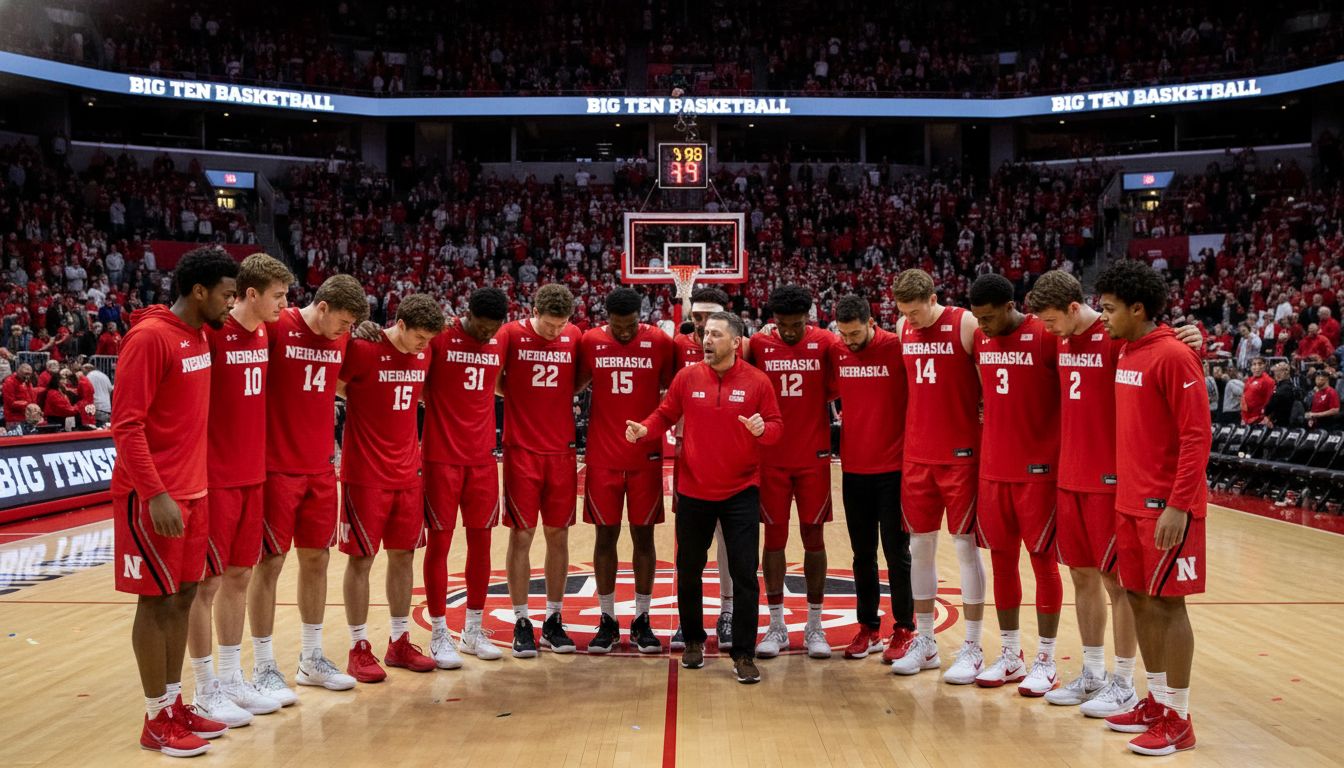
That’s where accountability and toughness show up – not in the press conference after a win but in those first two years when nothing works and your record is daring the administration to lose faith. Hoiberg didn’t flinch; he recalibrated the roster, system and standards, betting that if he found the right mix of skill, length and competitive edge, the results would eventually catch up. By 2024, Nebraska was back in the NCAA tournament for the first time in a decade with a 23-11 record, proof that the foundation was holding. They slipped just outside the bracket the following year, a reminder that in a conference as rugged as the Big Ten, nothing stays given. Then came this season’s eruption – 20 straight wins to open the year, the highest AP ranking in program history at No. 5, and a style of play that finally matched the noise coming out of Husker Nation.
Hoiberg’s roster wasn’t built on five-star hype; it was engineered around fit, mentality and complementary roles, the way grown programs operate. Iowa transfer Pryce Sandfort brought the shooting that stretches defenses and breaks scouting reports, the kind of perimeter threat who can tilt a game in three possessions. Rienk Mast, the versatile Dutch big man, gave Nebraska a frontcourt anchor who could bang, pass and space – a modern big who lets you play fast without getting bullied on the glass. At the point of attack was Sam Hoiberg, the coach’s son, a senior guard who had to earn his minutes in a room that knows exactly whose name is on the office door. When your own kid is out there, you either lean into nepotism or you make a point of proving everything is earned; the way this locker room responded tells you which lane Fred chose.
The other thing that matters here is geography and bloodlines. Hoiberg isn’t some hired gun who parachuted in to rehab his résumé; he’s Lincoln-born, with a lineage that runs through the program and the university. His maternal grandfather, Jerry Bush, coached Nebraska from 1953 to 1963, back when the idea of national relevance was barely a whisper. His paternal grandfather, Otto Hoiberg, put in three decades teaching at the school, and both of his parents graduated from Nebraska. So when Hoiberg says, "This place means a lot to me," it’s not a press release quote – it’s a man staking his name on a job that can either elevate your legacy or bury it for good.
He already knew what building looks like from the inside. At Iowa State, his alma mater, he took a program stuck in neutral and steered it to four straight NCAA tournament appearances after his own 10-year NBA career. That résumé is why Nebraska was willing to ride out the early failures rather than cutting bait when the win-loss column turned ugly. You don’t bring in a coach with that background to chase quick fixes; you bring him in to change the way your program walks into every arena. What we’re seeing now is the payoff: a Nebraska team that’s no longer hoping to just sneak into March but is starting to expect to matter once it gets there.
The AP Coach of the Year vote itself underlines how far this thing has come. Hoiberg edged out Duke’s Jon Scheyer, who had the Blue Devils sitting at No. 1 for the final month of the regular season, riding star freshman Cameron Boozer and pounding teams in the paint after shifting away from a perimeter-heavy identity. Arizona’s Tommy Lloyd, who had the Wildcats back on the national stage with nine weeks at No. 1 and their first Final Four since 2001, also pulled strong support. Those are heavyweight résumés. For Hoiberg to come out on top says the media panel saw something bigger than just wins – they saw transformation, context, and the degree of difficulty in turning a so-called football school into a basketball problem.
Now, let’s be clear: one Sweet 16 doesn’t crown a new blue blood, and one national award doesn’t lock in a legacy. There’s still the question every coach faces after a breakout year – can you sustain the standard when the scouting reports, expectations and transfer portal battles all tilt against you? In the Big Ten, with brands that already expect Final Fours, there’s no hiding once you start hanging 20-win seasons and top-five rankings. The next step for Hoiberg is proving this wasn’t a moment but the start of a run, and that requires the same stubborn patience he showed when the losses piled up. If Nebraska keeps stacking 20-plus win seasons, getting back to March, and occasionally punching through to the tournament’s second weekend or beyond, that’s how you change a program’s reputation for good.
What separates this story from a feel-good feature is the edge underneath it. Hoiberg took over a program that had gone to the NCAA tournament once in 21 seasons and turned it into a team that expects to be in the bracket and expects to have something to say once it’s there. That doesn’t happen with slogans; it happens with hard choices about who plays, who sits, and who even gets to walk into the locker room. It shows up in defending like every possession is personal, in playing fast without playing reckless, and in refusing to accept the idea that Nebraska basketball has a ceiling defined by its football history. You don’t have to anoint Nebraska as the next powerhouse to admit this: Fred Hoiberg just put the rest of the Big Ten on notice that the Huskers are done being background noise.