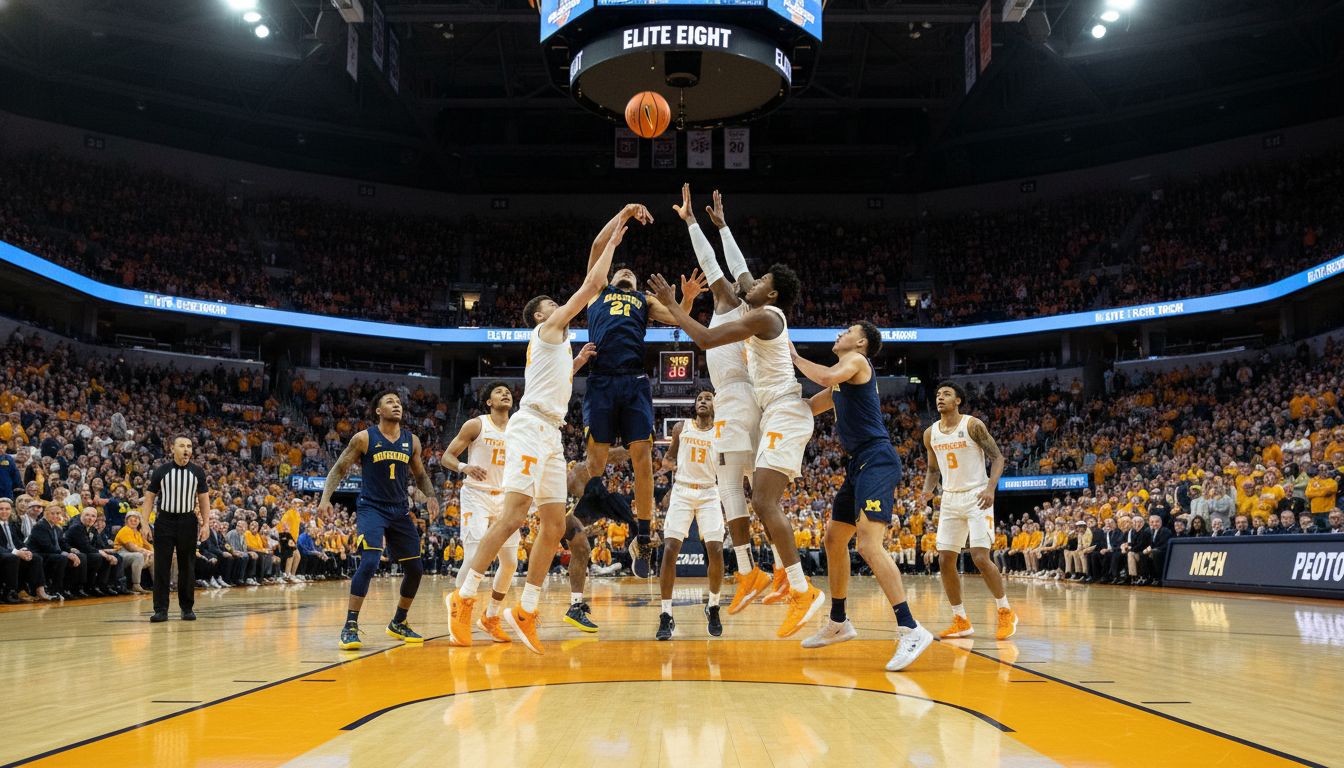
Two games, four brands, zero Cinderellas. That is the reality of Sunday’s Elite Eight slate, where Tennessee meets Michigan in the Midwest and Duke faces UConn in the East with the final two Final Four tickets on the line. The bracket may not have delivered a feel‑good mid‑major story, but it has given us something just as revealing: a clear look at how big‑time programs leverage resources, reputations and coaching stability when the stakes are highest. Strip away the hype, and what remains is a simple question that cuts across college sports: when all the money, pressure and attention converge on 40 minutes of basketball, which programs are actually built to execute – and which are just good at selling the dream? Sunday’s games offer a useful case study.
Start in the Midwest, where No. 6 seed Tennessee is trying to break through a ceiling the program has felt for decades. Rick Barnes, in his 38th year as a head coach, has spent the last few seasons quietly rewriting his March narrative, guiding the Volunteers to at least the Sweet 16 in four straight tournaments without the luxury of a No. 1 seed. This year’s team arrived in the Elite Eight the hard way: 11 regular‑season losses against one of the toughest schedules in the country, then three NCAA Tournament wins by an average of 14.3 points while scoring 77.7 per game. That uptick is not an accident; it is what happens when an experienced group leans into its identity, pounding the offensive glass and manufacturing points through contact and second chances. If Tennessee advances, the bracket will call it an upset by seed, but in terms of preparation, physical maturity and tactical clarity, the Volunteers look far more like a seasoned contender than an interloper.
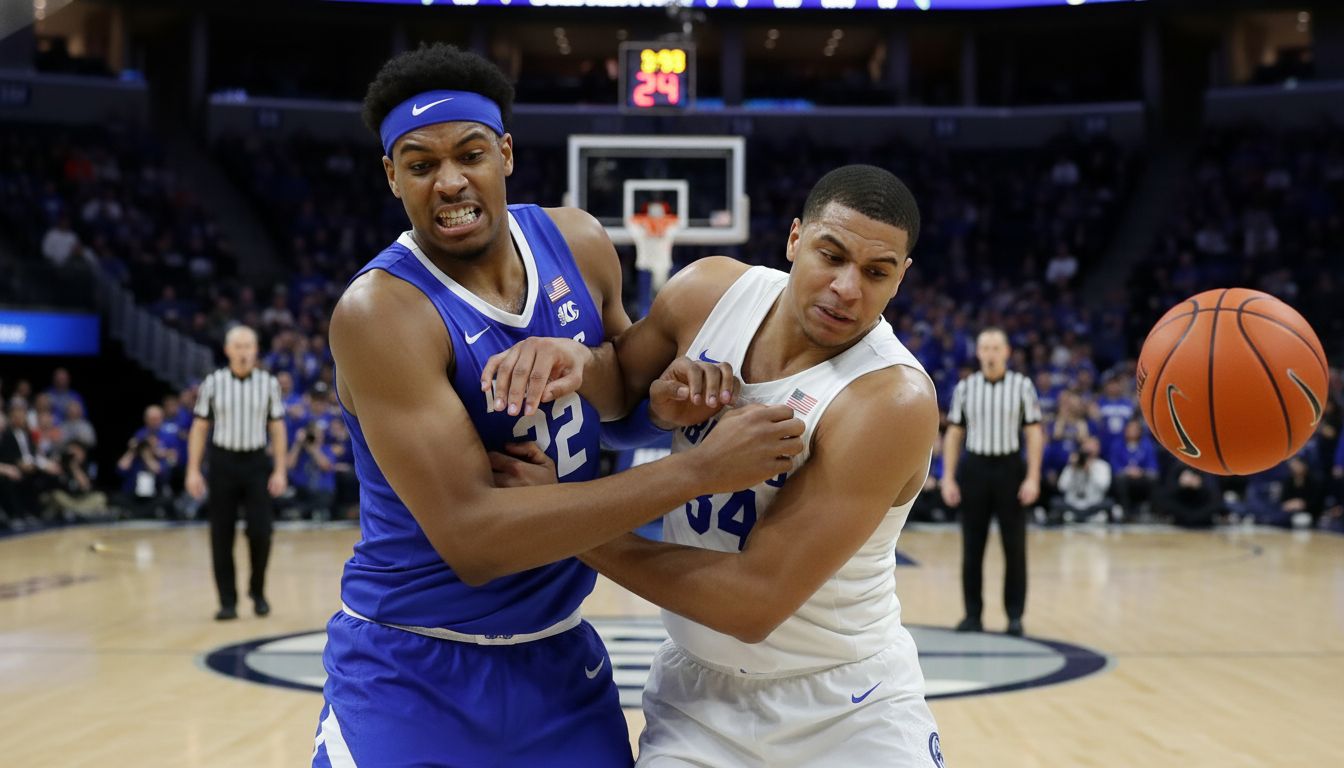
Across from them is Michigan, a program that has spent the season playing like a No. 1 seed that knew it from day one. The Wolverines bring 34 wins, a 14‑0 start that shoved them into the national title conversation early, and the Big Ten Player of the Year in Yaxel Lendeborg, whose two‑way presence has been the spine of their dominance. They also have geography on their side: a regional in Chicago that feels less like neutral territory and more like an annexed home court, the kind of advantage only certain brands routinely enjoy in March. Defensively, Michigan is built to smother: length at the rim, discipline on the glass and enough depth up front to turn the lane into a negotiation, not an invitation. On paper, that should counter Tennessee’s bruising style, but here is where the small details that separate elite programs from merely good ones matter – foul management, defensive rotations under fatigue, and whether Michigan can handle a team determined to turn every miss into a scrum.
The tension in that matchup is less about talent than about margins. Tennessee’s path to survival is clear: attack the paint, live on the offensive boards and force Michigan into uncomfortable decisions by drawing fouls, especially on its anchors inside. Those trips to the line and extra possessions may not make highlight reels, but they often decide who gets to cut down nets and who gets a quiet flight home. Michigan, for its part, must protect the glass like a revenue stream and resist the temptation to get drawn into a wrestling match it does not need. The Wolverines have been an elite defensive operation all season; Sunday is the test of whether that identity holds when an opponent is intentionally trying to fray it at the edges.
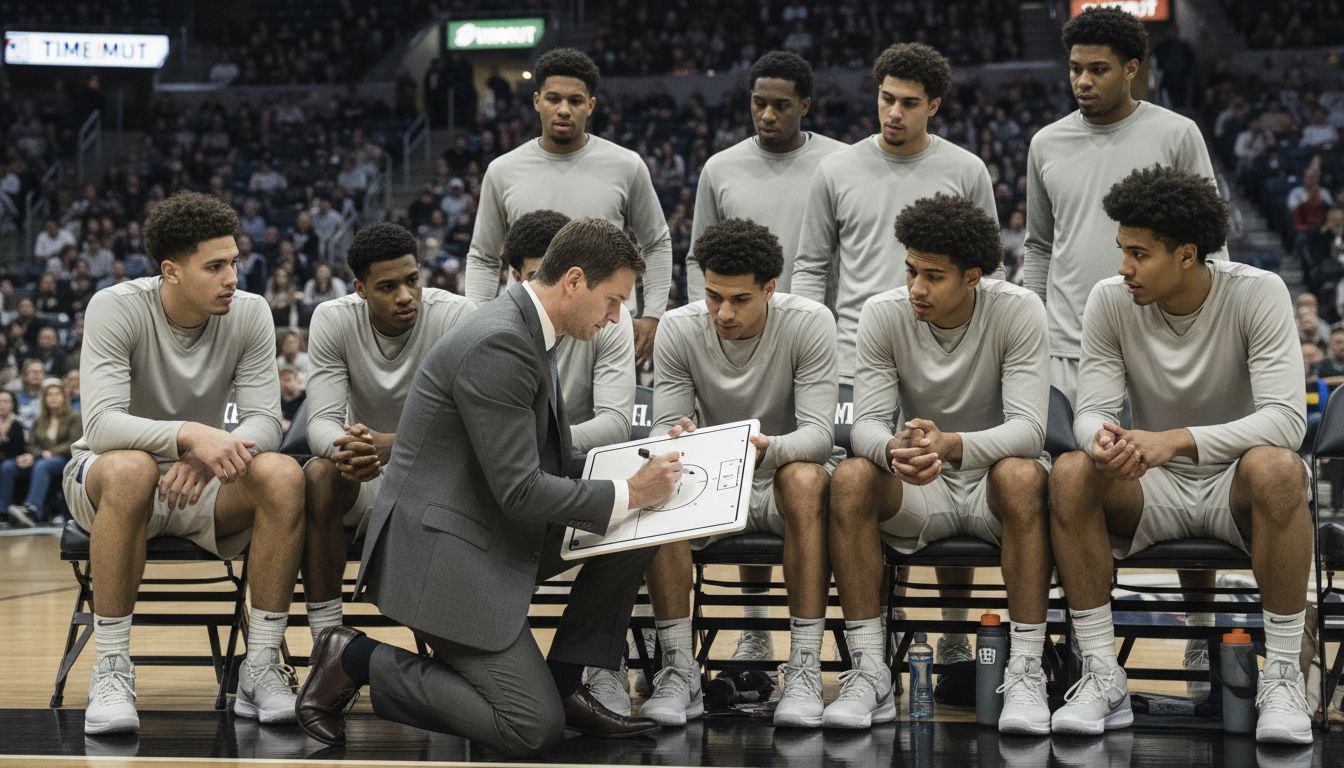
If the Midwest is a study in physicality and margins, the East is a referendum on aura and adaptation. Duke, the No. 1 overall seed, is chasing a sixth national title and its first under Jon Scheyer, who inherited one of the sport’s most scrutinized jobs and has quietly built a team that is ruthless when the clock is closing. All season, the Blue Devils have treated the final minutes like their private office, tightening their defense in winning time and trusting Cameron Boozer to organize the offense when everyone in the building knows the ball is going through him. What they have not done particularly well is start games with the same clarity; Duke has already trailed at halftime in two of its three tournament outings and only led TCU by four at the break in the Round of 32. That habit of problem‑solving mid‑game is impressive, but it is also a risk against elite opposition that does not wait around while you figure yourself out.
Enter UConn, a No. 2 seed in name only and a program that has turned March into something close to a franchise product, with two national titles in the last three years and six since 1999. The Huskies have shown a particular knack for starting on the front foot, as Michigan State learned when it was outscored 25‑6 in the first 10 minutes of their Sweet 16 matchup. Expect more of the same design on Sunday: schemes to get Tarris Reed Jr. deep touches early, probing for foul calls on Boozer and forcing Duke to contemplate crucial first‑half minutes with its star on the bench. In a tournament where one whistle can tilt the geometry of a game, that sort of targeted game plan is not gamesmanship; it is simply understanding where the leverage points are and pulling them without apology. Duke’s challenge will be to impose its late‑game toughness without surrendering too much ground in the opening act.
Both games spotlight a recurring dynamic in modern college basketball: how much of March is about roster talent, and how much is about institutions that know how to operate under bright lights and short turnarounds. Tennessee’s repeated deep runs suggest a program that has learned from its exits rather than rationalized them away, an under‑discussed form of accountability in an industry that usually blames the whistle, the bracket, or the one‑and‑done that left too soon. Michigan’s steadiness this season reflects a system that has aligned player development with expectations, resisting panic amid early success – a small but notable contrast to programs that spend their best months reading their own press. Duke and UConn, for all their banners and budgets, still have to navigate the same 40‑minute windows as everyone else, and their margin for error is often smaller because opponents treat them like measuring sticks. Strip away the logos and what remains are four teams trying to answer the same question: when pressure arrives, do your habits bend, or do they hold?
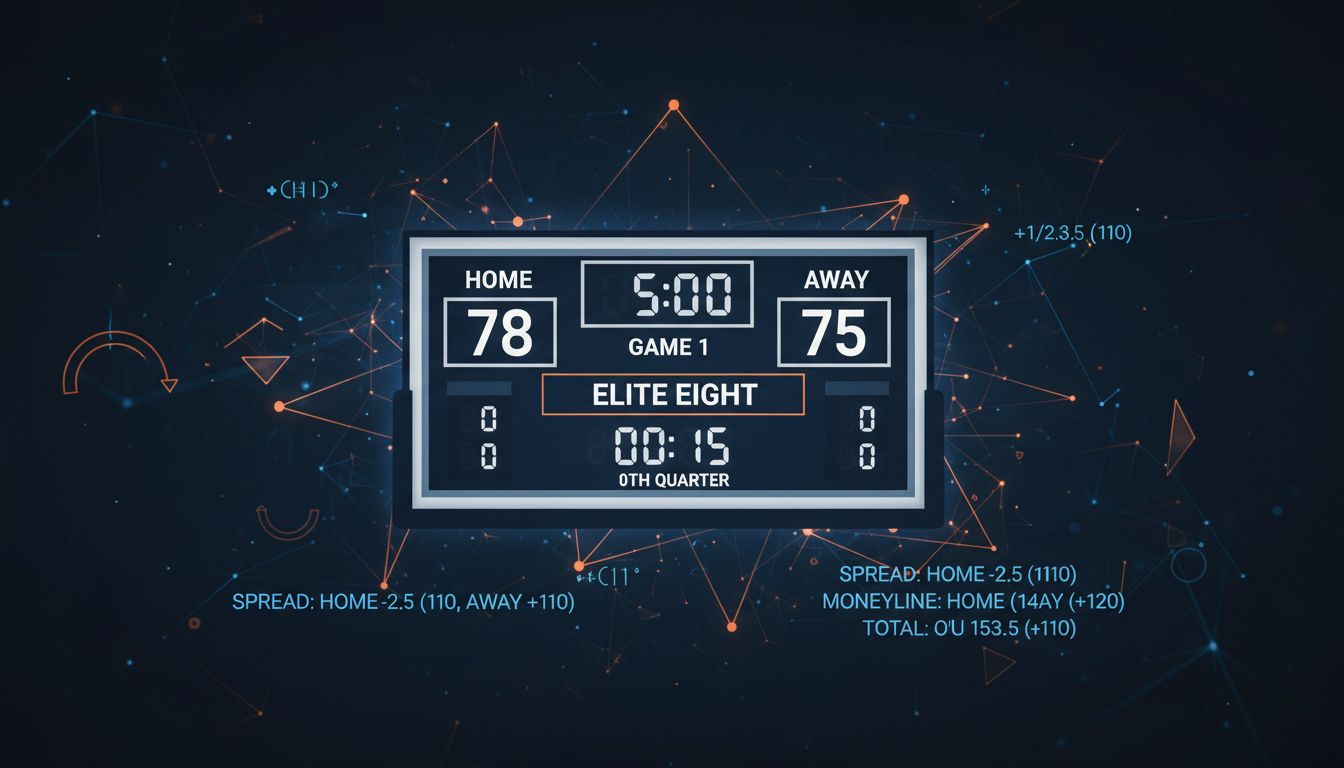
From a betting standpoint, analysts have gravitated toward a few recurring themes: Tennessee’s ability to push its team total above 69.5 by weaponizing the offensive glass, and UConn’s edge in the first half against a Duke squad that tends to grow into games rather than dictate them from the opening tip. Those aren’t just wagering angles; they are shorthand for how these teams have chosen to win. Tennessee is built to live in the paint and test officials’ thresholds for contact, while UConn is built to hit opponents with a scripted punch early and let its structure do the rest. You do not need a betting slip to appreciate those choices, but the odds board often has a way of exposing which identities are real and which are marketing slogans. On Sunday, every possession will feel amplified, every whistle debated, and every coaching adjustment dissected – as it should be when programs with this much history, money and expectation collide. And when the dust settles and two teams are left standing, the box score will tell you who advanced, but the film will tell you something more important: whose systems, habits and preparation were worthy of the stage, and whose were simply along for the ride.