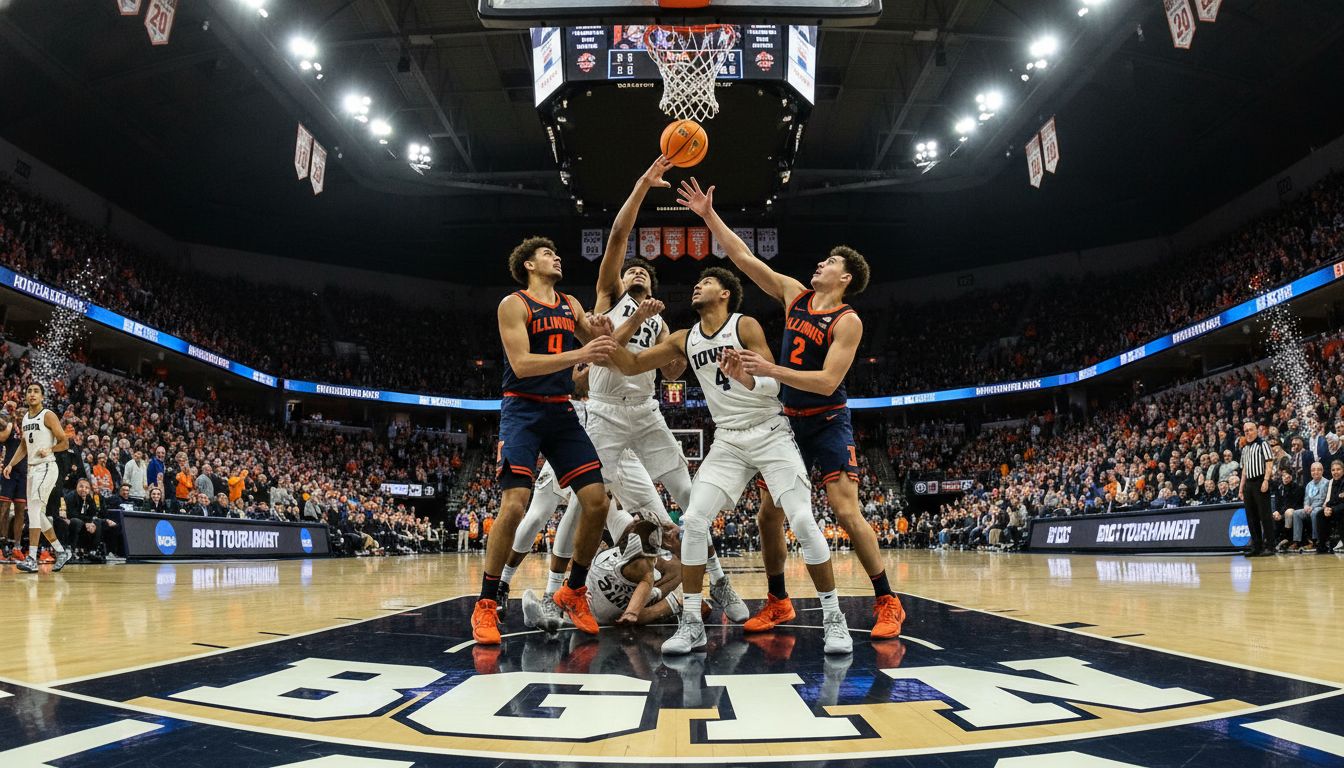
Let’s start with the uncomfortable truth Big Ten fans pretend not to know: for all the chest-thumping about being the “best basketball league in the country,” this conference hasn’t hung a men’s national title banner since Michigan State in 2000. That’s 26 years of advanced metrics, TV contracts, and sold-out arenas, and exactly zero parades. So when Illinois and Iowa meet in the Elite Eight, it’s not just a conference showdown; it’s a full-blown referendum on an entire league’s self-image.
This Elite Eight is only the third time in history that two Big Ten teams have squared off at this stage of the tournament, which tells you how rare it is for the league’s internal pecking order to get exposed under this kind of spotlight. The last time it happened was 2000, when Wisconsin beat Purdue, then ran into Michigan State in an all–Big Ten semifinal that ended with Tom Izzo cutting down nets. Before that, you’ve got to go back to 1992, when Michigan’s Fab Five took out Ohio State.
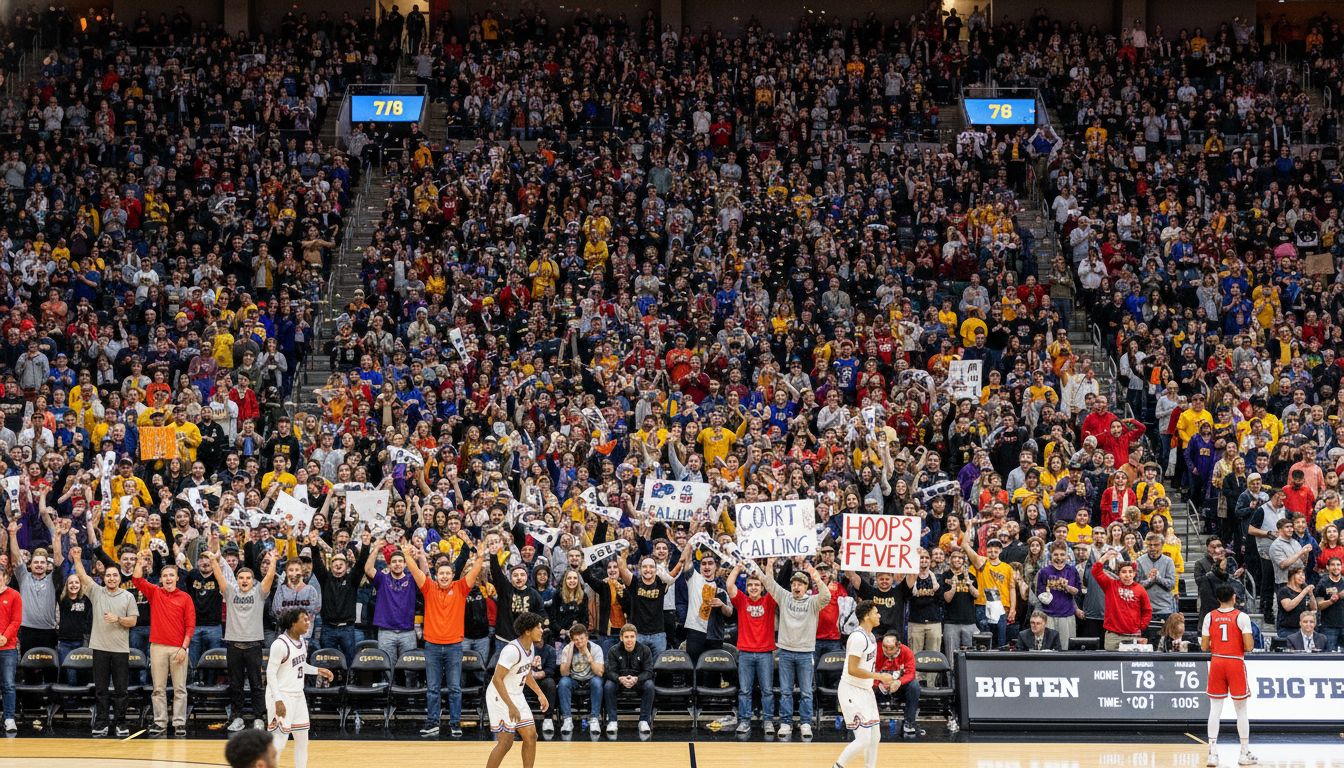
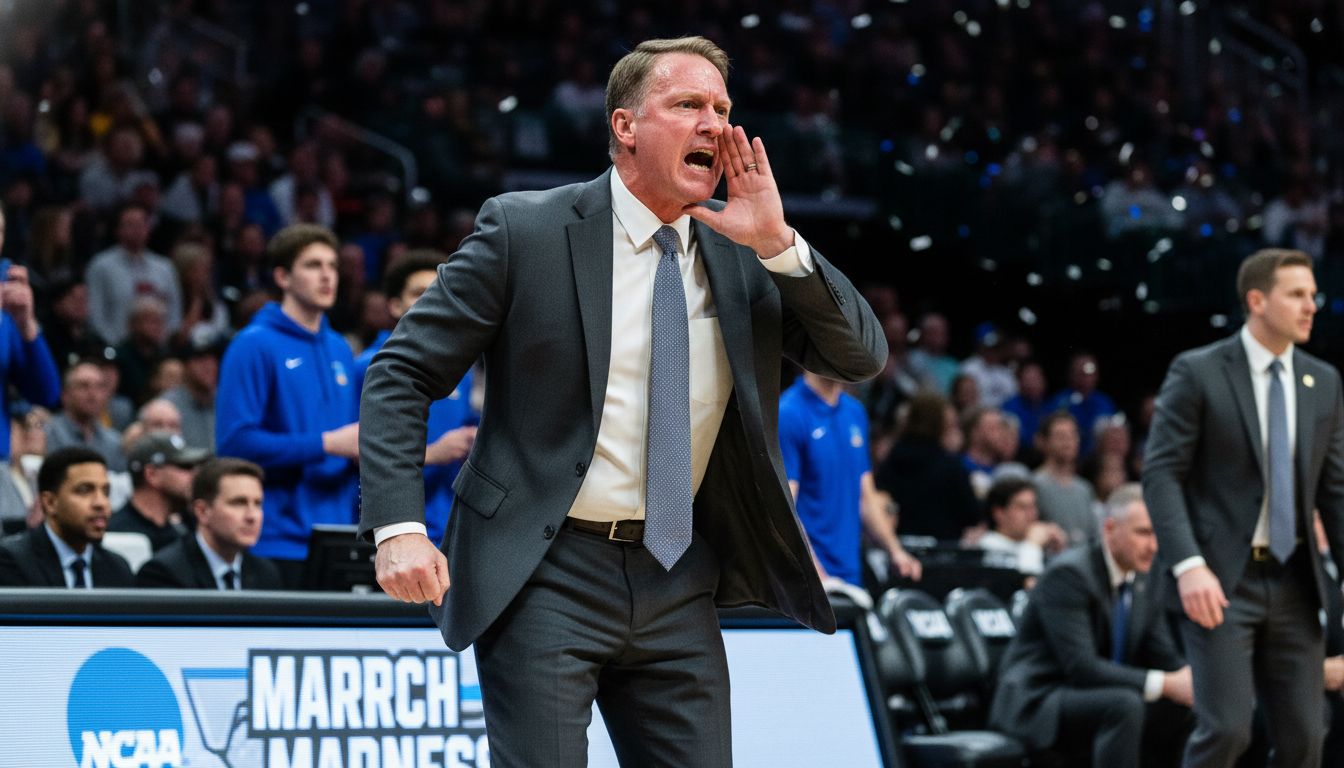
Coaches, naturally, are staying on message. Illinois’ Brad Underwood called the Big Ten “the best basketball league out there,” citing the fans, the sellouts, the informed crowds, and the way regular-season games feel like statewide events instead of just campus nights out. And he’s not totally wrong – if you’ve ever seen a Tuesday night game in Madison in February, you know those people treat a random conference game like it’s a constitutional referendum. But here’s the thing: passion is not a trophy, and fan IQ doesn’t show up on a banner.
Underwood also pointed to the Big Ten’s depth and stability – Michigan State with Izzo, Purdue with Gene Keady and Matt Painter, programs that have had a clear identity for decades. When he took the Illinois job nine years ago, he framed the challenge as chasing those institutions, and to his credit, he’s dragged the Illini into their second Elite Eight in three years. That’s not nothing; that’s actual, on-court progress, not just media buzz.
Iowa, meanwhile, is playing the role the Big Ten rarely gets credit for: the climber that disrupts the old hierarchy instead of just reinforcing it. Ben McCollum shows up from Drake, brings Bennett Stirtz and a mini-caravan of transfers with him, and suddenly the Hawkeyes are not just surviving the Big Ten, they’re thriving in it during their first tournament together.
From 10,000 feet, the Big Ten has all the structural advantages the modern college sports industrial complex can offer. It rates as a top-two league at KenPom in six of the last eight seasons and never dips below third. It’s cashed in on realignment, scooped up massive markets, stacked donor money, and ridden the wave of consolidation that’s turned conferences into content farms.
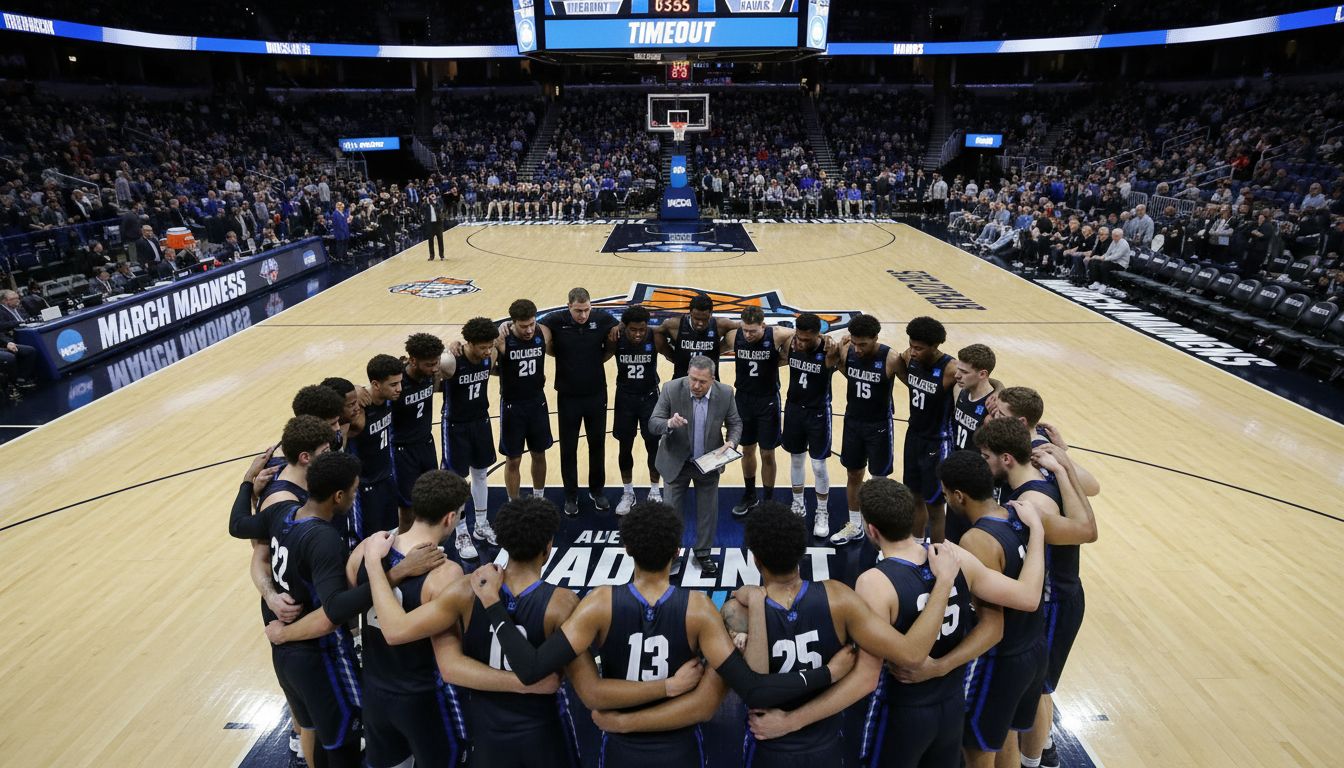
The irony is that as leagues balloon to 16 or 18 teams, intra-conference Elite Eight games like this should become more common, almost a scheduling inevitability. We’ve already seen regional finals between schools that are now league-mates, even if they weren’t at the time, so the “conference vs. conference” storyline didn’t land with the same force.
Recent rule changes around compensation in college athletics have helped Big Ten teams succeed, leveling the playing field by allowing schools to pay players through direct revenue share or NIL dollars. This has enabled Big Ten schools to overcome past recruiting disadvantages and build stronger rosters. Illinois and Michigan are now in the Final Four, with Illinois leveraging European talent and Michigan excelling through strategic use of the transfer portal.
The Big Ten has already won the past three national titles in football, and with two teams in the men's Final Four, it has a chance to break the 26-year basketball title drought. The league is awash with talent, and this could mark a new era of dominance for Big Ten basketball.