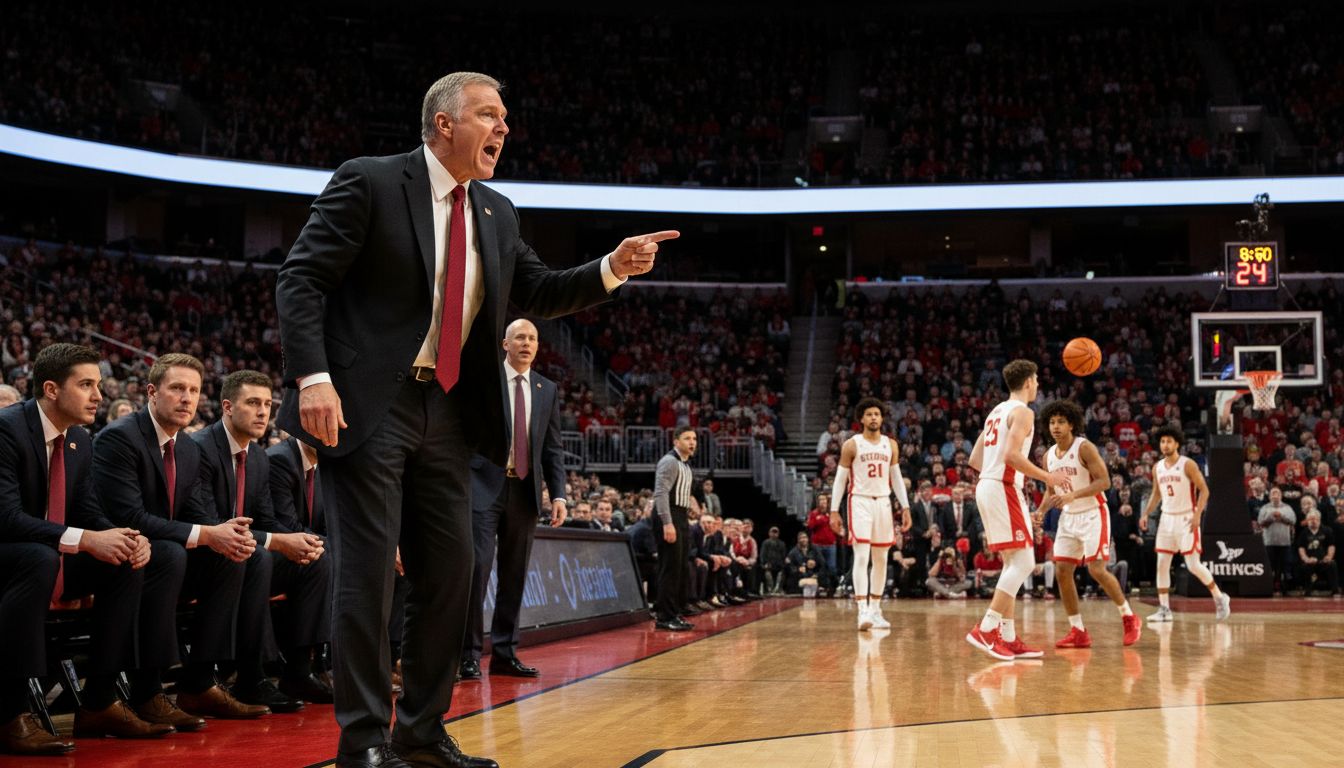
If you follow college hoops long enough, the record book starts to look less like a clean ledger and more like a family scrapbook – smudges, cross‑outs, and all. Rick Pitino’s latest milestone is a perfect example. With St. John’s 87–82 overtime win over Xavier, Pitino moved into third place on the Division I men’s all‑time wins list with 904 victories, nudging past Roy Williams. On paper, that vaults him into rare air behind only Jim Boeheim and Mike Krzyzewski. In reality, it’s a little more complicated – and, fittingly, it came in a game where the opposing coach was his own son, Richard.
Let’s start with the numbers, because as any Gonzaga grad who’s argued RPI vs. KenPom in a bar can tell you, context matters. The NCAA books Pitino at 904 wins, but that total includes 123 victories that were officially vacated after the Louisville scandal – four straight 27‑plus‑win seasons wiped from the record. Those games happened, players sweated through them, fans filled seats, and yet the official line strikes them out. So when we say he’s now third all‑time, we’re really talking about a hybrid of what was played on the floor and what survived in Indianapolis. It’s not unique to Pitino either; John Calipari, the only active coach within 50 victories of him, has vacated wins folded into his 894 as well.
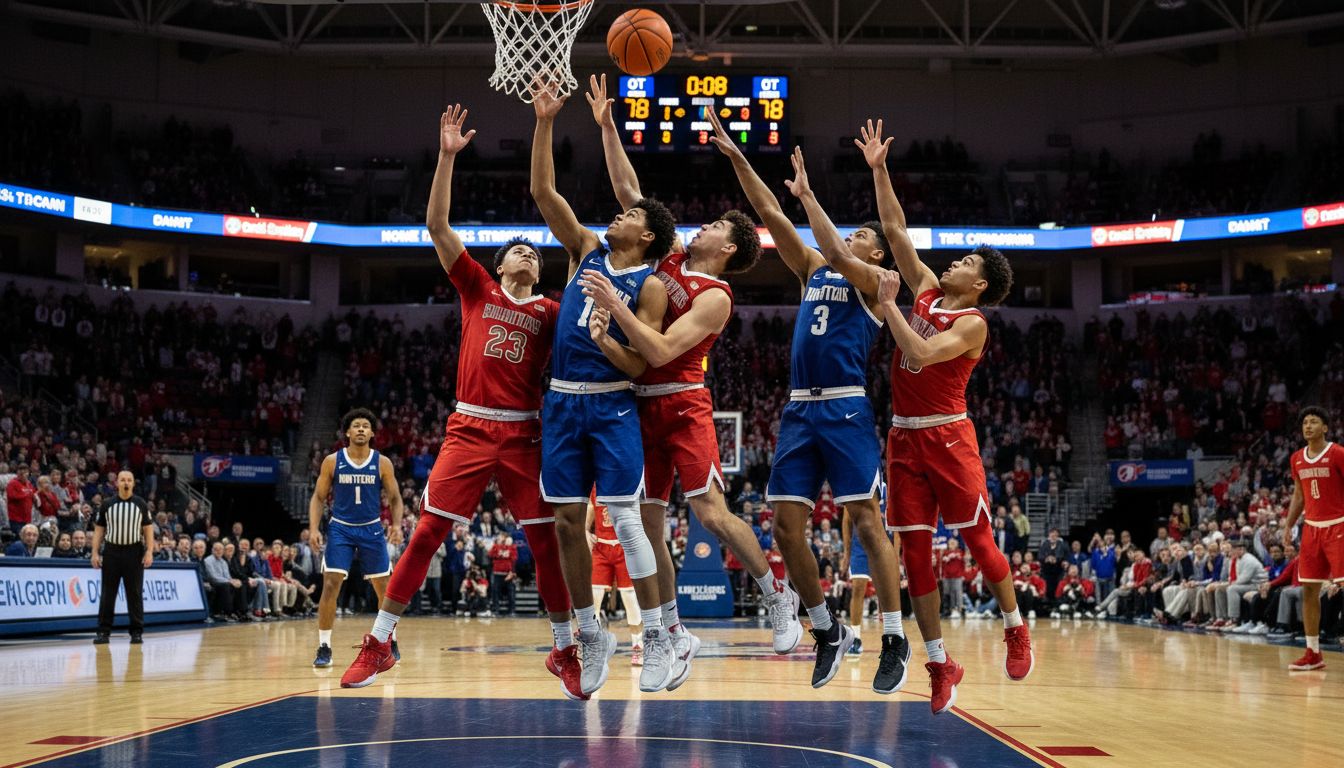
The game itself in New York had all the drama you’d expect from a family showdown. St. John’s, now 19–5 and 12–1 in the Big East, needed overtime to get past Xavier, which sits at 12–12 and 4–9 in league play. Zuby Ejiofor powered the Red Storm with 25 points, including six in the extra session, while Tre Carroll poured in 21 for the Musketeers, 17 of those after halftime to keep things tight. It was the second time in three weeks that father edged son, with St. John’s earlier 88–83 win doubling as Pitino’s 900th career victory. Some dads win the family H‑O‑R‑S‑E battle; Pitino just keeps stacking Big East thrillers against his kid.
For Richard Pitino, in his first season at Xavier, these games are a crash course in what life at a basketball‑centric school in a power conference really feels like. Xavier isn’t Louisville‑big, but it’s a place where hoops are the main event and expectations hit you as soon as you land at the airport. Pushing a 19–5 St. John’s squad to overtime, on the road, is the sort of loss that doesn’t comfort you in the moment but shows a foundation starting to form. He’s coaching under the long shadow of his father’s career, yet trying to build something with a different personality and less drama attached to the program’s name. In a sport that loves its dynasties, that kind of quiet reset takes patience that fan bases don’t always have.

Rick Pitino, now 73, has lived just about every chapter a modern college coach can. He’s been the architect of national powers, a symbol of the sport’s glamour era, and the face of one of its ugliest scandals. After the NCAA’s findings that he failed to monitor his Louisville program amid a recruiting and off‑court mess, Pitino left the college game entirely, resurfacing in Greece before returning stateside at Iona in 2020. From there to St. John’s is a straight line on a map but a winding road in reputation rehab. That so many of his wins are simultaneously celebrated and asterisked tells you as much about the sport’s ethics as it does about one man’s resume.
Out here in Spokane, watching all this from a WCC vantage point, you can’t help but compare tracks. Mark Few has built a national power at Gonzaga with fewer headlines and more continuity, while someone like Pitino has hopped blue‑blood posts, weathered scandals, and still climbed the all‑time list. Both approaches win games; only one keeps you universally welcome at alumni fundraisers. For fans of so‑called mid‑majors who’ve spent two decades asking the committee to look past our mailing address, there’s a certain irony in seeing the sport’s official records bend and flex for the biggest brands. You start to realize that “all‑time wins” is as much a reflection of institutional tolerance as it is of diagramming a good baseline out‑of‑bounds play.

None of that erases what Pitino does on a sideline. The man can still coach – his St. John’s team plays with a sharp edge, and that 12–1 Big East mark isn’t an accident. For players, he remains a magnet: someone whose practices are demanding, whose name still carries NBA gravity, and whose schemes reliably put guards and wings in positions to shine. At the same time, the vacated wins and NCAA language about failure to monitor are part of the same story, sitting there in the media guide next to Final Four runs. If you follow a Jesuit school, you get used to holding both truths at once: excellence pursued fiercely, and accountability that doesn’t always arrive on schedule.
As Pitino adds to his total – with Calipari lurking just behind him on the list – college basketball will keep wrestling with what, exactly, we’re honoring. Is it the raw number of nights your team had more points on the board, or is it a broader legacy of how those wins were built? From Spokane to Queens to Cincinnati, the sport’s map is dotted with programs trying to win big without losing their footing. Pitino’s 904 – or 781, depending on how you tally the vacated years – is a reminder that the box score never tells the whole story. For now, the record book will print his name in third place, and somewhere in a quiet gym, another coach is drawing up the next practice plan, chasing wins that, hopefully, never need an asterisk.