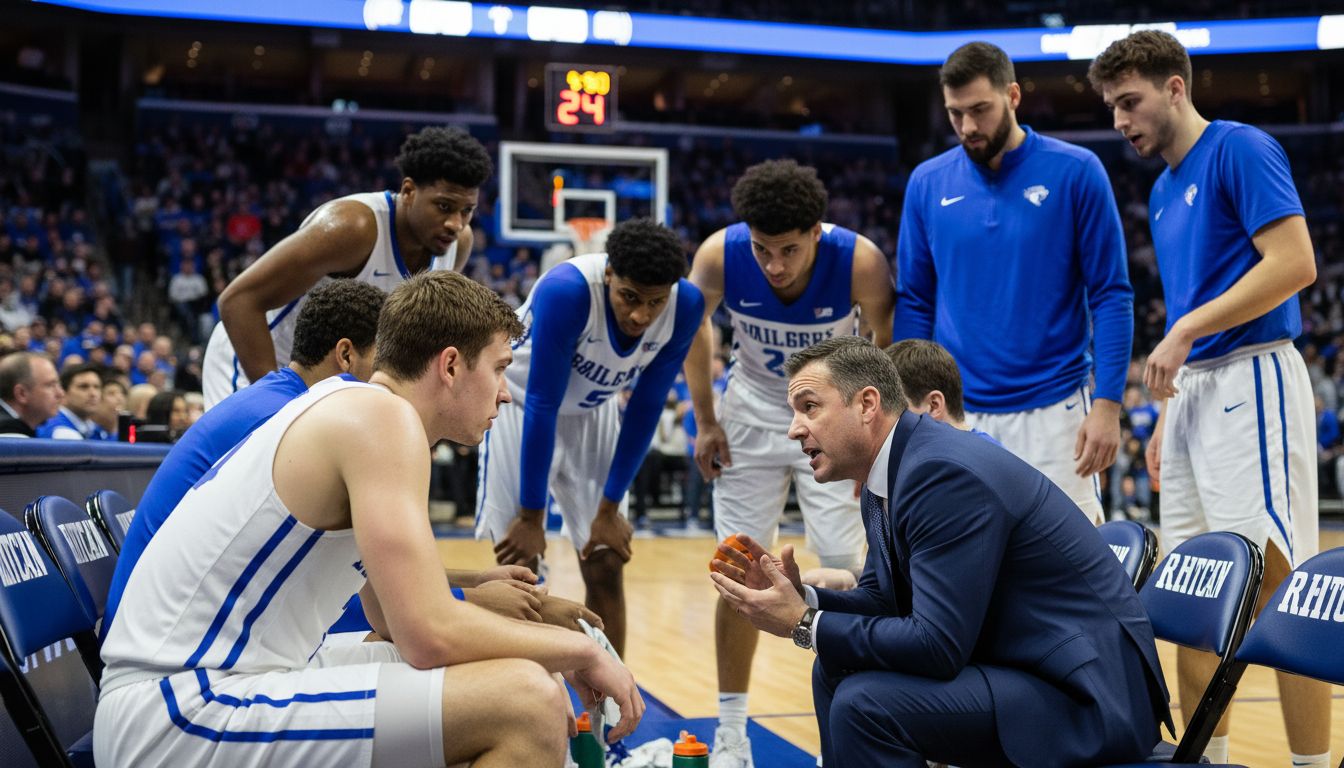
If you listen to the chatter around college hoops right now, you’d think Kansas’ entire season hangs on one freshman guard with the sniffles. Darryn Peterson missed his 11th game of the year the other night, this one chalked up to illness, and suddenly half the national media is treating it like a soap opera. Bill Self called the rumors about Peterson’s availability “not remotely true,” but that hasn’t stopped folks from chasing clicks. Here’s what’s getting lost in all the noise: Kansas has won eight straight and just knocked off No. 1 Arizona, 82–78, without the kid. You don’t pull that off unless you’ve got a locker room full of guys who punch the clock, trust each other, and don’t wait around for a star to save them.
The latest NCAA Tournament projections from Mike DeCourcy tell you more about where this Kansas team really stands than any hot‑take segment on TV. The Jayhawks have climbed to a projected No. 2 seed, which is a fancy way of saying they’ve put together one of the best résumés in the country as the regular season winds down. Winning eight in a row in a power conference is no fluke; it’s a grind, like working the late shift all winter and still showing up on time the next morning. That Arizona win might end up as the crown jewel when the committee starts stacking résumés in March. Peterson’s status will keep drawing headlines, but the guys lacing them up every night are the ones changing Kansas’ seed line.
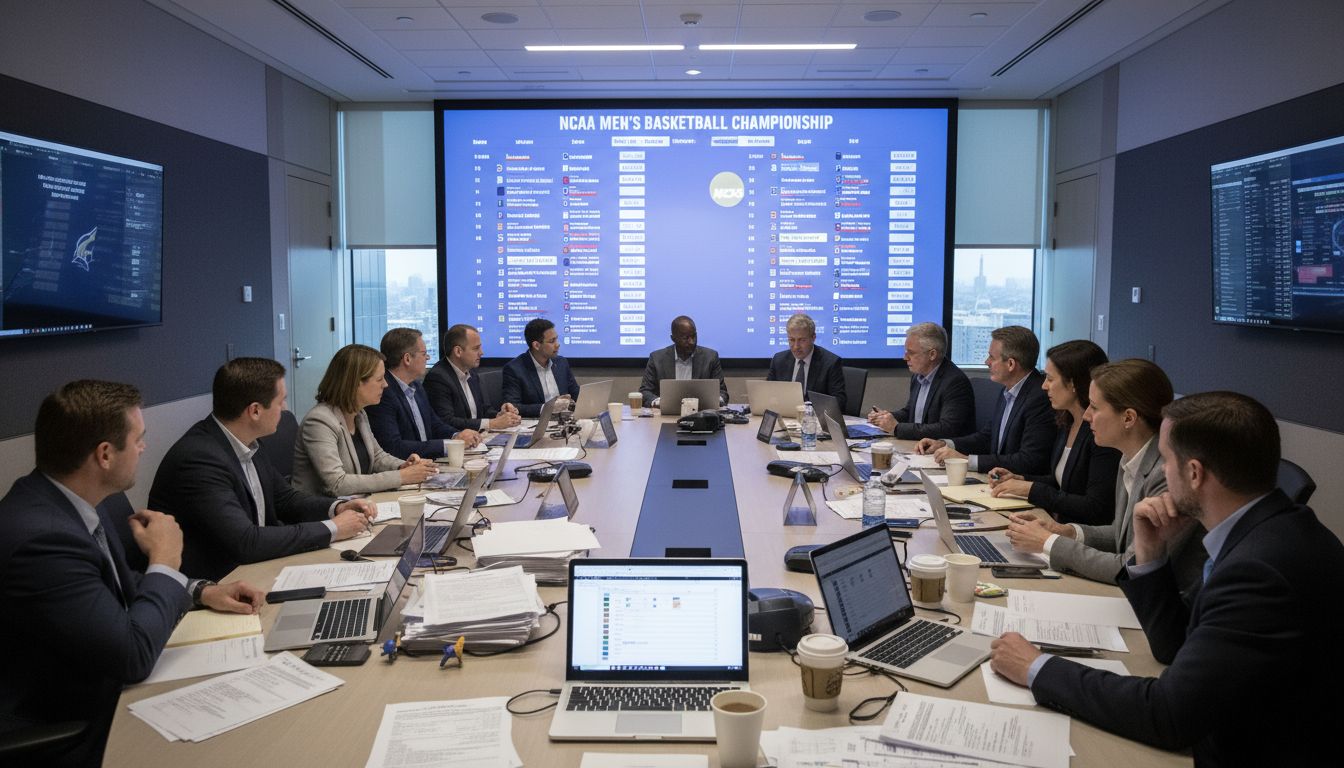
Step back from the Kansas drama for a second, and DeCourcy’s bracket gives you a pretty good snapshot of the whole landscape. Selection Sunday is just over a month away, which in college hoops time means every loose ball, every blown box‑out, and every dumb foul suddenly feels like it weighs 20 pounds. According to the projections, the SEC is flexing hardest with 11 teams in the field, followed by the Big Ten with 10 and the ACC with nine. The Big 12, which has been a street fight for years, sits at seven projected bids, while the Big East and West Coast Conference show up with three each. Those numbers aren’t just trivia; they tell you where the power has shifted, who’s doing the heavy lifting, and which leagues might be cannibalizing themselves.
Then there’s the bubble, the part of the bracket that’s basically a factory floor for stress. Right now, DeCourcy has Texas, Santa Clara, Virginia Tech and Missouri as the last four teams in, which is like being told you kept your job but HR wants another meeting next week. On the other side, San Diego State, Oklahoma State, Ohio State and New Mexico are the first four out, staring through the glass at a party they’re not invited to yet. Those programs are living in that week‑to‑week world where a single road win can change everything and a home loss might haunt you until Selection Sunday. If you’ve ever waited on a promotion while the boss “looks at all the options,” you know exactly how those fan bases feel.
One thing these projections remind you is that college basketball is still, at its best, about teams finding a way together over four months, not just one‑and‑done phenoms lighting up a highlight reel. Kansas’ run without Peterson is a perfect example: it’s not about dismissing star talent, it’s about respecting the guys who tape their ankles, do their jobs, and don’t complain when the camera’s pointed somewhere else. Media storms around injuries and illnesses are part of the business now, but they can drown out the stories of role players stepping up and coaches keeping 18‑ and 19‑year‑olds focused. From a working‑class point of view, that’s the part that resonates: the grind, the trust, and the idea that you win more with a tight crew than with a celebrity circus. The bracket projections, for all the drama they stir up, quietly reward that approach by bumping up teams that keep stacking wins, not headlines.
Of course, these forecasts aren’t gospel; they’re more like a union bulletin board—you get a sense of how things are trending, but nothing’s final until the vote’s counted. In the next month, some of those bubble teams will play their way safely into the field, a couple of “locks” will hit a skid, and some mid‑major is going to crash the party by winning its conference tournament. For now, though, DeCourcy’s bracket paints a clear picture of who’s rising, who’s fading, and which programs still have work to do on the night shift. If you’re a fan, this is the sweet spot of the season: every game matters, but nothing’s settled, and hope is still cheap. Just remember, when the talking heads fixate on one player’s status, the bracket committee is watching the whole crew.
So as Kansas rides its hot streak and the rest of the country fights for position, it’s worth tuning out some of the drama and paying attention to the habits that actually move teams up the seed line. Defensive stops in February matter more than rumor mill stories in January, and consistent effort beats narrative nine times out of ten. Whether you’re a diehard of a bubble team or just waiting to fill out a bracket at the office, keep an eye on who finishes possessions, who owns the glass, and who doesn’t blink on the road. Those are the traits that build the kind of résumé DeCourcy is rewarding right now. Come March, the teams that have been doing the blue‑collar work all season will be the ones we’re still talking about after the nets come down.