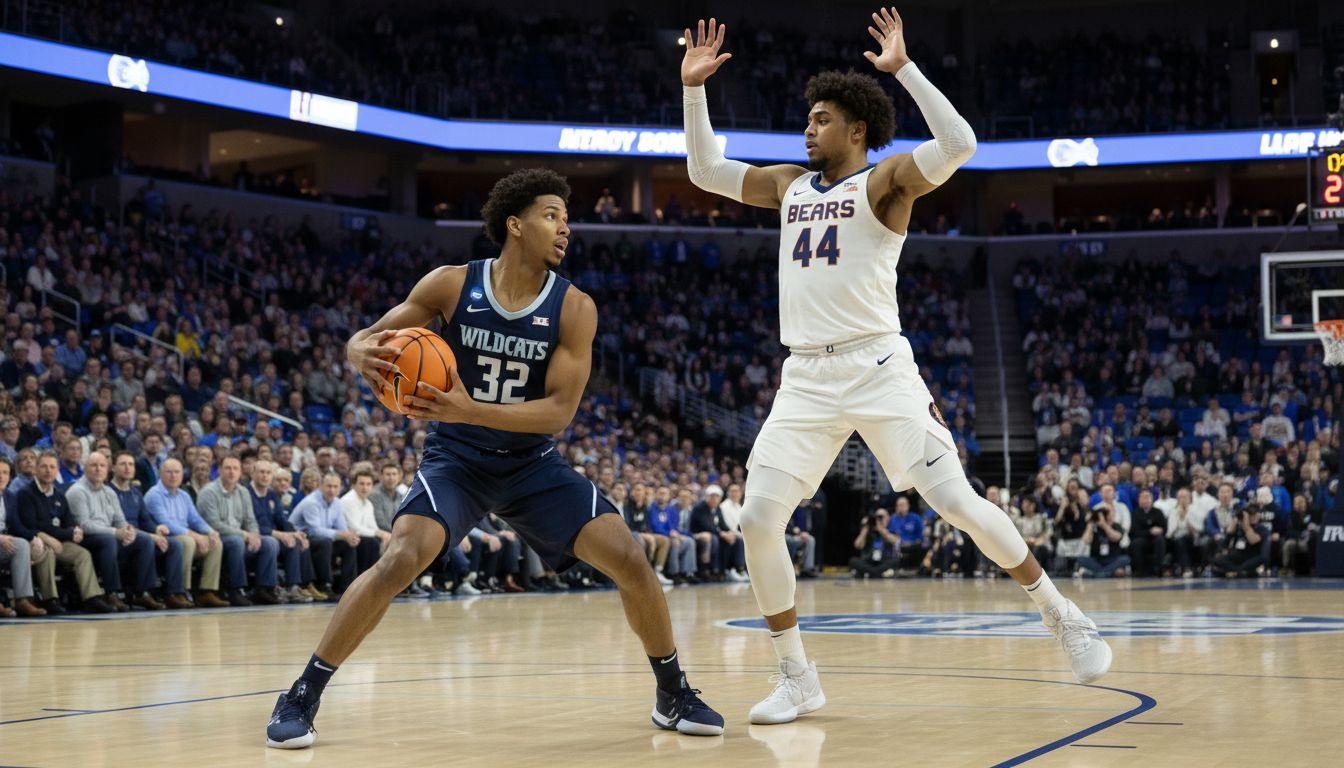
By the time Cameron Boozer finally released the ball against St. John’s, he’d already told three different stories with the same pair of hands. Pump once, twice, three times — each fake another question posed to a defender who had already run out of good answers. It’s an old move, almost quaint in an era obsessed with step-back threes and vertical leap videos, but in Duke’s hands it has become a kind of quiet rebellion against basketball’s obsession with spectacle. Where others chase highlights, the Blue Devils have doubled down on patience, angles and the small deceptions that don’t show up on mixtapes but decide games in March. Watching them, you’re reminded that some of the most modern offenses in college basketball are powered by the most ancient tools.
Boozer will never be confused with the most explosive athletes of his Duke lineage, and he’s fine with that. He doesn’t need to jump over you if he can get you off balance first, doesn’t need to be the loudest player on the floor if he can be the most composed. What he does possess is the kind of feel you can’t quite quantify but every coach recognizes in about two possessions: his sense of angles, his comfort with contact, his patience in the middle of chaos. When Boozer talks about "getting vision," he’s really talking about slowing the game down just enough to see what others miss — that sliver of space for a pass, that beat of hesitation that turns a good look into an uncontested one. In a sport that often rewards speed of decision, Boozer’s gift is knowing exactly when not to rush.
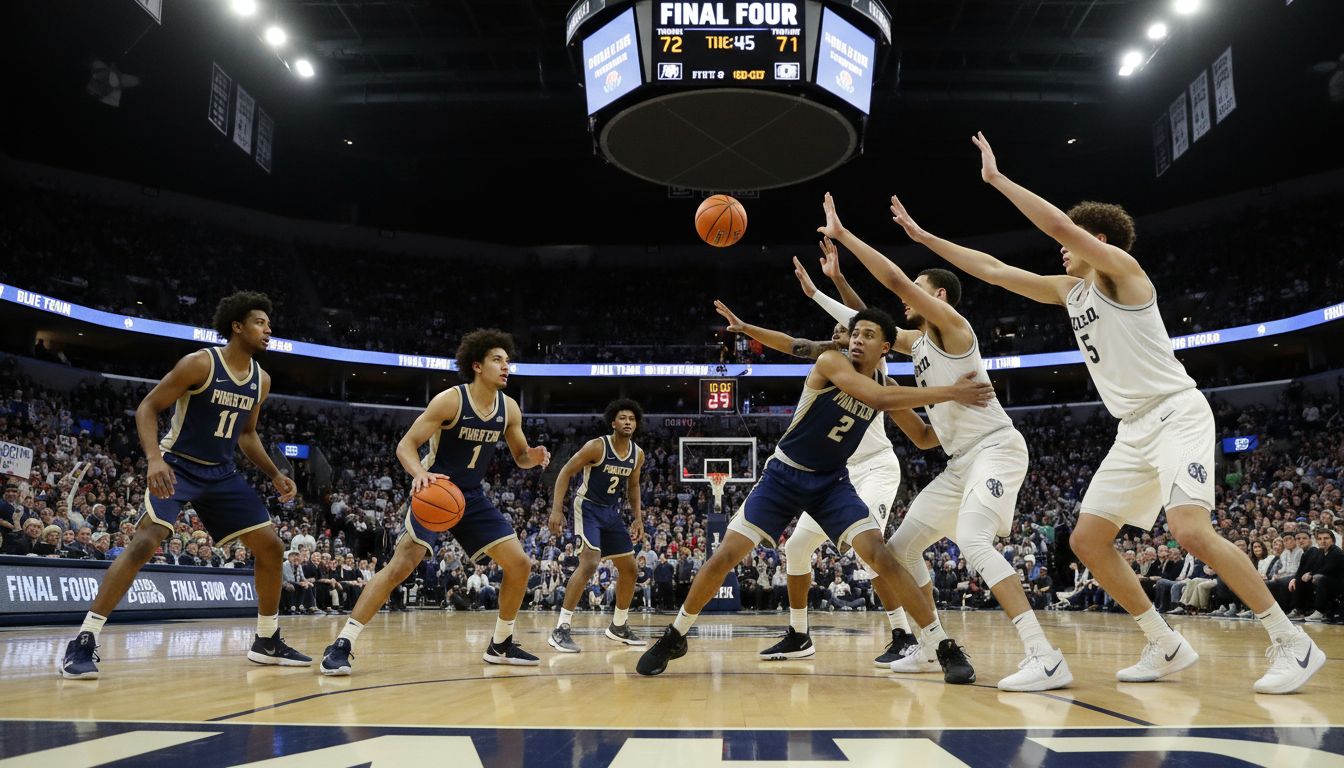
At Duke, the shot fake isn’t a throwaway fundamental; it’s part of the team’s grammar. Players talk about it the way a writer talks about verbs — essential, flexible, endlessly adaptable depending on context. Half of Duke’s made field goals against St. John’s came directly off pump fakes, a stat that reads almost like a typo in 2024. But on film, it’s obvious: the subtle shoulder twitch from Boozer on the block, Isaiah Evans freezing a hard closeout on the wing, Caleb Foster selling a rise into a jumper only to knife into the lane. Each fake isn’t just about fooling a defender; it’s about buying a breath, a moment of clarity in a crowded paint.
Head coach Jon Scheyer understands the paradox of modern college basketball: the floor is more spaced than ever, yet the paint has rarely felt more congested. With no illegal defense rules and bigs parked at the rim, driving lanes can close in a blink, especially in March when scouting reports are brutal and mistakes are few. So Scheyer has leaned into the fake as a pressure valve, a way to bend defenses without always beating them with speed. Boozer’s size and strength mean that when defenders finally do leave their feet, he has options: slide past, go through contact, or thread a pass to a cutter the help has abandoned. It’s not glamorous, but 272 free throws and 6.4 fouls drawn per 40 minutes are the kind of numbers that quietly swing tournaments.
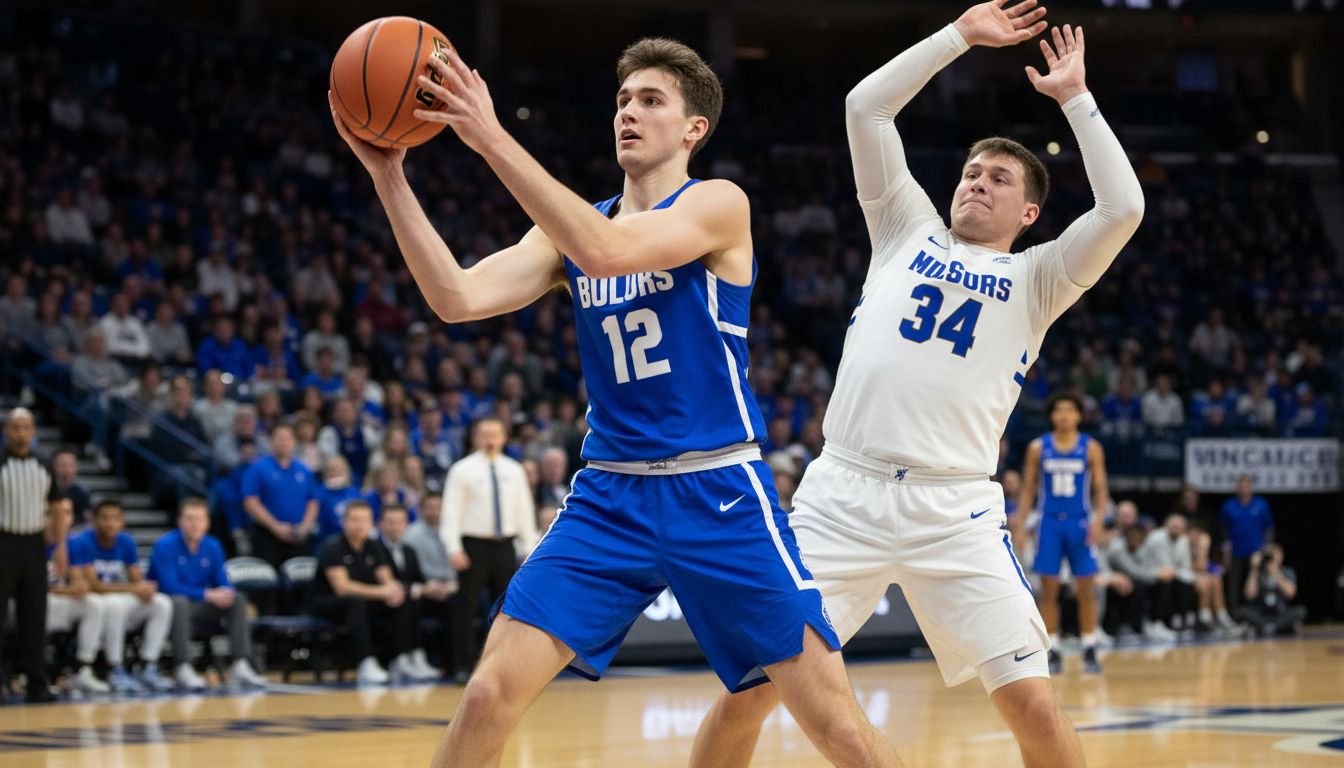
What makes Duke especially interesting is that the shot fake isn’t monopolized by one star. Evans, Foster, the Boozer twins, even role players like Nik Khamenia all have their own riff on the same move, shaped by their strengths. Evans, a feared shooter, almost jokes away his own pump fake, but that’s precisely why it works — defenders close hard because they know his jumper is real, and his improvement off the dribble has turned those overeager contests into layups and kick-outs. Around the team, there’s an almost playful debate about who owns the best fake, a small window into the culture: confidence blended with humility, and an understanding that everyone’s craft makes the system go. If you’re looking for swagger here, it’s less in what they say than in how quietly sure they are that a simple move, done well, still matters.
Of course, every elegance on offense meets its test against a defense that refuses to bite. UConn, waiting in the Elite Eight, offers exactly that kind of exam: long, disciplined, veteran, and coached by Dan Hurley, whose teams wear their defensive identity like a second jersey. The Huskies don’t just block shots; they contest with purpose, using length and timing to make even clean looks feel rushed. Forward Tarris Reed Jr. and two-time national champion Alex Karaban will spend much of their night living in Boozer’s airspace, trying to stay grounded on his fakes without surrendering deep position. Guard Solo Ball, tasked with tracking Evans, has already talked about the tightrope: respect the jumper, survive the fake, and do both without surrendering the lane.
This is the quiet chess of March that doesn’t always make the highlight reels. Will UConn’s discipline hold after 20, 30, 40 minutes of bumping with Boozer on the block, or after Evans strings together a couple of threes and a hard closeout suddenly feels like the only logical choice? How many times can a defender talk themselves into staying down when their instincts — and the roar of the moment — are pushing them skyward? Duke believes repetition has built the right habits: they fake with purpose, not panic, and they’re as willing to pivot into a pass as they are to hunt a whistle. UConn believes its habits will hold too, that technique and length can turn those same fakes into wasted motion.
There’s a larger story tucked inside all this footwork and body control: in a sport chasing the next big thing, Duke has earned an edge by doubling down on something small. There’s a kind of democratic beauty to it; the shot fake is available to anyone, regardless of vertical leap or star ranking. You don’t need a five-star rating to master a pause, a jab, a sold-upward glance that buys you space to breathe and decide. In that way, the Blue Devils’ reliance on the fake feels a bit like a reminder that craft still matters, that patience has a place even in the shot-clock era. For players watching from small gyms and quiet corners of the basketball map, that’s its own sort of encouragement: you might not grow three inches, but you can learn to sell a story with your shoulders.
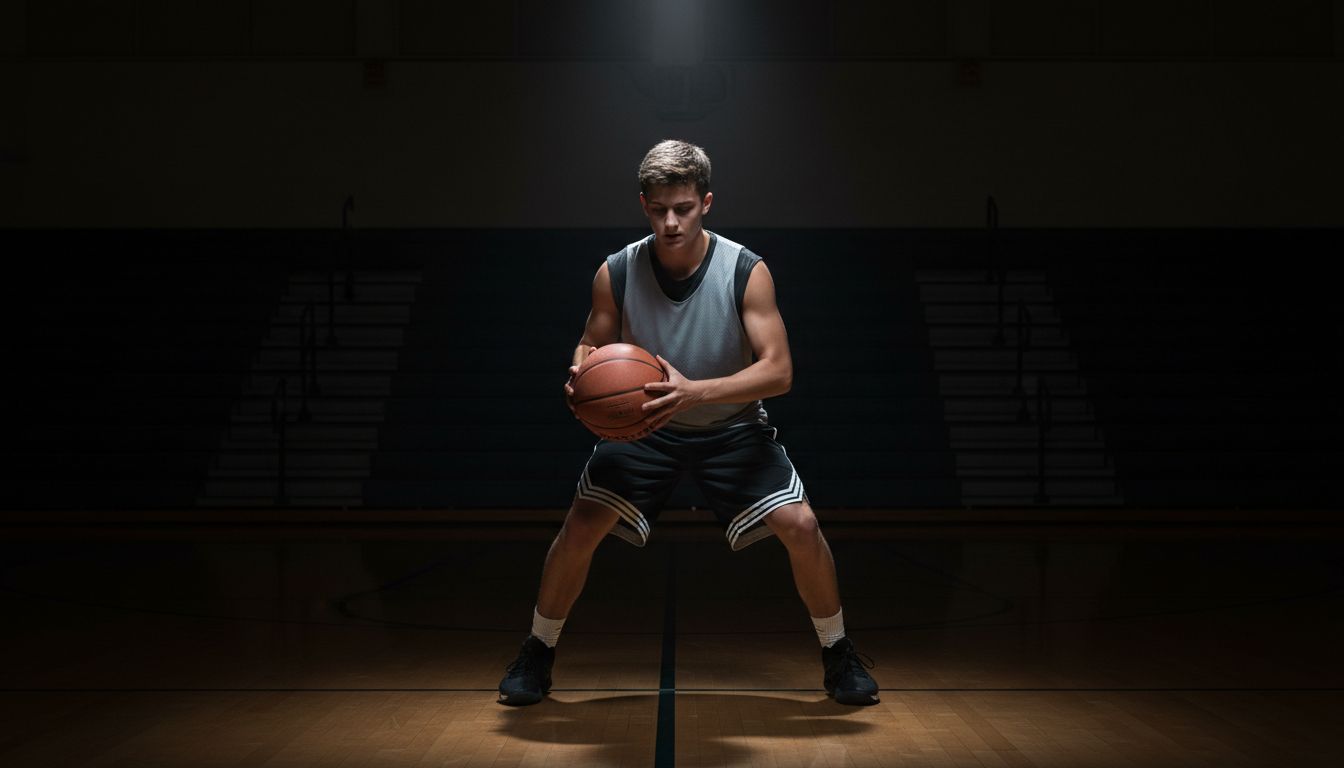
Pump fakes will not, by themselves, decide who cuts down nets; March is too chaotic, too full of broken plays and wild bounces for any one skill to own it. But they do tell you something about how a team sees itself. Duke’s identity in this run isn’t built on sheer overwhelm but on pressure applied in little pulses — a fake here, a foul drawn there, a defense nudged one step out of position until the dam finally cracks. UConn’s identity is the mirror image: sturdy, structured, trusting that if they don’t blink first, their talent and discipline will outlast the storm. Somewhere between those two philosophies lies the game we’re about to see, where the oldest trick in the book will meet one of the nation’s best at refusing to fall for it.
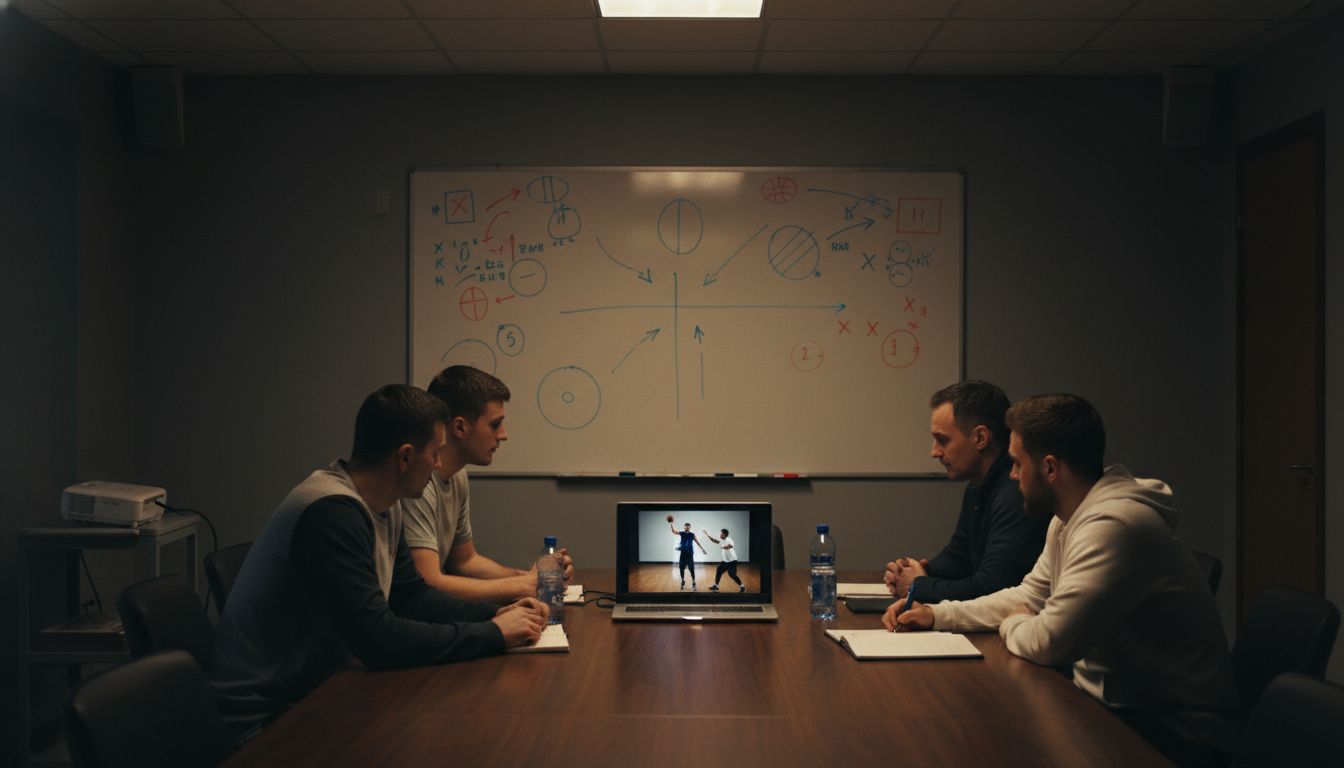
Whatever happens, the tape from this matchup will be studied in coaching clinics and film rooms for years, not because of some new out-of-bounds play, but because of how meticulously both sides test each other’s habits. If you watch closely, you’ll see more than just fakes and contests; you’ll see players negotiating trust in their work, battling frustration, and recalibrating in real time after each success or mistake. And maybe that’s the enduring appeal of a move as modest as the shot fake: it’s a tiny act of faith that your preparation will make someone else doubt theirs, a moment where composure turns into advantage. In an era of heat-checks and viral clips, there’s something oddly grounding about that. As the ball goes up and the first defender leaves their feet — or doesn’t — we’ll get our answer to a deceptively simple question: in late March, who blinks first?