Every March, folks act surprised when a 12 seed knocks off a 5 like it’s some once-in-a-generation comet, but the numbers tell on us every single year. Over the last 40 seasons, 12 seeds have won more than a third of these matchups, posting a 57–103 record and turning that little 12‑over‑5 corner of the bracket into America’s favorite chaos factory. The truth is, that gap between 5 and 12 just isn’t that big anymore: the 5s tend to be power‑conference teams that underachieved, while the 12s are usually hot mid‑majors riding a title run and a whole lot of confidence. You put a comfortable, slightly bruised big‑league team against a hungry small‑conference champion on a double‑digit win streak, and you don’t have a mismatch — you’ve got a street fight on neutral wood. From an Auburn guy who watched a so‑called upstart sprint to a Final Four in 2019, I’m telling you: seeding is a suggestion, not a ceiling.
This year’s 5 line is a perfect example of how the committee can both reward and insult a team in the same breath. Take St. John’s: Big East regular‑season champs, Big East tournament champs, led by Rick Pitino, and somehow they’re staring at a modest No. 5 next to their name. On paper that screams “we don’t quite trust you,” which is just the kind of message that gives an already fiery locker room one more laminated chip for the whiteboard. They draw Northern Iowa, a program that used to live in this tournament but hasn’t danced since 2016, making a surprise charge from sixth place in the Missouri Valley to swipe the auto bid. The Panthers play hard and they’ll hang around, but with a limited offense stuck around 70 points per game, asking them to keep pace for 40 minutes with a veteran, ticked‑off St. John’s group feels like a stretch.
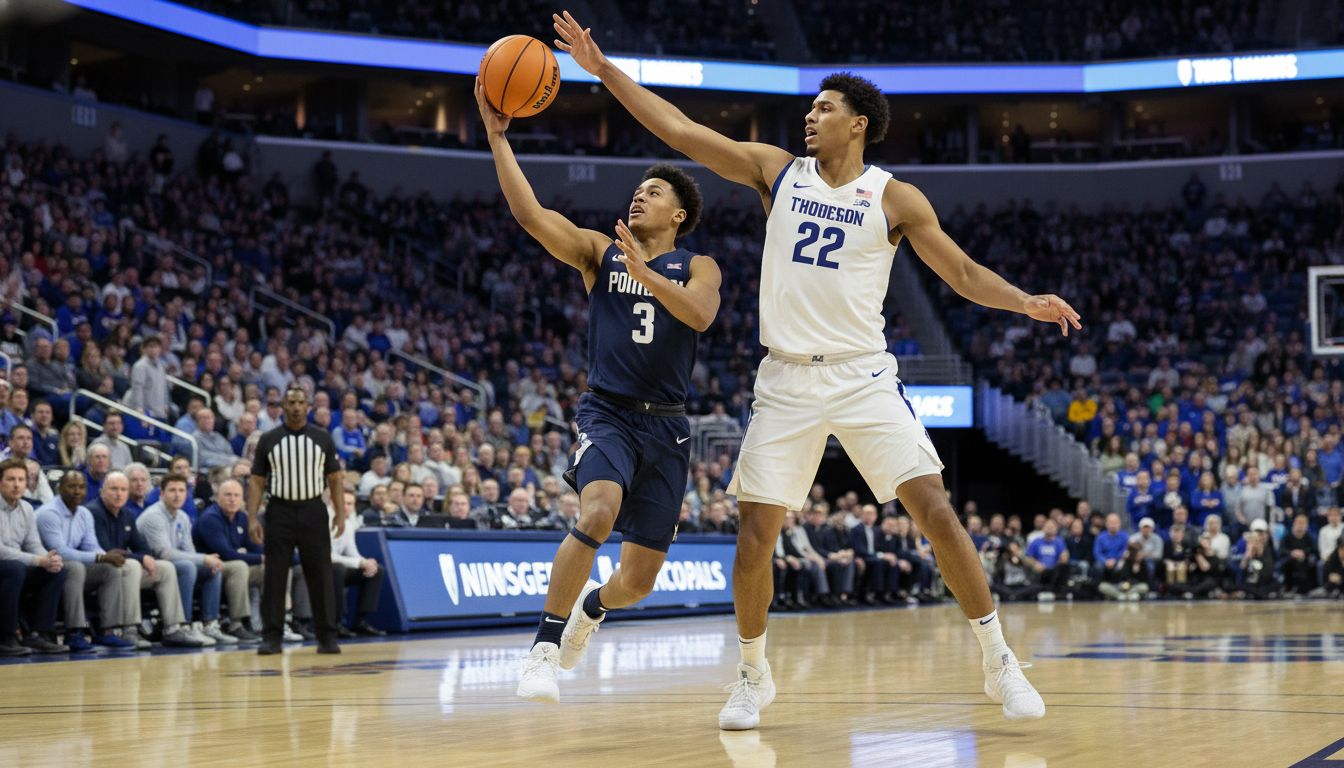
If you’re hunting for a classic 12‑over‑5, this probably isn’t it; this has more of a slow‑burn separation vibe. St. John’s has the size, the scoring and the coaching edge, and when that combines with the “everybody thinks we’re overseeded” emotion, it usually shows up in the second half runs. Northern Iowa’s best hope is to drag the Red Storm into a grind, cut possessions, and turn this into an underdog rock fight, but that’s a hard way to live against a team that’s used to Big East wars. The selection committee already gave St. John’s its slight — now the Red Storm get the chance to answer it on the floor, and that’s rarely good news for a 12 seed without much firepower. Call this one the “upset spot” that probably never quite becomes an upset.
Wisconsin, sitting on that other 5 line, is a different animal entirely, and honestly, they look a lot more like the classic bracket‑breaker repellent. The Badgers closed the season with an 8–2 kick in a rugged Big Ten, then pushed eventual No. 1 seed Michigan to the wire in the conference tournament before falling 68–65 in the semis. They bring a veteran, high‑usage backcourt in Nick Boyd and John Blackwell, juniors combining for nearly 40 points a night, and they park a skilled 7‑footer, Noah Winter, in the middle to clean glass and punish switches. That’s the kind of profile the SEC has been learning to respect over the last decade: strong guards, real size, and a system that doesn’t beat itself. High Point, the 12 on the other side, is an absolute bucket factory at 90 points per game with 30 wins and a nine‑man rotation, but the step up from Big South gyms to Big Ten physicality is like going from pickup at the rec to playing Bruce Pearl’s full‑court practice.
Could High Point make this fun for a while? Absolutely — experienced scoring teams don’t just vanish because the jersey across from them has a bigger logo. They’ve got a 14‑game win streak for a reason, and confidence travels as well as any fan base in March. But where this feels tricky for the Panthers is the cumulative effect of size, length and scouting; Wisconsin has all week to zero in on tendencies, and once those easy early looks dry up, you’ve got to manufacture points against a defense that won’t give you much at the rim. That’s a tall order when you’ve been feasting on overmatched league opponents, and it’s why this particular 12‑5 smells more like a cover‑but‑not‑quite‑shock‑the‑world type of game. In other words, keep your upset radar on, but maybe don’t Sharpie this one into your bracket as the big swing.
Now, if you want a 12 that looks the part of giant‑killer, McNeese absolutely checks the boxes we’ve all learned to circle. The Cowboys have ripped off 14 wins in their last 15, roll into the tournament on a 10‑game heater, and have a star in freshman guard Larry Johnson who plays well beyond his class year. At 6‑4 with a sturdy frame and a fearless downhill game, he invites comparisons — at least stylistically — to that other Larry Johnson who powered UNLV to a national title three and a half decades ago. He’s putting up 17.5 points and 5.5 boards a night, and more importantly, he’s the kind of lead option who doesn’t blink when the lights get brighter. McNeese defends, scores, and carries itself like a group that believes it belongs, which is half the battle when you’re stepping onto the floor with a power‑conference logo across from you.
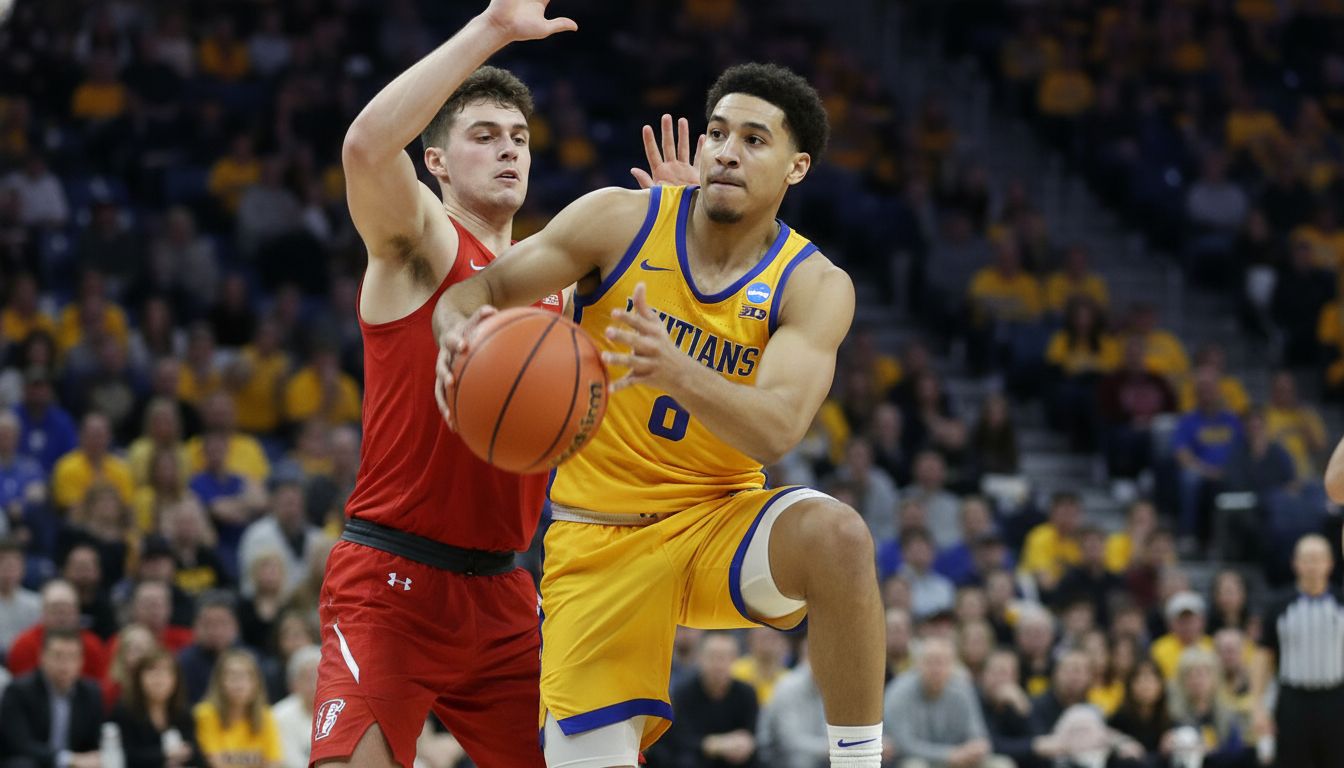
Their opponent, Vanderbilt, fits the “talented but erratic” 5‑seed mold almost too neatly. The Commodores caught fire late, rode that streak all the way to the SEC title game, and showed everyone their ceiling when things finally clicked. But the other side of that coin is inconsistency, and in a one‑and‑done setting, streaky high‑majors can be an underdog’s best friend. McNeese doesn’t have to be perfect; they just have to be themselves — solid on both ends, fearless in their actions, and ready to pounce if Vandy slips back into its bad habits. From an SEC lens, this is the one that’ll make coaches nod and say, “Yep, that’s what happens when you bring your C‑ game to a March fight against a champion.”
Which brings us to the 12‑5 that has upset alert written in permanent ink: Akron versus a shorthanded Texas Tech. The Red Raiders rallied admirably at first after losing star JT Toppin to a season‑ending injury, but the emotional sugar high wore off down the stretch. They dropped three straight heading into the tournament, capped by a 75–53 thud against Iowa State in their league tournament — the kind of loss that doesn’t just bruise your résumé, it dents your confidence. Without Toppin, Tech’s ceiling is clearly capped, and depth gets exposed more easily when the pace ratchets up and the whistle blows tighter in March. That’s exactly the kind of environment where a well‑oiled, high‑scoring 12 seed can flip a game in a four‑minute stretch.
Akron shows up with every mid‑major ingredient you want: four starters in double figures, eight guys playing real minutes, and an offensive engine that cranks out 88.4 points per game — ninth in the country. They’ve stacked a 10‑game win streak on top of a MAC tournament title, so they’re not just hot, they’re validated. Deep rotations matter in March, because they let you survive foul trouble, push tempo, and keep your shooters’ legs under them for those late‑game possessions when everybody else is grinding through fatigue. Match that against a Texas Tech team already thinning at the top of the roster, and you can easily picture the script: the Red Raiders hang early, Akron’s guards find a rhythm, and suddenly the 12 is the one dictating pace and mood. In bracket‑speak, this is the spot where “I can see it” turns into “I’d be more surprised if it didn’t happen.”
Zooming out, what ties all these 12‑5 matchups together is the way momentum, health and identity matter more than the number next to the school name. Teams like St. John’s and Wisconsin arrive with high‑major scars and structure, making them tougher to topple even when the seed line suggests vulnerability. McNeese and Akron, on the other hand, embody the small‑conference champion archetype: confident, connected, and unafraid of the moment because they’ve been playing must‑win basketball for weeks. If you’re filling out a bracket from a recliner in SEC country, the lesson is one we’ve seen play out on our own hardwood: culture, guard play and timely toughness travel a lot better than preseason hype. Pick the teams that know who they are right now, not the ones still trying to remember why they were supposed to be good back in November — that’s how you survive the 12‑over‑5 minefield with your bracket, and maybe your sanity, still intact.