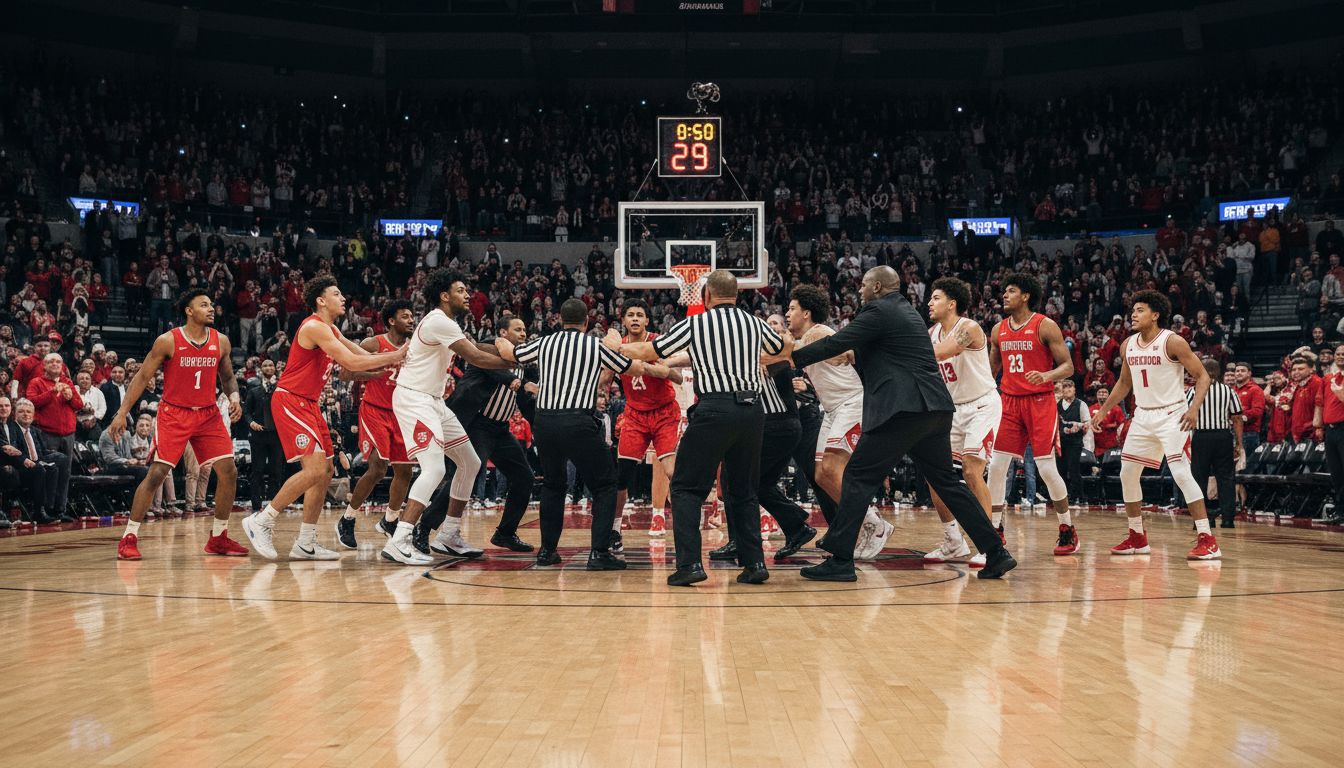
For almost a full minute on Saturday afternoon, the basketball game between St. John’s and Providence vanished beneath a tangle of bodies, shouts and bright white jerseys spilling off the bench. What had begun as a Big East rivalry game — St. John’s on the road, up against a familiar face in Bryce Hopkins, the former Friar now in red — jolted sideways when Providence forward Duncan Powell delivered a hard foul early in the second half. Hopkins hit the deck, Powell was whistled for a Flagrant 2, and in the heartbeat between whistle and composure, both players lunged toward each other. Benches emptied, assistant coaches tried to play human shields, and officials and security needed nearly a minute to pry players apart and another 19 minutes of stoppage to untangle the penalties on a day that ended with six ejections and a 79–69 St. John’s win. It was the kind of scene that travels faster than any box score: looping clips on social media, frozen screenshots, and a familiar chorus of outrage and eye-rolling about "kids these days."
Let’s start with what we actually know, not what the clips invite us to assume. Powell’s foul on Hopkins was ruled a Flagrant 2, the most serious in-game designation for unnecessary and excessive contact; by rule, that alone meant an automatic ejection. The contact, combined with the history — Hopkins spent his first college seasons at Providence before transferring to St. John’s — was a spark in a room already full of emotional gas. As Hopkins and Powell went at each other, Providence’s Jaylin Sellers jumped in, shoving St. John’s players and earning his own ejection, while St. John’s forward Dillon Mitchell was tossed for his initial part in the fray. Bench players Kelvin Odih, Ruben Prey and Lefteris Liotopoulos left the St. John’s bench area, triggering automatic ejections under NCAA rules designed after past brawls to keep chaos from multiplying.
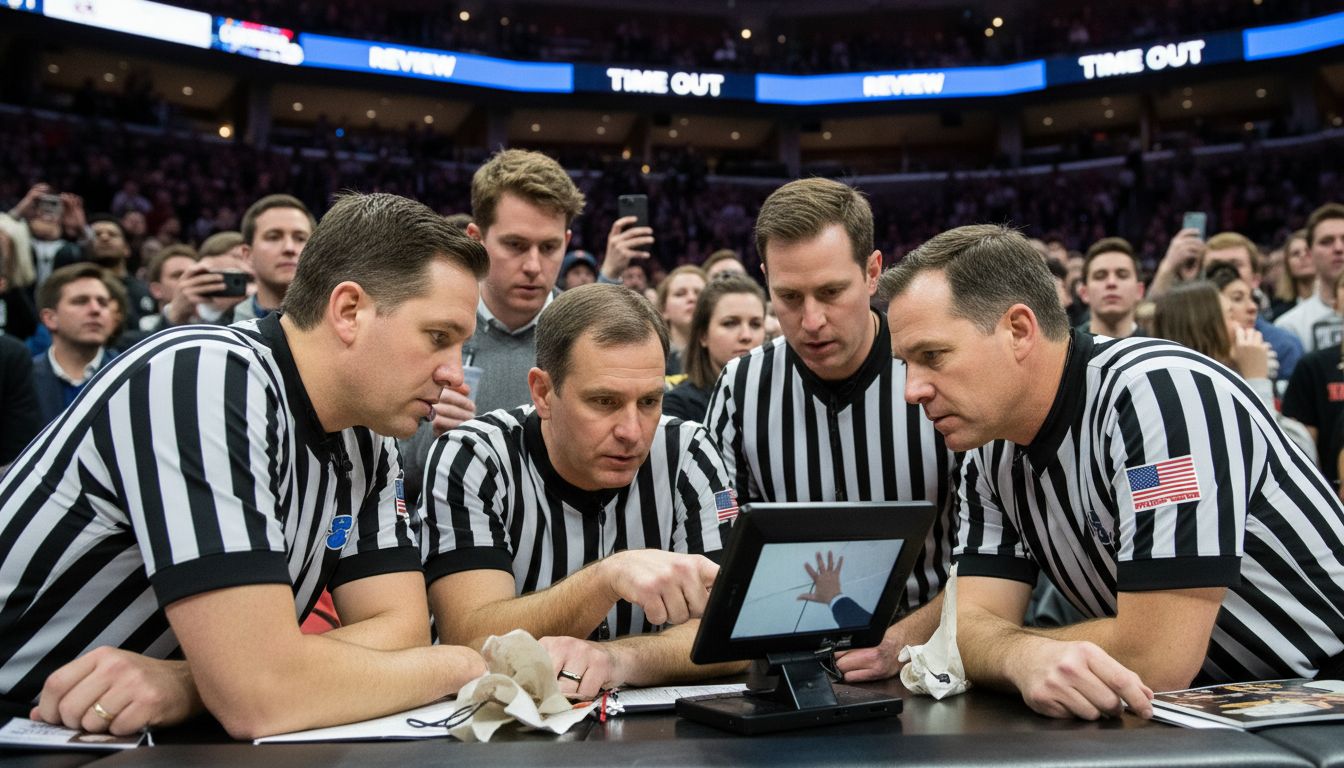
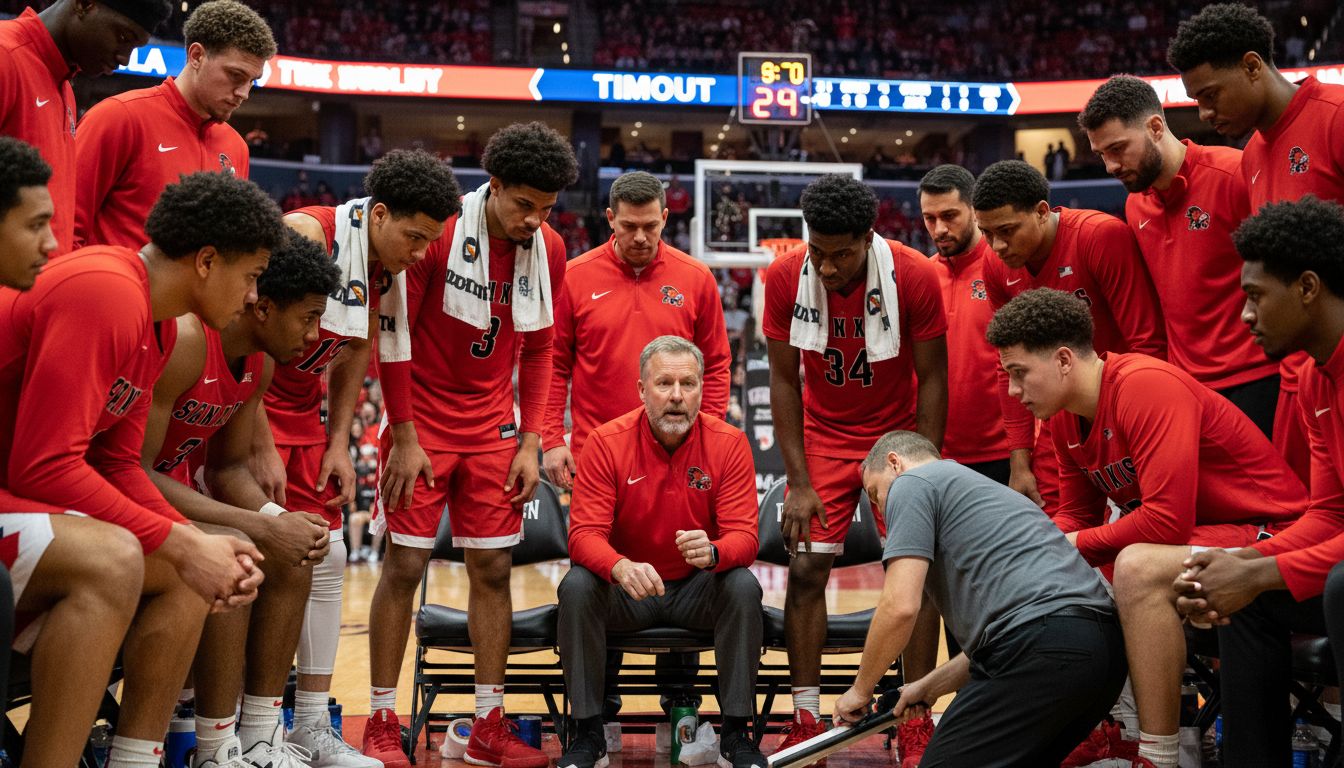
From there, the game entered a strange limbo: a 19-minute rules seminar played out in real time. Officials sifted through angles, determined who had done what, and parceled out free throws like traffic citations, with Hopkins stepping to the line for the flagrant and Oziyah Sellers taking shots for the technical on Providence’s Sellers. When play finally resumed, St. John’s promptly stretched its lead to 44–40, a reminder that, for all the theater, there was still a conference game to be decided and standings to be shaped. Powell’s afternoon was over and, by rule, so is his availability for Providence’s next game against DePaul; an ejection for fighting after a Flagrant 2 brings an automatic one-game suspension. But the temperature in the building never entirely cooled — later in the half, Providence’s Jameir Jones was immediately tossed after shoving Hopkins on a drive without making a play on the ball, a second flashpoint that fortunately stopped short of a sequel.
If you wanted to script an emotional powder keg, you couldn’t do much better than this matchup. You had a transfer star in Hopkins returning in enemy colors, a proud program like Providence protecting its home court, and a Hall of Fame coach in Rick Pitino back in the same building where he once made his coaching name in the 1980s. Layer on a season’s worth of scouting reports, smack talk, and the unspoken feeling that a guy who used to be "ours" has now become "theirs," and you start to understand how a hard foul turns into a melee. That doesn’t excuse anything that happened — rules exist for a reason, and the Big East’s crackdown on leaving the bench is rooted in real safety concerns — but it does ask us to hold more than one thought at a time. College athletes are both accountable for their choices and navigating emotional terrain that would challenge most adults with fully formed frontal lobes and fewer cameras pointed at them.
Watching the sequence again, I kept thinking less about villainy and more about velocity: how fast frustration can escalate when pride and identity are involved. For Powell, a physical play crossed a line; for Hopkins, already in a charged environment as the returning transfer, it became personal in a blink. Teammates, wired to protect one another, responded on instinct — that deeply human, if not always wise, surge of "I’ve got you." By the time security and officials wedged themselves between players, the moment had already outrun everyone’s best intentions. In that sense, the brawl wasn’t just about a foul; it was about the complicated ecosystem of modern college basketball, where the transfer portal, NIL and conference realignment have redrawn loyalties but not lessened how deeply these games matter to the people playing them.
The aftermath was almost as telling as the fight itself. Pitino, who stepped onto the floor in the chaos to pull his players away, wanted no part of the postgame narrative, telling reporters, "You write what you saw. Don’t ask my players." On one level, that’s a veteran coach trying to shut down a distraction and shield young athletes from saying something in the heat of the moment that might follow them for years. On another, it’s a reminder of how tightly controlled public speech can be for college players, especially around flashpoint incidents like this. We ask them to be eloquent advocates on issues like mental health, racial justice and campus safety, but when the topic turns uncomfortable, the instinct from many corners is still to pull the microphone away.
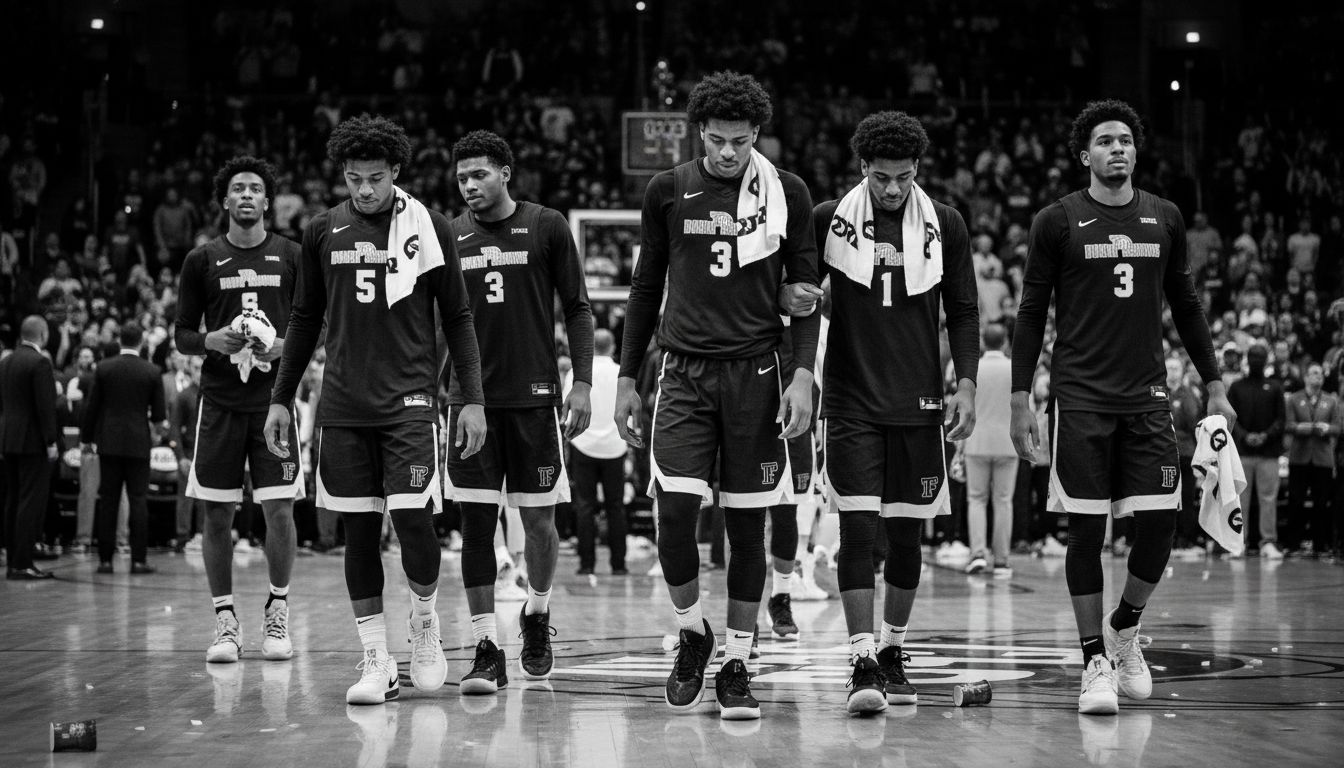
It’s here where the conversation around "athlete behavior" sometimes flattens into caricature. The viral angle is a grainy zoom on fists and shoves; what you don’t see are the conversations in the locker room afterward, the phone calls home, or the quiet meetings with sports psychologists and team chaplains who help young men sort through adrenaline, regret and the gnawing fear of being reduced to a single clip on the internet. None of that exonerates bad decisions, but it does complicate them, and complexity is often the first casualty when we rush to condemn. As someone who spends a lot of time listening to athletes talk about identity and pressure, I’m wary of narratives that frame a brawl as evidence of moral decay rather than a symptom of emotional overload in a high-stakes, hyper-televised environment. Accountability can coexist with empathy; in fact, at the college level, it probably should.
There are practical questions here, too, and they’re less glamorous than the slow-motion replays. Did the officials handle the situation as well as they could, balancing safety with keeping the game from dissolving altogether? Did teammates and assistant coaches do enough, quickly enough, to de-escalate once tempers flared? How should leagues structure automatic ejections and suspensions to deter future fights without turning every heated moment into a season-altering punishment? These aren’t the kinds of debates that light up social media, but they’re the ones that shape how safe and sane the sport feels for the next group of 18- to 22-year-olds who inherit it.
For Providence, the immediate ripple is tangible: Powell’s suspension leaves a hole in the rotation for the DePaul game, and the Friars will have to recalibrate both emotionally and tactically. For St. John’s, there’s the task of folding this back into the narrative of a season that is supposed to be about resurgence under Pitino, not viral mayhem. Hopkins, in particular, will have to carry the weight of being at the center of chaos at his old home gym and find a way to keep playing freely rather than tensely, a task easier said than done in arenas that will not forget this incident soon. In the longer term, athletic departments at both schools — and, frankly, around the country — have an opportunity to treat this not just as a cautionary tale, but as a teaching moment about conflict, composure and the very real human feelings that live inside the jersey. If the only lesson is "don’t leave the bench," we’ve probably missed the point.
So yes, a massive brawl broke out between St. John’s and Providence, six players were ejected, and the clips will live online far longer than the memory of the Red Storm’s 79–69 road win. But tucked inside the chaos is a story about rivalry and return, about how quickly a game can become a referendum on pride, and about what we owe the young adults who play these games when they fail to live up to our best expectations. We can demand better without pretending we would have handled that moment perfectly at 20, under TV lights and thousands of eyes. The Big East will do its reviews, issue its statements, maybe tweak its points of emphasis for officials. The rest of us might consider our own: not to excuse, not to sensationalize, but to see the full, complicated humanity in the people at the center of the scrum.