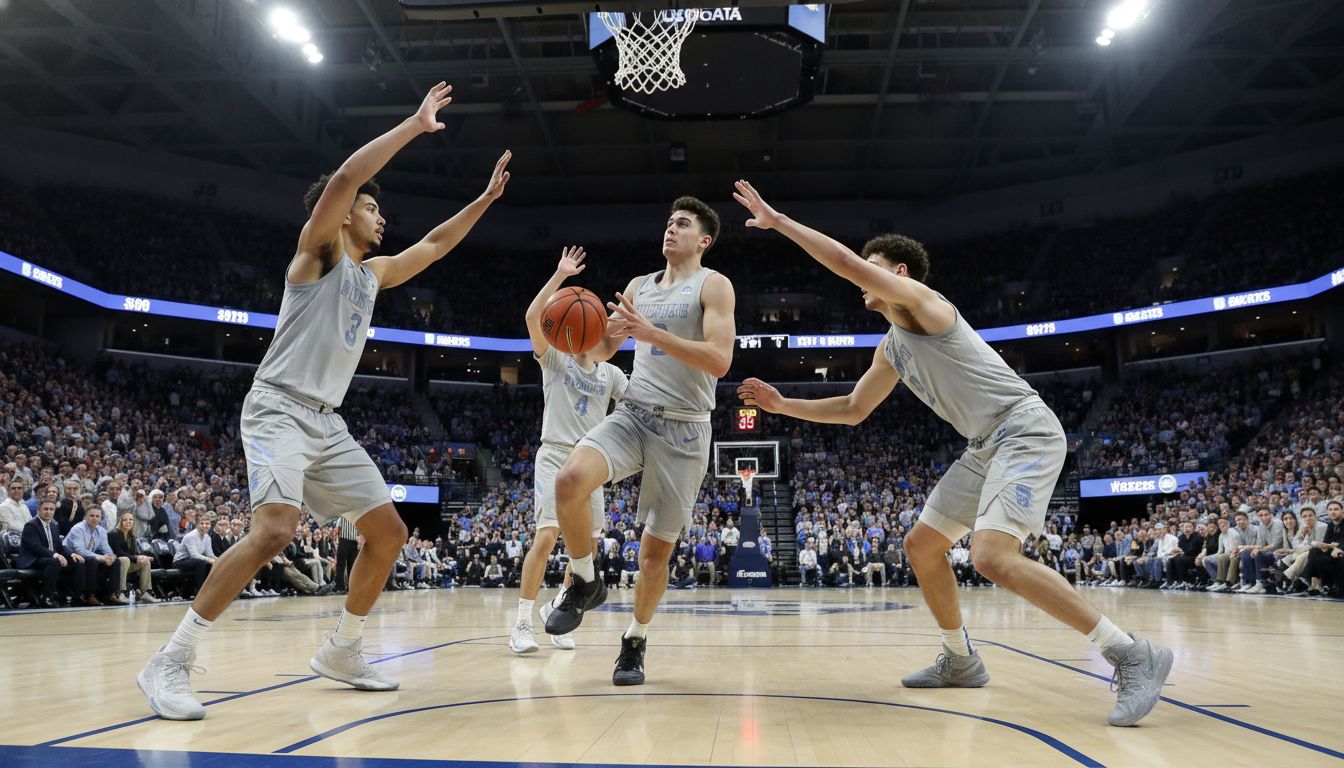
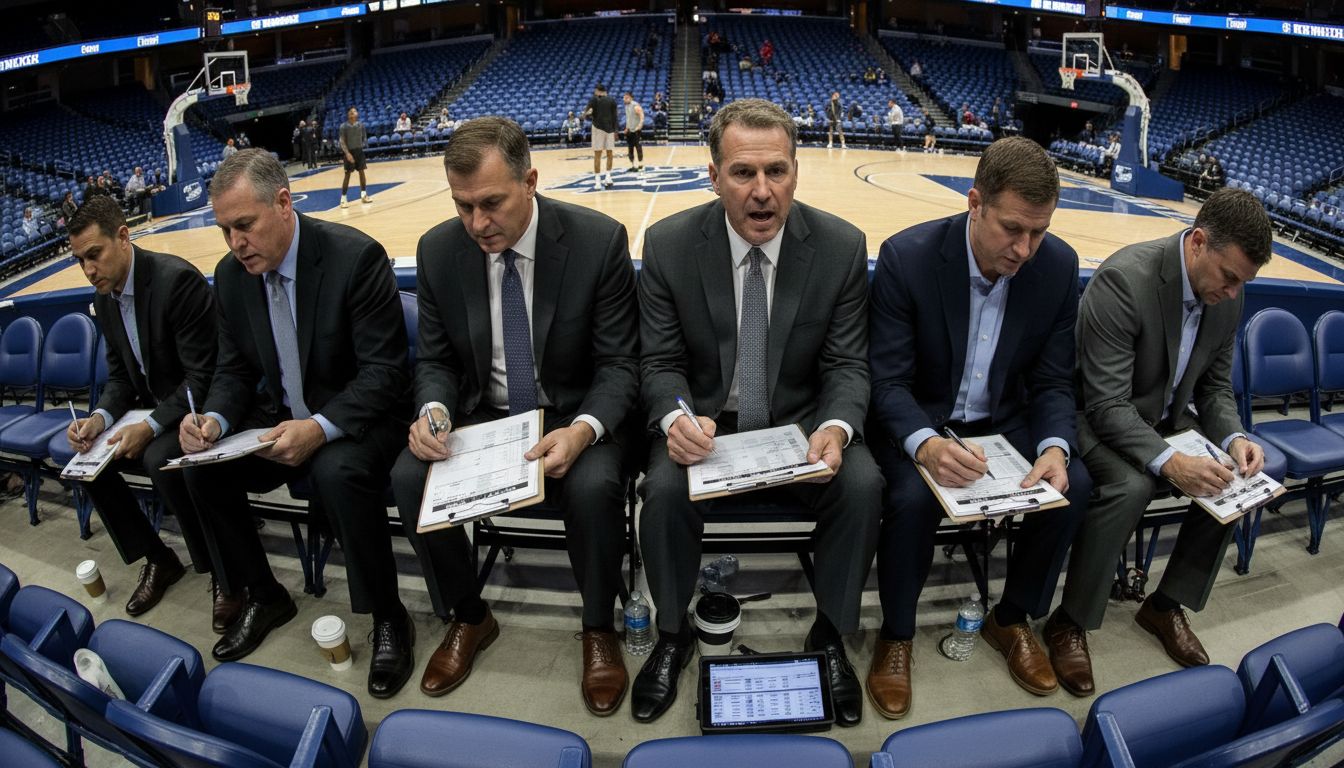
The first weekend of this NCAA tournament did what March always does best: it sorted signal from noise, at least a little. For NBA front offices, these two games aren’t a final exam so much as a pop quiz, but they do sharpen opinions and, in a few cases, force them to pull out the eraser on the draft board. This year’s class has no clear, runaway No. 1, which means every big stage possession gets put under a brighter light in scouting rooms. We saw that play out with headliners like Darryn Peterson and AJ Dybantsa bowing out early, while Cameron Boozer, Kingston Flemings, and a deep guard group kept playing their way into bigger conversations.
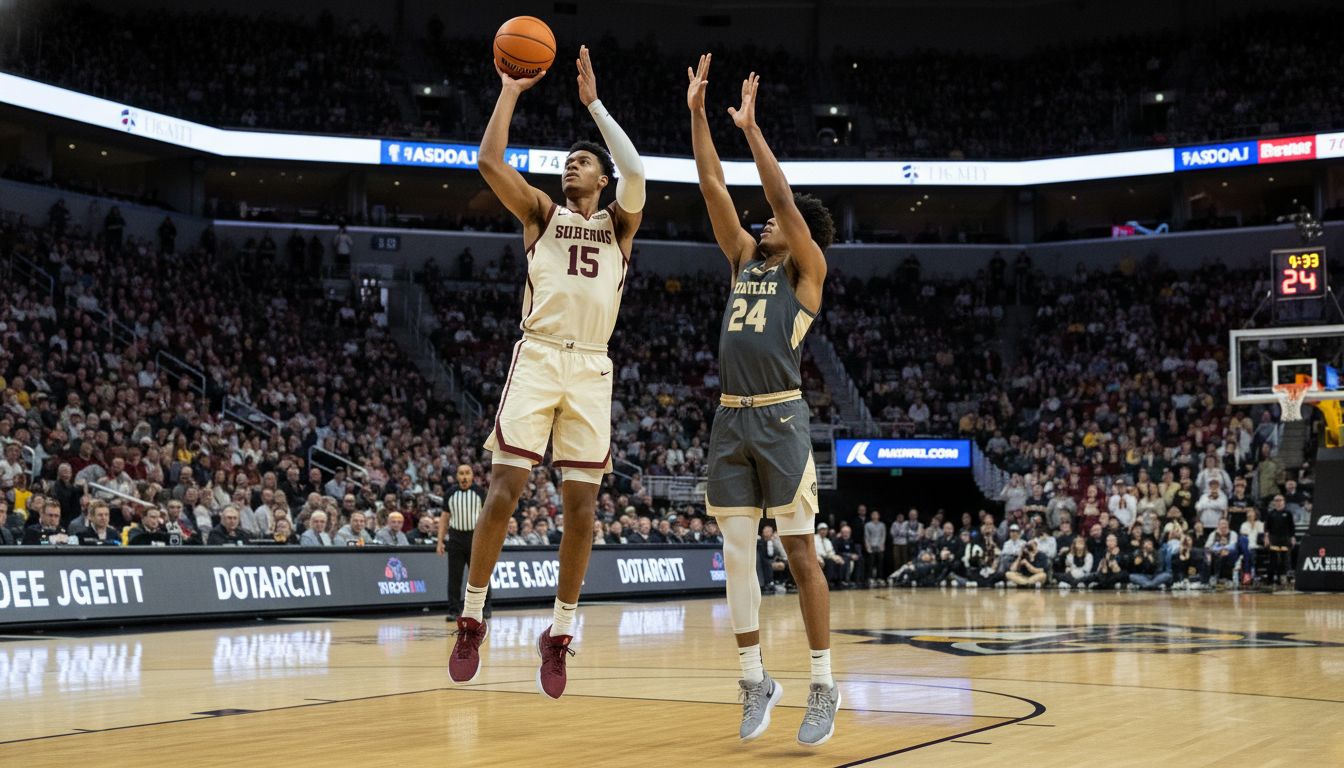
Start with Peterson at Kansas, still technically the No. 1 on a lot of boards but no longer a fait accompli. His season ended on a buzzer-beater loss to St. John’s, and the two-game tournament sample looked a lot like his year: electric flashes of shotmaking wrapped inside long stretches where he drifted from the action. He averaged over 20 points in his last nine, but did it on sub-40% shooting from the field and under 32% from three, the kind of efficiency that makes analytics folks frown and trainers lick their chops at the upside. Context matters here: Kansas’ offense rarely looked comfortable, and Peterson was more off-ball finisher than primary creator, all while managing a full-body cramping issue that never fully went away.
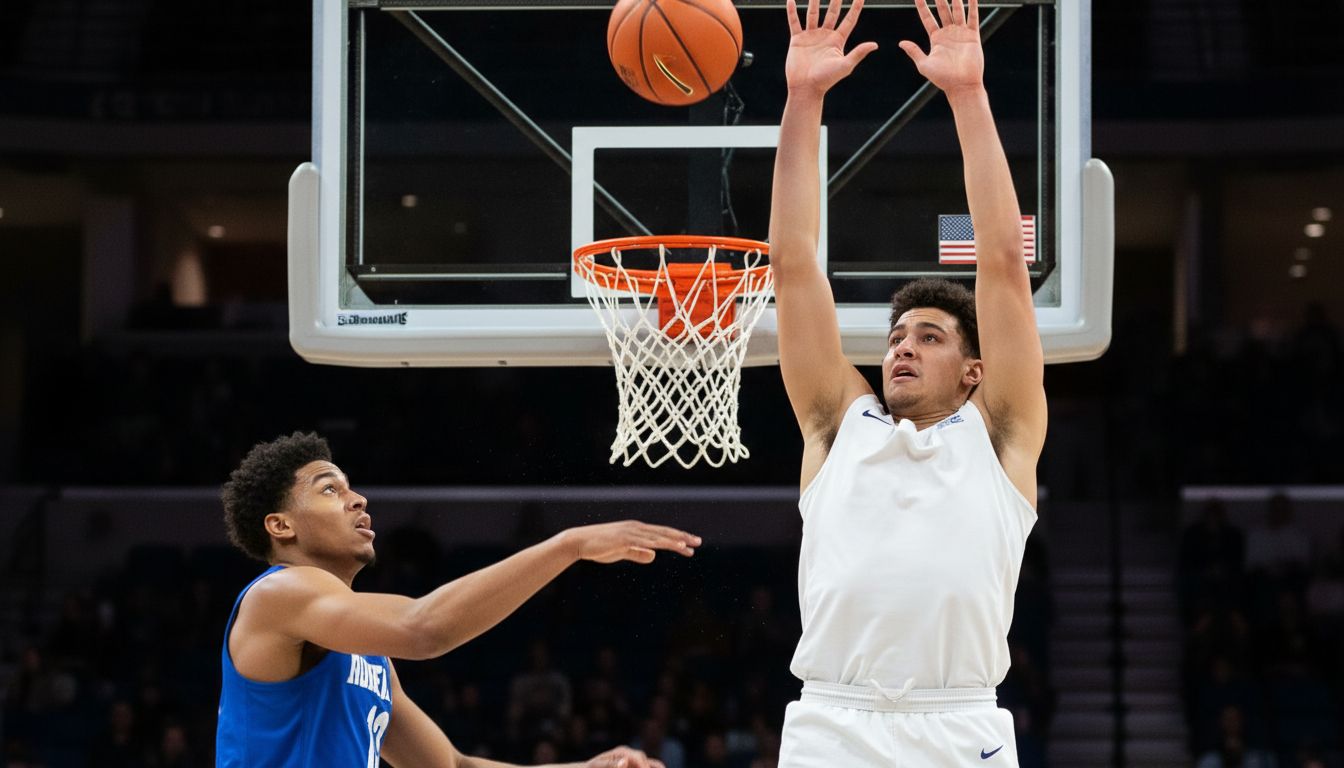
If Peterson is the riddle, Dybantsa at BYU is the cleaner answer executives like to circle in pen. His first-round exit came with 37 points, 10 rebounds and 12-for-12 from the line while playing every minute, which is the sort of effort that makes coaches nod even in defeat. He also backed it up with a three-game run in the Big 12 tournament where he looked every inch the modern big wing scorer: aggressive, willing to share the ball, and increasingly comfortable reading double-teams.
Cameron Boozer at Duke sits in an interesting middle lane between those two stories. Nothing about his game is particularly glamorous; he’s not going to win any dunk contests, and Siena made his lack of vertical pop and elite foot speed look pretty stark in the opening round. But when the dust settled, the box scores were there again, and Duke is still playing, which has been the pattern of his career going back to high school: the trophy case fills up, even if the highlight reels aren’t built for social media algorithms.
Meanwhile, Baylor's Tounde Yessoufou and Cameron Carr have emerged as key figures in the College Basketball Crown. Yessoufou, a freshman guard, showcased his potential with a standout performance against Minnesota, scoring 19 points and grabbing seven rebounds despite battling sickness. His NBA-ready physique and aggressive play style make him a complicated evaluation, as scouts debate whether he should enter the draft or refine his skills further in college.
Carr, a redshirt sophomore, is viewed as having a higher NBA ceiling, with his impressive wingspan and athleticism making him a likely low- to mid-20s draft pick. Despite an ankle injury, he contributed significantly to Baylor's victory with 15 points and nine rebounds. Both players' decisions to continue playing in the tournament reflect their commitment to Baylor and could influence their draft stock.
If you’re looking for guards, this tournament is practically a buffet line. Houston’s Kingston Flemings didn’t need to dominate to look like an NBA driver of offense; he managed games, limited mistakes and kept a veteran team on schedule, which most coaches I’ve known value more than any one step-back three.