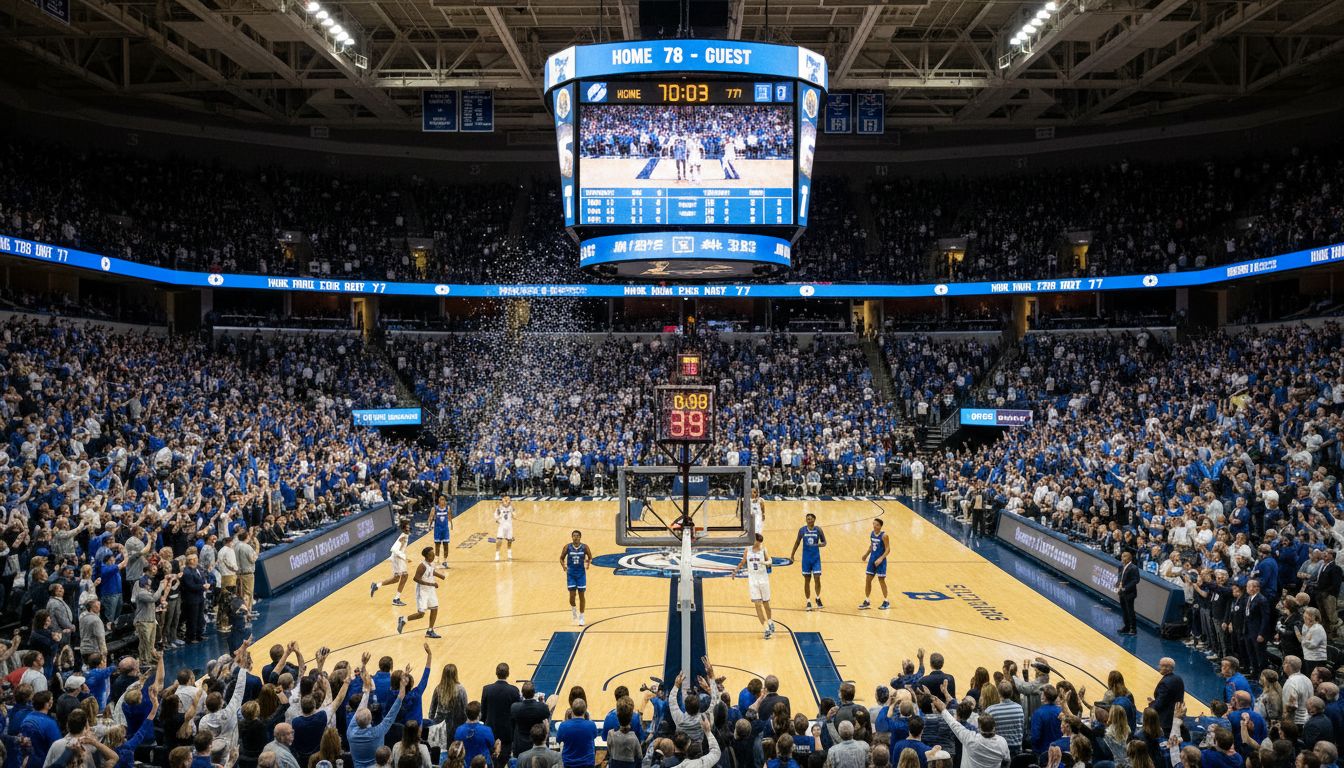
The box score will say the 2026 Big East men’s basketball tournament at Madison Square Garden was four days of games, from the first round on Wednesday through the final on Saturday, neatly packaged in a bracket that’s already being turned into commemorative posters and social clips. That’s the official story line: seeds held or they didn’t, coaches celebrated or stewed, and fans went home hoarse and happy. But if you cover this sport long enough, you learn that conference tournaments aren’t just about who cut down the nets; they’re about who controls the stage, who profits from the spectacle, and who gets left with the bill. The Garden lights are bright enough to make almost anything look clean, but they don’t erase the power dynamics that shape every possession and every contract tied to this event. So let’s talk about what this tournament format at MSG actually represents, even if the bracket graphic is all the conference would prefer you remember.
The schedule itself is a tidy corporate narrative: first round Wednesday, quarterfinals Thursday, semifinals Friday, championship Saturday. It’s an elegant four-day arc that television partners love—predictable windows, built-in story beats, and prime inventory for ad buyers who will never have to think twice about the kids actually playing through those commercial breaks. Inside that arc, players grind through quick turnarounds, ice baths, and scout sessions; outside it, media departments post slow-motion dunks over sponsored hashtags. The dissonance is not accidental; it is designed. When you centralize a tournament in a building as iconic and expensive as Madison Square Garden, you are making a statement about who this is really for—and it isn’t the student manager pulling an all-nighter to finish a paper between shootaround and tip.
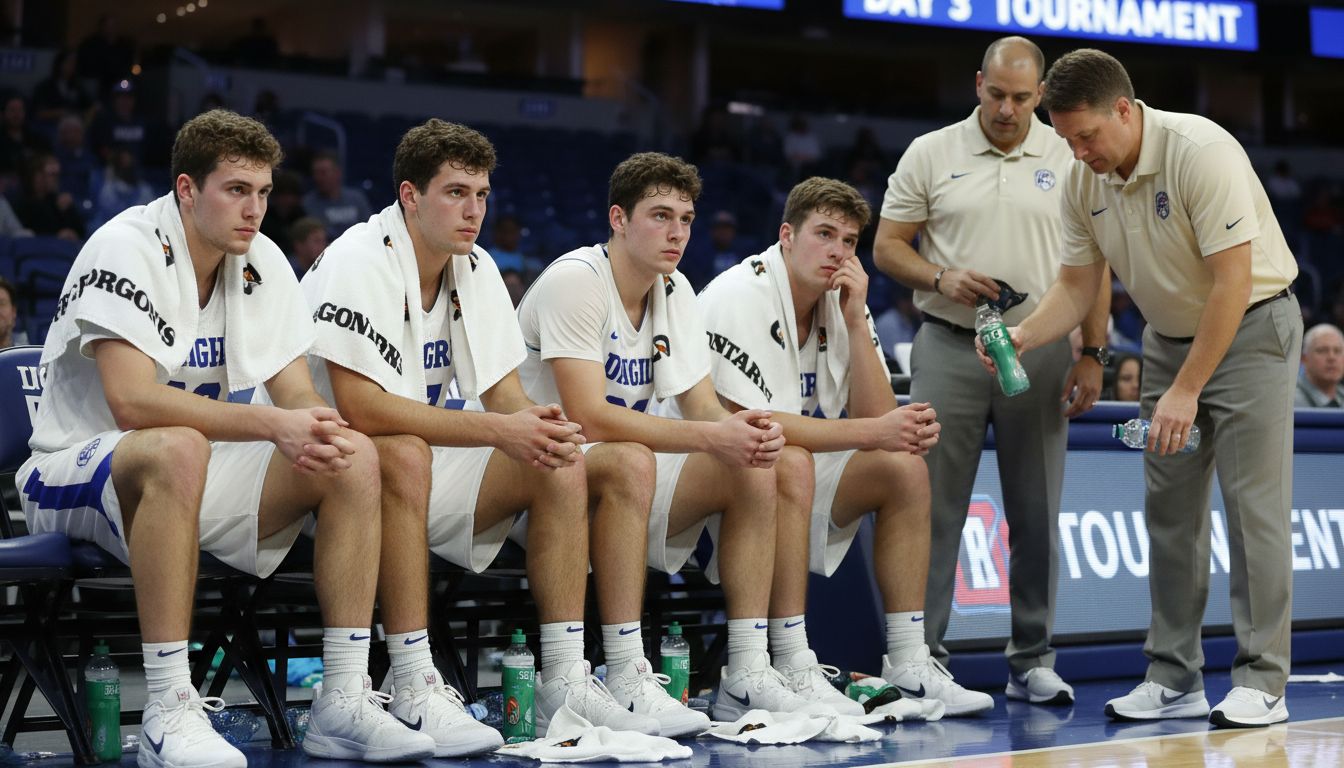
The Big East, like every major conference, will insist this tournament is "for the student-athletes"—a phrase polished by lawyers and marketers until it can be repeated on cue without anyone laughing out loud. But follow the money and the incentives line up neatly with broadcasters, league offices, and the Garden’s ownership far more than with the players who fill the schedule. Multi-year site deals, luxury suites, corporate hospitality packages, and media rights carve up the economic pie before a single layup is attempted. Players, meanwhile, are paid in exposure and an increasingly chaotic patchwork of NIL deals that tend to reward the already powerful programs and already well-connected middlemen. The spectacle at MSG is the product; the amateur label is the discount the system keeps demanding on labor that is anything but amateur-level.
To be clear, this is not a Big East-only problem; it’s a systemic feature of how college basketball monetizes March without ever fully acknowledging who makes March possible. Conference offices point to cost-of-attendance stipends, academic support, and the theoretical value of a degree as proof that everyone is fairly compensated. What they do not advertise are the non-guaranteed futures: the torn ligaments in a Friday semifinal that derail not just a pro career but the next NIL negotiation, or the player who never sees a cent from the seven-figure sponsorships splashed across the court. At the Garden, the stakes feel higher because the cameras are closer and the history is thicker, but the underlying bargain remains the same: maximum revenue with minimum accountability. If you’re looking for corruption in 2026 college hoops, you won’t always find it in an envelope; more often, it’s baked into who is allowed to sign the contracts and who is told to be grateful for the chance to perform under them.
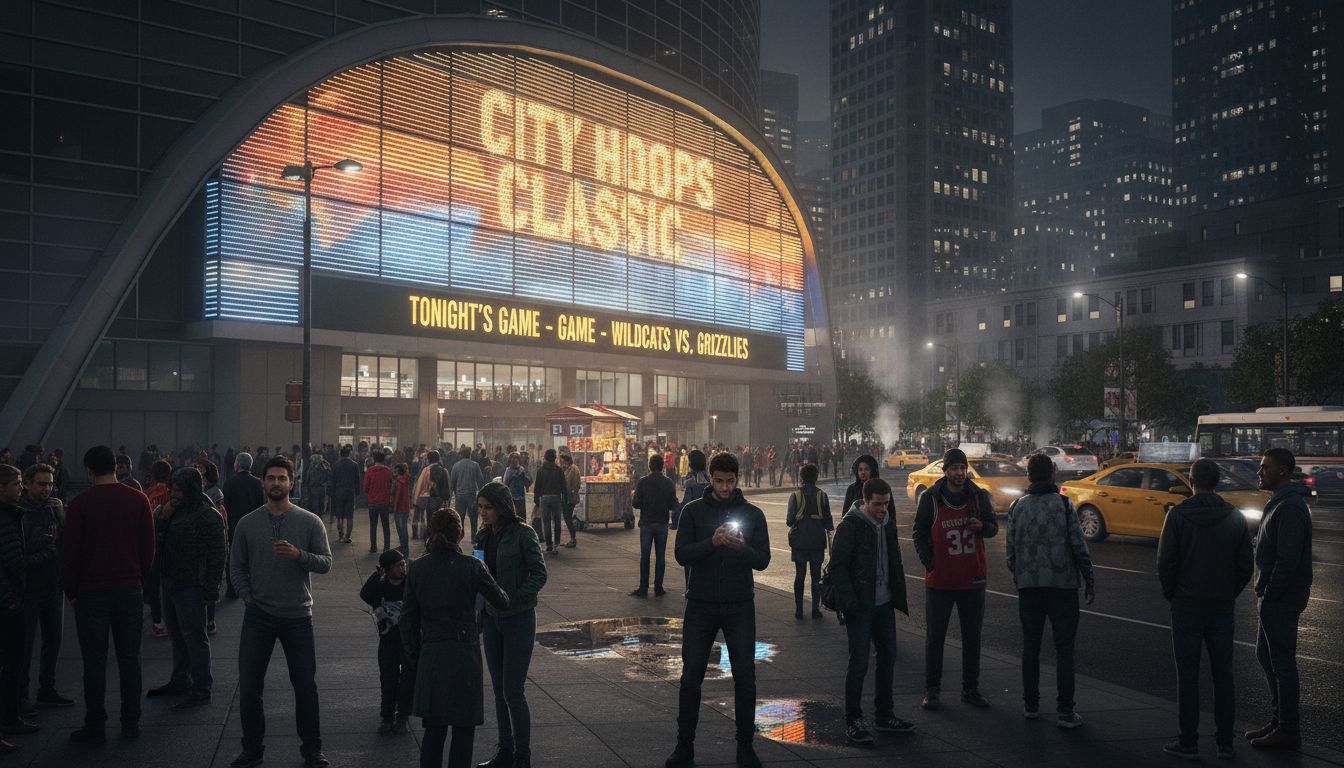
Madison Square Garden complicates the story further because it is not just a neutral site; it’s a brand with its own checkered history of public subsidies, political clout, and opaque financial arrangements. When a college conference plants its postseason showcase there year after year, it is effectively endorsing that model of power and access. The Garden’s value to the Big East is obvious: prestige, television aesthetics, recruiting juice for every coach who can promise kids a shot under those lights. The value of the Big East to the Garden is less discussed but just as real: guaranteed dates, reliable foot traffic in a building whose tax breaks and land-use perks have long been questioned by watchdogs in New York. In that sense, every quarterfinal at 7 p.m. is also a quiet referendum on which institutions get to trade on tradition while operating beyond meaningful oversight.
If you zoom in on the bracket itself—the first-round matchups on Wednesday, the quarterfinals on Thursday, the semifinals on Friday, and the final on Saturday—you see something else: a relentless compression of labor presented as drama. Four games in a day looks thrilling on a network graphic; on the floor, it means kids diving for loose balls less than 24 hours after logging 35 minutes the night before. Coaches make rhetoric out of this—"We’re built for this grind"—because they have to, but the calendar is not kind to bodies, especially those already stretched by a full regular season and travel schedule. It’s worth asking whether anyone in the room, when this format was drawn up, advocated first for health instead of inventory. I’ve spoken with enough trainers and players over the years to know the answer is almost always: not loudly enough.
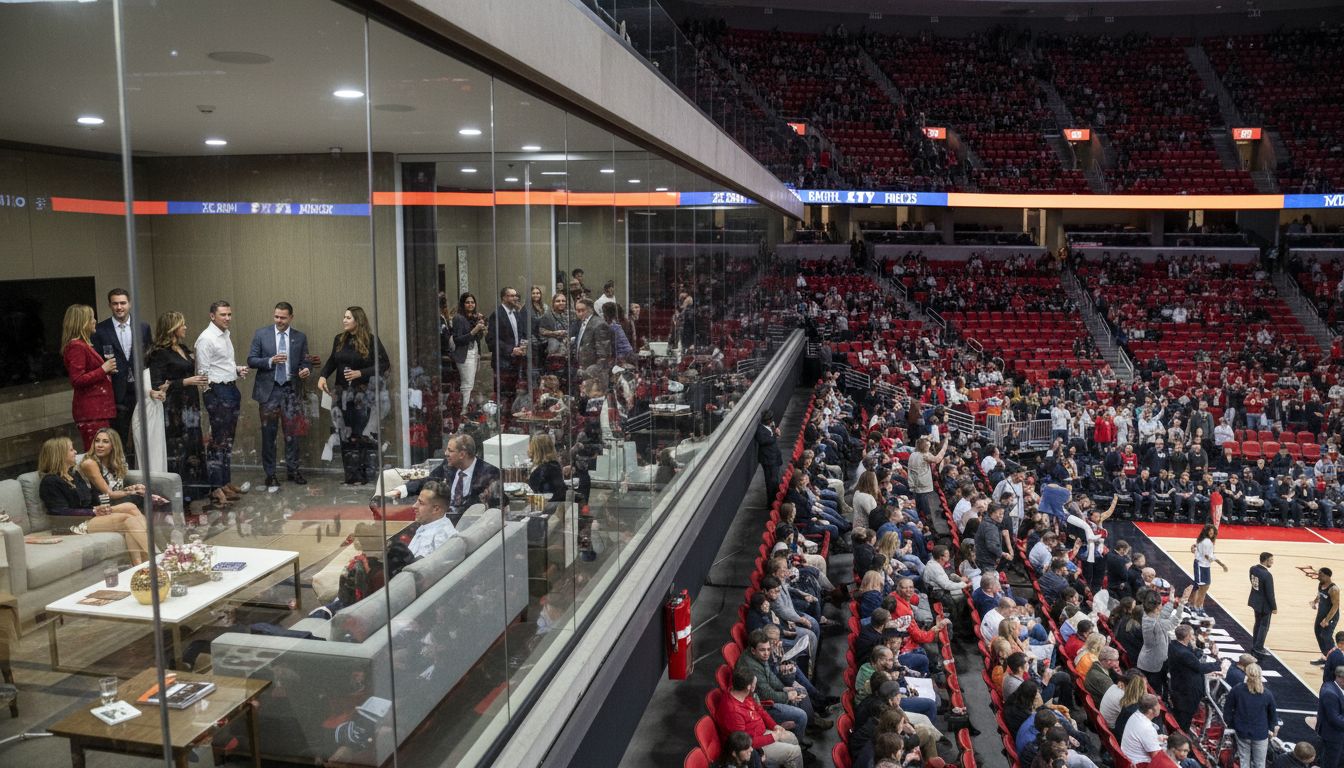
Then there is the question of access—who actually gets inside Madison Square Garden during this week and on what terms. Ticket prices, secondary market markups, and corporate allotments all shape the crowd we see on television, and that crowd skews toward those who can absorb New York prices on top of Big East fandom. For local students and working-class alumni, the building that is supposed to symbolize the heart of basketball can feel financially gated off. Meanwhile, universities that preach community impact leverage this event to court wealthy donors in cushy suites high above the nosebleeds. It’s not corruption in the cinematic sense; it’s closer to quiet exclusion, replicated year after year until it feels like the natural order of things.
Accountability in this space doesn’t require burning the bracket or boycotting the Garden; it requires sunlight on the decisions that lead to this exact four-day script every March. Conferences can disclose the full financial terms of their site deals, including how much actually flows back to athletes beyond the language of "opportunity." They can include athlete representatives in negotiations over scheduling, travel, and health protocols, instead of presenting them with a finished calendar and a talking-points memo. Schools can audit who benefits from their ticket allotments and set aside meaningful numbers for students and low-income fans, not just whatever is left after donors and sponsors take their pick. None of this would ruin the magic of a Saturday night final at MSG; if anything, it would make it more honest.
What the 2026 Big East men’s tournament should remind us is that brackets are the glossy surface of a much more complicated system, one that thrives on our willingness to focus on buzzer-beaters instead of budgets. Loving this sport—and I do—does not mean accepting every structural compromise that props it up. Fans are not powerless here: they can ask their schools basic questions about revenue splits, NIL support, and health protections, even if the answers arrive wrapped in PR boilerplate. Media, for its part, can stop treating conference tournaments as pure pageantry and start interrogating the economic and political choices that make them possible. The Garden will still look beautiful on television next March; the open question is whether we’ll be any closer to holding the people behind the spectacle to the same standard we expect from the kids trying to win it.