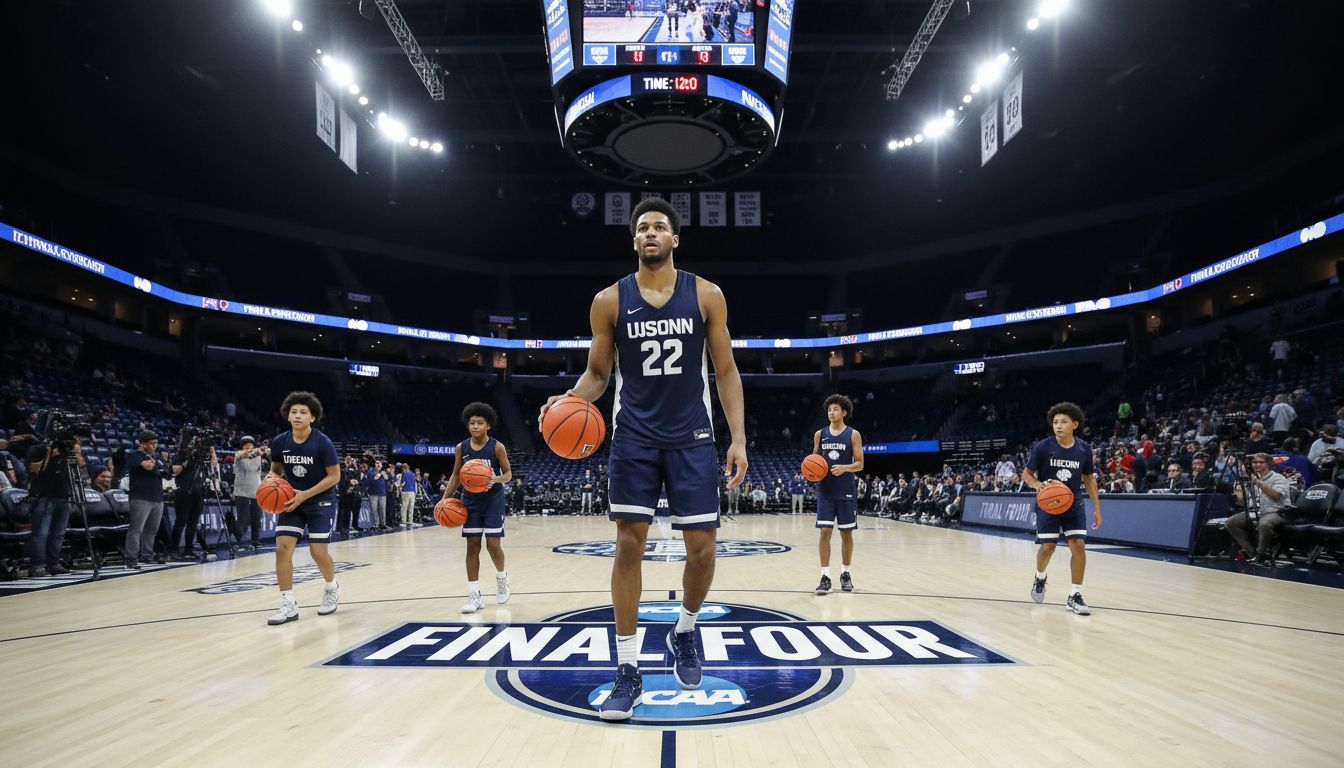
Walk into UConn’s locker room this Final Four and you can feel the age gap before you see it. Not literally — Alex Karaban is only 22 — but in basketball miles, he’s the old head in a room full of kids chasing their first taste of the big stage. He’s Yoda with a jump shot, the guy Braylon Mullins runs to asking, “What’s this really like?” before the national lights flip on. When you’ve logged 150 games, 125 wins and 18 NCAA tournament appearances with only one loss, you stop being just a starter and start becoming something else entirely: the culture keeper. That’s what Karaban is for UConn — the unglamorous, unshakable standard in a program that doesn’t hang banners for participation, only for championships.
The numbers are ridiculous if you stop and actually sit with them. Karaban has more NCAA tournament wins than entire programs with decades of history — Clemson, Seton Hall, Minnesota, TCU, Georgia, Mississippi State — and he’s tied with USC. For most players, one Final Four is a dream season; two is a career; three puts you in the kind of company that usually lives in documentaries and grainy ESPN montages. Yet he sits there in Indianapolis talking about this trip like it’s a business flight — important, sure, but just a layover on the way to the actual destination. “At the end of the day, it’s like a little pit stop for us to our biggest goal, which is winning the national championship,” he says, and you believe him because his career is proof he knows the route.
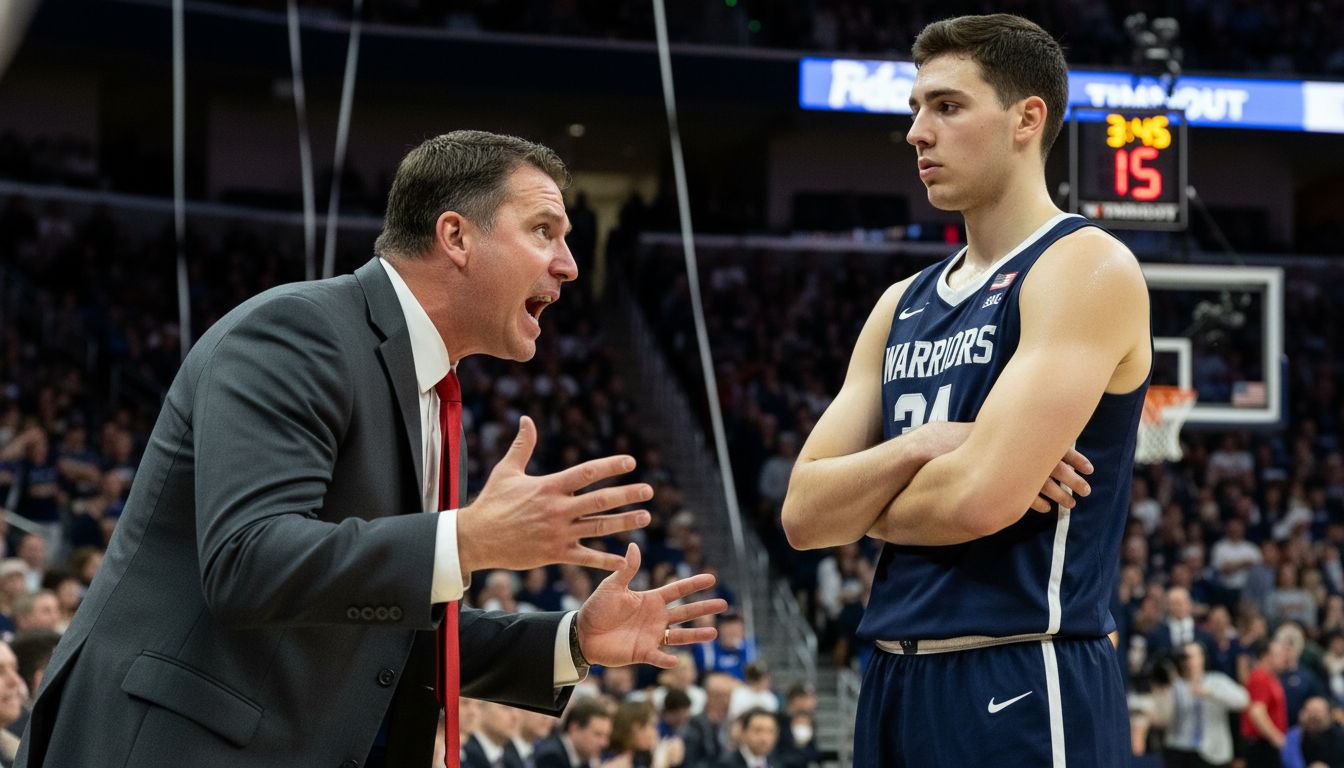
UConn’s coach Dan Hurley calls Karaban the team’s babysitter, and that’s not as soft as it sounds. He’s the problem solver in practice, the guy who sees what’s coming before it hits, the player who works so hard that everyone else feels low‑key embarrassed if they’re not matching his effort. You want to know what culture looks like beyond the buzzword? It looks like your best player putting so much time in the gym that it becomes social pressure to stay out of the campus bar. It looks like a veteran who tells every new face: you run everywhere, you play as hard as you can, and if you don’t buy in, you’re on the outside looking in.
That’s not glamorous leadership, but it’s the kind that wins in March. Karaban remembers being the freshman leaning on older guys when UConn was making its run, and now he’s the one everyone else leans on when the arena is a football stadium, the rims look small, and the media herd is five rows deep. Nothing really fazes him anymore — not the noise, not the stakes, not even the fact that this Final Four could rewrite his name into history next to dynasties like Wooden’s UCLA teams. His comfort doesn’t come off as arrogance; it reads as a guy who has simply been through every kind of win and loss and filed each one away as a lesson. It’s the confidence of someone who knows his identity long before he checks the scoreboard.
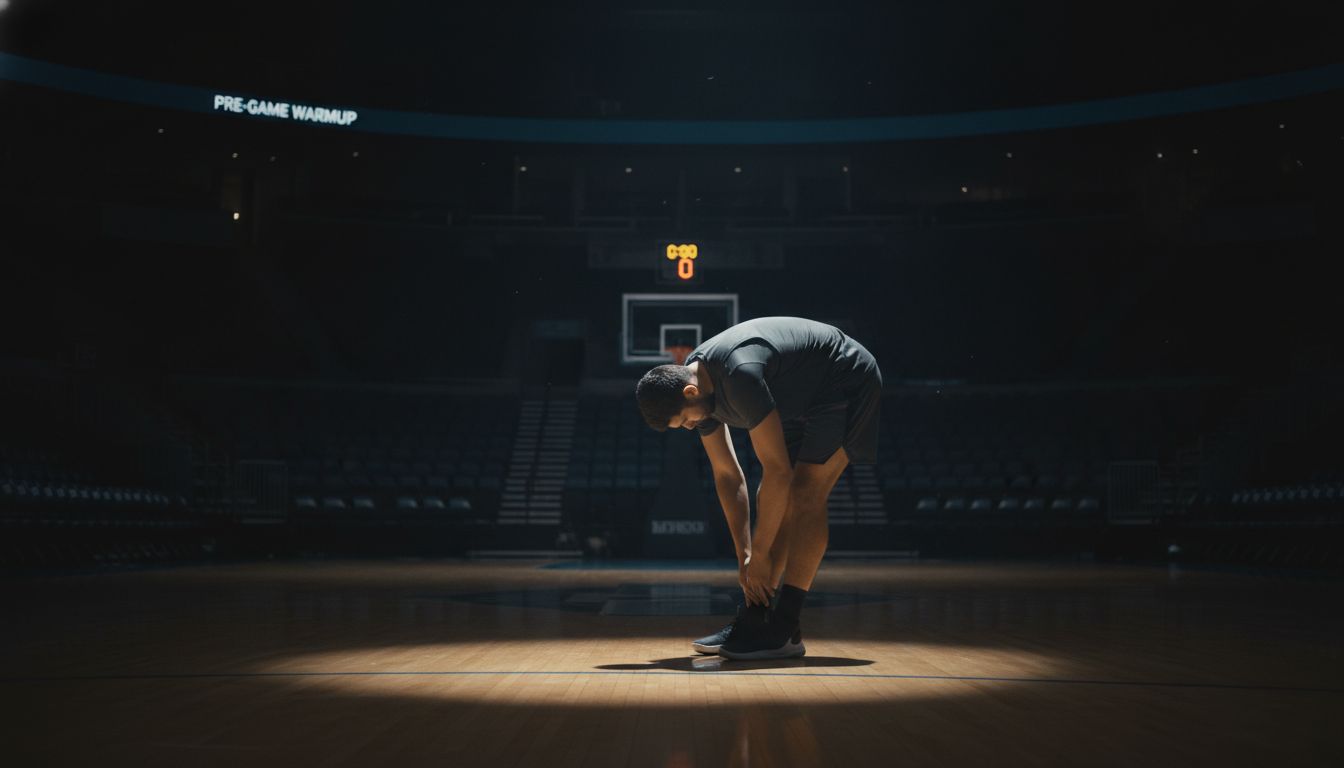
Of course, experience cuts both ways. Karaban had to sit and watch last year’s Final Four on TV after UConn’s season crashed in the second round, a year buried under “threepeat” talk and suffocated by pressure they never quite shook. For a player who’d already been on the inside of that Final Four door, seeing someone else walk through it was a gut punch. He’ll tell you he’s a big college basketball fan and he watched anyway, but he also admits it hurt — and athletes like him don’t waste hurt; they bank it for later. This season, Hurley dialed back into joy, the group shook off the weight of expectations, and Karaban brought that steadiness back into the center of the room.
What makes this run interesting is that UConn is comfortable living with a chip on its shoulder, even as the reigning blueblood in the field. Karaban compares this year more to 2023, when UConn felt overlooked while the spotlight chased other brands. Now, the noise circles Michigan, Arizona and the usual power logos, and the Huskies are happy to let everyone else do the talking while they handle the winning. That fits Karaban perfectly: he doesn’t need to be the loudest, just the surest. You can feel it in little moments — the slight smile when he hears Hurley’s line about coming for rings, not watches, or the way he brushes off nicknames like “Old Dog” while still admitting the only treat he really cares about is another win.
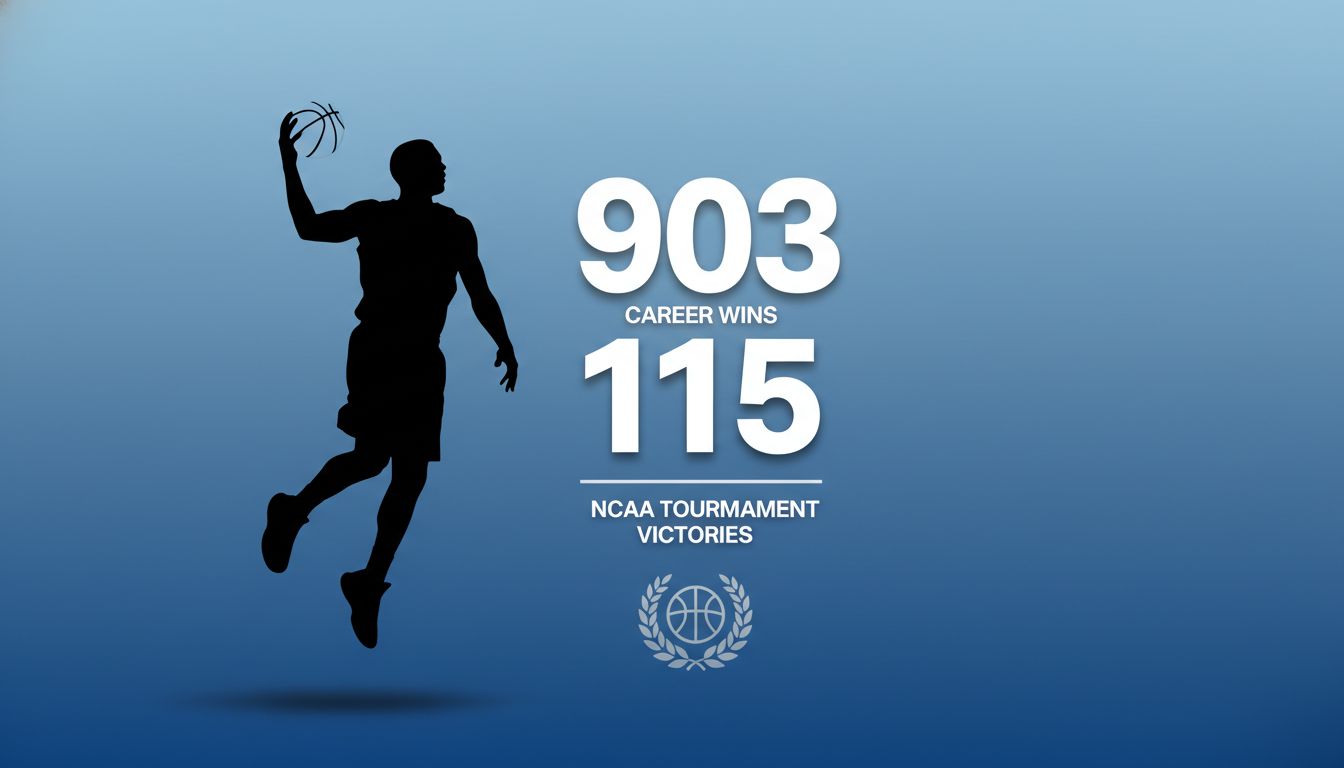
Underneath all the jokes and movie references is something more serious: UConn treats legacy like a job, not a daydream. Karaban already owns the program’s career wins record, which, in a place with UConn’s pedigree, says more about consistency than any single shining performance could. Two more victories would move him to 19 NCAA tournament wins, past Hurley’s brother Bobby on the all‑time list, and you know he’s already planning the one‑liner he’ll drop on his coach if it happens. That’s the thing about players like this — they’re chasing history and having fun needling it at the same time. He’s not just playing to hang another banner; he’s trying to leave footprints deep enough that future Huskies measure themselves against his standard.
Karaban talks about Hurley less like a boss and more like a mentor, even a father figure at times, which tells you why this partnership works when the pressure spikes. They’ve already been through the ugly parts — the temper, the slumps, the heavy expectations — and survived them, which is why nothing the coach says now surprises him. When Hurley pushes harder at the end of a long season, Karaban doesn’t flinch; he leans into it because he understands the ask and trusts the destination. That’s where the real championship DNA shows up: not in the confetti shot, but in the ability to keep absorbing pressure without cracking the relationships that hold the team together. So when he calls this Final Four a pit stop, it isn’t disrespect for the stage; it’s a reminder that their standard sits higher than the logo on the floor.
If UConn finishes this thing off, Karaban walks into some rare air — three national titles as a player, right where the UCLA legends live in the history books. That’s immortality territory, the kind of résumé that gets your name brought up every Selection Sunday for the next 30 years. But even if they fall short, his impact is already baked into the program’s DNA. He’s the player younger Huskies will reference when they talk about how you’re supposed to work, how you’re supposed to handle pressure, how you carry the jersey the right way. In a sport obsessed with one‑and‑done stars, Alex Karaban is quietly making the old‑school argument: sometimes the most powerful thing you can do is stay, build, and set a standard everyone else has to live up to.