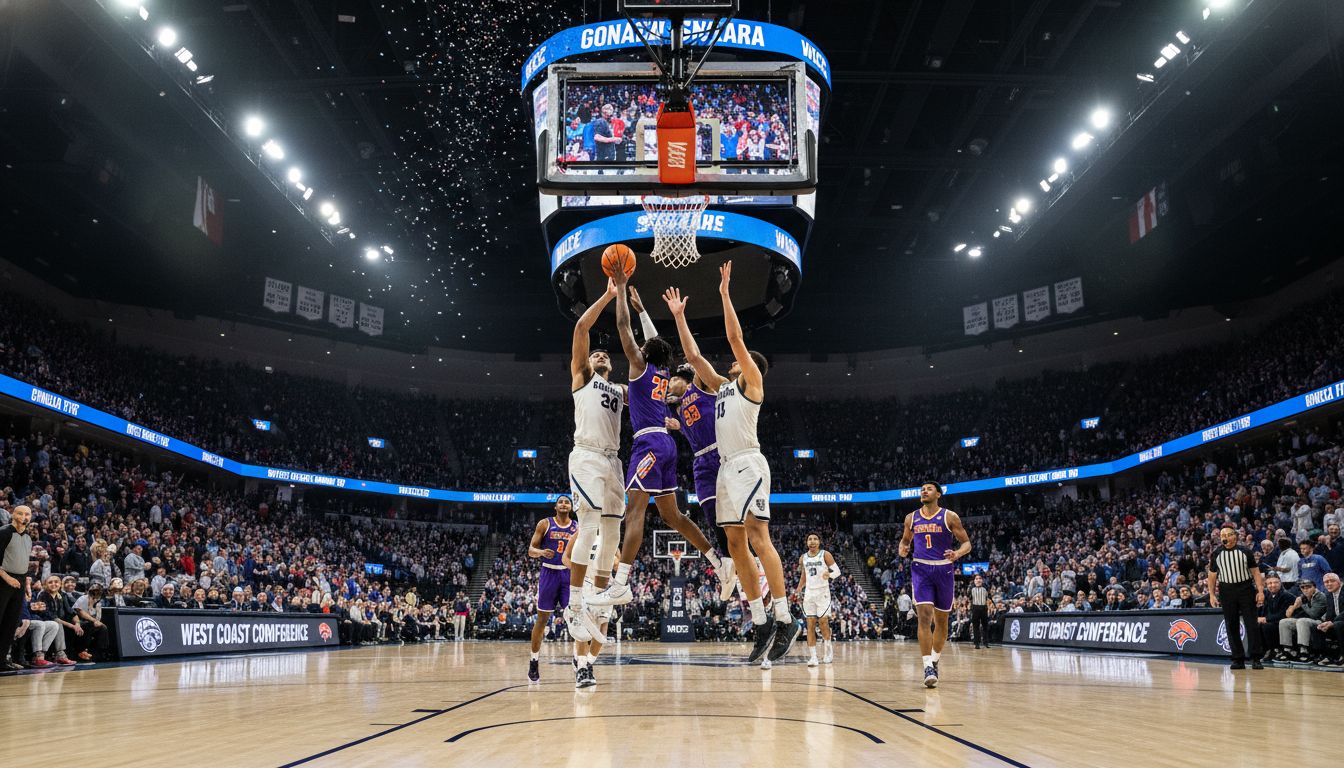
Let’s get this out of the way: the West Coast Conference has been Gonzaga’s neighborhood for three decades, and everybody else has just been paying rent. Twenty-two tournament titles since 1995, 26 regular-season banners, 27 NCAA trips — that’s not a run, that’s a regime. And in 2025-26, that regime packs its bags, leaving the league with a hole the size of Spokane at the top of the standings. So the real question this season isn’t just whether anyone can catch the Zags now; it’s who’s showing the toughness and discipline to inherit what they’re leaving behind. Because once the bully moves off the block, you find out real quick who actually learned how to fight and who was just happy to lose by 12 instead of 30.
Right now, the men’s side of the WCC is a lot more complicated than the usual "Gonzaga and everybody else" script. Santa Clara is sitting on top of the standings at 13-1 through Feb. 11, with Gonzaga a half-step behind but still carrying the ranking muscle — sixth in the NET, 11th in KenPom, the metrics screaming that this is the team to fear. But numbers don’t erase what’s already on film: a loss to 5-9 Portland and close calls with San Diego, Seattle and San Francisco show a team that can be rattled if you punch back instead of posing for pictures. Saint Mary’s is right there in third at 11-2 with a top-30 NET, and the Gaels already went 40 minutes toe-to-toe with the Zags before losing by eight. This isn’t domination; this is a favorite that has to work for its respect every night, which is how it should be in a league trying to convince the world it’s more than a one-program operation.
What makes this men’s race dangerous — and fun — is the depth in that second tier. Santa Clara owns just one conference loss, and Gonzaga handed it to them, but the Broncos’ top-40 NET and KenPom profile say that wasn’t some cute little overachiever getting exposed; that was one tournament-level team smacking another. Saint Mary’s is built like it always is: methodical, physical, willing to turn every possession into a wrestling match for space. Then you’ve got Washington State and San Francisco putting up top-100 offenses, Seattle and Loyola Marymount defending at a top-100 level, and Pacific lurking with numbers that say they can spoil somebody’s March dreams on the right night. You give every team access to the conference tournament in a stepladder format — byes for the big boys, extra work for the bottom — and you’re basically inviting chaos if the so-called contenders don’t show up locked in.
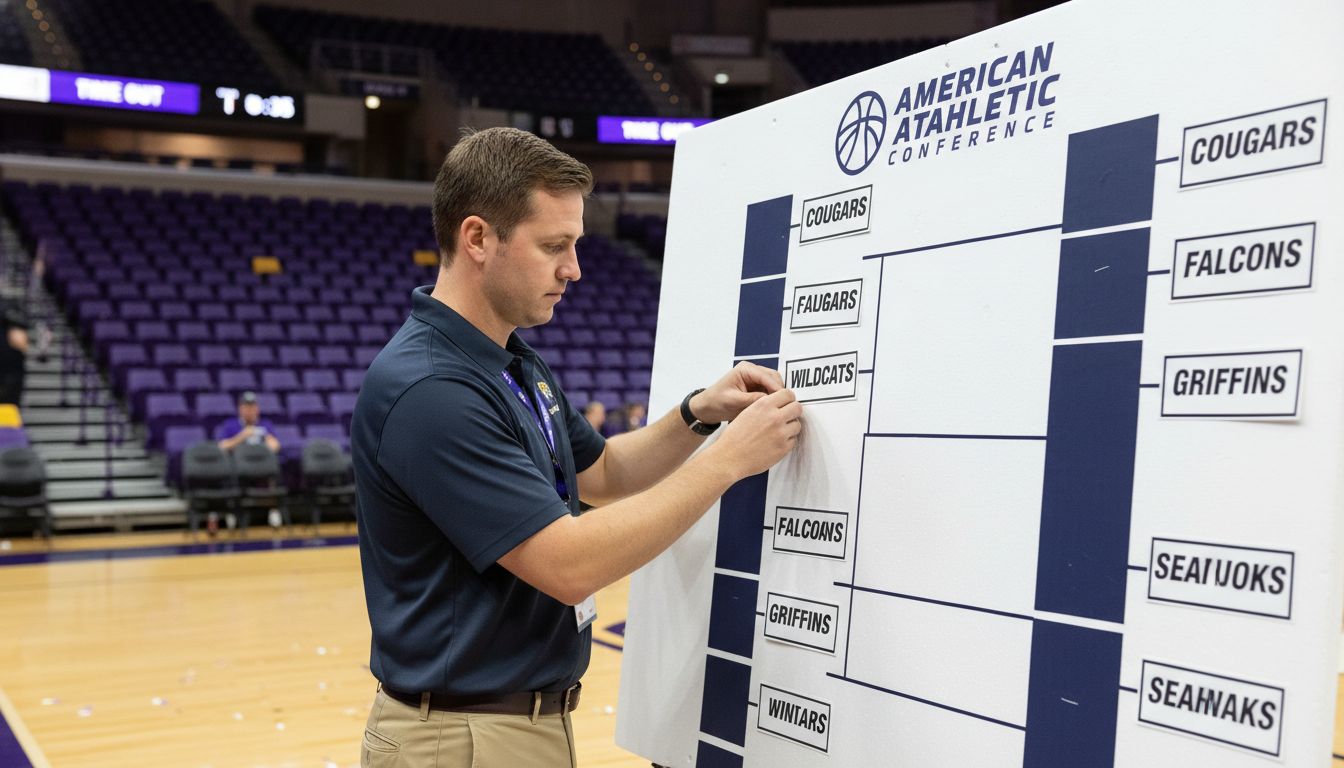
That tournament structure is a toughness test masquerading as a bracket. Top two seeds getting a bye to the semifinals sounds like a reward, and it is, but it also means those teams might run into an opponent that’s already played its way into rhythm while they’re still shaking off the warmups. Seeds three and four slide into the quarters, the rest of the league has to fight through play-ins and early rounds just to see the weekend, and somewhere in there a team that’s been overlooked all season starts believing it can really win the thing. Portland already showed Gonzaga can bleed; that matters when you hit Las Vegas and everybody’s season is on a 40-minute clock. If you’re Gonzaga, Santa Clara or Saint Mary’s, your job is simple: don’t give the rest of the WCC anything to believe in — because once a mid-pack roster gets a taste of momentum, all your NET rankings mean nothing.

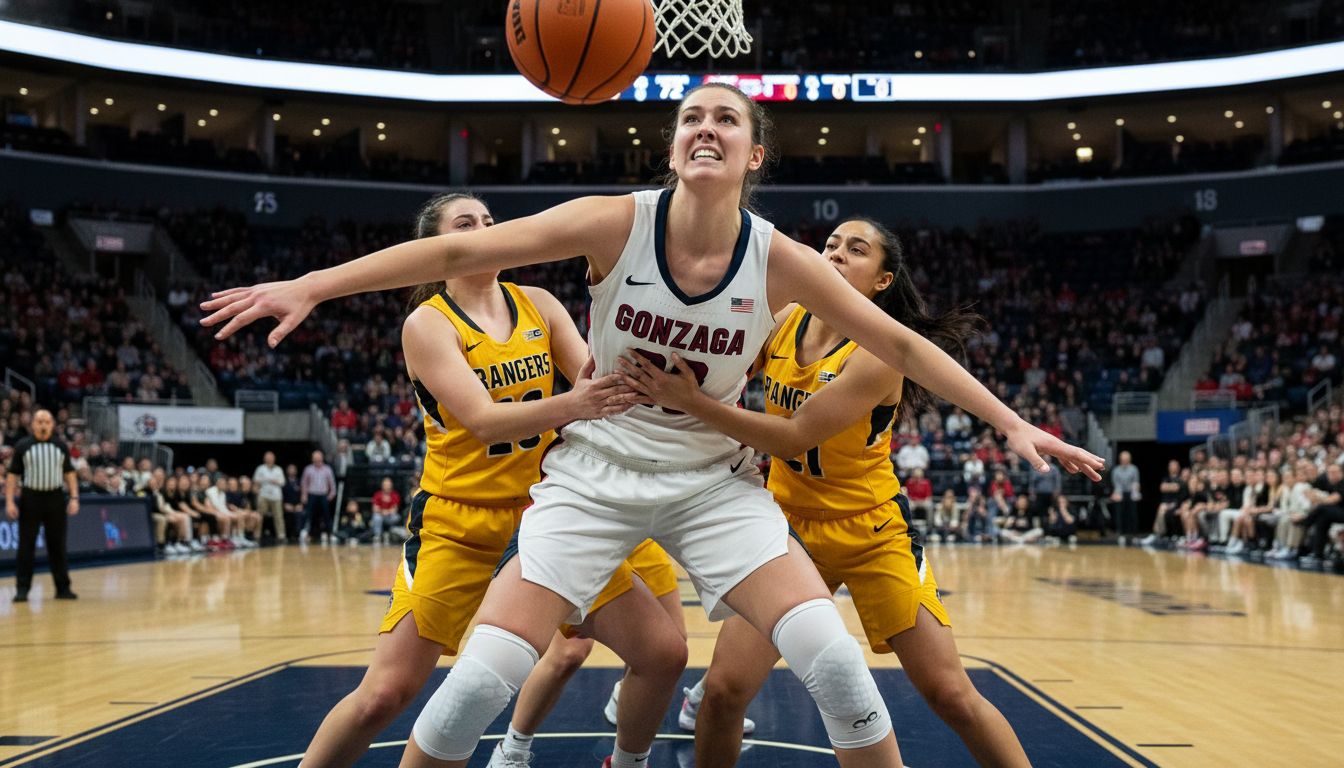
On the women’s side, Gonzaga still owns the top of the league, but this isn’t some untouchable dynasty walking through a soft schedule. The Zags are 10-2 and 62nd in NET, with LMU, Oregon State, Portland and Santa Clara clustered right behind them, five teams fighting for four byes and maybe one at-large lifeline if the committee is feeling generous. LMU sits at 9-3, Oregon State is 9-3 with a stronger NET, Portland and Santa Clara are both 8-4 and dangerous, and San Francisco, Pepperdine and Saint Mary’s lurk just far enough back to be a problem in a one-and-done bracket. This is a league where six teams sit in the top 150 of the NET and the top squad is still close enough to the bubble that one bad week could be the difference between hearing your name on Selection Sunday and booking spring break early. For a so-called mid-major, that kind of compression is both opportunity and pressure: there’s room for more than one team in March, but not a lot of margin for excuses.
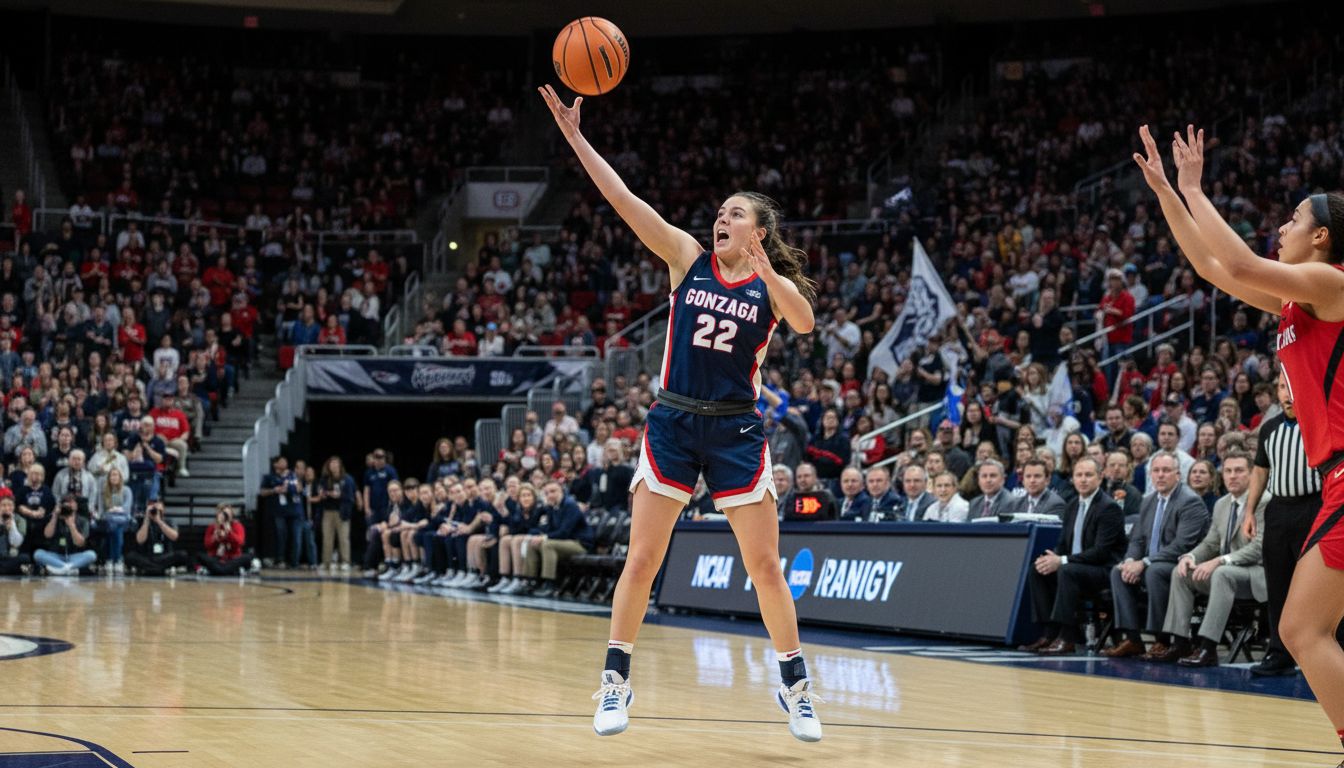
The women’s Gonzaga team has a clear identity: they stretch you out and they punish you on the glass. They don’t jack the most threes in the league, but they make them at an elite clip, nearly 40 percent from deep, and they clean the boards better than anyone in the conference. Freshman forward Lauren Whittaker is the engine and the safety net, leading the WCC in scoring and rebounding while finishing at over 54 percent from the field and almost 60 percent on twos. She’s also tops in effective field goal percentage and PER, which means every possession that goes through her is tilted in Gonzaga’s favor before the shot even goes up. The flip side is the kind of problem that exposes itself in March: behind Whittaker, there isn’t a second star who reliably carries a piece of the load, and a team that leans that hard on one player is always one bad shooting night or early foul call away from seeing its season end.
If you want to understand where a conference is headed, don’t just look at who’s winning now — look at how they win. Gonzaga’s men have lived off being more skilled and more prepared than everyone else, but the cracks we’ve seen this year are about focus and finishing, not talent, and that’s a leadership issue inside the locker room and on the bench. Santa Clara is trying to prove it’s not just a regular-season story but a program that can drag that consistency through a bracket when the lights are hotter. Saint Mary’s has already built a culture of toughness; the question is whether that DNA can scale up when Gonzaga’s brand steps out of the way and the spotlight hits them full blast. On the women’s side, Gonzaga has a superstar in Whittaker, but if the rest of that roster doesn’t develop a mean streak and a couple of go-to counters, all that talent becomes a "what if" instead of a legacy.
The WCC has quietly earned something most mid-majors beg for: respect from the committee. Three straight men’s tournaments with at-large bids, multiple recent at-larges on the women’s side, and metrics that say this isn’t just a one-bid league praying for a Cinderella run. That respect, though, is on a timer; once Gonzaga leaves, the rest of the conference has to prove it can still produce tournament-caliber teams without leaning on the Zags’ reputation as a crutch. Santa Clara, Saint Mary’s, LMU, Oregon State, Portland, San Francisco — all of them are auditioning right now for the role of standard-bearer, even if nobody wants to admit it out loud yet. You don’t replace a giant by talking about it; you replace a giant by stacking wins, performing in March, and showing up year after year with teams that don’t flinch when the bracket drops.
So if you’re flipping channels in late February and you stumble onto a WCC game, understand what you’re watching. These aren’t just warm-up acts for Gonzaga’s farewell tour; these are programs trying to prove they belong in the conversation after the headliner leaves town. On the men’s side, that means seeing whether Santa Clara’s record is built to last, whether Saint Mary’s can turn its grind-it-out identity into trophies, and whether one of those so-called middle teams has the guts to make Vegas their personal coming-out party. On the women’s side, it’s about whether Gonzaga can build enough around Whittaker to survive when the scouting reports tighten up, and whether a LMU or Santa Clara can stack enough quality wins to make the selection committee sweat if they don’t cut the nets down. The WCC isn’t just trying to survive Gonzaga’s exit; it’s trying to use it as a test of who in this league actually wants the pressure that comes with being the hunted, not the hopeful.