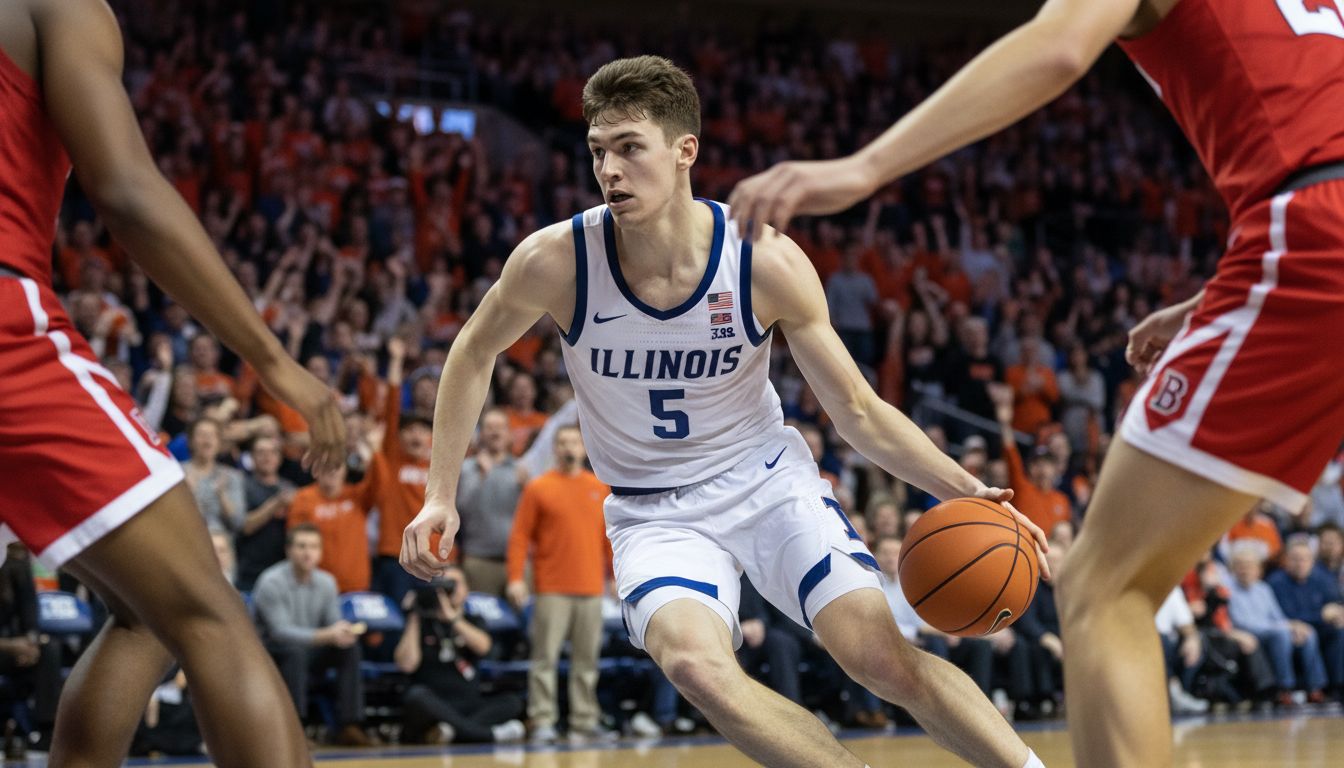
If you watch enough college hoops from a little outpost like Spokane, your eye gets trained to spot the guys who don’t seem to know they’re not supposed to be this good, this fast. Keaton Wagler fits that mold almost a little too perfectly: a skinny, under-ranked freshman from Shawnee, Kansas, dropped into the furnace of Big Ten basketball and somehow walking around like he’s just running pickup at the YMCA. You look up from the box score and he’s got 34 points, seven assists, and barely a facial expression to show for it. In a sport that rewards chest-thumps and Instagram highlights, Illinois has hitched its Final Four dreams to a kid who seems more likely to apologize for scoring than to flex about it. From a distance, it’s fascinating: a program with real national-title aspirations building its offensive universe around a first-year guard who treats emotion like a turnover to be avoided.
Wagler’s late-game miss against Wisconsin, the one that rattled out as five Badgers converged on him, almost serves as the thesis for his whole season. In an alternate universe, that 3 falls like so many of the 66 others he’s drilled this year and we’re replaying a signature, season-defining shot. Instead, the iron is cruel, the crowd gasps, and the camera zooms in on a face that might as well have been mid-warmup. This is where his backstory matters: a dad who drilled into him that showing frustration is showing weakness, that opponents don’t get access to your emotions. For some players, that kind of stoicism looks forced; with Wagler, it feels like a deeply wired operating system, one that has somehow held up under the kind of defensive attention usually reserved for grizzled All-Americans.
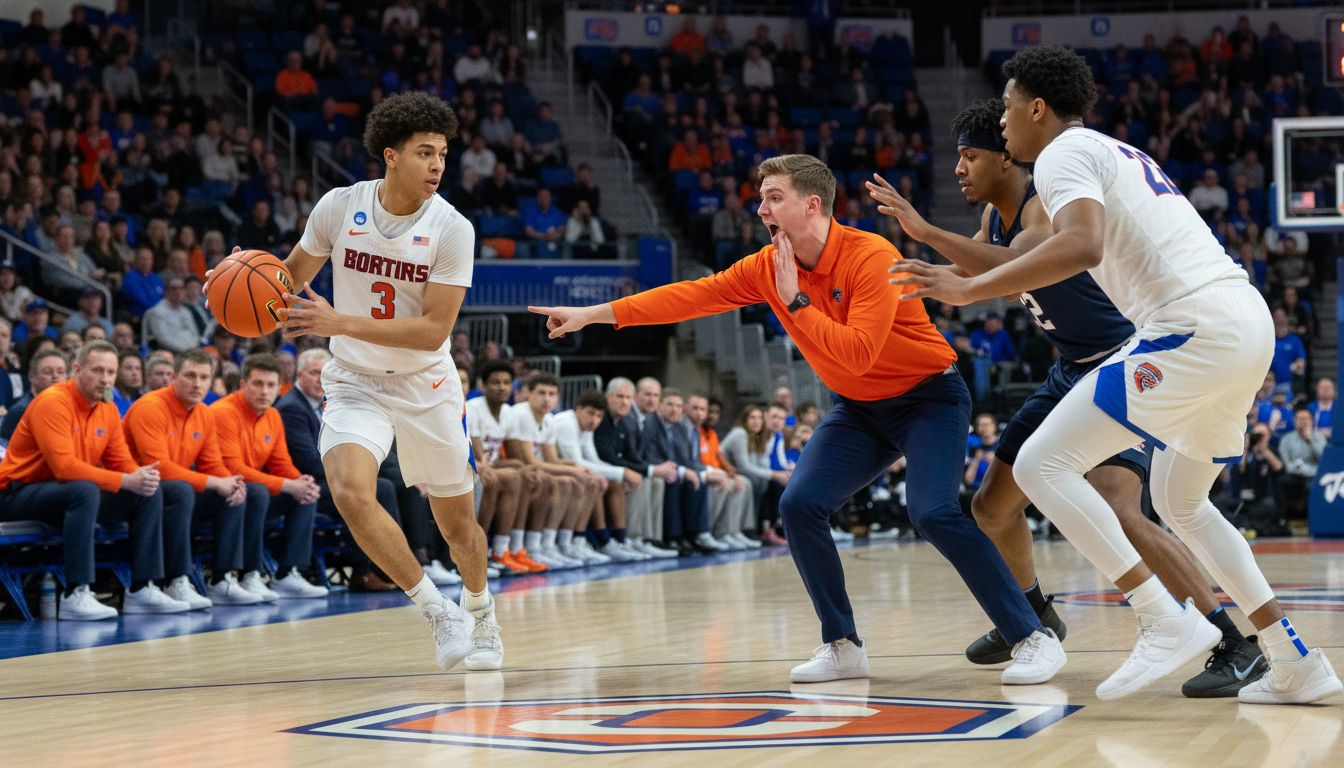
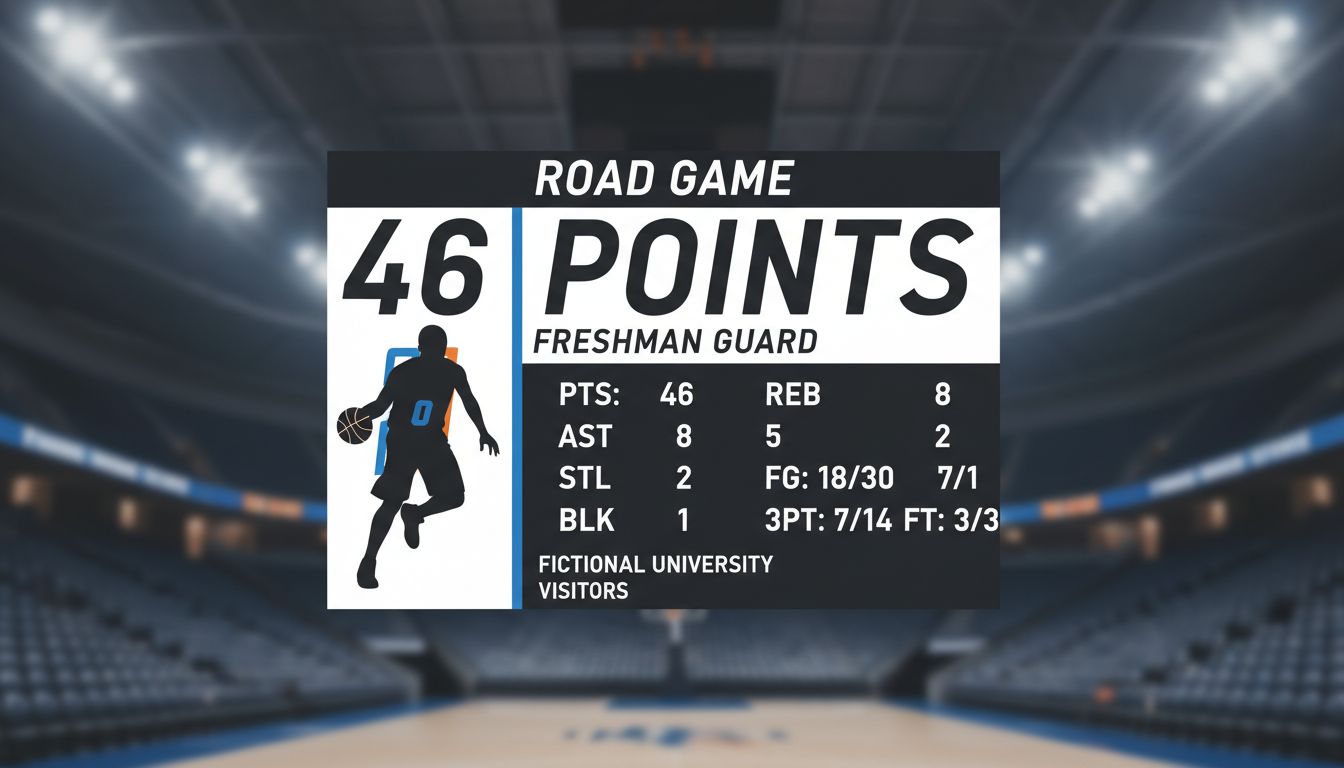
Context helps explain why Illinois has gone all-in on this freshman. There are only a handful of true freshmen in Big Ten history to average at least 17 points, four rebounds and four assists, and they mostly played on good-but-not-great teams that flamed out before the first weekend’s confetti fell. Wagler, by contrast, is putting up that line while guiding a group tracking toward a No. 2 or 3 seed and talking openly about the Final Four—the kind of season that exposes every crack in a young guard’s game. So far, there aren’t many cracks. His 46-point explosion at Purdue didn’t just rewrite the Illinois freshman record book; it announced that this was not some nice complementary piece, but the engine of Brad and Tyler Underwood’s entire offensive experiment. Drop him into Mackey Arena, one of the loudest buildings in the sport, and he responds by going 13-for-17 from the field and earning his own commemorative shot-chart t-shirt.
The numbers back up the eye test, which is usually when you know we’re dealing with something real and not just a hot streak. In conference play, Wagler’s assist rate has cracked the 30-percent mark, with a tidy 2.4-to-1 assist-to-turnover ratio against Big Ten defenses that now game-plan around him. He’s read pick-and-roll coverages quickly enough that Tyler Underwood, Illinois’ 29-year-old offensive coordinator, just keeps the keys in his hands late in games and trusts his freshman to make the right read. That trust didn’t happen by accident; it grew out of a summer in which Wagler lived in the weight room, dealt with Kylan Boswell’s on-ball pressure, and repeatedly tried to finish over a 7-foot-2 shot-blocker with arms straight out of a cartoon. The Underwoods went from curious about the tall guard from Kansas to convinced they had to build the starting lineup—and, really, the scheme—around him.
What I appreciate, having watched another "small" program in Spokane punch above its weight for two decades, is how ordinary some of Wagler’s habits are, even as the stat lines drift toward legendary. He talks openly about chasing at least one offensive rebound a game and tipping another out, the kind of blue-collar metric that usually comes from dads who value box-outs as much as buckets. He leans on a tight, quick spin move he added as a high school junior, a move so well-known that defenses now sit on it, and yet often still can’t time it. And when they do shade to take it away, Wagler’s counter isn’t a trick shot; it’s a simple kick-out to shooters, the right play made on time. There’s a humility in that approach that resonates in places that have had to win without a blue-blood talent pipeline: you build a star out of repeatable, low-drama decisions, not just viral moments.
Of course, in 2020s college basketball, the off-court game can be louder than anything happening between the lines, and this is another place where Wagler feels a little out of step in the best possible way. While the transfer portal spins and NIL money gets thrown around like we’re in a free-agency market, he’s quietly on track to be one of the lowest-paid All-Americans in the country. So far his ventures include a modest deal with a regional trucking company and a t-shirt or two, including one with his face that he jokes makes him look a little unhinged. There’s no million-dollar collective dangling in the background, no sense that his freshman season is a branding campaign in disguise. That restraint doesn’t make him morally superior—plenty of players need and deserve every dollar they can get—but it does fit the profile of a kid more locked in on the next ball screen than the next billboard.
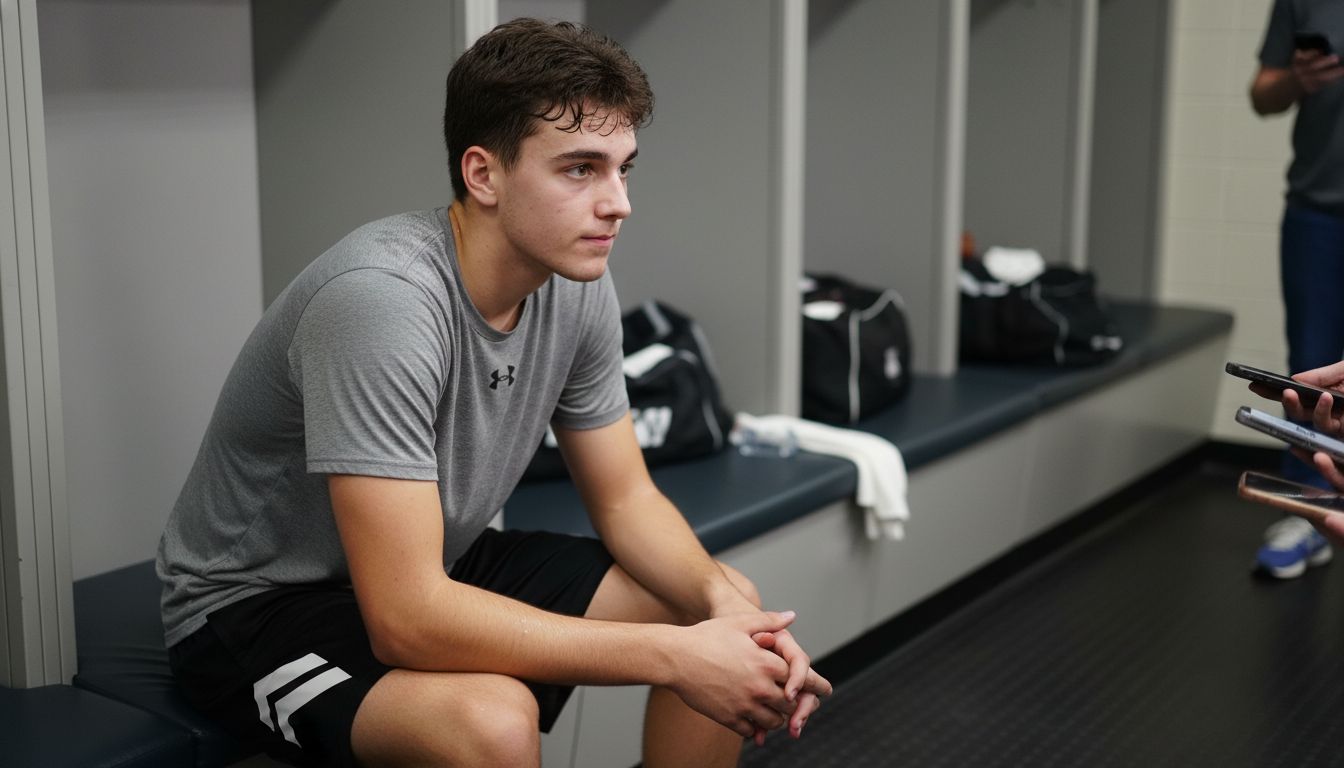
The bond between Wagler and Tyler Underwood might be the most quietly important storyline in Champaign. In football terms, it’s the quarterback and the playcaller humming the same tune, trading encouragement before the tip and winks during timeouts. Before each game, Underwood’s message is simple: "They can’t guard you; just play how you always play," followed by the kind of tactical trust that shows up when he clears the floor and gives his freshman the ball with the season on the line. For a program trying to finally break through to its first Final Four since 2005, that kind of relational foundation matters as much as any out-of-bounds set. Players are more likely to survive rough shooting nights or hostile road crowds when they know the staff sees them as more than just shot charts and efficiency ratings.
There’s also the historical weight trailing Wagler whether he acknowledges it or not. No freshman has ever won Big Ten Player of the Year, and he’s in the mix with established names from Michigan, Michigan State and Purdue—all programs used to seeing their stars in that conversation. Layer on top of that Illinois’ national championship ambitions, and you get a season that feels like a crescendo: every game a little heavier, every scouting report a little thicker. What’s striking is Wagler’s stated desire to keep everything the same: take what the pick-and-roll gives, shoot when defenders relax, rebound like his dad is grading him from the stands. The temptation for a freshman in his position is to force the narrative; his strength so far has been resisting that temptation.
Looking ahead, the sport’s machinery is already spinning up around him. He’s penciled in for the NBA Draft Combine in May, and his Illinois teammates are lobbying for him to join the offseason trips, including a possible jaunt to Greece. June 24, the next NBA Draft, looms as a date he’d better keep clear if his trajectory holds. This is the part of the story where fan bases start to worry about how long they get to keep a kid like this and whether one magical year is enough. But there’s also something refreshing in the way he and the Illini staff seem intent on staying present-tense, focusing on the next Big Ten war rather than the mock drafts.
In the end, what makes Keaton Wagler so compelling isn’t just that his freshman metrics sit alongside Magic Johnson-era legends, or that he’s become the focal point of a top-tier Big Ten offense almost overnight. It’s that his game is built on a kind of steady, unspectacular excellence that tends to travel well—from packed student sections in the Midwest to, someday, NBA arenas. For those of us who’ve watched so-called "outsider" programs build something sustainable, his rise in Champaign feels like another reminder that the sport still has room for late-blooming, under-recruited guards who thrive on trust, repetition and a little bit of stubborn calm. Illinois fans will remember the 46 at Purdue and the halfcourt heave against Northwestern, but they may ultimately appreciate even more the way he kept showing up, spin move at the ready, expression unchanged. If the Illini do finally break through that Final Four ceiling, don’t expect a primal scream from their stoic assassin—maybe just a small smile and a quiet walk back on defense, the job simply not finished yet.