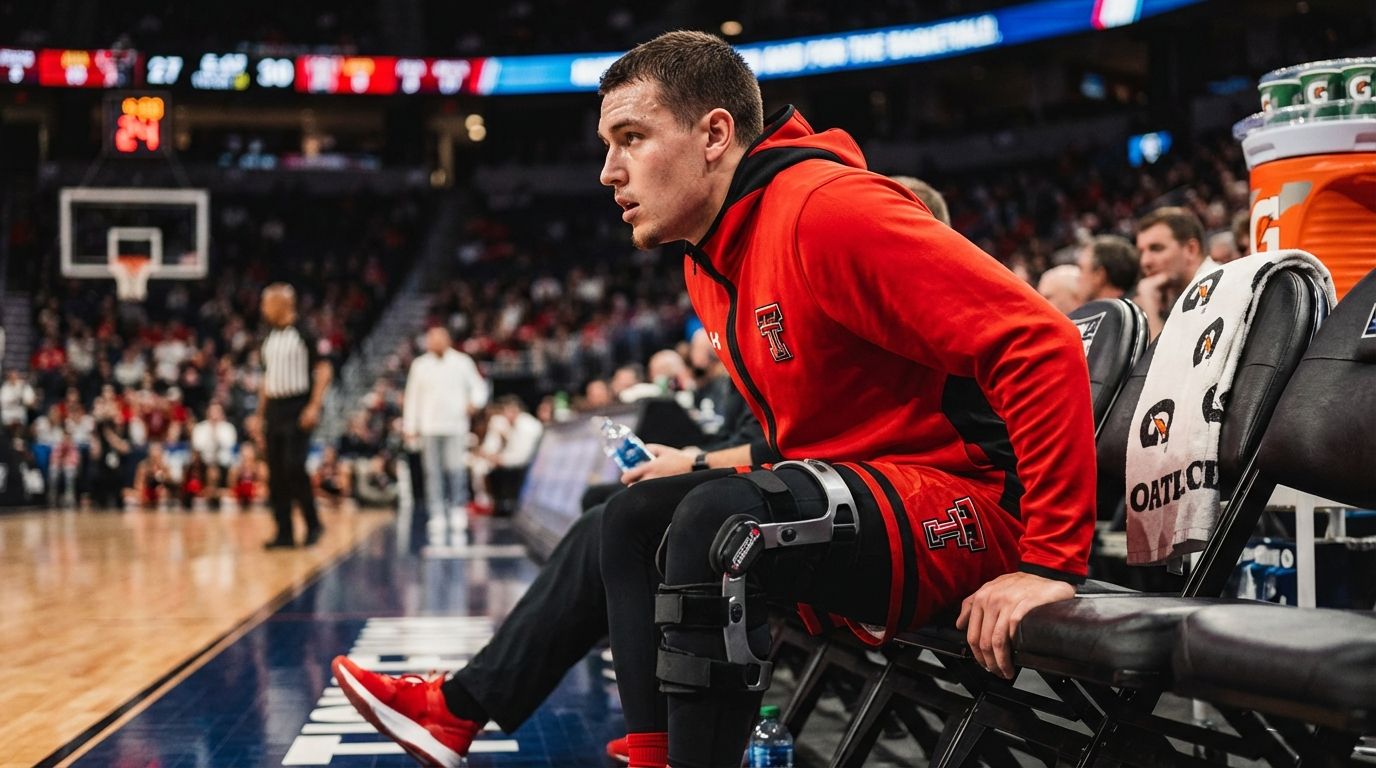
If you watch enough basketball, you develop a sixth sense for when an injury is bad before the MRI ever shows up on the screen. The way a player falls, the way their teammates look away, the way the arena goes quiet—your stomach knows before your brain does. When Texas Tech star JT Toppin drove to the rim against Arizona State, made contact, and his right leg buckled, you didn’t need slow motion to understand this was different. He stayed down, grabbed his knee, and suddenly a random Tuesday night in February turned into a season pivot point for the Red Raiders. By the time the team got back to Lubbock and the MRI confirmed the worst—a torn ACL—the story had already shifted from "Can this team make a Final Four?" to "Can they survive without the guy making that dream possible?"
Toppin wasn’t just Texas Tech’s best player; he was their entire frontcourt ecosystem. He led the Red Raiders in points (21.8), rebounds (10.8), and blocks (1.7), numbers that sound like a video game build someone forgot to nerf. He was on pace to become the first Big 12 player since Blake Griffin in 2008-09 to average at least 20 and 10, which is basically the conference’s way of hanging a "do not enter" sign in the paint. You don’t just replace that with hustle and a vibes speech in the locker room. With Toppin out, LeJuan Watts is now the only forward on the roster averaging at least 15 minutes per game, which is less "next man up" and more "next man, please don’t foul out."
The timing makes it worse. This wasn’t a blowout where he got hurt in garbage time; it was a tight, ugly game that Arizona State had no business controlling on paper. The Sun Devils came in 4-8 in Big 12 play, but they led 61-56 with just over six minutes left when Toppin went down. Texas Tech rallied late and managed to make it a one-possession game, but the damage—both on the scoreboard and to their star—was already done. The loss dropped Tech to fifth in the Big 12 and marked just their second defeat to an unranked opponent this season, a reminder that the margins in this conference are thin even before you lose your best player.
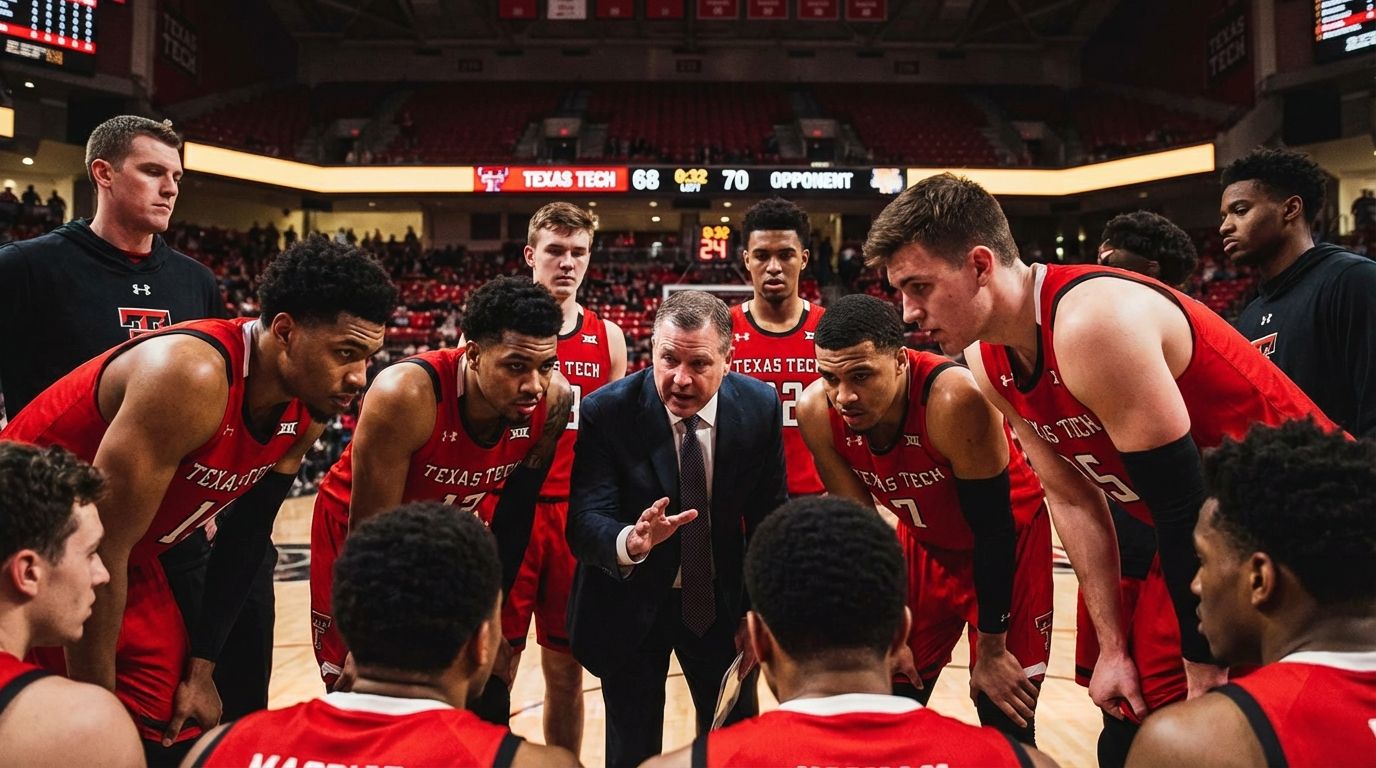
Head coach Grant McCasland admitted the obvious afterward: the injury shook his team. "It definitely knocked us on our heels a little bit," he said, before quickly pivoting to praise the group that finished the game for their fight. Coaches are legally required to talk about resilience after something like this, but buried in his quote was a quiet indictment: "If we would have done that for the previous 38 minutes, we would have put ourselves in a better position. That’s the new reality for Texas Tech—there’s no longer any margin for drifting through stretches and flipping the switch late, because the player who usually paid for those lapses with superstar production is now in street clothes.
Zooming out, Toppin is the second high-profile Big 12 player in a week to lose his season to an ACL tear, joining BYU’s Richie Saunders on the injury report nobody wants to be on. It’s probably a coincidence more than a trend, but it does sharpen the conversation around workload, travel, and the never-ending push for more games and more content in college sports. These are still young athletes whose bodies are asked to handle NBA-lite schedules without NBA-level resources, all while navigating school, NIL pressures, and the constant noise of social media. In a sport that markets itself around "student-athletes," the line between opportunity and exploitation is always worth interrogating, especially when the cost is someone’s knee and a lost season. You don’t have to be anti-college sports to ask whether the system is really built with players like Toppin and Saunders at the center—or if they’re just the fuel that keeps the machine running.
On the court, the question becomes deceptively simple: what does Texas Tech look like without Toppin? The backcourt is still strong, and there’s enough guard play to keep them competitive on most nights, particularly in a league where spacing and shot creation decide a lot of close games. But every scouting report just got a lot shorter: attack the paint, test the glass, and dare Tech’s thin front line to hold up for 40 minutes. Watts will have to scale up his role, and someone from the bench will need to turn into more than a "break in case of foul trouble" option, or this team’s ceiling could drop from "Final Four dark horse" to "tough out that doesn’t quite scare you in March. They can still win; they just can’t win the same way.
For Toppin, the story now shifts from dominance to recovery, and that’s its own kind of grind. ACL rehabs are long, lonely, and very unglamorous; there are no highlight reels for balance work and strength sessions in empty training rooms. But modern sports medicine has turned what once felt like a career-threatening injury into something more like a brutal detour, and at 21-ish with his résumé, Toppin has every reason to believe he’ll come back as the same matchup nightmare he was becoming. The challenge for everyone around him—coaches, media, fans—is to remember he’s not just a stat line or a missing puzzle piece in a tournament bracket. He’s a young person whose life just got rerouted in real time on national television.
If you care about the human side of sports—and not just your bracket or your favorite team’s NET ranking—this is the part that sticks with you. Moments like this remind us that the joy we get from college basketball is built on unpaid labor wrapped in pageantry and tradition, which is a little less charming when someone’s season ends on a bad planting step. Texas Tech will regroup, because that’s what teams do, and honestly, they still have enough talent and toughness to make noise down the stretch. But there’s a difference between surviving and thriving, and losing a player on a Blake Griffin-type trajectory tends to push you toward the former. For now, the task is simple and impossibly hard at the same time: find a new identity on the floor, support Toppin off it, and try to remember that behind every "season-ending injury" graphic is a kid who just had to rewrite their whole year in one unlucky fall.