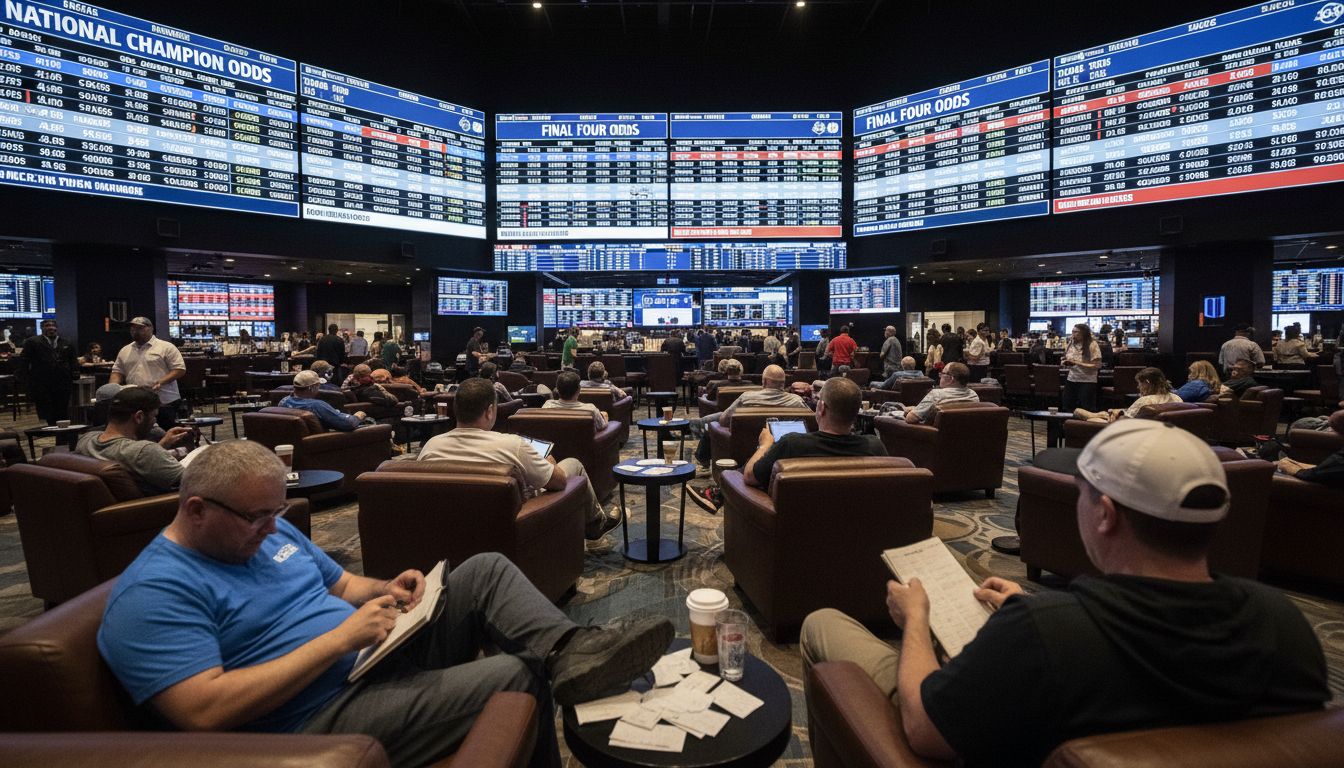
The first full day of the men’s tournament did what it always does to Vegas: it shook the table but didn’t flip it over. Duke flirted with disaster in its opener, and the Blue Devils’ national title odds quietly widened from +360 to +425, enough to nudge them from co‑favorite status down the board. Arizona slid into the new favorite slot at +340, with Michigan close behind at +370 after winning but failing to cover a hefty 30.5‑point spread against Howard. Houston and Illinois picked up market respect with convincing covers, while programs like Arkansas, Michigan State and Gonzaga were rewarded simply for surviving the round of 64. On the surface, this is just a shifting odds board; underneath, it’s a snapshot of how money, perception and risk management shape the story we tell about March.
Start with the headline move: Arizona’s ascension to favorite status. At 32-2 and sitting on the 1‑line, the Wildcats’ +340 price isn’t exactly a bargain, but it reflects how quickly sportsbooks adjust when a blue‑blood like Duke looks mortal, even for one tense night. Michigan’s +370 slot behind them underscores another truth of this market: result doesn’t always equal reward, at least not immediately. The Wolverines handled their business against Howard but failed to cover a massive spread, a reminder that point spreads are tools for balancing action, not moral judgments on how well a team "should" win. Books are pricing probabilities, not narratives, and yet the public tends to read these odds like power rankings carved in stone.
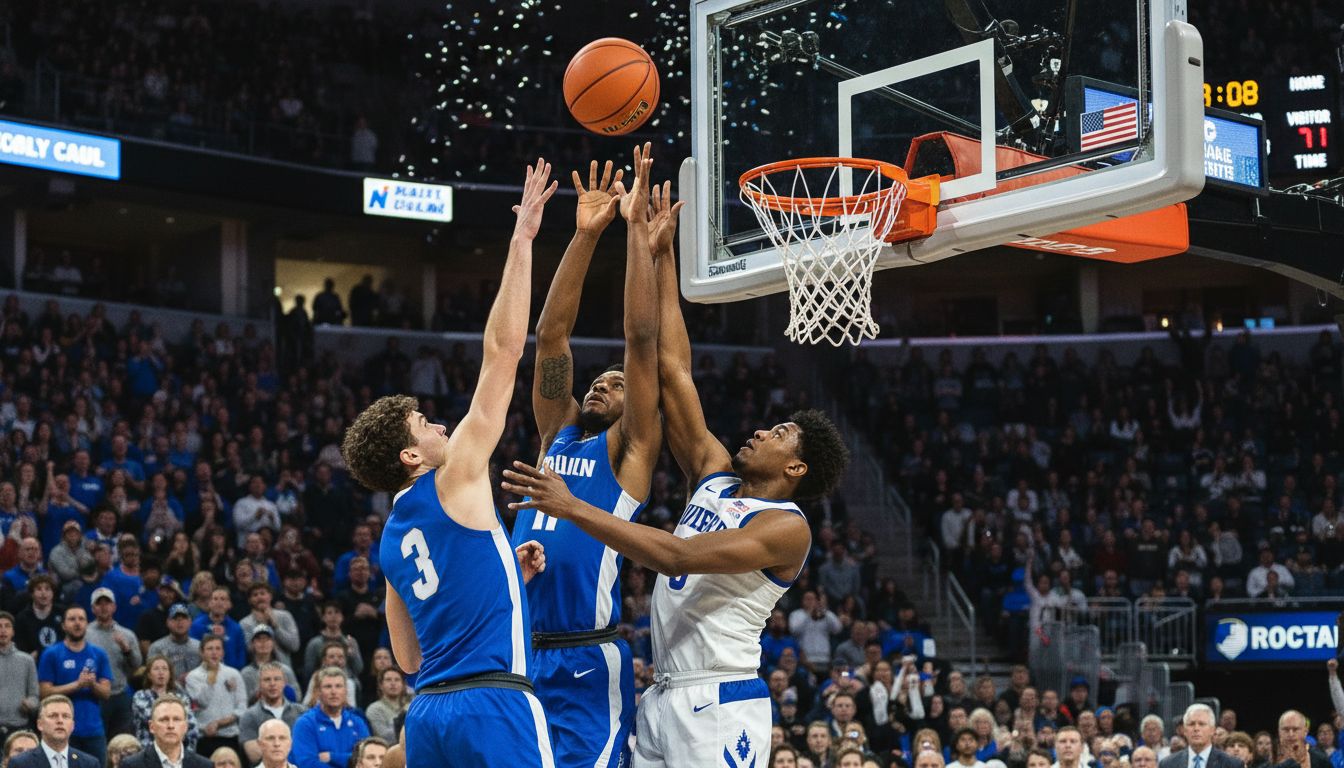
Duke’s slip to +425 is a case study in how a single shaky performance can move a number without fundamentally rewriting a team’s ceiling. At 32-2, with a 1‑seed and a clear path on paper, the Blue Devils remain one of the three most likely champions in the market. But that near‑upset injected just enough doubt to push some bettors toward the slightly safer feeling of Arizona and Michigan at the top of the board. Sportsbooks are agnostic about school colors; they react to where the money goes and how much liability they’re willing to carry. If you’re looking at this like an investor instead of a fan, that Duke drift is less a verdict on the program and more a real‑time risk calculation.
Further down the board, the moves for Houston (+950) and Illinois (18-1) tell a subtler story. Both delivered the kind of favorite covers that steady a market: no drama, no wild swings, just enough dominance to justify a shorter price. Teams like Arkansas and Michigan State, each at 50-1, and Gonzaga at 55-1, saw only marginal improvements, reflecting the difference between surviving and convincing. A survive‑and‑advance win keeps you on the page; a decisive cover against the spread can actually change the paragraph. That distinction may sound academic, but in practice it’s how sportsbooks separate noise from signal when deciding which futures to tighten.

Then there’s the defending champion, Florida, whose odds lengthened from +750 to +800 before it even tipped off in this year’s tournament. That slight drift wasn’t about some overnight scandal or secret injury; it was about making room for the steam on other contenders while still respecting Florida’s status as reigning champs. Purdue and UConn sit at 25-1, but that number hides an important detail: several books list the Boilermakers and Huskies as major liabilities thanks to heavy public backing. In plainer English, those are the tickets sportsbooks least want to see cash in April. When numbers move in this range, it isn’t always because the team changed; sometimes it’s because the balance sheet did.
If you scan the full futures table, you see tiers more than absolutes. The top line is crowded with Arizona, Michigan, Duke and Florida, all at relatively short prices that reflect both performance and brand gravity. The second tier stretches through Houston, Iowa State and Illinois, where bettors are hunting for value on teams with elite metrics but a touch less national shine. Below that come the long shots: Arkansas, Michigan State, Gonzaga, Vanderbilt, St. John’s and beyond, programs whose paths to a title exist but require almost every coin flip to land in their favor. Once you drop into the triple‑digit odds and beyond, from Louisville at 120-1 to mid‑major auto‑bids at 500-1 and 2000-1, you’re no longer betting probability so much as possibility.

It’s worth pausing on what these long odds actually mean. A team listed at 500-1 isn’t being disrespected by some faceless Vegas villain; it’s being accurately priced in a 68‑team tournament where talent and depth gaps are real. Programs like High Point, Hofstra or Northern Iowa know the math as well as anyone: their route to the second weekend runs through upsets of teams that recruit at an entirely different economic tier. Fans see Cinderella; bookmakers see a series of low‑probability events strung together like Christmas lights. Neither view is wrong, but one comes with a spreadsheet attached.
From an accountability perspective, the most important thing for fans and casual bettors is understanding who sets this narrative and why. Odds from a major book like DraftKings aren’t predictions carved into marble; they’re dynamic prices built to attract and balance action while protecting the house from catastrophic loss. The table lists Arizona at -800 to reach the round of 16 and Duke at -700 in its next game, numbers that signal overwhelming expectation but not certainty. When media outlets publish these odds without context, it can subtly launder risk into inevitability, turning informed guesses into something that looks a lot like fate. If you’re going to put your money—or just your emotions—on these lines, you deserve the full picture of how they’re made.
There’s also a fairness question lurking underneath all of this. While sportsbooks and media partners can profit from the constant churn of betting interest, the players themselves are still navigating a patchwork NIL landscape where their share of the pie depends more on marketability than on the billions their performances generate. When a line moves because a star guard tweaks an ankle or a freshman center breaks out, the economic upside flows to books, broadcast partners and, sometimes, coaches with incentive clauses—not to the athletes carrying the risk on their actual bodies. That imbalance doesn’t change the math on Arizona at +340 or Michigan at +370, but it should factor into how we talk about the money swirling around March. The house is always protected; the kids on the court, less so.
So how should a smart, skeptical fan read this odds board heading into the weekend? First, treat the numbers as probabilities, not prophecies: Arizona is the favorite because it has the highest estimated chance to win, not because the title is pre‑assigned to Tucson. Second, pay attention to how quickly lines shift after close calls or lopsided covers; that’s your visible trace of the tug‑of‑war between public sentiment and bookmaker caution. Finally, remember that transparency is your best defense in any market where other people’s profits depend on what you don’t know. Enjoy the chaos of March, debate the merits of Duke versus Michigan State or Houston versus Illinois, but don’t hand over your judgment to a number on a screen just because it comes with a plus sign and a corporate logo.