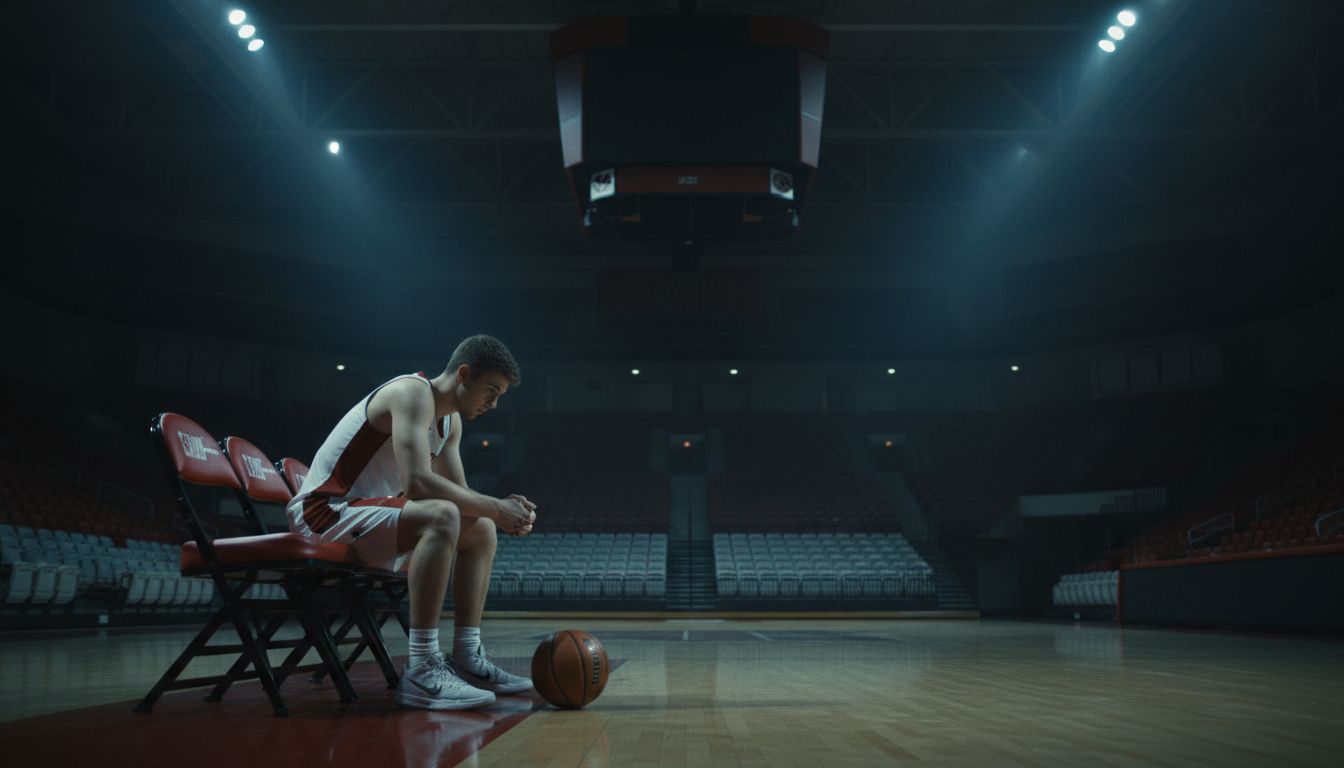
The story of Aden Holloway’s March doesn’t begin with a last-second shot or a net cut down under confetti; it begins with a knock on an apartment door and a trash bag hauled to the curb. According to court documents, Alabama’s second-leading scorer consented to a phone search after his arrest on felony marijuana charges, a decision that opened a window into what investigators say were "drug transactions" and what his legal team insists was a constitutional overreach. Somewhere between those two narratives is a 19-year-old guard who was supposed to be preparing for the NCAA Tournament and is now suspended from campus, his future hovering in the air like a jumper released just a fraction too late. We are used to March Madness as a stage for mythmaking, but this is the quieter, more complicated side of college basketball—the one that doesn’t fit neatly into a highlight package. It’s also where the system’s competing instincts, punishment and protection, slam into each other at full speed.

Police say they found 2.1 pounds of marijuana in Holloway’s Tuscaloosa apartment, packaged in various ways—from plastic bags to vacuum-sealed bundles—along with $400 in cash, mostly in smaller denominations that prosecutors argue are "indicative of narcotic sales." Investigators had first conducted what’s known as a "trash pull," collecting refuse associated with Holloway’s residence and reporting they discovered drug paraphernalia linked to him by name. On his phone, agents say, were messages from people talking about connecting with him after the basketball season, which helped form the backbone of a complaint from Tuscaloosa district attorney Hays Webb seeking to seize the money as proceeds from drug activity. Pressed by police, Holloway reportedly acknowledged that the marijuana came from "someone out of town," after initially asserting his right to remain silent. The messy details, right down to the cash and the trash bag, are precisely the sort that make it easy to flatten a person into a headline—and just as easy to miss the full story.
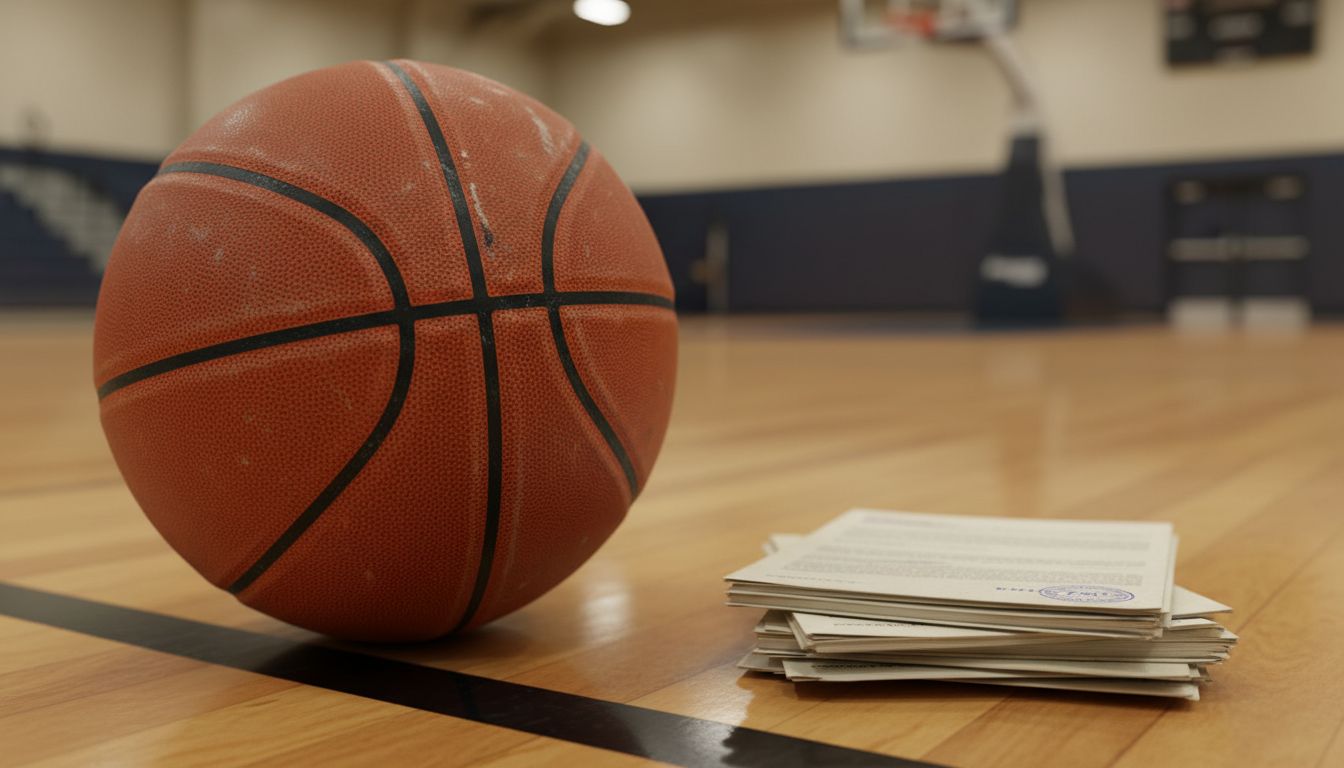
Holloway’s attorney, Jeff Neff, has already signaled that the defense will challenge the search itself, arguing that his client’s Fourth Amendment rights were violated and promising a motion to suppress evidence as the case moves forward. In Neff’s telling, the issue isn’t just what was found, but how: whether the warrant was properly supported by probable cause and whether agents overstepped at any point in following Holloway from curbside trash to his private home. That legal fight is still in its early chapters, with a preliminary hearing currently set for April 14—ten days after college basketball crowns a national champion, which is its own sharp little irony in a case that hovers over March without resolution. Neff and Holloway’s camp have requested additional hearings in the coming weeks, hoping to move more quickly in front of a judge in an effort to get Holloway reinstated as a student and, potentially, cleared to play. The courtroom schedule, as much as Alabama’s bracket, now shapes the trajectory of a season that was once defined simply by points per game and three-point percentage.
On Alabama’s side of the ledger, the institution has acted with the quick, broad stroke that universities often employ in high-profile cases: Holloway is suspended from the team and, more crucially, banned from campus entirely. That means no classes, no team meetings, no chance to linger at the practice facility just to feel the rhythm of balls on hardwood and sneakers on the baseline. His absence didn’t stop the Crimson Tide from hanging 90 points on Hofstra in their tournament opener, fueled by freshman Labaron Philon’s 29-point performance and a barrage of three-pointers that helped paper over the loss of their best perimeter shooter. If Alabama beats Texas Tech in the second round, there’s a narrow, somewhat strange possibility that Holloway could reappear in the Sweet 16—if, and only if, the university reverses his campus ban and restores his status as a student in good standing. In other words, his ability to help decide games in March may ultimately rest less on his jumper and more on administrative calendars and legal filings.
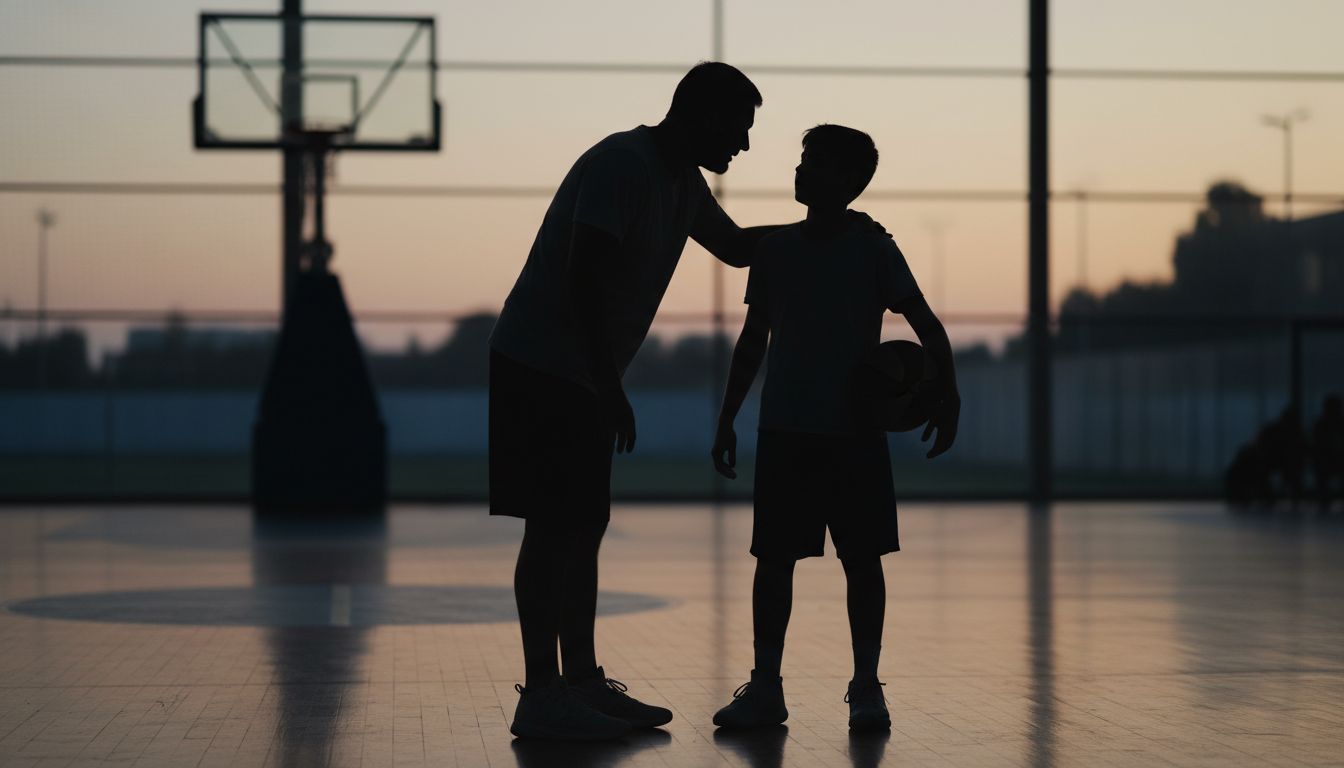
Alabama coach Nate Oats has tried to walk a line that many coaches talk about but fewer manage when a player’s off-court life spills into public view. Speaking before the Hofstra game, Oats emphasized relationship and responsibility over distance and denial, even as Holloway remained suspended. "Now is not the time to ignore a kid that you’ve built a real relationship with," Oats said, adding that he’d been in daily contact with Holloway since the arrest. He compared his approach to how he parents his three daughters: you don’t disappear when they mess up; you get closer, even if consequences still have to be faced. You can hear, in that answer, a coach trying to keep two truths in the same frame—that discipline matters, and that a 19-year-old is still very much a work in progress who deserves something more than exile.
In college sports, we’re often eager to cast quick roles: the troubled star, the hard-nosed prosecutor, the principled coach, the program either too lenient or too harsh. But real life resists that kind of tidy labeling, especially in cases like Holloway’s where legal standards, university policies, and human development collide. The felony charges he faces—first-degree marijuana possession and failure to affix a tax stamp—are serious in Alabama’s legal system, carrying weight that goes far beyond a box score or a bracket line. At the same time, Holloway is not a symbol; he is a person figuring out adulthood under the most intense and public version of a college experience, one in which mistakes are rarely private and often permanent in the court of public opinion. If anything, his case reminds us how thin the line can be between a narrative of promise and a narrative of failure, and how quickly a season can be reduced to a mugshot.
It’s worth pausing here on one of the quieter dynamics at play: how institutions respond when a young athlete’s worst day collides with their highest-profile stage. For Alabama, the decision to suspend Holloway and ban him from campus reflects a familiar institutional instinct toward risk management, public messaging, and legal caution. For Holloway, it means isolation at a moment when his coach publicly insists he needs more support, not less—a dissonance that many athletes, particularly those from marginalized backgrounds, quietly recognize. Universities speak often about holistic development and mental health, yet when the stakes are high and the spotlight is bright, the first move can still look a lot like pushing a student to the margins until the noise dies down. That may make sense from a PR perspective; it’s harder to argue that it aligns with the idea of college as a place to learn from, not be defined by, your worst decisions.
None of this is to excuse whatever choices Holloway did or didn’t make; that’s what the legal process is for, with its evidence, motions, and rulings, however imperfect. But we should at least be honest about what we’re asking of young athletes when their cases engulf the oxygen around a team in March. They are expected to carry the burden of their own actions, navigate a complex legal system, shoulder the weight of their program’s reputation, and still be ready, should the door reopen, to step into an arena and perform as if nothing in their life has shifted off its axis. That’s not a justification; it’s a description of a pressure cooker that would challenge even the most seasoned adult, let alone someone who was at a high school prom not so long ago. In that sense, Holloway’s story is less an outlier and more a reminder of how unforgiving the ecosystem around big-time college basketball can be.
As the legal calendar inches toward April and Alabama’s tournament path unfolds in real time, the questions around Holloway extend beyond "Will he play?" to "What happens to him if he doesn’t?" Will the university’s support extend past the media cycle, into tutoring sessions, counseling, and real pathways back into the classroom if that’s where this leads? Will the public be willing to hold space for both accountability and the possibility of growth, or will this moment calcify into a permanent label attached to his name on every future broadcast? The answers won’t fit neatly in a game story or a news alert, but they matter at least as much as any final score that flashes across the bottom of a March Madness broadcast. Because beneath the legal filings and the bracket graphics is a simple, stubborn truth: college athletes are still young people, complicated and fallible, whose lives continue long after the nets come down and the cameras turn away.