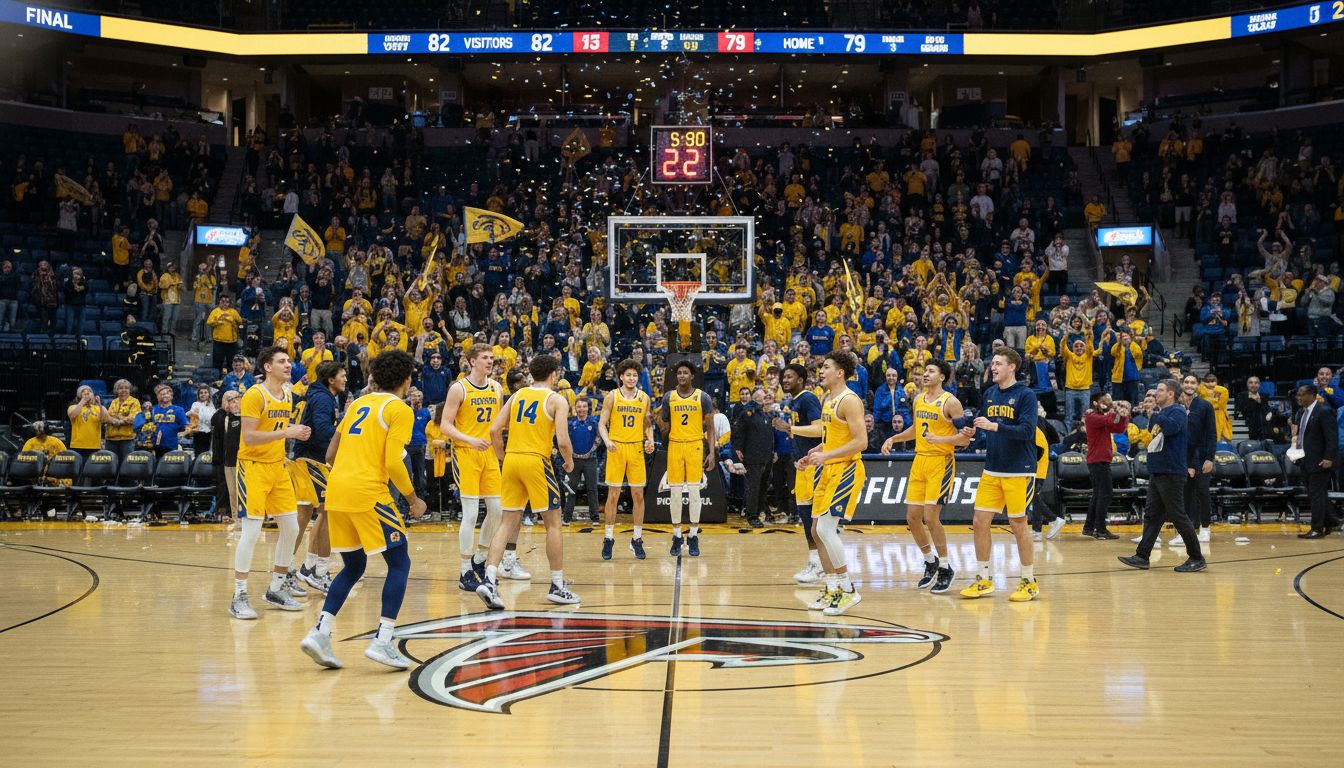
If you just glanced at the box score from Michigan’s 87–75 win over Northwestern, you probably shrugged and moved on. Another top team wins by double digits, nothing to see here, right? But if you actually watched that thing — or checked the score midway through the second half — you know Michigan didn’t just stroll through Welsh-Ryan Arena. They were down 58–42 with a little over 14 minutes left and looked, to put it politely, like a team that forgot the game started before the final TV timeout. What happened next is the kind of run you usually only see in March, when somebody’s season is hanging by a thread and a whole lot of pride kicks in.
From that 16-point hole, Michigan outscored Northwestern 45–17, flipped the building, and walked out with a 12-point win that looks routine on paper and anything but routine in real life. You could hear it in Dusty May’s voice afterward when he joked that, once the Wolverines made their push, the crowd noise sounded like Ann Arbor south. “When we took our lead, they just erupted,” he said, then told his players, “This is a home game.” That’s not just coach-speak; that’s a nod to how many fans made the trip, took the day off, grabbed the kids, and turned a road arena into friendly territory. For all the talk about analytics and rankings, sometimes the story is a couple thousand folks in school colors drowning out the home crowd.
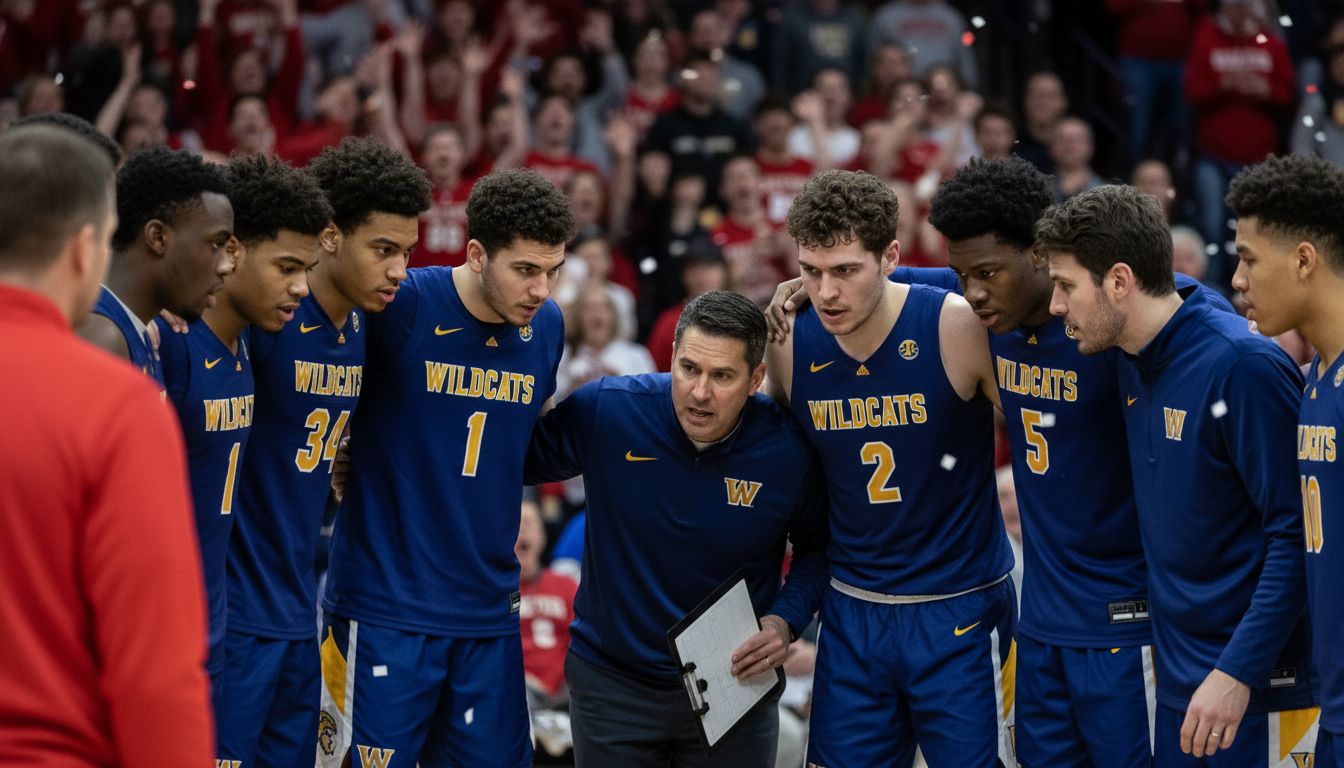
The win keeps Michigan perched at No. 1 in pretty much every system that has electricity running through it — the AP Top 25, the NET, KenPom, Bart Torvik, you name it. At 23–1, they’ve earned that seat at the head of the table, even if this latest outing came with a reminder that college kids don’t play like robots just because a spreadsheet says they’re supposed to win by 15.5. There’s always a flat stretch, a cold shooting spell, a bad matchup, or just a night where the legs aren’t there after midterms or travel. What separates the real contenders is whether they have the toughness to dig out of it instead of sulking or staring at the scoreboard. Michigan answered that question pretty loud in Evanston, and now they turn the page to something even louder: UCLA.
UCLA shows up on the schedule with a 17–7 record and a NET ranking just outside the top 35, which doesn’t exactly scream juggernaut. If you only check the standings once a week, you might even think the Bruins are just another decent team cruising for an early March exit. Look a little closer, though, and you see a group that’s been climbing for two months instead of coasting. Back in early December, UCLA was sitting as low as 78th in the NET — that’s the kind of number that gets you featured on “what went wrong” segments, not bracket projections. Since then they’ve gone 5–1 in their last six, picked up a Q1 win over Purdue, and fought their way into that dangerous middle ground: not elite on paper, but playing like a team nobody really wants to see right now.
And as if that wasn’t enough, the Bruins now walk into what might be the nastiest three-game stretch anyone in the country has to deal with. Michigan is first up, and that alone is a handful, but the schedule-makers didn’t exactly sprinkle in any breathers around it. For college players, these runs feel a little like pulling a double shift: you lace them up, clock in, and every opponent for a week and a half is bigger, faster, and more motivated than the last. That’s the part of the season where the highlight reels matter less than who’s willing to take a charge, dive on the floor, and keep showing up even when the legs are shot. You won’t see that in the NET rankings, but every player’s knees and lungs can tell you the truth.
All of this is why I never get too hung up on the pretty numbers next to school names on the TV graphic. Rankings are a starting point, not a verdict. They tell you who’s been good over four months, not who wants it more on a random Saturday when the students are still shaking off Friday night. Michigan being No. 1 is fair — when every major metric agrees, it’s not exactly a conspiracy — but that doesn’t mean they’re immune to getting punched in the mouth. Northwestern did that for 26 minutes, and UCLA has enough momentum and muscle to try it again.
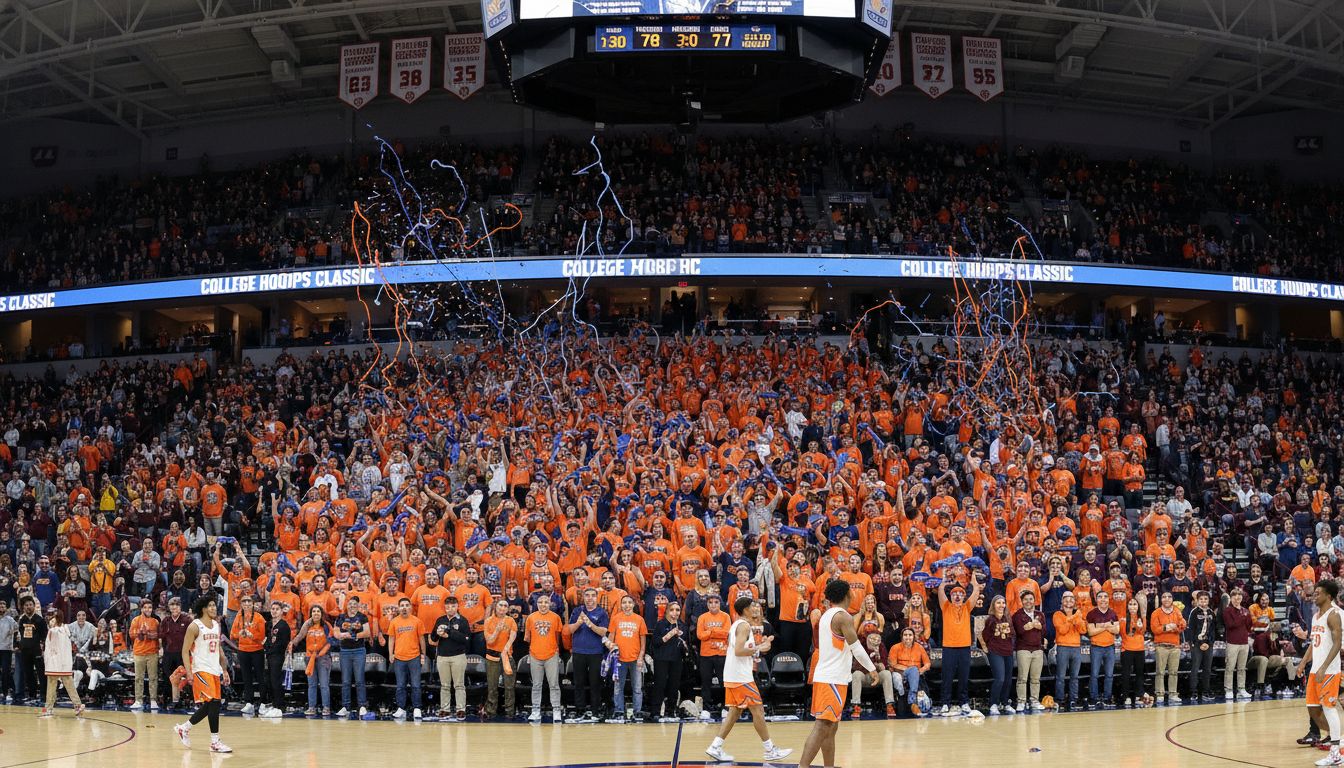
If you’ve been around sports long enough, you recognize this stretch for what it is: the grind before the glory. This is where teams like Michigan decide whether they’re truly built for March or just renting space near the top of the polls. It’s where teams like UCLA either cash in on that midseason surge or find out that climbing from 78th to 39th was the easy part compared with staying there. Fans love the Cinderella stories in the tournament, but nights like Michigan–Northwestern are where the habit of surviving gets built. You can’t fake a 45–17 closing kick; that comes from hours in the gym, coaches holding guys accountable, and a locker room that doesn’t splinter when it’s down double digits on the road.
So as Michigan heads into this matchup still sitting on top of every ranking, and UCLA braces for a brutal run of games, it’s worth remembering that the margin between “No. 1 seed” and “upset alert” is thinner than it looks on your phone screen. One cold stretch, one whistle, one loose ball going the wrong way — that’s all it takes. The Wolverines have shown they can turn a sleepy night into a statement win, and the Bruins have shown they won’t stay buried just because December was rough. That’s the beauty of this time of year in college hoops: the numbers point one way, the heart of the game sometimes points another, and we all get to see which one wins when the ball goes up.
In the end, Michigan’s comeback wasn’t just about protecting a ranking, and UCLA’s rise isn’t just about climbing an algorithm. It’s about resilience, and about fan bases willing to travel, yell themselves hoarse, and turn road arenas into something that feels a little like home. That’s the blue-collar side of college basketball that doesn’t make the headlines but sure as heck shapes the season. Michigan gets the spotlight now, UCLA gets the challenge, and the rest of us get a front-row seat to a stretch of basketball that should come with a warning label for heart rates. Grab your coffee, clear a couple of evenings, and enjoy it — because this is the part of the year when the sport starts to feel a lot less like math and a lot more like a fight.