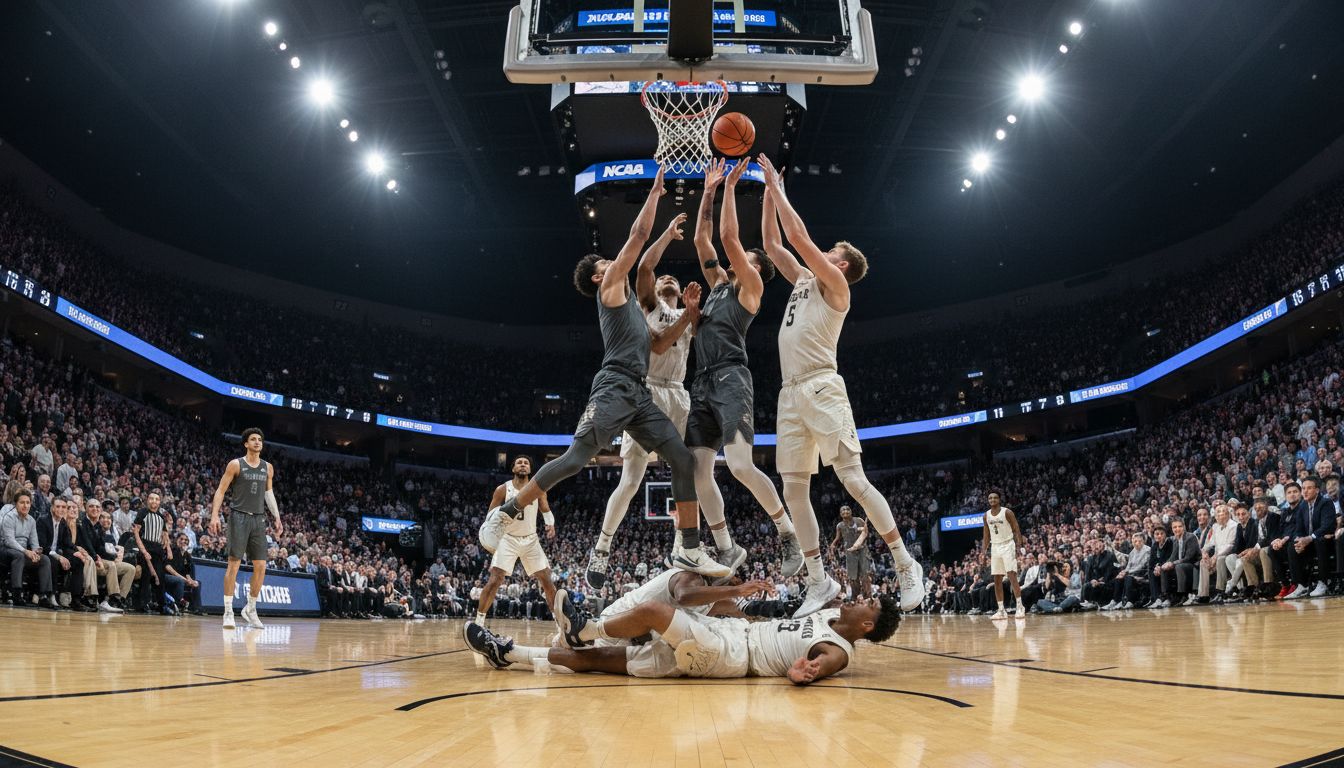
If you’re a college hoops junkie, Saturday’s second round felt like a full tasting menu of what March does best: blueblood flexes, double‑digit upsets, and a couple of Cinderellas gently reminded that midnight always shows up on schedule. Watching it from Hartford – where we’ve gotten used to our own program playing into late March lately – you could see which teams looked like they’re building something sustainable and which ones are just renting space in the spotlight. From Illinois’ methodical dismantling of VCU to Texas’ latest turn as the double‑digit spoiler, this slate wasn’t just about who advanced to the Sweet 16; it was about which identities held up when the pressure popped. Championship culture is a buzzword in a lot of media guides, but on days like this, you can actually see it: in how teams respond to a punch, how they value possessions, and whether the stars elevate or evaporate. So let’s walk through the games, not just as box scores, but as snapshots of where these programs really are right now.
Illinois opened the day by ending VCU’s run with a 76-55 win that was a lot closer for about 17 minutes than the final score suggests. Down two with just over three minutes left in the first half, the Illini ripped off a 23‑point margin over the final 23 minutes, the kind of slow suffocation you see from teams that trust their structure more than the moment. Andrej Stojakovic’s 21 points led the way, but it was Tomislav Ivisic’s thunderous second‑half dunk – the sort of play that lives forever in the poor rim’s nightmares – that basically slammed the door on any Rams magic. VCU had been flirting with a classic Cinderella arc, but Illinois treated them like a mid‑January league game: stay connected, win the glass, and wait for the legs on the underdog to go. There’s a lesson there about tournament experience and physicality: when you can transition from shaky to ruthless in one media timeout, that’s not luck, that’s program wiring.
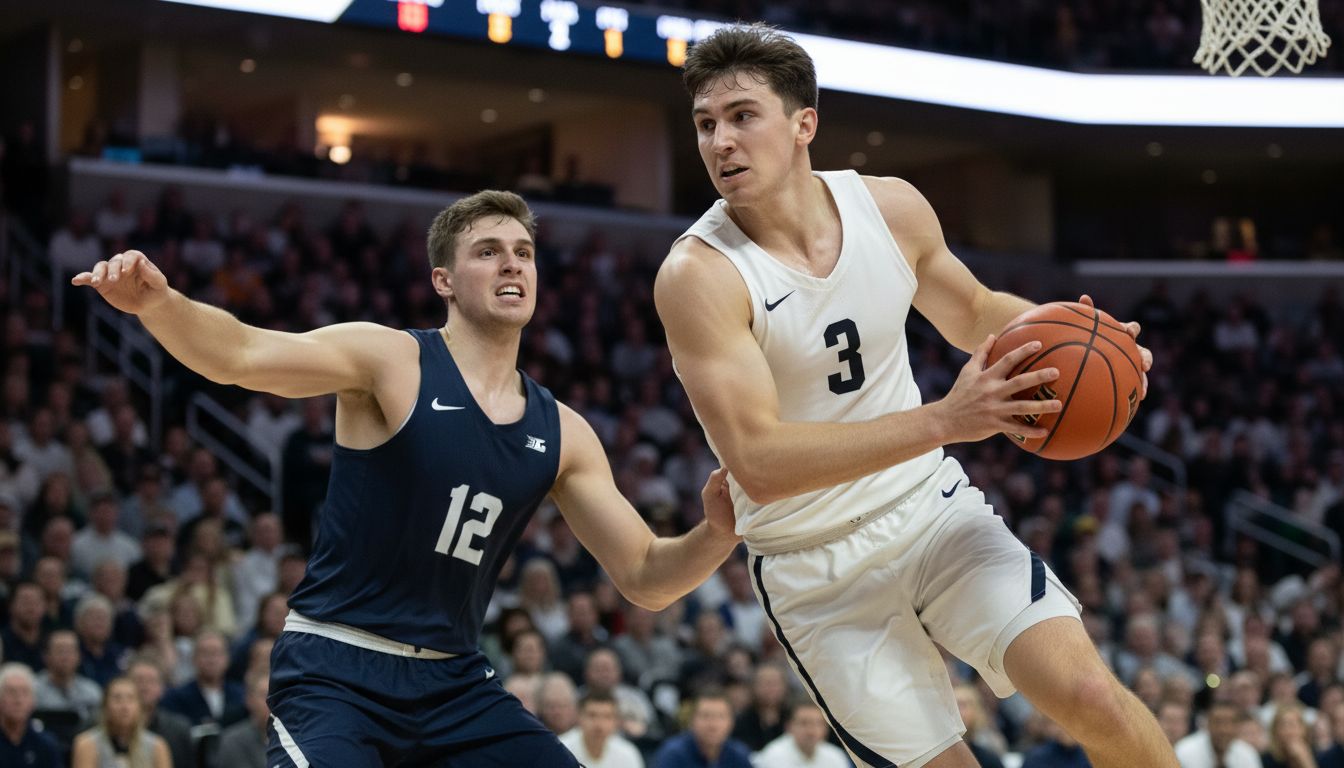
Texas and Gonzaga gave us the inevitability‑versus‑upstart tension in reverse, with the 11‑seed Longhorns flipping the script on one of March’s most familiar brands, 74-68. Jordan Pope’s calm, top‑of‑the‑key three with 2:31 left was the kind of shot that usually comes from the Zags’ side in this tournament, not the team trying to knock them off. Texas then went ice cold for two minutes – which, in March, is usually when runs die – but Camden Heide’s three and Matas Vokietaitis’ transition layup sealed it anyway, both finishing with 17 points alongside Pope. For Gonzaga, Graham Ike’s 25 felt like a one‑man resistance; the problem was that Texas kept stacking just enough winning plays while the Zags ran out of complementary answers. Since seeding began in 1979, no one has more NCAA wins as a double‑digit seed than Texas, and that’s not some quirky stat – it points to a program that, for all its inconsistency, is weirdly comfortable living on the edge in March.
If Texas has made a home as the chaos agent, Houston looks intent on being the neighborhood’s code enforcer, and Texas A&M got the notice in an 88-57 blowout. Two years after their wild 195‑point classic in the same round, the Cougars turned this one into a clinic, dropping a 19-4 run right after A&M had trimmed the lead to one late in the first half. Freshman Chris Cenac Jr. put up 17 points and nine boards, Kingston Flemings played the grown‑up at point with nine points, five rebounds, four assists and just one turnover, and Emanuel Sharp set the tone with 18 and a whole lot of defensive nastiness. Houston hammered the glass 46-29 and held the Aggies to 35% shooting with 11 turnovers, which, translated from coaching‑speak, means: every A&M possession felt like it had to survive a gauntlet just to get a decent look. Kelvin Sampson keeps downplaying his team’s inexperience, but when your freshmen are this poised in March, that’s not just recruiting – that’s culture development showing up on the national stage.
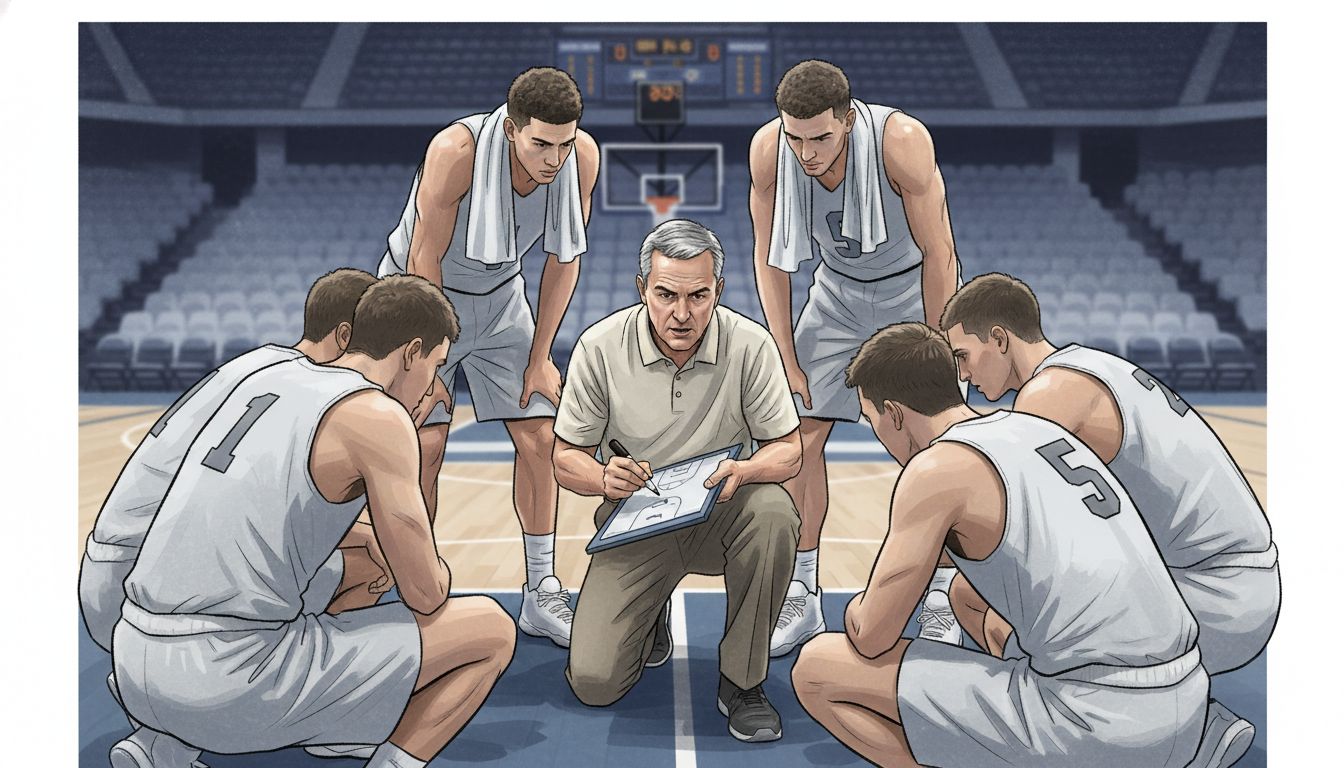
Duke’s 81-58 win over TCU was really a story told in two Camerons: the quiet, foul‑bumped version in the first half, and the full‑blown superstar in the second. Boozer went to the locker room with two points on a single shot attempt, but once TCU’s frontline racked up foul trouble, he turned the game into a personal workshop, scoring 17 on 7‑for‑9 after the break and running a plus‑20 in 19 second‑half minutes. From the moment Duke fell behind by two with a little over 16 minutes left, the Blue Devils cranked up their defense and outscored the Horned Frogs 43-18, which is as close as you get in March to hitting a mercy rule without actually having one. Duke came into the tournament with the nation’s top defense by KenPom, and when they pair that with running offense through Boozer, you can see why people start throwing around "title favorite" with a straight face. Whether it’s Kansas’ Flory Bidunga or St. John’s Zuby Ejiofor waiting next, the real question isn’t whether someone can guard Boozer for a possession – it’s whether anyone can live with 40 minutes of Duke’s defensive pressure and still have legs left to contest him.
Michigan State’s 77-69 win over Louisville was less about one star exploding and more about Tom Izzo doing what Tom Izzo does every March: turning other people’s stars into role players in their own stories. Jeremy Fears Jr. dished 16 assists – giving him 27 over two tourney games, the most by a Big Ten player in 50 years and enough to nudge a guy named Magic Johnson down the record books – while Coen Carr went for 21 and 10 in his first career double‑double. Pair that with Carson Cooper’s 20‑10 in the first round and you’ve got the Spartans’ first pair of 20‑point double‑double teammates in the tournament since, again, 1979’s Magic‑and‑Kelser run. On the other side, Louisville finally felt the absence of guard Mikel Brown Jr., as the offense, which had been humming near 80 a night, bogged down to 69 on 41.3% shooting and only six free throw attempts. Izzo will spend the next few days exactly how you imagine a veteran Midwestern coach spending them – buried in film, hunting for the next high‑usage scorer to turn into a bystander – and that’s why he’s been to eight Final Fours.
Michigan’s 95-72 win over Saint Louis was loud, physical, and a reminder that when the Wolverines lean into their size, they look like a team built to play into April. Yaxel Lendeborg dropped 25 points without a turnover, becoming the first Michigan player to hit that combo in an NCAA game since Glen Rice in 1989, while the Wolverines shot 55.7% and blocked nine shots, their most in a tournament game since blocks started being tracked. They mauled the glass 42-27 and forced Saint Louis into living behind the arc; the Billikens went 10-for-32 from three, with center Robbie Avila hoisting 10 of those himself and still finding time to dish five assists and soak in "Robbie" chants on his way out. Michigan has now put up 90‑plus in back‑to‑back tournament games, the first Big Ten team to do that since – you guessed it – that 1989 title squad, and the path to an Elite Eight likely runs through another stylistic clash with Alabama or Texas Tech. Between Aday Mara’s rim protection and Lendeborg’s ability to take over games, the Wolverines’ biggest question is on the perimeter: can Roddy Gayle Jr. and Nimari Burnett cool off All‑Americans Christian Anderson or Labaron Philon Jr. enough to let the frontcourt tilt the game?
Threading all these games together, what stands out isn’t just who advanced but how: Illinois and Michigan grounding opponents with physicality, Houston and Duke weaponizing elite defense, Texas thriving as the bracket’s resident troublemaker, and Michigan State leaning on a Hall of Famer who still treats game tape like scripture. In an era when realignment has scrambled conference maps, these March moments are where program identities still cut through the noise: you know a Sampson team when you see one, just like you can spot an Izzo game plan or a Duke defense that’s smelling blood. From a Northeast progressive’s couch up here in Big East country, it’s hard not to see these as case studies in investment too – the way resources, continuity and development shape which kids get to be heroes on the sport’s biggest amateur stage. I always think about the NCAA‑to‑NBA pipeline on days like this: Fears’ vision, Boozer’s poise, Cenac’s motor – these are the tools that translate, but they’re sharpened by systems that ask more than just "go get us a bucket." We’ll see some of these names on draft boards soon enough, but for now, they’re just college kids writing chapters in March lore – and that, even for those of us spoiled by recent runs in Storrs, is still the best part of this tournament.
Of course, one day of hoops doesn’t settle anything; it merely sketches the contours of who might still be playing when the nets come down. Maybe Texas keeps its double‑digit magic going, maybe Houston’s freshmen finally look like freshmen, maybe some future lottery pick has their worst shooting night in front of 18,000 people and a nation of armchair referees. That uncertainty is the point – but underneath it, you can see which programs are built on something sturdier than momentum and which ones are praying the shooting chart doesn’t cool off. As we head into the Sweet 16, watch for the same themes from Saturday: which guards can manage end‑game possessions, which bigs can control the paint without hacking, and which coaches can game‑plan a star right out of their comfort zone. And if, somewhere along the way, a certain school from Connecticut keeps pushing for another banner, just know there’s a guy in Hartford nodding along, appreciating that championship culture when he sees it – even on someone else’s jersey.