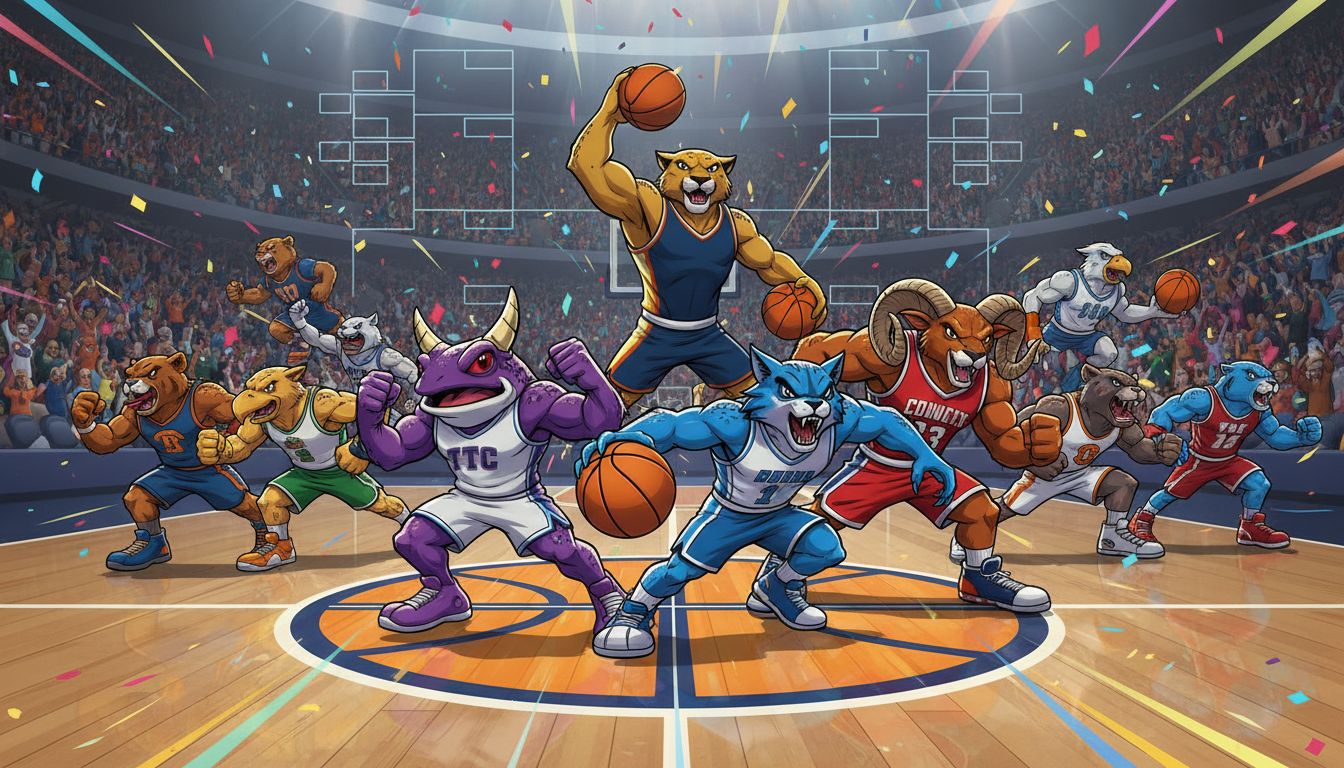
Every March, brackets turn reasonable adults into amateur scouts, late-night bracketologists and, let’s be honest, people who will absolutely pick a national champion based on which mascot looks tougher on a T-shirt. I’ve been in enough locker rooms to know the truth: once the ball goes up, nobody in uniform is thinking about the school fight song or whether their campus color is called "Carolina blue" or "Horned Frog purple." But for fans trying to sort through 68 teams in a hurry, that off-court identity — the mascots, school colors and famous alumni — becomes a kind of shorthand for how a program feels. Look down this year’s field and you’ll see four very different storylines woven together: tradition-heavy blue bloods, fast-rising Big 12 powers, overlooked mid-majors and a wave of schools whose alumni list reminds you just how big the college sports platform really is. So let’s walk the bracket from a player’s perspective and use those surface details as an excuse to talk about culture, perception and what really matters once you step between the lines.
Start in the East, where my alma mater, the Duke Blue Devils, sit on the 1 line with that familiar Duke blue and white and an alumni roll that runs from NBA point guards to the commissioner’s office. To the outside world, Duke’s brand is almost a caricature at this point — smart kids, Cameron Crazies, NBA lottery picks and a whole lot of people who either love or hate them. Inside the locker room, that history is a double-edged sword: you feel the expectation every time you see that Blue Devil logo, but you also know you’re walking a path laid down by guys who figured it out before you. Across the East you’ve got programs like UConn and Kansas with championship pedigrees, and others such as Michigan State and UCLA whose mascots — Huskies, Jayhawks, Spartans, Bruins — carry a certain toughness before the game even starts. Then there are the outsiders: a Northern Iowa or a Furman, schools with smaller enrollments and less television love, where the mascots and colors are sometimes the only thing casual fans recognize before tipoff.
Shift to the Midwest and South and you see how school identity can mask very different realities for the athletes themselves. Take Michigan and Alabama: on TV they’re maize-and-blue tradition and crimson-and-white pageantry, but players are living in a world of NIL deals, academic pressures and future-career anxieties that never make the pregame montage. Schools like Texas Tech, Iowa State and Houston are great examples of how the modern Big 12 footprint shows up in March — loud colors, football-school reputations, but legitimately serious basketball operations behind the scenes. Talk to players at places like VCU, McNeese or Prairie View A&M and you hear a different story: fewer resources, less national shine, but a tight-knit feel that can be a mental health safety net when the season gets heavy. From a player-welfare standpoint, the logo on the jersey dictates how the outside world treats you, but inside those walls it’s still about whether the training staff listens, whether there’s someone to talk to after a bad practice, and whether the program is serious about your life after your last game.
The West region might be the best snapshot of where college hoops is headed: you’ve got the Arizona Wildcats repping the new-look Big 12, Purdue and Gonzaga as contrasting models of sustained success, and then a grab bag of schools whose cultural footprint reaches way beyond basketball. Arizona rolls out Wilbur and Wilma in UA red and Arizona blue, but the bigger statement is the program’s move into a deeper, more competitive league where every conference game feels like a national TV slot. BYU’s Cosmo the Cougar has become a viral star in his own right, which tells you something about how mascot culture has merged with social media — that matters when recruits are scrolling and imagining themselves on that stage. TCU’s Superfrog and UCF’s Knightro might look like pure marketing, but those brands are wrapped up in Big 12 expansion, media rights money and a level of exposure that can change a player’s life if he handles it right. For the guys in those jerseys, the shift into the Big 12 isn’t just about tougher road environments; it’s a bigger platform for NIL, a higher level of scouting attention and, if the school does it right, more investment in the support systems that keep athletes grounded.
The alumni lists in this year’s field read like pop culture trivia — from Michael Jordan and Hakeem Olajuwon to Tim Tebow, Oprah Winfrey and Chadwick Boseman — and that’s not just random name-dropping. When you’re 18 and walking into a locker room for the first time, seeing those names on the walls sends a message: this place can be a launchpad, even if your path doesn’t stay between the baselines. For pros and ex-players, it’s a reminder of how thin the line is between “college star” and “looking for your next act.” Programs with strong alumni networks sometimes quietly do their best work after the cheering stops — connecting former athletes with jobs, mentoring opportunities, and, in some cases, support when the identity crisis of retirement hits. Those second-career storylines don’t show up on the bracket, but they should matter to recruits just as much as whether the mascot looks good on a hoodie.
Now, as someone who’s spent time on both the bench and in the film room, I’ll tell you this: mascots and colors might get you in the door, but culture is what keeps you there. In a healthy program — whether it’s a blue blood like Kansas or a rising Big 12 name like Houston, TCU or Texas Tech — the conversations behind closed doors are increasingly about mental health resources, class schedules, and how to help players manage the noise of social media and NIL expectations. The best coaches I’ve been around understand that empowerment isn’t just letting a guy pick his shoes; it’s including leaders in discussions about travel, practice intensity, even how the team engages with fans during March Madness. Players notice when a school treats them like partners rather than replaceable parts, and that subtle difference often shows up in how a team responds when the pressure hits in the final media timeout. That’s the stuff that never makes the selection show but decides who still has legs in the second weekend.
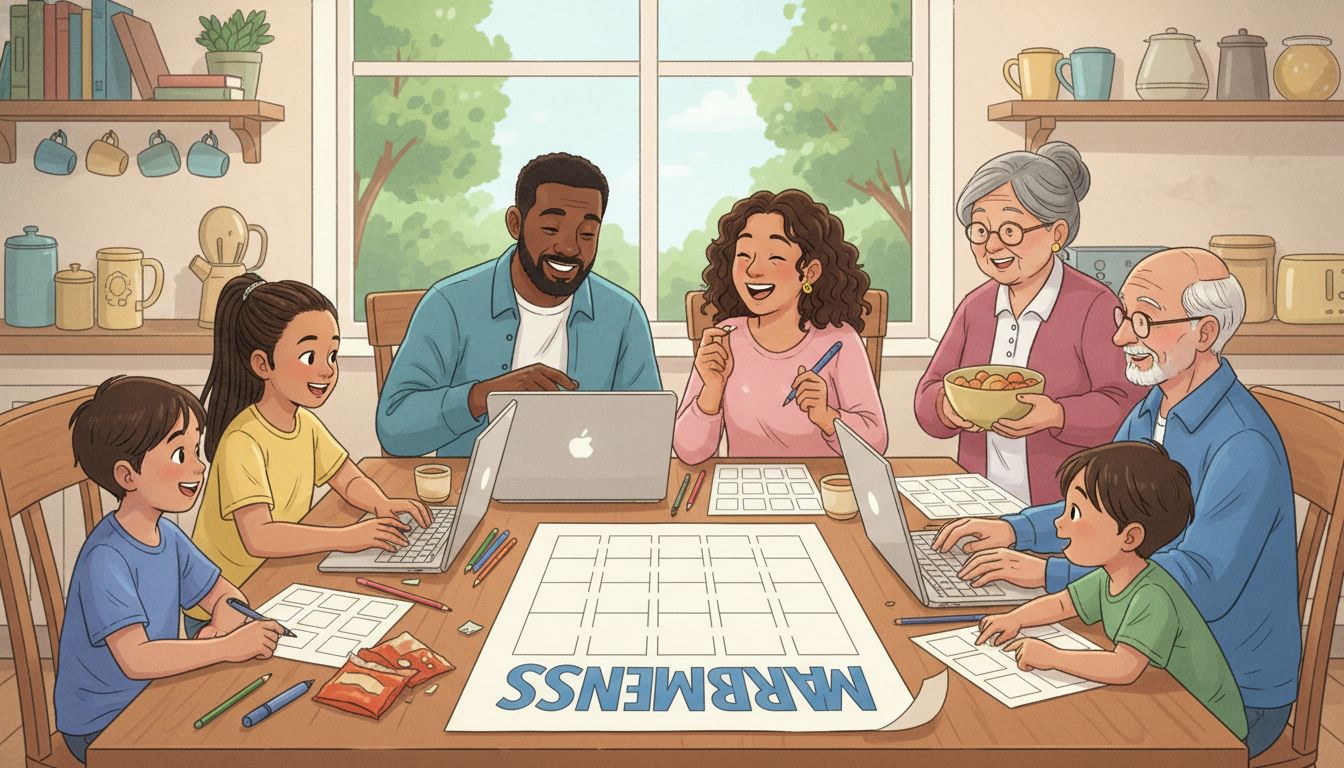
Still, I’m not going to pretend the fun doesn’t matter. If you’re filling out a bracket with your family, picking TCU because "Horned Frogs" makes your kid laugh or rolling with Arizona because you like Wilbur and Wilma isn’t a crime against basketball. Sometimes that emotional hook is the entry point that turns a casual fan into someone who actually learns these players’ stories and respects what they carry. There’s room in this sport for the serious conversations about concussions, exploitation and transition support — and also for the aunt who always picks the school with the sweetest shade of blue and somehow wins the office pool. If the spectacle of mascots and fight songs brings more eyes to the game, then the responsibility falls on the adults in the room to make sure the substance underneath matches the show.
So as you stare down your 2026 bracket and try to remember whether a Jayhawk would beat a Badger in a fair fight, use the mascots, colors and alumni lists as conversation starters, not scouting reports. Take a second to notice how many of these programs — especially the Big 12 schools like Arizona, Houston, Kansas, TCU, Texas Tech and UCF — are operating in a new era where conference realignment, NIL and media money shape almost everything. Behind every logo in the field is a group of 18-to-23-year-olds juggling class, pressure, dreams and doubt, all while the rest of us argue about seeds and upsets. Enjoy the chaos, enjoy the pageantry, but remember that for the players, this month is less about costume contests and more about trying to write a chapter of their lives they can be proud of. If you can keep that in mind while you ride with your favorite mascot, you’ll see the tournament the way the guys in the locker room do — as a once-in-a-lifetime stage where identity and opportunity collide.