
Some folks spend February scrolling bracketology on their phones; I just spent a day walking through how the NCAA actually builds the bracket, and let me tell you, it’s a whole lot messier than the clean little lines on your screen. In Indianapolis, media members ran through a sped‑up version of Selection Sunday, guided by NCAA committee chair Keith Gill, media chief David Worlock and basketball VP Dan Gavitt. We had to seed teams, argue resumes, weigh spreadsheets that would make a CPA sweat and then watch how all that spit out an actual bracket. If you think it’s as simple as “most wins, best league, top seed,” you’re about as wrong as picking against a red‑hot mid‑major in March. From injuries to metrics to home‑court quirks, the exercise pulled back the curtain on what really matters, and what’s just TV talk.
The first big fistfight – and I mean that figuratively, though a few folks were gripping their coffee pretty tight – came over injuries, especially Texas Tech’s loss of All‑American forward JT Toppin. On paper, Tech looked like a 3‑seed, with scalps like Houston, Duke and Arizona hanging in the locker room. But the mock committee dropped the Red Raiders down near the edge of the top 20 because Toppin’s torn ACL changes who they are going forward. That’s the key detail fans sometimes miss: the committee isn’t just rewarding what you were in December; it’s judging what you are in March. Meanwhile, Kansas star Darryn Peterson’s stop‑and‑start season didn’t ding the Jayhawks as much because they’ve gone 10‑3 both with him and without him, and Louisville’s Mikel Brown Jr. and Illinois’ Kylan Boswell sparked similar conversations about how much a single player truly shifts a team’s ceiling.
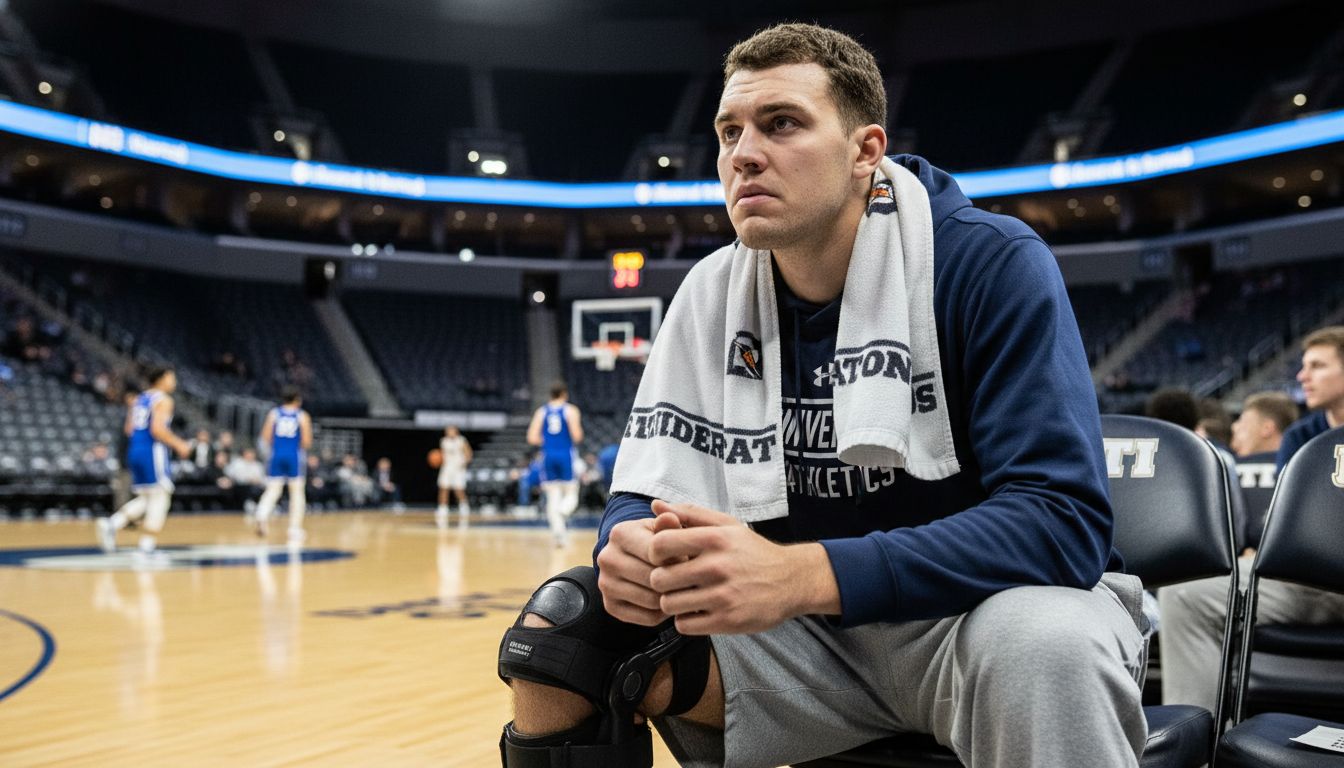
What I took from that room is this: injuries are handled with a pretty simple lens, even if the debates get loud. If you lose a star and fall apart, expect a seed hit; if you keep humming, the committee won’t bend over backward trying to guess hypotheticals. Gonzaga’s Braden Huff came up, as did role guys like BYU’s Richie Saunders and Vanderbilt’s Duke Miles, and the pattern stayed the same – it’s about proven performance, not name recognition. For fans in SEC country, that matters, because we tend to assume losing a big name automatically becomes a sob story the committee buys; in reality, the Tide, Tigers and everyone else are graded on how they actually play once the roster settles. It’s less emotion, more evidence, even if we all have our own bar‑stool arguments about “what if that kid never got hurt.”
The spiciest stretch of the day, though, belonged to Miami (Ohio) and the eternal question: what do you do with a small‑conference team that wins like crazy against a weak schedule? In one scenario, the RedHawks went undefeated in the regular season and then lost the MAC final on a bad call; in another, they finished with just two losses and almost no high‑end wins. Their resume metrics – things like Strength of Record and Wins Above Bubble – looked shiny, but their predictive metrics and strength of schedule dragged them down into the 300s. Some folks in the room argued you should reward four months of excellence, even if it happens in quieter gyms; others pointed out you can’t ignore a schedule that includes multiple non‑Division I opponents and a slew of sub‑300 teams. That tension – steady winning like Miami’s versus a roller‑coaster profile like TCU’s, with big wins and ugly losses – is exactly what makes Selection Sunday feel so inconsistent from the outside.
Underneath those debates sits the alphabet soup that drives the whole process: KPI, SOR, WAB on the resume side, BPI, KenPom and BartTorvik on the predictive side, with the NCAA’s NET trying to sit in the middle like a traffic cop. Gavitt was clear that when it comes to simply getting into the field, resume metrics usually carry the day, especially Wins Above Bubble, which is quickly becoming the new favorite buzzy stat. But once you’re in the conversation for seeding – say, Purdue versus Florida for a 2‑line – the predictive numbers gain more weight, and that’s where fans sometimes feel like the target keeps moving. In the mock room, Purdue’s collection of wins, including at Alabama, nudged the Boilermakers ahead, while Florida’s potential SEC double crown loomed as a real‑world factor that could flip that debate by March. The lesson for coaches is simple enough: stack quality wins, don’t dodge games, and hope the computers like the way you win, not just how often you do.
Then there’s the bar‑room classic: head‑to‑head results, and whether beating a team once should trump months of data. With UConn slipping, the last 1‑seed came down to Houston or Iowa State, and yes, the Cyclones had beaten Houston in Ames and also owned monster wins at Purdue and over Kansas. The problem for Iowa State was that the Cougars were stronger across six of the seven major metrics and owned an extra Quad 1 win, with all their losses coming narrowly to good teams. In the end Houston grabbed that final 1‑line spot, and the takeaway was blunt: head‑to‑head matters, but it’s still just one data point in a giant spreadsheet. Same story for debates like UConn vs. Illinois, Nebraska vs. Michigan State, or Alabama vs. Arkansas – that one night you remember is part of the resume, not the whole story.

The exercise even waded into trickier territory with Alabama center Charles Bediako, who briefly returned to college on a court‑ordered restraining order after signing a two‑way NBA deal and then saw his injunction denied after five games. In those games, he was productive and the Tide went 3‑2, which raised the obvious question: how does the committee treat wins and losses with a player who was later ruled ineligible? Gill’s answer was straightforward – those games count, and the committee will simply fold them into its standard approach for player availability rather than handing out some extra punishment. Gavitt echoed that the committee isn’t in the business of playing judge and jury on legal disputes; it just evaluates the teams in front of it. For fans who see conspiracies in every whistle, that might be unsatisfying, but structurally it keeps the bracket about basketball rather than courtroom drama.
Finally, we got a look at how geography can quietly tilt the board, even when everyone’s following the rules. Because the NCAA tries to place teams as close to home as possible, certain programs can land in familiar gyms without technically having a home‑court advantage. This year, Houston could end up playing a South Regional in its own city because Rice, not the Cougars, is the official host; Villanova might enjoy first‑weekend games in Philadelphia with Saint Joseph’s serving as host; and Saint Louis could be dancing just three miles from campus thanks to the Missouri Valley Conference. None of these situations violate policy, but if you’ve ever wondered why some teams seem to have a built‑in comfort edge while others fly across the country, this is the fine print. It’s another reminder that bracket math isn’t just about seeds – it’s about travel, hosting rules and the committee’s constant juggling act between fairness and practicality.
Walking out of that mock selection room, my biggest takeaway was that the process is both more data‑driven and more human than fans give it credit for. Those seven metrics don’t vote; people do, and they bring their own instincts about injuries, scheduling intentions and what wins should matter most. From an SEC vantage point, the message is clear: keep scheduling aggressively, survive the league grind, and don’t expect one emotional storyline or controversial player case to swing your March fate. Mid‑majors chasing a Miami (Ohio) dream need to think long and hard about upgrading their November slate, while power‑conference teams like Houston and Iowa State know that one or two marquee road wins can be worth as much as a trophy. And for the rest of us? We’ll still yell at the TV on Selection Sunday, but at least now we know a little more about why those names land where they do – even if we still think our team got shortchanged.