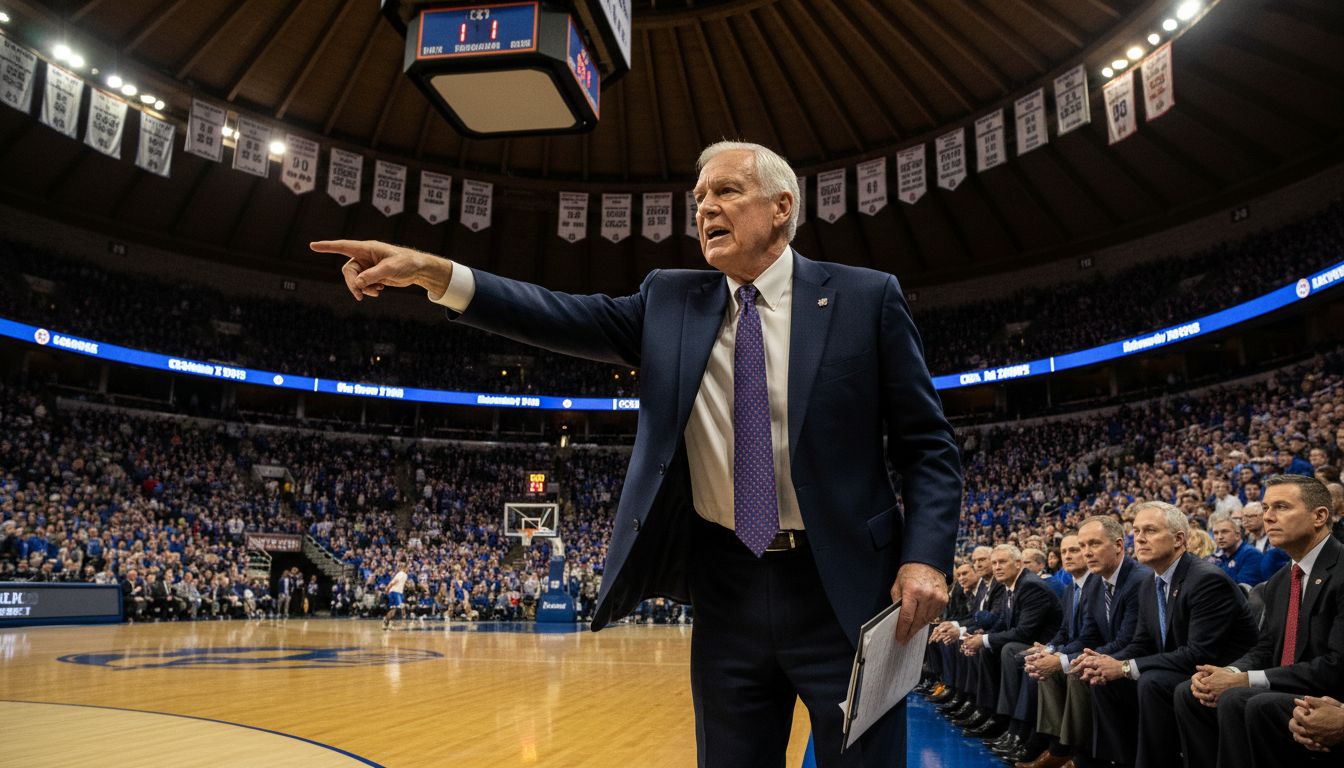
On some campuses, spring is about lilacs and final exams; in Lawrence, it’s about waiting for Bill Self to make up his mind. For months, the possibility of the Hall of Famer walking away from Kansas hovered like midwestern humidity over Allen Fieldhouse. Self is 63 now, with two national titles, 26 Big 12 regular-season and postseason crowns and more wins than Phog Allen and Roy Williams, the patron saints he passed on the KU record books’ ledger. He has nothing left to prove, at least on paper. And yet, on Wednesday evening, he chose what many aging coaches quietly dread: another year in the grind.
Self’s announcement was simple and almost understated. “With renewed clarity and the ongoing support from our administration, I remain focused and committed to Kansas basketball competing for a national championship,” he said, promising to see “the best fans in college basketball” back at Allen Fieldhouse next season. The phrasing matters. “Renewed clarity” hints at a very human calculus: health, joy, legacy and the question every long-tenured coach eventually faces—when does staying stop being the brave choice and start being the comfortable one? In Self’s case, at least for now, he believes the balance still tilts toward staying.
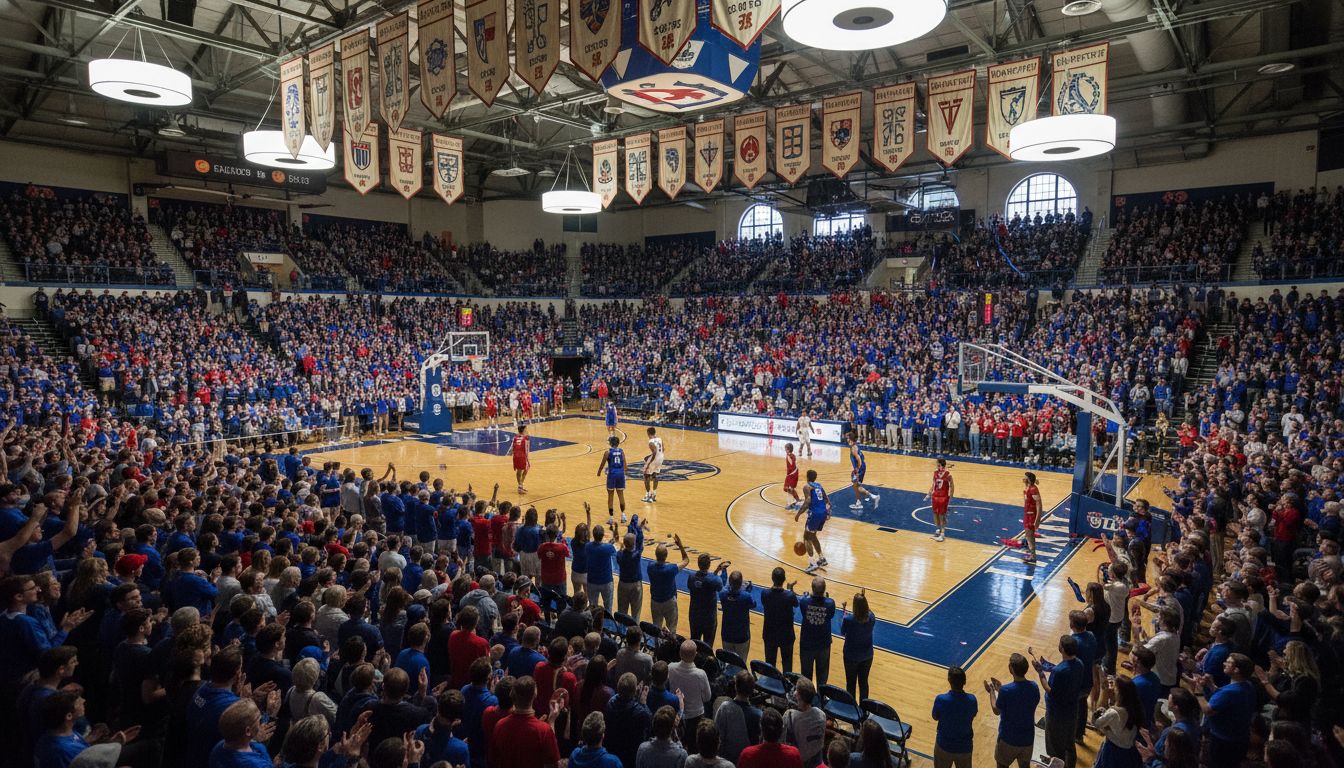
On a March podcast appearance, Self laid out his criteria more plainly than most coaches ever do. As long as he feels healthy, he’ll keep coaching; if his body and energy level betray him, he’ll walk away. He didn’t minimize his recent health scares, acknowledging they’ve been “a pain to get through,” but he was equally firm that they haven’t kept him from doing his job. That kind of vulnerability is still rare in a profession that often rewards stoicism over honesty, even as we talk more openly about athlete mental health than coach wellbeing. Self’s decision, then, isn’t just about his résumé; it’s a case study in how a coach negotiates his own limits in real time, under a very bright spotlight.
Basketball-wise, the choice arrives after an oddly uneven season by Kansas standards. The Jayhawks went 24-11, earned a No. 4 seed in the East Region and bowed out in the second round to St. John’s, their fourth straight year without a Sweet 16. In most places, that’s a good season; in Lawrence, it becomes a referendum. When you’ve never missed the NCAA Tournament at Kansas and sit on 855 career wins—fourth among active coaches behind Rick Pitino, John Calipari and Rick Barnes—the margin for disappointment is razor thin. Self could have framed retirement as a graceful exit after weathering injuries, inconsistency and a brutal Big 12; instead, he is signing up to live in that pressure cooker again.
There are, of course, basketball reasons to keep going, beyond sheer competitive stubbornness. Kansas is still Kansas: a blue-blood with a name-brand arena, a recruiting pitch that practically writes itself and, not insignificantly, an NIL budget reportedly north of $10 million. Self has already coached 31 NBA draft picks, and Darryn Peterson is poised to become the 32nd, with scouts seeing realistic No. 1 pick potential despite injury interruptions last season. The Jayhawks are firmly in the hunt for Tyran Stokes, the No. 1 prospect in the 2026 high school class, and they’ll be heavy players in the transfer portal yet again. If you’re a coach who still loves the work and has the health to do it, walking away from that kind of runway is harder than fans sometimes admit.
Self’s choice also ripples well beyond Lawrence. With Kansas settled for at least another year, the most coveted job left on the market is North Carolina’s, where administrators are quietly sorting through options ranging from Arizona’s Tommy Lloyd to Michigan’s Dusty May to Chicago Bulls coach Billy Donovan. Had both jobs opened simultaneously, the coaching carousel might have become a bidding war of blue-bloods for the same short list of candidates. Instead, Kansas opts for continuity while UNC leans into transition, a reminder that timing is as much a part of coaching careers as game-planning or recruiting. Sometimes your next act is defined as much by another school’s vacancy as by your own restlessness. This spring, Kansas chose familiarity; Carolina must choose the future.

If you strip away the banners, what remains is a familiar human tension: the pull between identity and evolution. For more than two decades, Self’s sense of self has been braided tightly with Kansas basketball. The job is not just what he does; for many fans, it’s who he is. He’s built a culture where winning is expected, but also where players—many of them teenagers far from home—are told their development matters, at least rhetorically, as much as the next trophy. That is the part of coaching we often condense into clichés, but for players navigating injuries, homesickness or the emerging pressures of NIL and social media scrutiny, the consistency of a returning coach can be its own kind of safety net.
From a distance, this looks like a story about legacy, numbers and the inevitable “Mount Rushmore” debates of college hoops. Up close, it’s also about a 63-year-old trying to decide how much longer he wants to live inside the high-wire act of modern college athletics, where your point guard might be your star fundraiser and your best wing is one DM away from another school’s collective. Self’s progressive embrace of that new landscape—working with a robust NIL war chest instead of railing against it—suggests he’s not clinging to a vanished era so much as adapting to a messier, more player-empowered one. For a coach with a secure résumé, that’s a notable choice. It’s easier to romanticize the past than to keep re-negotiating the present.
Will one more year become three, or five? Coaching retirements rarely follow a neat script, no matter how tidy the farewell documentary looks in hindsight. For now, Self has bought himself and Kansas another year of shared purpose—and another year for fans to read meaning into every sideline grimace and every late-game timeout. His future, like most of ours, will probably be decided not by one moment but by an accumulation of mornings when he wakes up and asks himself if the joy still outweighs the strain. Today, at least, the answer in Lawrence is yes, and that’s more than enough to keep the lights on at Allen Fieldhouse a little brighter.