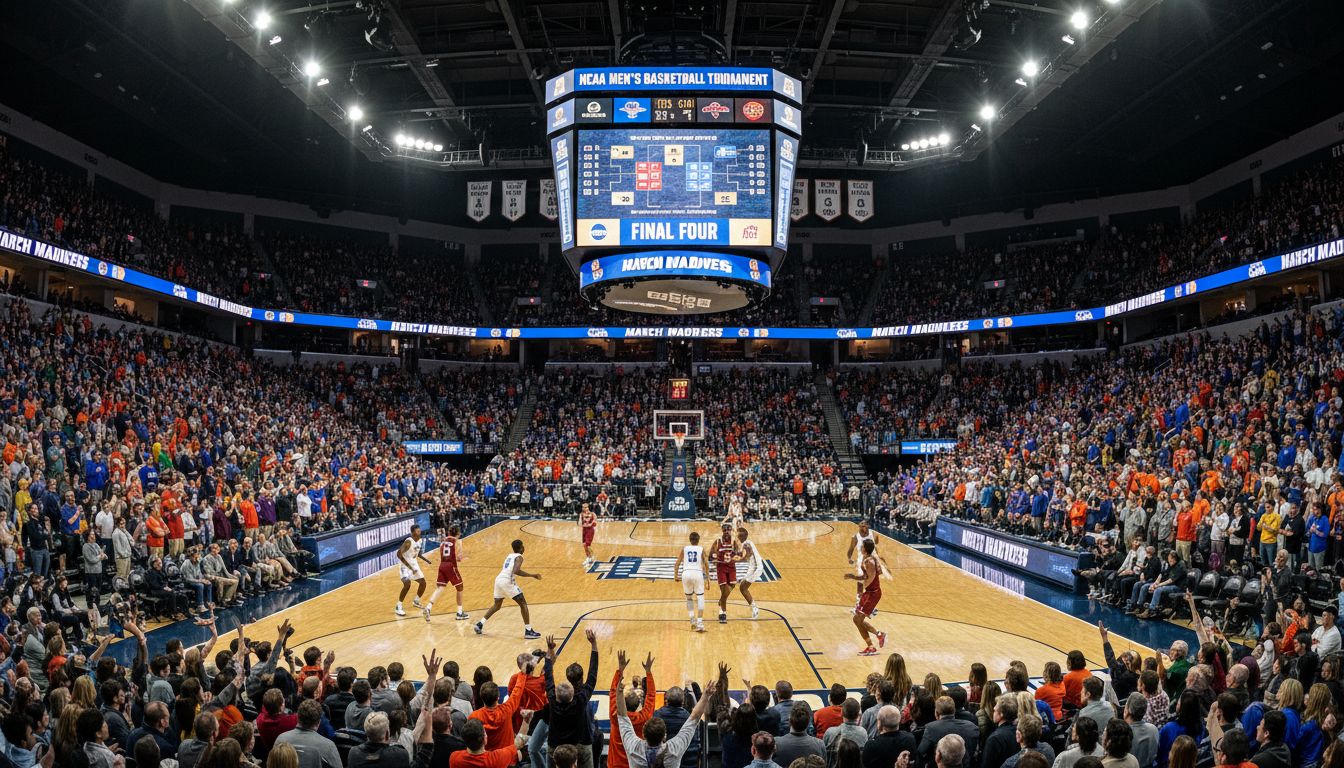
March in college basketball is marketed as chaos, but when you zoom in on a single day of the NCAA Tournament, what you really see is how thin the margin for error is in young people’s lives. Friday’s slate of 16 first-round games is another reminder: careers, legacies and, in some cases, futures away from the court can hinge on a hamstring that finally holds, a pass that finds the right hands, or a mistake that spills from private life into national headline. From Tampa to Philadelphia, San Diego to St. Louis, the bracket is clean for now — all possibility and no regret — yet several storylines already tug the tournament away from the neat, shiny version in the TV promos. The No. 1 seeds and bluebloods take up most of the graphic real estate, but the human stories cutting under the surface are what make a Friday in March feel like its own little epic. Look closely at Kansas with its fragile superstar, Alabama without its second-leading scorer, and Purdue with a point guard chasing a decades-old record, and you see three different versions of pressure in a sport that sells joy but runs on expectation.
Start in Tampa, where Kansas guard Darryn Peterson strides into his first NCAA Tournament with the uneasy label of "potential No. 1 NBA pick" already stapled to his name. On paper, this is exactly what the tournament loves: a future lottery pick on a No. 4 seed, ready-made for slo-mo montages and breathless graphics. In reality, Peterson’s season has been touched by something less cinematic — full-body cramping issues that cost him 11 games, sent him to the hospital for IV fluids and left him wondering whether his body would betray his ambition. He has since played nine straight contests, including a season-high 37 minutes in the Big 12 quarterfinals against TCU, averaging 19.8 points, 4.4 rebounds and 1.7 assists across 22 games. If Kansas is going to navigate Cal Baptist and whatever waits beyond, the path likely runs through Peterson’s legs holding up and his mind staying quiet in the middle of the noise.
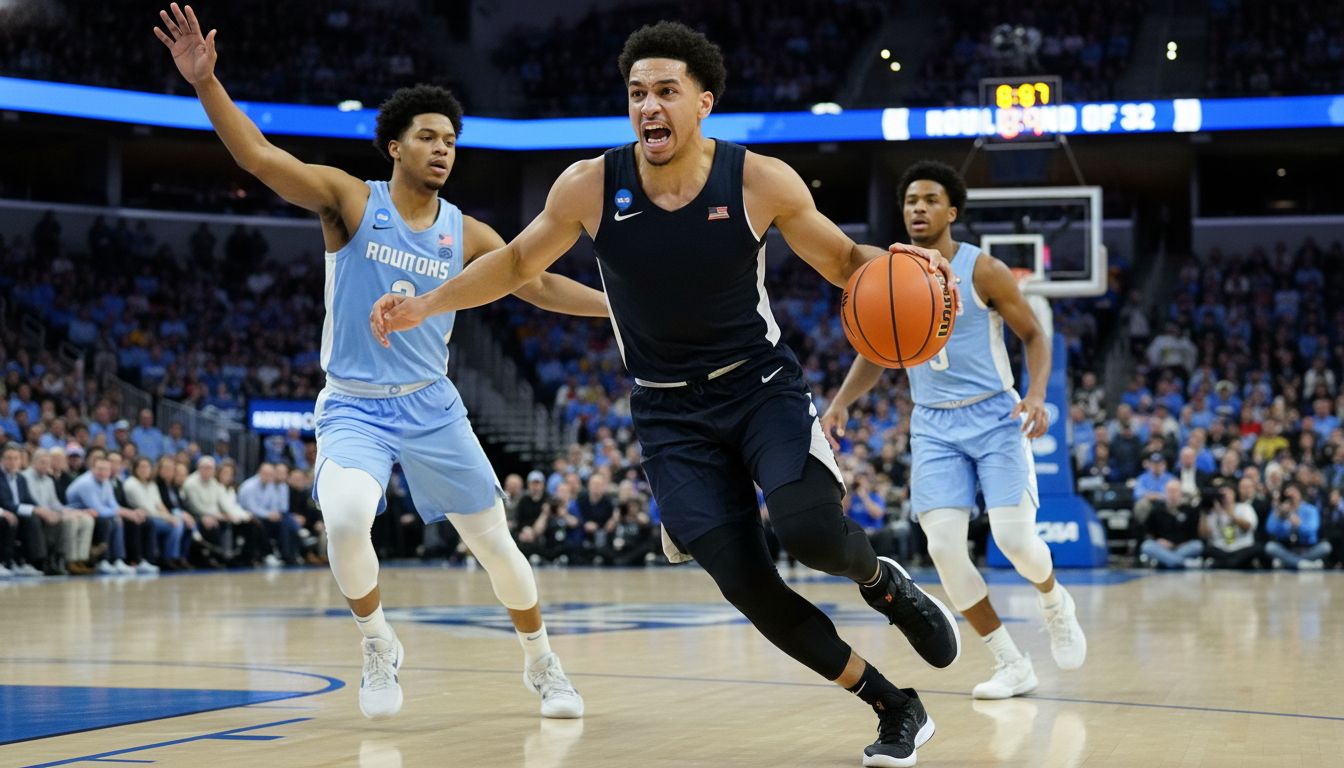
When we talk about prospects like Peterson, it’s easy to flatten them into draft stock and usage rate, as if he were a spreadsheet disguised in a jersey. But those hamstring and cramping issues — the hospital visit, the way he called it a "traumatic experience" — are reminders that even the most gifted athletes live in very human bodies. For a 19- or 20-year-old carrying the expectations of a program and the financial hopes of an extended family, managing health becomes less a subplot and more the central tension of the story. The temptation for fans is to see a return to form and assume everything is fixed, yet anyone who’s dealt with a stubborn muscle knows it doesn’t always care about game plans or seed lines. Peterson’s Friday isn’t just about showcasing why NBA scouts love his scoring; it’s also a quiet test of how he handles vulnerability under the brightest possible lights.
Across the bracket, Alabama arrives in San Diego with a different kind of weight, the kind that doesn’t fit neatly into a pregame graphic. The Crimson Tide are preparing to play No. 13 seed Hofstra without guard Aden Holloway, their second-leading scorer, after his arrest earlier in the week on felony marijuana-related charges in Alabama. His attorney says Holloway has requested various hearings to fight the charges, which include first-degree possession and failure to affix a tax stamp, both treated as serious offenses under state law. For the team, the arithmetic is simple and harsh: subtract a primary scorer and creator, and your upset risk spikes against a hot mid-major that has won 11 of its last 12 games behind dynamic guards Cruz Davis and Preston Edmead. For Holloway himself, the situation is infinitely more complicated, sitting at the intersection of personal choices, strict state statutes on marijuana and the reality that a young man’s name now travels through the tournament more as a headline than as a box-score line.
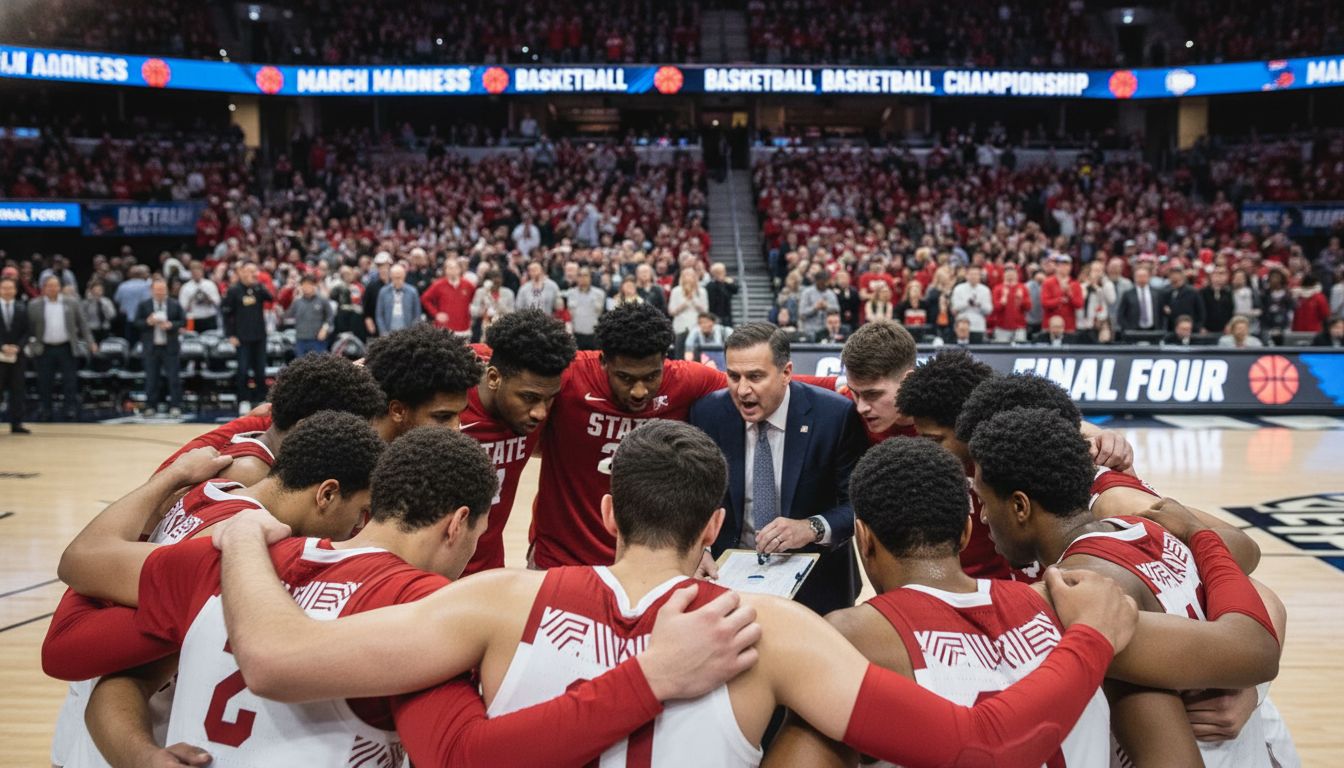
It’s worth pausing here, because college sports often rush past moments like this in a blur of statements and suspensions. Holloway is not playing, Alabama’s ceiling is lower, and those are important competitive facts heading into Friday. But this is also a story about an athlete whose legal challenge could shape not only his season, but his reputation well beyond it, especially in a country where marijuana laws vary wildly from campus to campus and state line to state line. Teammates are left to thread the emotional needle: supporting a friend while turning their focus to Hofstra and leaning even more heavily on star guard Labaron Philon to shoulder the offensive load. Hofstra, meanwhile, won’t apologize for opportunity; March has always rewarded programs that arrive fearless, prepared and just a little bit lucky about when the breaks fall their way.
If the Alabama-Hofstra matchup is an exercise in recalibrated expectations, then Purdue’s date with Queens (NC) offers something closer to a basketball history lesson in real time. Boilermakers guard Braden Smith walks into the tournament needing only two assists to surpass Duke legend Bobby Hurley for the most assists in men’s Division I history, a record that has survived three full decades of stylistic and systemic change. Smith, who has spent four seasons at Purdue, sits at 1,775 assists and has become an outlier by simply staying put in an era when the transfer portal and NIL have turned roster continuity into a luxury. This year he’s averaging 9.0 assists per game, nudging past last season’s 8.7, and he just handed out 11 helpers in the Big Ten title game win over Michigan. Barring something strange, Friday should end with a new name at the top of the assist ledger — and perhaps a reminder that playmaking, the art of making someone else’s moment possible, still has a place in a sport obsessed with scoring.
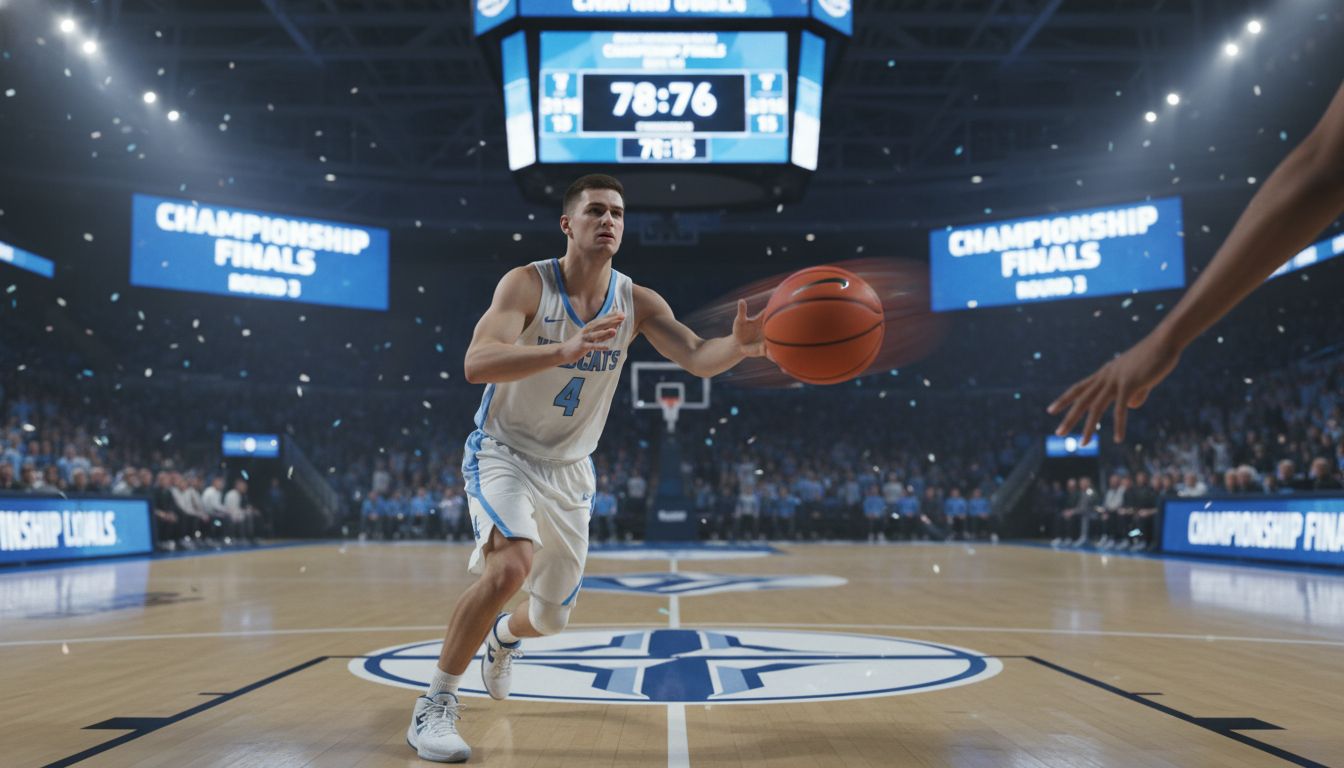
Smith’s pursuit of Hurley’s mark is the kind of record chase that sneaks up on you, maybe because assists themselves are a little sneaky. They show up in box scores, sure, but you have to watch closely to feel them: the early push in transition that creates a layup, the patient probe that forces a second defender to commit, the split-second trust that a teammate will be exactly where he’s supposed to be. In that way, Smith represents a quiet counter-narrative to the idea that staying at one school, building over four years, is an outdated model. He has grown up in public, mistakes and all, and now sits on the verge of rewriting a line of the record book that once felt untouchable in the high-possession 1990s. On a day filled with upsets and buzzer-beaters, a simple chest pass to a shooter in the corner might end up being one of the most enduring plays.
While individual storylines headline the day, the bracket itself is humming with possibility. Top-seeded Florida opens its title defense against Prairie View A&M, a No. 16 seed happy to test the yearly myth that these games are mere formalities. Kentucky, a No. 7 seed, steps into the role of favorite against No. 10 Santa Clara, but anyone who has watched March for more than an afternoon knows that double digits next to a name can be more invitation than warning. Iowa State, sitting as a No. 2 seed, looms as a potential second-round opponent for whichever team survives that early matchup, while Alabama’s quadrant threatens to reshuffle depending on how the Hofstra game unfolds. In another late tip, Cal Baptist gets its chance to trade anonymity for national recognition if it can slow Peterson and force Kansas out of rhythm.
All of this plays out in neutral arenas that are anything but neutral to the people living these games. Benchmark International Arena in Tampa, Xfinity Mobile Arena in Philadelphia, Viejas Arena in San Diego and Enterprise Center in St. Louis will be filled with families who sacrificed weekends and paychecks, students who drove overnight and the occasional neutral fan who just likes the smell of possibility in March. For players, these buildings can become the sites of their favorite memories or the settings they try not to think about for a long time. A made shot in one corner might become the story a former walk-on tells their kids; a turnover near midcourt might haunt a starting point guard every time tournament highlights roll for years. That emotional residue is part of why the first round crackles — everyone on the floor is aware, on some level, that this could be the last time this group of people ever shares a locker room.
Looked at from a distance, Friday is simply another busy day on the NCAA calendar, a block of programming for networks and a fresh grid for bracket pools. Up close, it is a mosaic of incomplete stories: a gifted scorer wondering if his body will cooperate, a team learning how to play through the absence of a friend in legal trouble, a senior point guard attempting to pass a ghost from college basketball’s past. We’ll spend the night arguing about upsets and seed lines, but the people at the center of these games are carrying far more than numbers. That’s not meant to make the madness any less fun; if anything, knowing what’s at stake adds depth to the joy when things do go right. And somewhere, between the roar of a crowd in San Diego and the quiet of a training room in Tampa, another young athlete will step into the kind of moment that can change a life — not just a bracket.