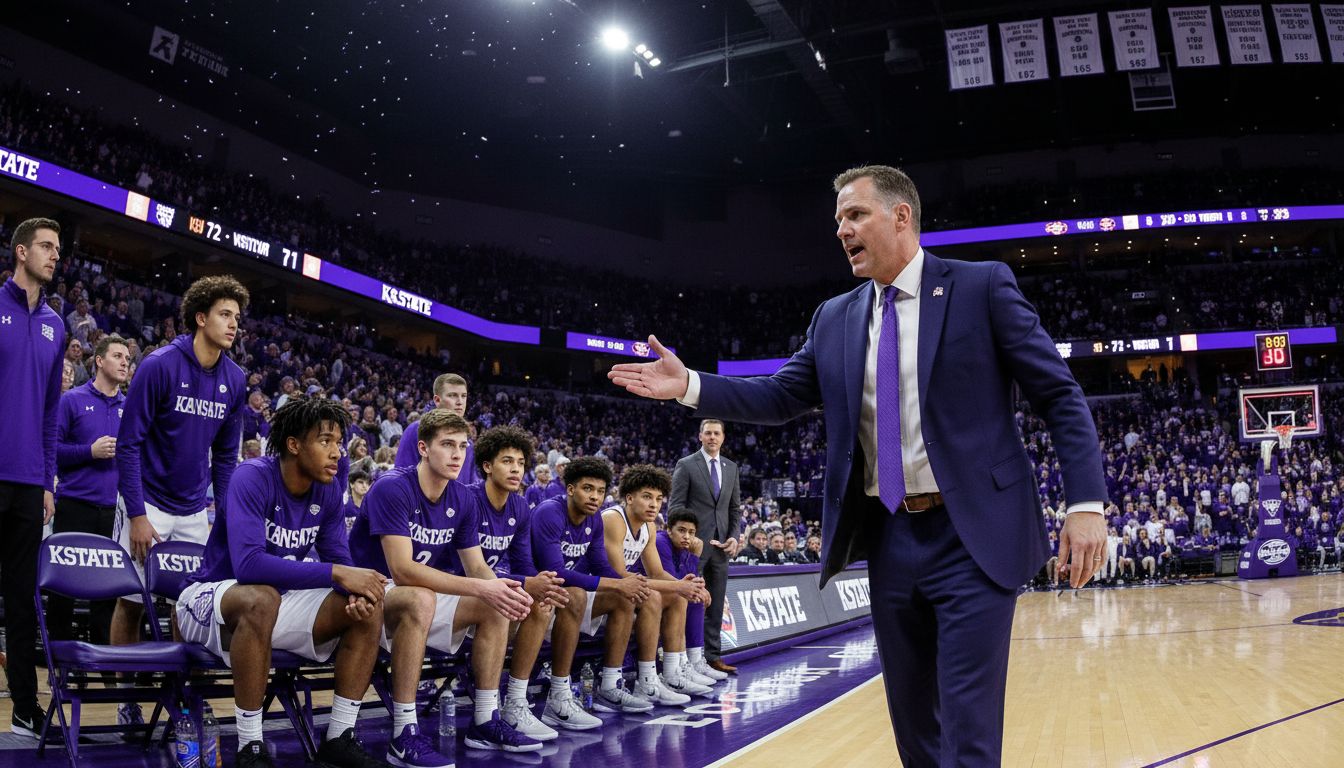
Every so often, a coaching tenure doesn’t just end; it unravels in public view, thread by thread. That is what we’ve just witnessed at Kansas State with Jerome Tang, who was dismissed in his fourth season only days after a postgame tirade went viral and less than two years after he was the toast of March. The Wildcats sit at 10-15, 1-11 in a rugged Big 12, and the decision by athletic director Gene Taylor to fire Tang "for cause" has pushed what might have been a quiet, standard separation into a looming legal and reputational battle. In an era when the transfer portal, NIL money, and social media have turned college basketball into a 12-month circus, Kansas State has managed to become the main act for all the wrong reasons. From where I sit in Durham, having watched a Hall of Fame transition handled with the subtlety of a well-executed backdoor cut, this particular divorce looks more like an overcooked isolation set at the end of the shot clock.
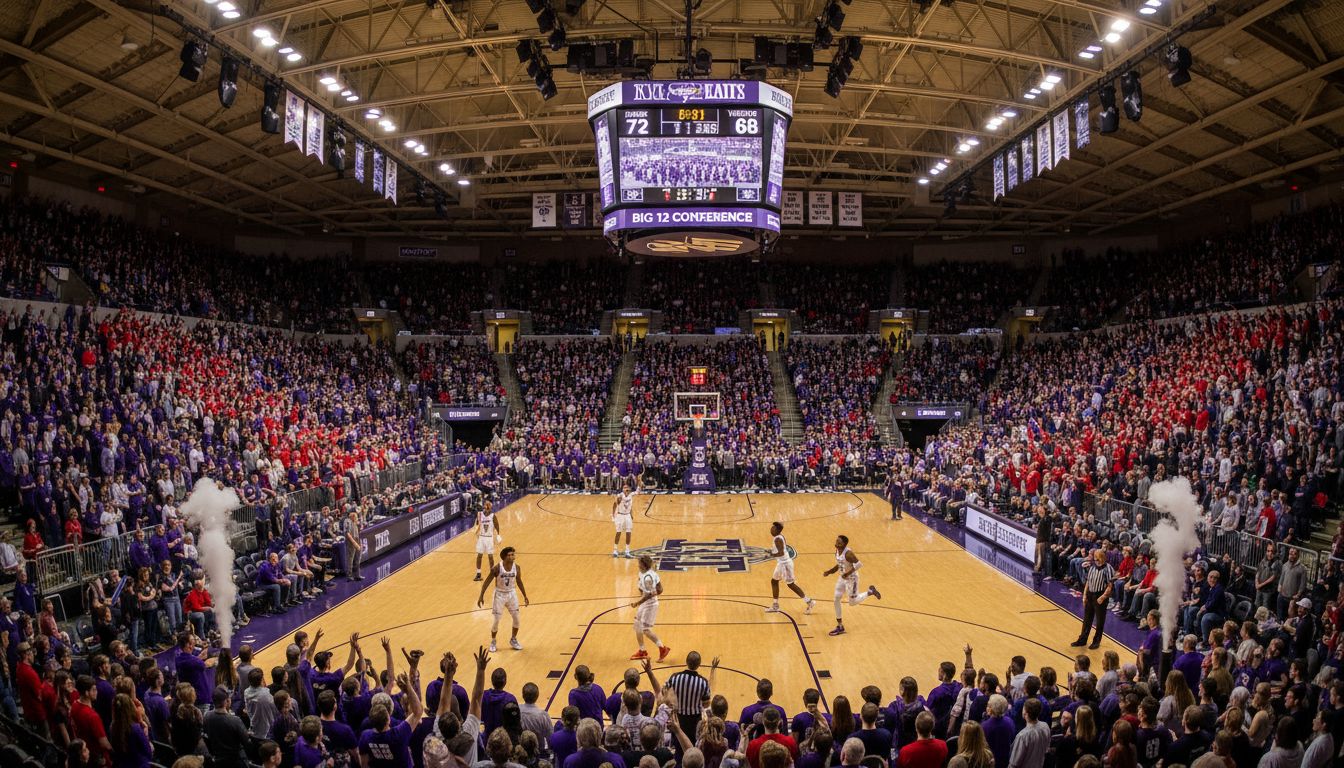
Let’s start with the simple basketball reality: 10-15 and 1-11 in the Big 12 is not survivable for long, especially when it follows another sub-.500 campaign. Kansas State is in the midst of its second-worst season in over two decades, all while spending aggressively in the transfer portal to keep pace in a league that now features Houston, BYU, and soon Arizona as regular tormentors. The on-court product is miles removed from the 2022-23 magic, when Tang’s Wildcats rode the brilliance of Markquis Nowell and Keyontae Johnson to a 26-10 record, a No. 3 seed, and an Elite Eight run that briefly made Manhattan, Kansas, feel like one of the sport’s power zip codes. In hindsight, that season looks less like the foundation of a sustainable program and more like a perfect storm: an elite point guard, a comeback story star, and a coach with a fresh voice the locker room was eager to hear. When the talent level dipped slightly and the margins got thinner in the Big 12, the Wildcats stopped winning close games, and, more dangerously, the relationship between coach and roster appears to have frayed beyond repair.
The public fracture came after a 91-62 home humiliation against Cincinnati, a loss that was bad enough on the scoreboard but devastating in what followed. In his postgame press conference, Tang labeled the performance "embarrassing" and went much further, saying, "These dudes do not deserve to wear this uniform. There will be very few of them in it next year. I’m embarrassed for the university, I’m embarrassed for our fans, our student section. It is just ridiculous." Coaches vent behind closed doors all the time; I’ve heard enough practice stories from Cameron to fill several confessionals at the Episcopal parish down the street. What you almost never see from a coach at a high-major program is a scorched-earth public denunciation of his own players’ right to represent the school, delivered on camera and then clipped, shared, and dissected nationwide within minutes. In the old days, a comment like that might haunt a coach in the morning paper; today, it becomes the defining narrative of his tenure before he’s even left the arena.
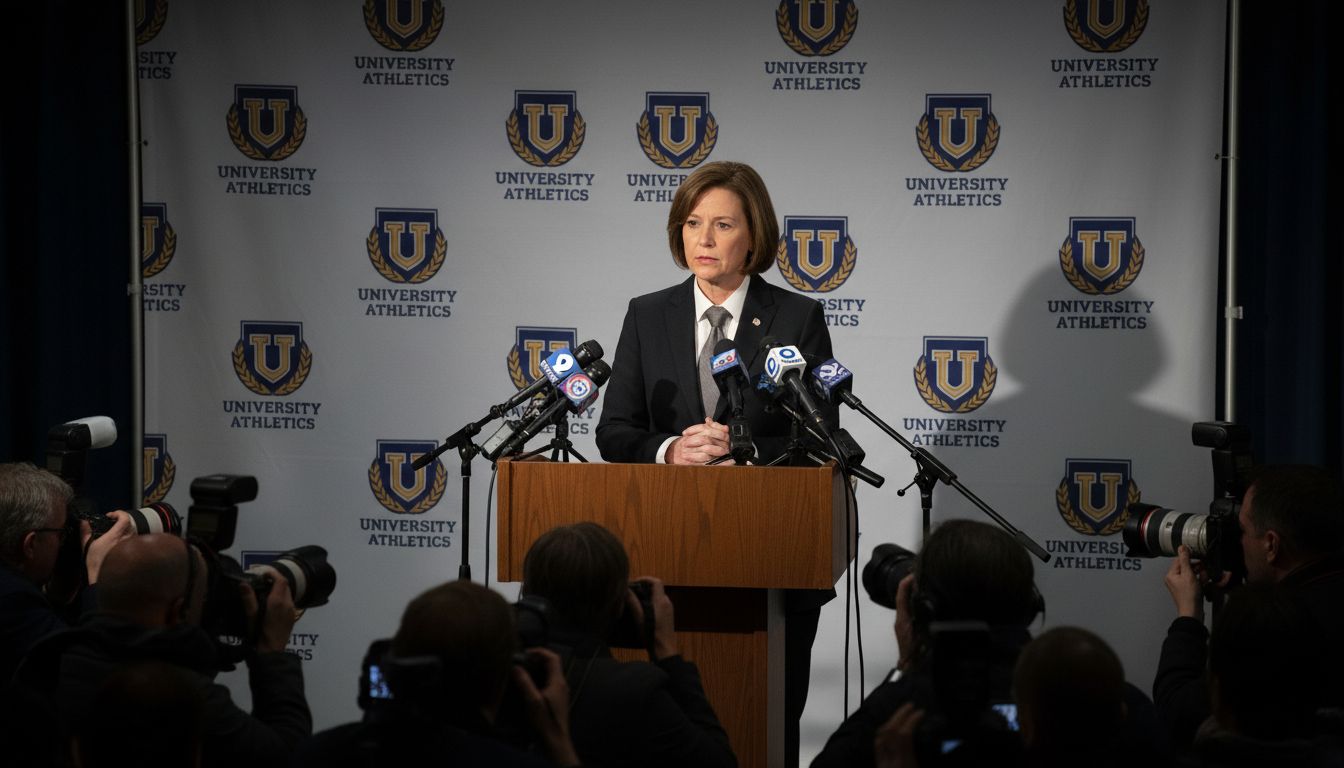
Taylor’s subsequent decision to attempt to fire Tang for cause hinges on that moment and its fallout. By framing the termination around "recent public comments and conduct" that purportedly violated contractual standards for supporting student-athletes and representing the university, Kansas State is effectively saying the rant wasn’t just intemperate; it was disqualifying. Tang, for his part, responded in a carefully worded statement, expressing deep disappointment, disputing the university’s characterization, and insisting he has "always acted with integrity" and in the best interests of players and school alike. The gap between those two positions is not merely rhetorical; it is financial, with more than $18 million in buyout money at stake and a likely legal battle (or negotiated settlement) looming like a late-game replay review that everyone knows will take a while. For all the emotion, this is now largely a contract and optics question: what does it mean, in 2026, to "support student-athletes" in a profession built on criticism, accountability, and, yes, the occasional verbal flamethrower?
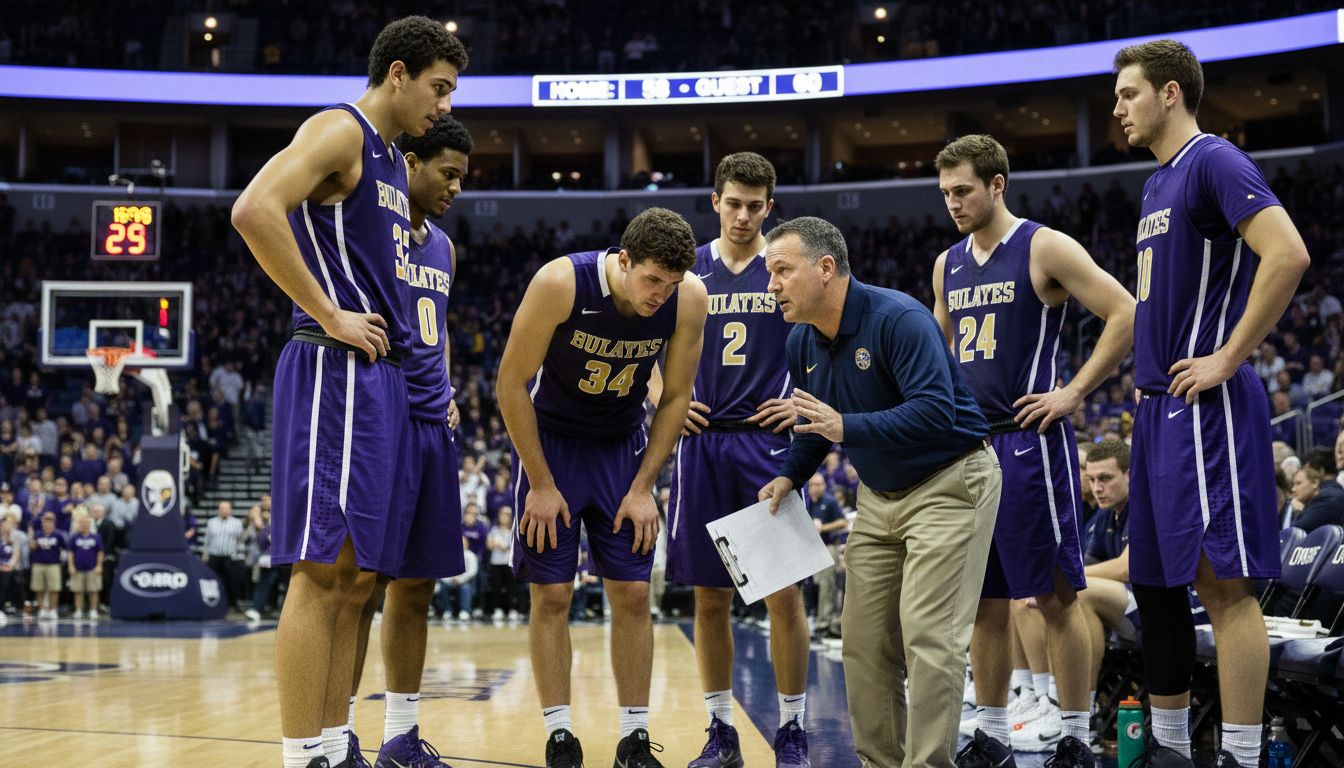
From a program-building standpoint, Tang’s press-conference eruption and the decision to remove players’ names from the backs of their jerseys before the subsequent loss at Houston send a very particular message about culture. The jersey-name gambit is the sort of symbolic move some coaches adore, leaning on the old line about playing for the name on the front, not the back. When you’re 26-10 and headed to the second weekend of the NCAA Tournament, that kind of thing plays as old-school toughness and tradition. When you’re 10-15, 1-11 in the league, and fresh off a 29-point home demolition, it looks much more like a coach straining for control and losing the room one soundbite at a time. Old-line programs that actually live tradition every day—yes, I am looking directly at Durham and Chapel Hill here—tend to understand that your public posture toward your players is part of the brand, not a disposable vent for frustration.
None of this absolves the players or the roster construction of blame. Kansas State invested heavily in the transfer portal the last two offseasons and has not gotten a commensurate return, which suggests either mis-evaluation, misfit, or a culture that didn’t cohere once the ball went up. In the modern college game, where high-major rosters are rebuilt almost annually, the head coach’s primary job is less about drawing up sets and more about sustaining buy-in despite inevitable losing streaks and ego clashes. When that bond breaks publicly, it doesn’t just hurt the current season; it becomes ammunition for every recruiter who walks into a living room and wants to steer a kid away from Manhattan. Parents, and especially their more attentive uncles who quietly bankroll AAU summers, notice which coaches defend players in public and which ones throw them under the proverbial team bus.
From the university’s vantage point, there is also a delicate balancing act between competitive urgency and institutional self-image. Kansas State is not a blue blood, but it has tasted enough high-level success—in football and in that recent Elite Eight run—to believe it belongs in the national conversation. In that context, multiple losing seasons, public relations missteps, and a coach openly suggesting that his own roster is unworthy of the uniform are more than just temporary turbulence; they threaten the school’s sense of itself. An athletic director is paid to protect that identity just as surely as he is paid to fill the arena and keep donors reasonably content. Whether firing for cause is the correct mechanism is something for lawyers and arbitrators; that this marriage was headed for an unhappy end, however, seems obvious to anyone who watched those last few press conferences.
What’s particularly striking, viewed from a longer historical lens, is the volatility baked into modern coaching tenures compared with even twenty years ago. Tang’s overall record—71-57, with a signature Elite Eight—is the sort of résumé that once would have bought a coach considerable patience, especially at a program without a wall of national championship banners. Now, a single foundational roster graduating, a couple of portal misses, and a viral quote can accelerate the entire life cycle of a tenure from honeymoon to litigation in under four seasons. The same sport that elevated Tang overnight as a culture-builder and fresh face is now poised to send him into a prolonged dispute over buyout language, his most famous highlight a Sweet 16 masterpiece by a 5-foot-8 point guard rather than anything sustained over time. It is a reminder that in the portal era, continuity of behavior may matter nearly as much as continuity of talent if you want to outlast the next storm.
For Kansas State, the immediate future falls to interim coach Matthew Driscoll, who inherits a demoralized roster, a bruised fan base, and the awkward task of finishing a season that everyone knows will be remembered more for what happened at the podium than what happened on the court. His job, in the short term, is less about miracles in the standings and more about restoring a basic sense of cohesion and respect between players, staff, and supporters. Over the longer term, Kansas State’s next hire will reveal what the administration truly values: a disciplinarian to reassert control, a relationship-builder to mend trust, or some hybrid who can walk the line between honest critique and public loyalty. The Big 12 is not getting any kinder, and the Wildcats can’t afford many missteps if they want that 2023 run to be remembered as the start of an era rather than a pleasant, isolated anomaly. As for Tang, someone will eventually talk themselves into the Elite Eight banner and the promise of a reset; the question is whether his next act comes with a quieter microphone and a sharper sense of when to save the harshest words for the locker room whiteboard.