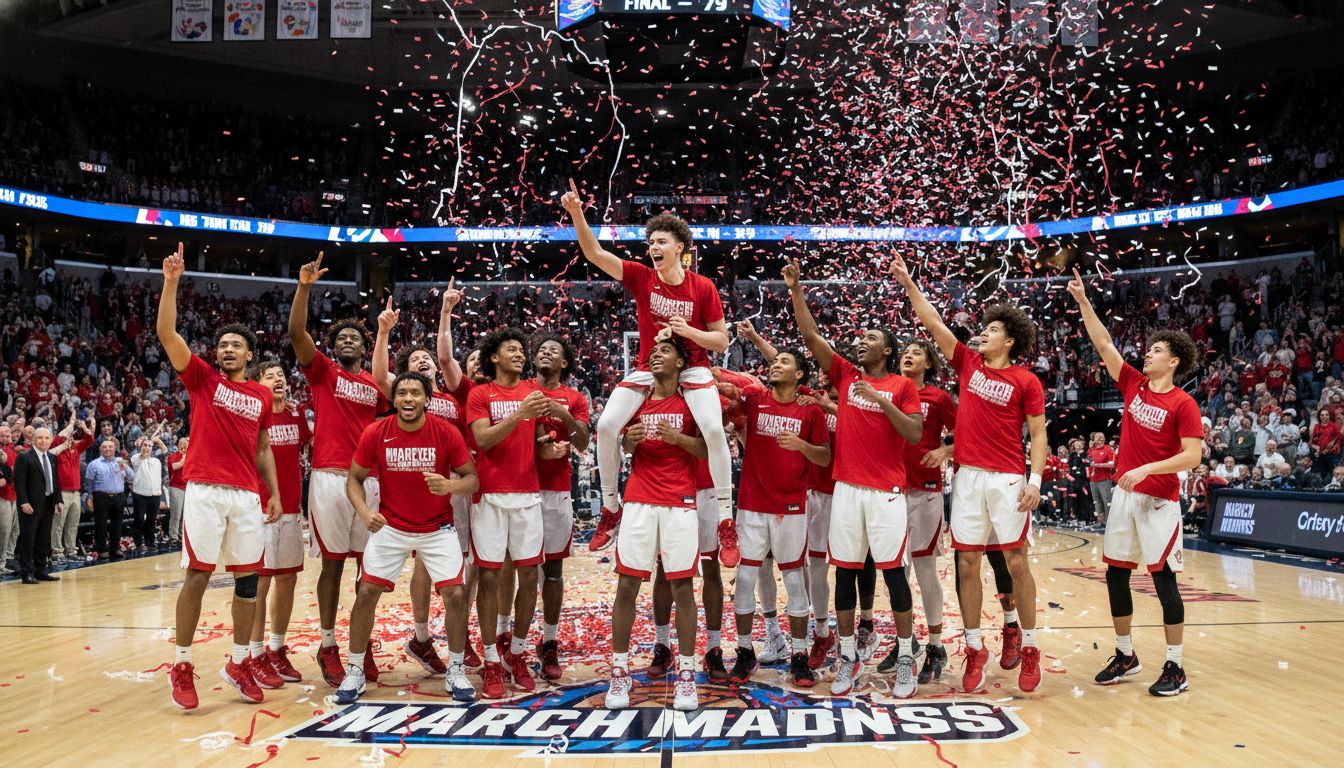
Let’s start with this: the first round of the NCAA men’s tournament felt like working a double shift, one day slammed, the next dead quiet. Thursday was everything we love about March – upsets, scares, and a No. 1 seed (Duke) sweating bullets against Siena. Friday? That was the factory line running exactly to spec, every favorite clocking in and doing just enough to move on. If you’re a fan, that whiplash is part of the deal: one night you’re yelling at the TV, the next you’re half-dozing through blowouts. But underneath the chaos and the chalk, a few big storylines jumped out – about respect, injuries, new coaches, and who might actually have the tools to make a real run.
First up, St. John’s, a team that did everything right and still got treated like the new guy on the job who never gets the good shift. They swept the Big East regular season and tournament titles, smacked UConn by 20 in the league tourney, and still got slapped with a 5-seed and shipped out to San Diego. Head coach Rick Pitino made it pretty clear he thinks the committee doesn’t respect the Big East like it used to, and he’s got a point – the league only sent three teams, and Villanova face-planted right away. But punishing St. John’s for everyone else’s down year never added up, especially when you look at how favorably the committee treated ACC teams like Duke and Virginia after fairly modest seasons. So the Red Storm did what any ticked-off, overlooked group would do: they came out against Northern Iowa like they were settling a score, jumped out 13-0, dominated the glass, rained threes, and walked out with a 79-53 statement win that said, in plain English, "We deserved better."
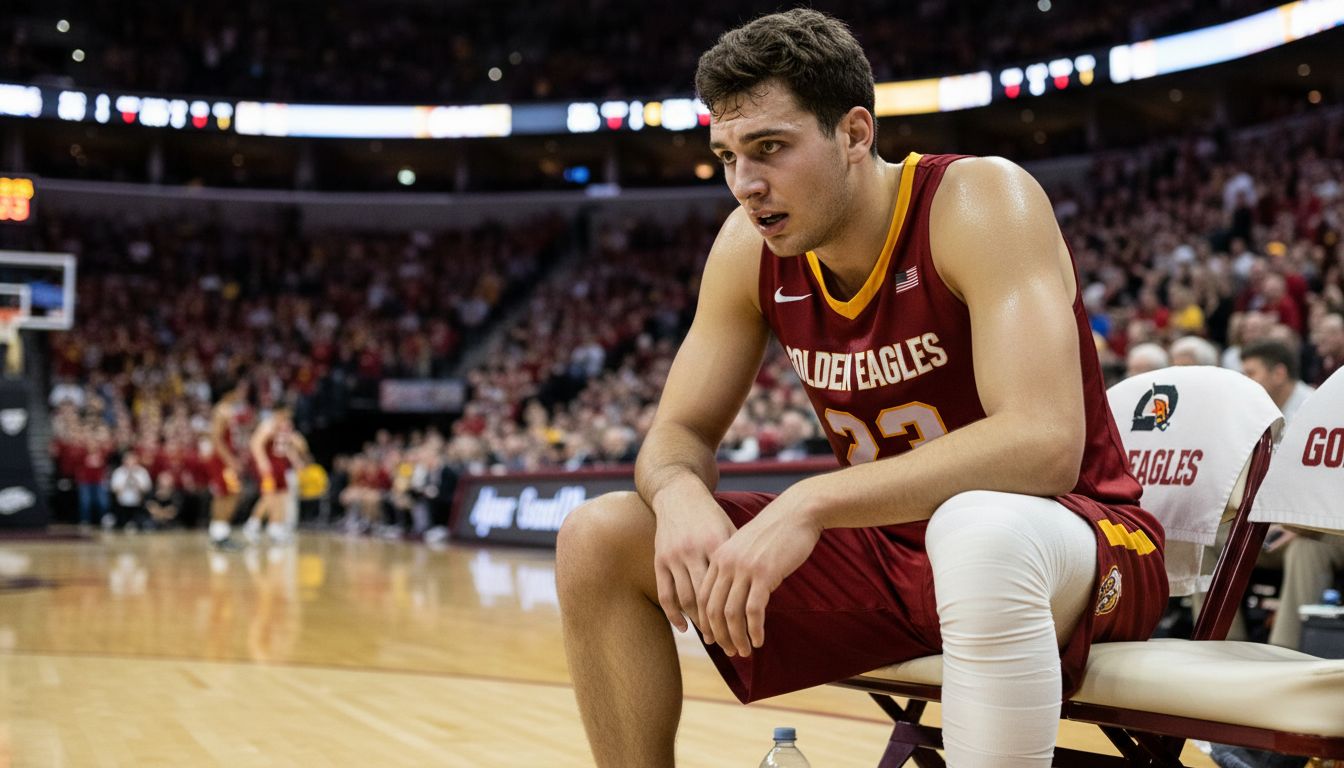
Now, if St. John’s is the crew getting shorted on respect, Iowa State is the one that just lost its best worker halfway through a major job. Star forward Joshua Jefferson rolled his left ankle less than three minutes into the Cyclones’ opener against Tennessee State, had to be helped off, and later showed up in a boot and on crutches. The early tests say it’s a sprain and not a break, which is the good news, but what really matters is how that ankle looks by the time they face Kentucky in the Round of 32. Jefferson isn’t just another body – he’s second on the team in scoring, first in rebounding, a top passer and defender, and he’s sitting near the top of national Player of the Year lists. Take a guy like that out of the lineup, and it doesn’t just shrink your ceiling, it forces everyone else to work overtime, and in a region that still includes heavyweights like Virginia and top-seeded Michigan, that’s a brutal ask.
Short term, Kentucky is the team that might quietly benefit the most from Jefferson’s injury, especially after it needed a miracle 40-foot heave just to survive Santa Clara in overtime. If he can’t go, or if he’s clearly limited, Iowa State has to rewire its offense and rebounding on the fly, which is not exactly how you want to head into a win-or-go-home game. Zooming out, Jefferson’s ankle suddenly hangs over the entire Midwest Region, because Iowa State came into March with a résumé full of quality wins over tournament teams like Purdue, Kansas, Houston and Texas Tech. They were already good enough to push Arizona to the edge in the Big 12 title game, so this isn’t some flimsy profile – this is one of the country’s toughest outfits now staring at its biggest question of the season. In a single-elimination tournament, one wrong landing can flip an entire bracket, and that’s exactly what we’re watching here.
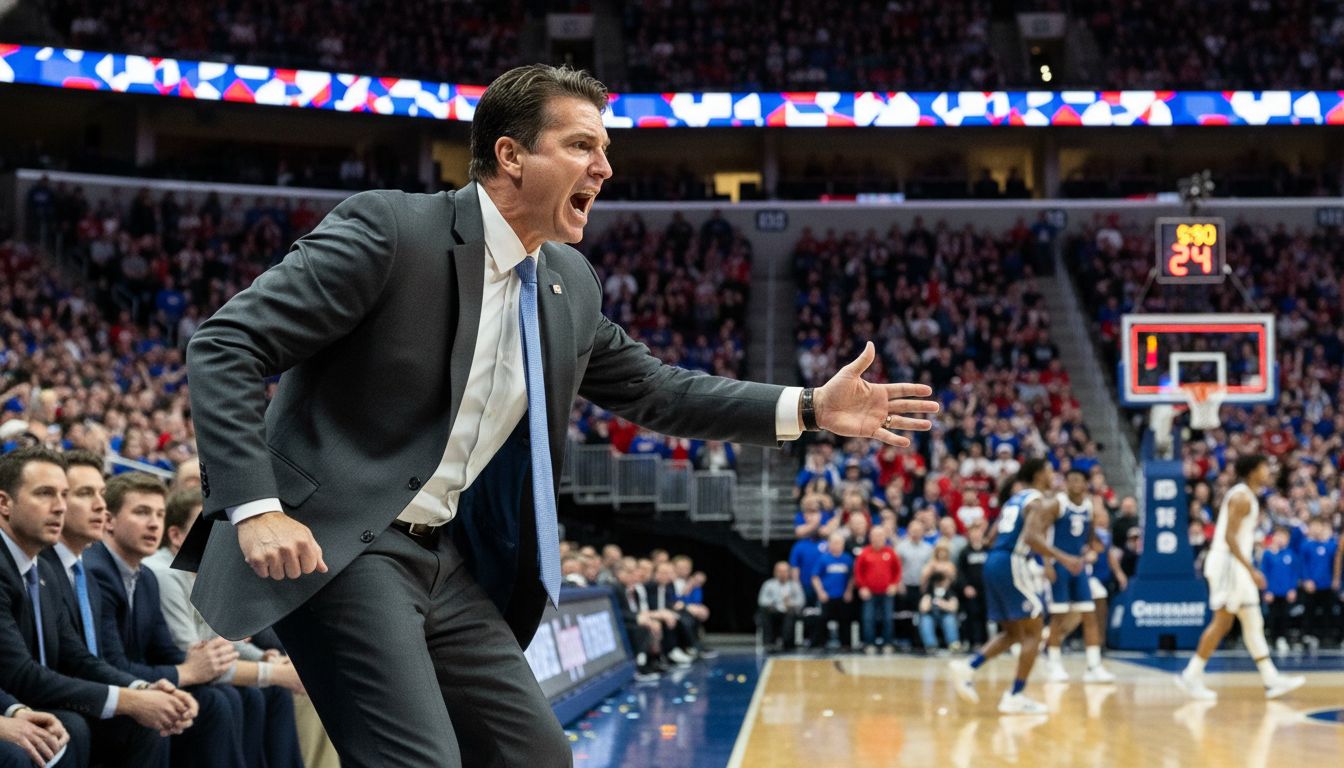
While injuries shook up the Midwest, something else was brewing across the bracket: a wave of new head coaches announcing their presence like a rookie on day one who’s not afraid to speak up in the meeting. Start with Siena’s Gerry McNamara, whose team came within a whisker of handing Duke just the third 16-over-1 upset in tournament history before fading late in a 71-65 loss – even Duke’s Jon Scheyer admitted "G-Mac" outcoached him early. Then there’s High Point’s Flynn Clayman, whose group buried Wisconsin under an avalanche of three-pointers, pulling off the biggest upset of the opening day as a 12-seed over a 5-seed. VCU, under first-year head coach Phil Martelli Jr., clawed back from 19 down to stun North Carolina in overtime with a lineup built mostly from transfers and a freshman, a perfect snapshot of how fast rosters can be rebuilt now. Texas A&M’s bold hire of Bucky McMillan, fresh from the high school ranks not long ago, paid off with a smothering double-digit win over Saint Mary’s, and Texas, in its first year under Sean Miller, rode a First Four win over NC State into a Round of 64 upset of BYU.
What all those new coaches have in common is they’re working in a different era, where patience is going out of style and the transfer portal is basically the college hoops version of swapping shifts and picking up extra hands overnight. Athletic directors aren’t waiting three to five years anymore; if you can’t show progress quickly, there’s always another young, analytics-savvy coach willing to step in and rewire the whole system. The flip side is that players can move just as quickly, and we’re seeing staffs who understand how to mesh transfers, freshmen, and international talent into something that looks like a finished product by March, not a three-year project. From a fan’s seat on the couch, it makes for wild swings – programs can go from afterthought to bracket-buster in one offseason, and every March we’re reminded that name recognition on the front of the jersey isn’t a guarantee of anything. If there’s a throughline here, it’s that the sport is rewarding adaptability and toughness more than reputation, and that feels about right.
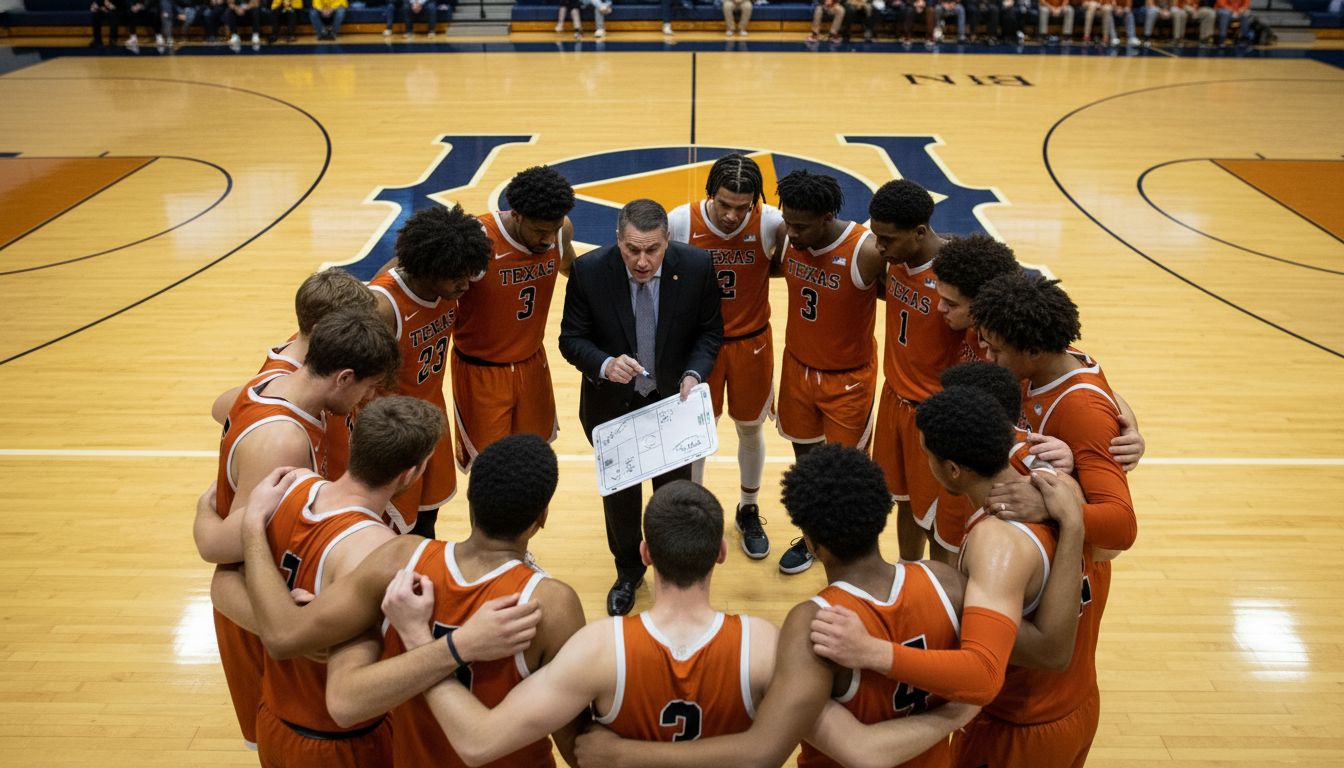
That brings us to Texas, maybe the most interesting wild card through one round, because the Longhorns suddenly look like the kind of balanced team that history tells us you should take seriously. All the math nerds will tell you this stat: 22 of the last 23 national champs finished top 25 nationally in both offensive and defensive efficiency, with 2014 UConn as the lone outlier. Texas showed up to the SEC Tournament with a top-20 offense but a defense ranked outside the top 100, which is not the profile of a title threat by any stretch. But after locking down NC State and BYU – holding them to 66 and 71 points – their defense has ranked among the nation’s best during the tournament, and suddenly the numbers look a lot more like a real contender’s. Combine that with four players averaging at least 13 points and a knack for getting to the free throw line as well as almost anyone in the country, and you’ve got a group that, if the defense holds up, can trade blows with just about anyone left.
Looking ahead to the Round of 32, a few matchups jump off the schedule like games you cancel plans to watch, or at least sneak on your phone at the family function. Texas A&M versus Houston is a classic clash of tempos: the Aggies want to run and play fast, while the Cougars are perfectly happy grinding things down to one of the slowest paces in the nation. Arizona taking on Utah State is a chance to see whether a mid-major with strong efficiency numbers but limited exposure to top competition can really hang with a true blueblood. Texas Tech and Alabama should be pure entertainment, two high-powered offenses squaring off without key stars – JT Toppin for Tech and Aden Holloway for Bama – which means the supporting casts are suddenly under the spotlight. And don’t forget the history-makers-in-waiting: Nebraska chasing just its second-ever tournament win and Vanderbilt trying to break through to a level the program hasn’t seen in over a decade.
If you zoom out on the whole first round, what you see isn’t just madness for madness’ sake, but a reflection of where the sport is right now. Teams like St. John’s can win, win big, and still feel under-seeded because perception about their conference lags behind reality, a reminder that reputations take longer to move than scoreboards. Programs with the right coach can flip their fortunes almost overnight, whether it’s High Point bombing away from three or VCU using the portal to build a comeback-ready group in one offseason. Injuries like Joshua Jefferson’s can re-draw an entire region’s roadmap in a matter of seconds, forcing teammates, coaches, and even opponents to adapt on the fly. And somewhere between the upstarts and the powerhouses, a team like Texas lurks, trying to turn a late-season defensive awakening into the kind of balanced profile that usually ends up cutting down nets.
So as the tournament rolls into the weekend, it feels like we’ve got a field divided into three kinds of teams: the overlooked grinders like St. John’s, the newly rebuilt upstarts led by first-year coaches, and the traditional powers trying to prove the numbers right or wrong. The beauty of March is that they all share the same court, the same 40 minutes, and the same thin margin for error that can swing on one twisted ankle or one hot shooting night. For fans, it means you don’t just watch the scoreboard – you watch who responds when they get slighted, who adjusts when a star goes down, and which coaches actually get their guys ready from the opening tip. We don’t know yet who’s cutting down the nets, but we do know this: after a first round that mixed chaos with chalk, there’s no such thing as a sure thing, and that’s exactly why people keep filling out brackets even after they’re busted. Punch back in for the Round of 32, because the real work of this tournament is just getting started.