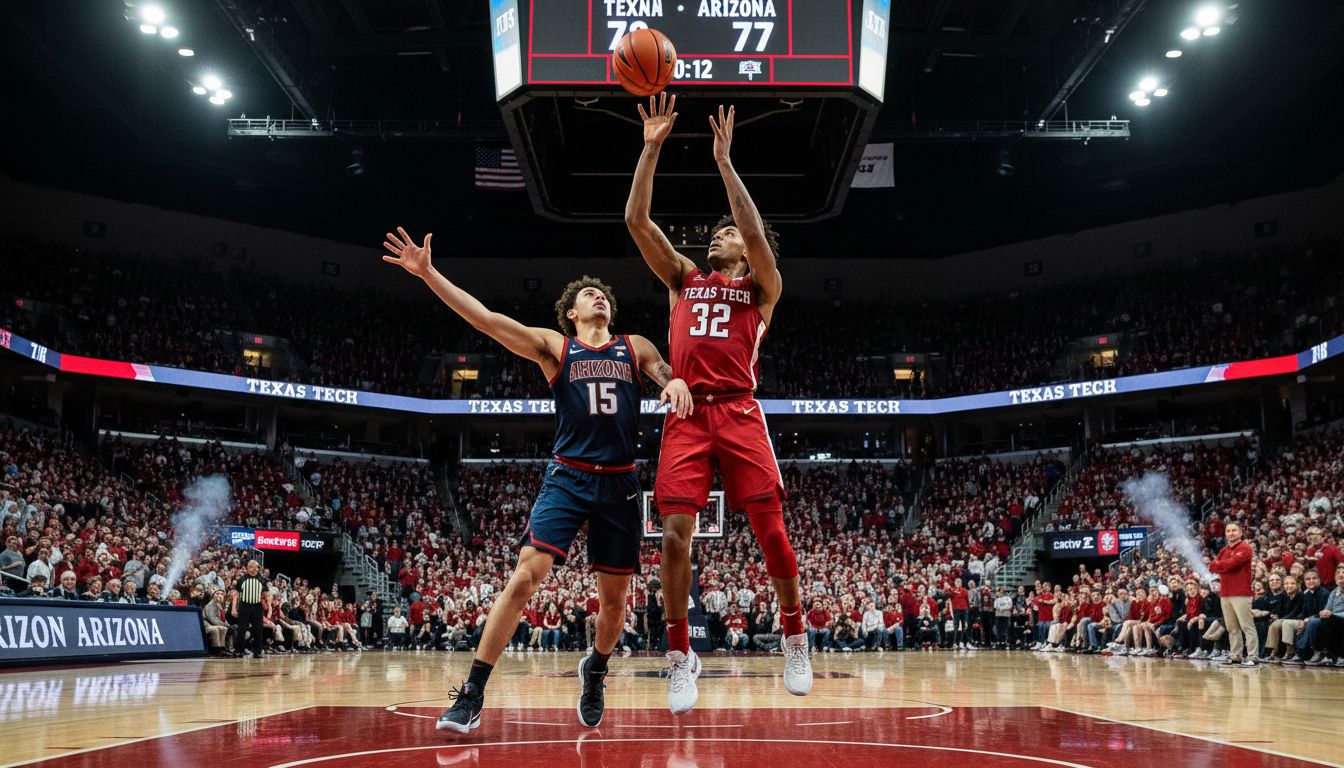
If you stayed up late in Lawrence to watch Texas Tech stun No. 1 Arizona, you probably recognized the feeling even if the laundry was the wrong color. A tough, connected group walked into a raucous building, got punched in the mouth, and calmly answered with stops, extra-effort rebounds, and a star who refused to fade. That script has played out plenty of times in Allen Fieldhouse, and on Saturday night it unspooled in Tucson with JT Toppin playing the lead. For a Big 12 lifer like me, what stood out wasn’t just the upset – it was how familiar the ingredients were. In a league that now stretches from the desert to the plains, Texas Tech’s 78-75 overtime win looked like classic Big 12 basketball, exported west.
Toppin’s stat line reads like something out of a video game: 31 points on 13-of-22 shooting, 13 rebounds, three assists, two steals and a block, while sitting for all of 41 seconds. Numbers can be loud, but what impressed me most was the quiet consistency behind them. The preseason All-America forward has scored at least 10 in 21 straight games and is averaging 21.9 points and 11 boards, but this wasn’t just a volume night. He controlled the game through effort plays – tip-ins, second jumps, sealing his man early – the kind of things that don’t make highlight reels but make coaches grin on film Sunday. If you grew up on the gospel of Phog Allen and Bill Self, you know that’s the good stuff: winning the margins, one possession at a time.
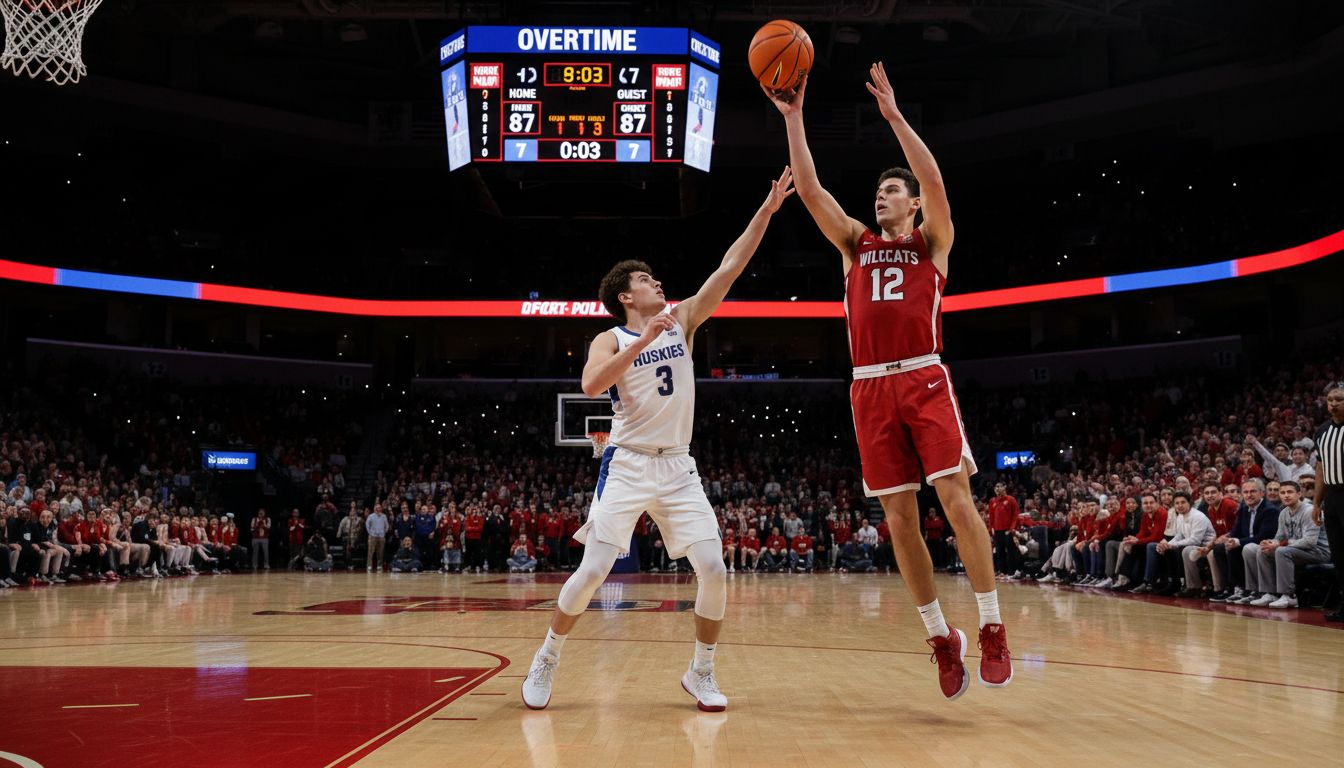
The defining play, though, wasn’t one of his buckets; it was the pass that Arizona wanted him to make. After he’d already scored three times in overtime, the Wildcats sent extra help and dared someone else to beat them. Toppin didn’t force it, didn’t go full hero-ball like you sometimes see from a hot hand in February. Instead he snapped the ball back out to Donovan Atwell on the perimeter, right where their spacing and habits said he’d be. Atwell’s three was the shot Arizona had chosen, but it was also the shot Texas Tech had built all season – inside-out, unselfish, and on time. That’s the part that resonates with anyone who’s watched how elite Big 12 teams are wired: your best player can still be your best passer when the moment demands it.
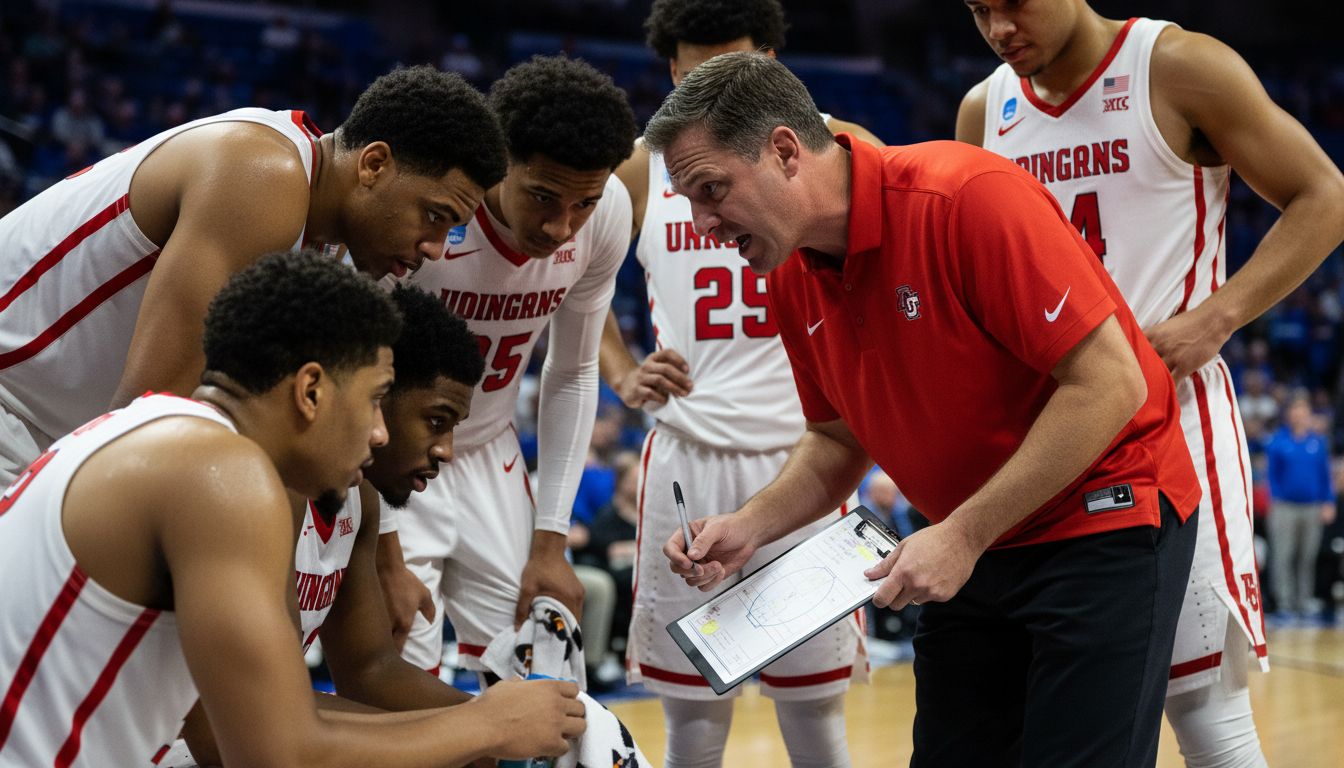
Grant McCasland’s quote afterward – “We’re not guessing. This isn’t luck. These dudes practice hard” – could hang on the wall of any practice gym from Lubbock to Lawrence. Coaches love to say there are no shortcuts, but you can usually tell who actually lives that during a long conference grind. Texas Tech has been a little up and down this year, yet they’ve now won three straight and just walked into the No. 1 team’s gym and matched their physicality for 45 minutes. That doesn’t happen if your habits are fake tough. In a Big 12 that’s added new zip codes but kept its identity, the Red Raiders look like another program doubling down on preparation and defense first, style points second.
It’s important not to turn this into a one-man show, because Texas Tech didn’t. Christian Anderson knocked down six threes on his way to 19 points, the kind of spacing that lets a star like Toppin operate without constant triple-teams. Atwell finished with 11, and beyond the headline triple in overtime, he hit a massive three with 25 seconds left in regulation to close out a 9-0 run and even get this thing to overtime. That sequence is the hidden backbone of the upset: instead of folding when the building got loud, Tech stretched the floor and trusted their shooters. If you’ve watched Big 12 basketball evolve over the last decade, you’ve seen this blend before – rugged defense and glass work, paired with just enough perimeter firepower to tilt a road game your way.
Arizona, to its credit, didn’t go quietly, and they gave as much respect as they got afterward. Forward Tobe Awaka talked about Toppin’s “really quick second jump” and “great body placement,” which is scout-speak for a guy who beats you twice on the same play. That ability to track the ball and be “in the right place at the right time” isn’t magic; it’s footwork, anticipation, and conditioning layered over time. In older Big 12 circles we’d call that a “Fieldhouse player” – maybe not the most glamorous, but impossible to wear down. On a night when the nation’s top-ranked team threw its weight around, Texas Tech’s star still had more juice in overtime.
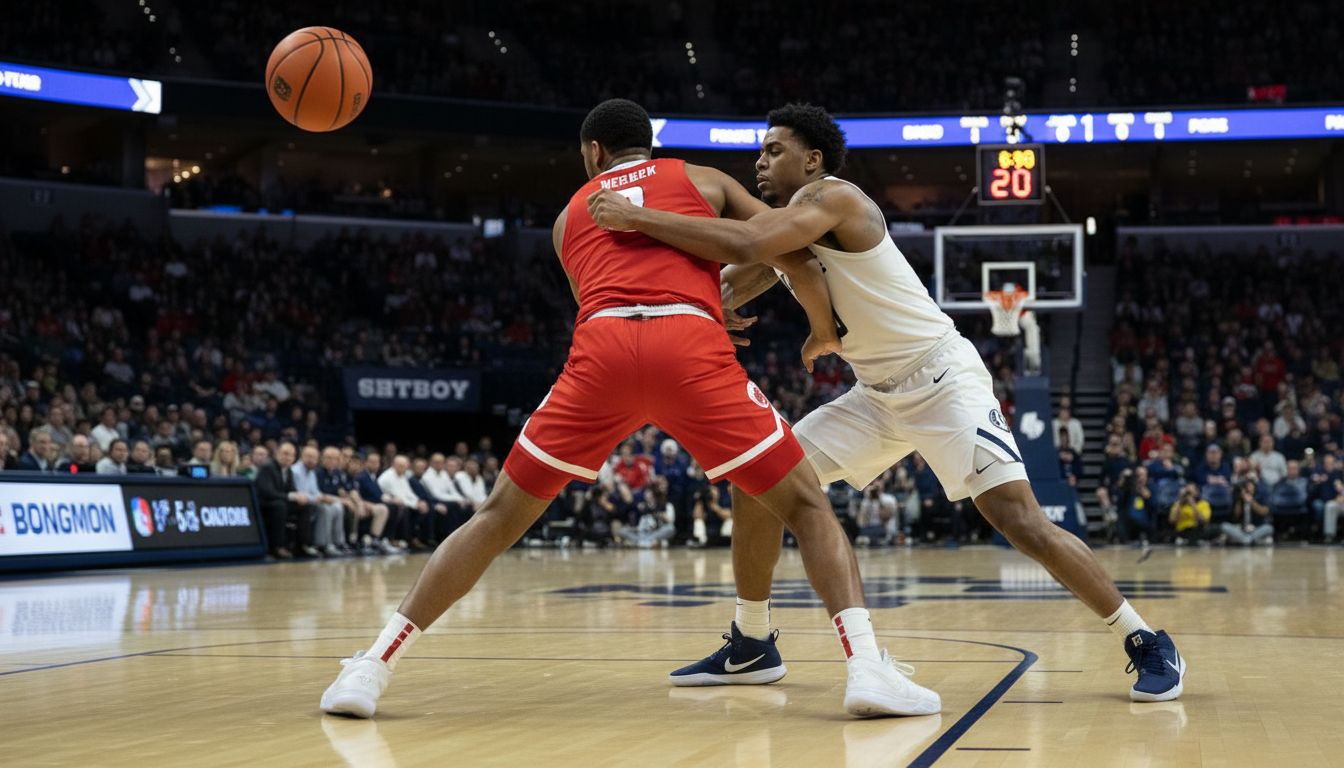
From a broader Big 12 lens, this win is another marker of how deep and unforgiving the league has become. Beating a No. 1 team on the road used to feel like a once-in-a-decade event; for Texas Tech, it’s now happened three times in school history, with the last one coming just a few seasons ago at Baylor. For coaches building programs in this conference, that sends a clear message: if your culture is real and your star buys into team concepts, you’re never that far from a season-defining win. For fans, especially here in Kansas, it’s a reminder that every trip through the league schedule can turn into a minefield. Even the “new” Big 12 additions like Arizona are learning quickly that there are no easy nights when the scouting reports travel this well.
Watching from a cold February night in Lawrence, I couldn’t help but think about how this all connects back to the larger tapestry of Big 12 hoops. From Eddie Sutton to Bill Self to the current wave of coaches, there’s a shared belief that toughness and unselfishness travel, whether you’re in Tucson, Lubbock, or under the old barn roof at Allen Fieldhouse. Texas Tech’s win doesn’t rewrite the national title race in one evening, but it does reinforce a simple truth: in this league, stars are expected to do the dirty work and make the right pass, not just fill up the points column. That’s a brand of basketball that would make the old Phog smile, even if the jerseys are red instead of blue. And as the calendar creeps closer to March, nights like this are a good reminder for everyone – from Arizona to the heartland – that in the Big 12, you’d better lace ‘em up tight, because someone like JT Toppin is always waiting to crash the party.