If you love college basketball, this 2025-26 season gave you just about everything but a seatbelt. From November tipoffs to March bedlam, the sport didn’t just survive the transfer portal and NIL era – it thrived, and did it with a whole lot of freshmen flash and old-school toughness. Looking over Dick Vitale’s All-Rolls Royce and Diaper Dandy teams, you see the story of the year laid out on one page: blue-bloods still matter, mid-majors still punch above their weight, and freshmen – for better or worse – are driving the bus. As a guy who’s watched Auburn rise from afterthought to national factor, I see a pattern here that reaches beyond Duke and Kansas box scores. It’s a season that quietly answered the biggest question in modern college hoops: can the sport keep its soul while everything around it changes?
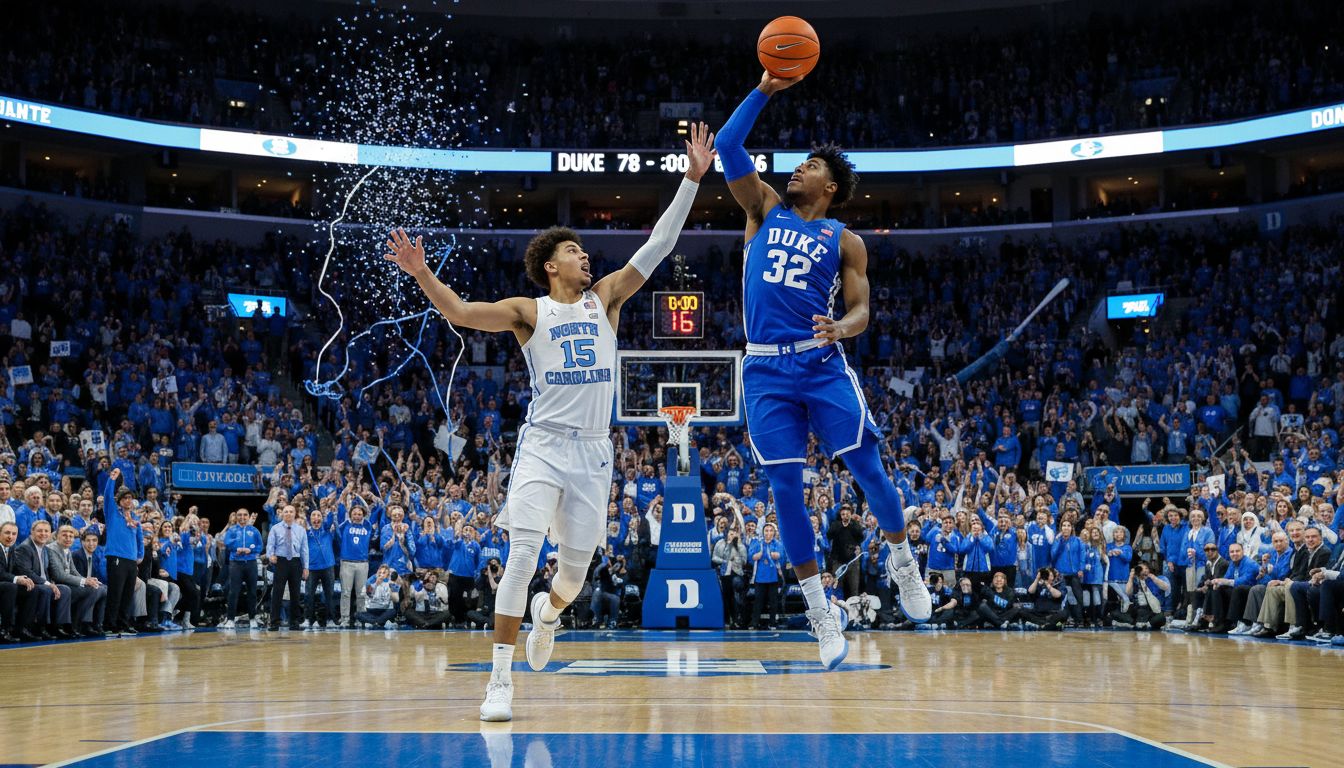
Start with Vitale’s National Player of the Year, Duke’s Cameron Boozer – the headline name on both the All-Rolls Royce First Team and the Diaper Dandy list. A freshman winning national player of the year used to feel like a meteor strike; now it feels like the new normal, but Boozer wasn’t just another one-and-done scorer. He owned games on both ends – 30-point nights, double-doubles, rim protection, and a rivalry-closing 26 and 15 against North Carolina that would’ve made old-school ACC bigs nod in approval. For all the talk about NIL and brand-building, Boozer’s year was simple: produce, win, repeat. If you’re raising kids on SEC ball like I am, that’s the kind of example you point to when you tell them talent is great, but showing up every night is what gets you hardware.
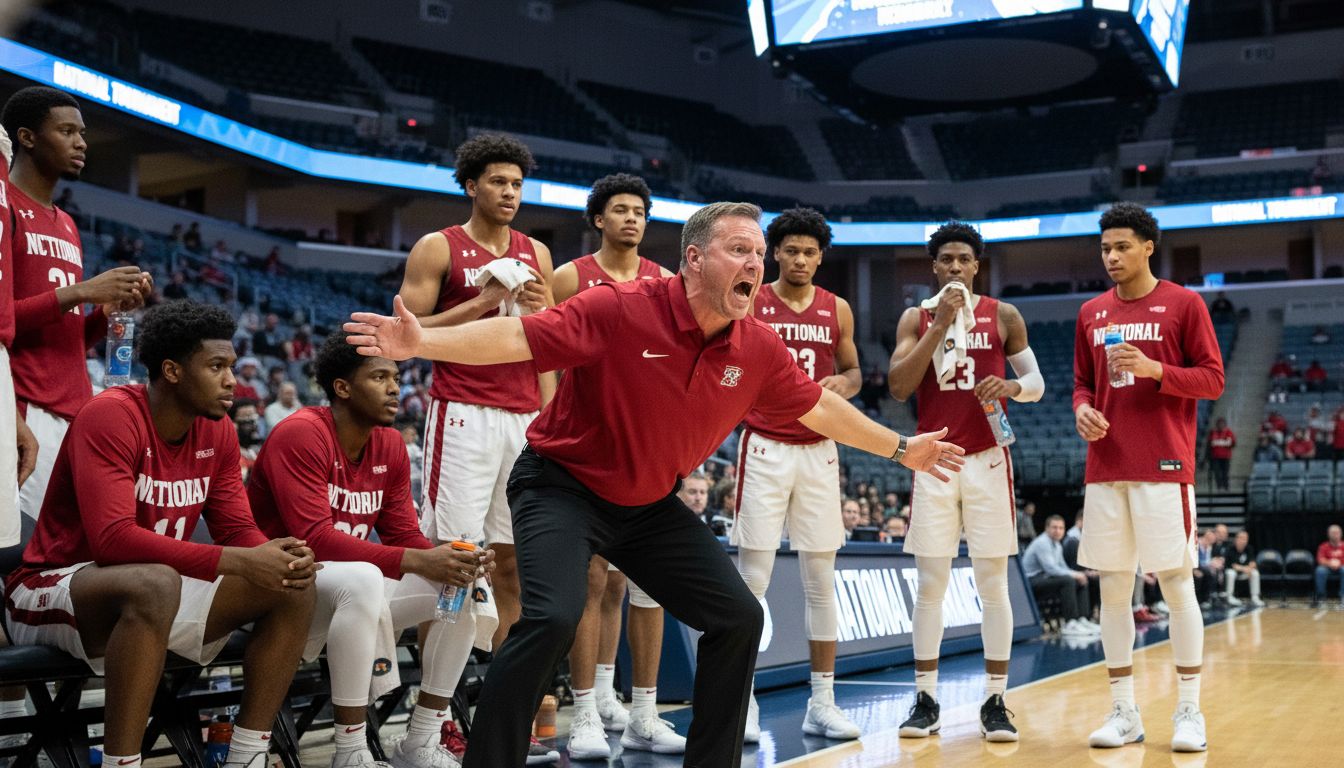
Vitale’s Coach of the Year pick, Travis Steele from Miami (Ohio), is the other half of this season’s identity. While everyone debates power conferences and TV money, Steele quietly turned a mid-major into a disciplined, connected outfit that guarded, shared the ball, and even won an NCAA tournament game. In an era where it’s easy to chase shortcuts, his team leaned on toughness, chemistry, and buy-in – the same ingredients that fueled runs by programs like Auburn and others who had to earn national respect the hard way. Miami (Ohio) didn’t have the five-star headlines, but they had something that still travels in March: belief and a clear identity. Steele’s year is a reminder that coaching is still teaching, not just scheming, and that a good game plan plus a locker room that believes can bend the sport’s power structure, at least for a few weeks.
The All-Rolls Royce First Team reads like a map of how different styles still fit in one sport. Boozer is the do-everything forward at Duke; JT Toppin was a Big 12 bruiser at Texas Tech, punishing the paint for 21.8 points and 10.8 boards a night before an ACL tear cut things short; Braden Smith at Purdue orchestrated one of the nation’s most efficient offenses and passed Bobby Hurley in career assists; Darius Acuff Jr. at Arkansas and AJ Dybantsa at BYU brought pure scoring fireworks. You’ve got guards jacking up 40-plus in the SEC, a freshman at BYU leading the country in scoring at 25.5 per game, and a traditional floor general in Smith proving there’s still room for a pass-first maestro in a pace-and-space era. What ties them together isn’t style; it’s reliability. When their teams needed a play – a defensive stop, a clutch three, a big rebound – these guys usually delivered. That may not trend on social media like a windmill dunk, but it wins games and awards.
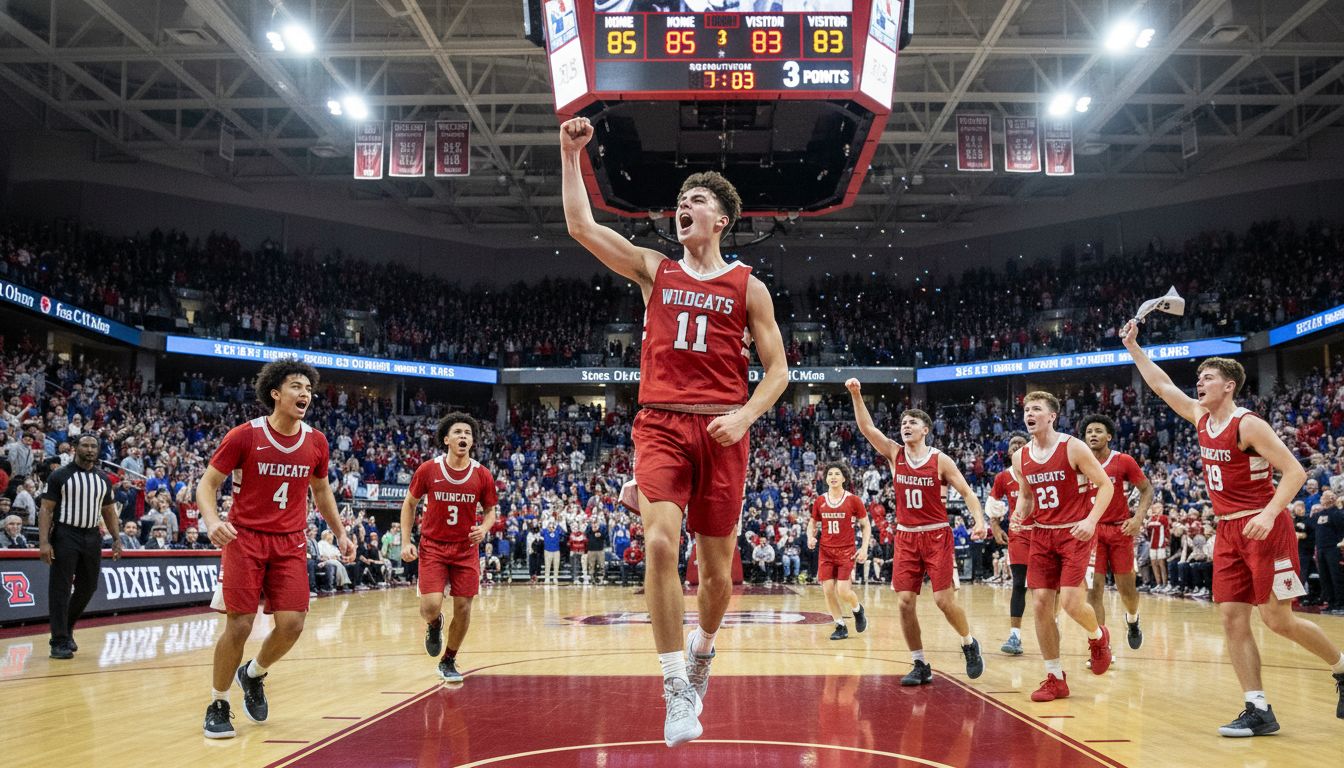
Vitale’s second and third teams underscore just how broad the talent base has become. You see Caleb Wilson at North Carolina, a nearly 20-and-10 freshman forward whose season was cut short by thumb surgery, and Labaron Philon Jr. at Alabama dropping 20 a night and dragging the Tide into the Sweet 16 with electric scoring bursts. You see Michigan’s Yaxel Lendeborg bringing old-school interior toughness, Florida’s Thomas Haugh quietly growing into an NBA-level forward, and blue-collar pieces like Iowa State’s Joshua Jefferson and St. John’s Zuby Ejiofor doing the dirty work that stat sheets don’t fully capture. Sprinkled in are breakout SEC names like Vanderbilt’s Tyler Tanner, a reminder that not every impact player wears a blue-blood jersey or sits atop a mock draft list in October. There’s a certain blue-collar logic in this list: you can be a Rolls Royce without a five-star label, if you show up night after night and make winning plays.
Then there are the Diaper Dandies – Vitale’s favorite phrase and, this year, the backbone of the sport’s narrative. The first team could almost stand alone as a postseason honor: Acuff at Arkansas, Boozer at Duke, Dybantsa at BYU, Wilson at North Carolina, and Keaton Wagler at Illinois. These aren’t just “promising” kids; they were central engines for ranked teams and tournament chases, often closing games and carrying the scoring load from day one. By the time February rolled around, BYU was handing the keys to Dybantsa in crunch time, North Carolina’s December run was powered by Wilson, and Acuff’s fearlessness had Bud Walton Arena buzzing like SEC football on a Saturday night. Freshmen no longer tiptoe into college hoops – they smash through the door, plant a flag, and dare you to take the ball from them.
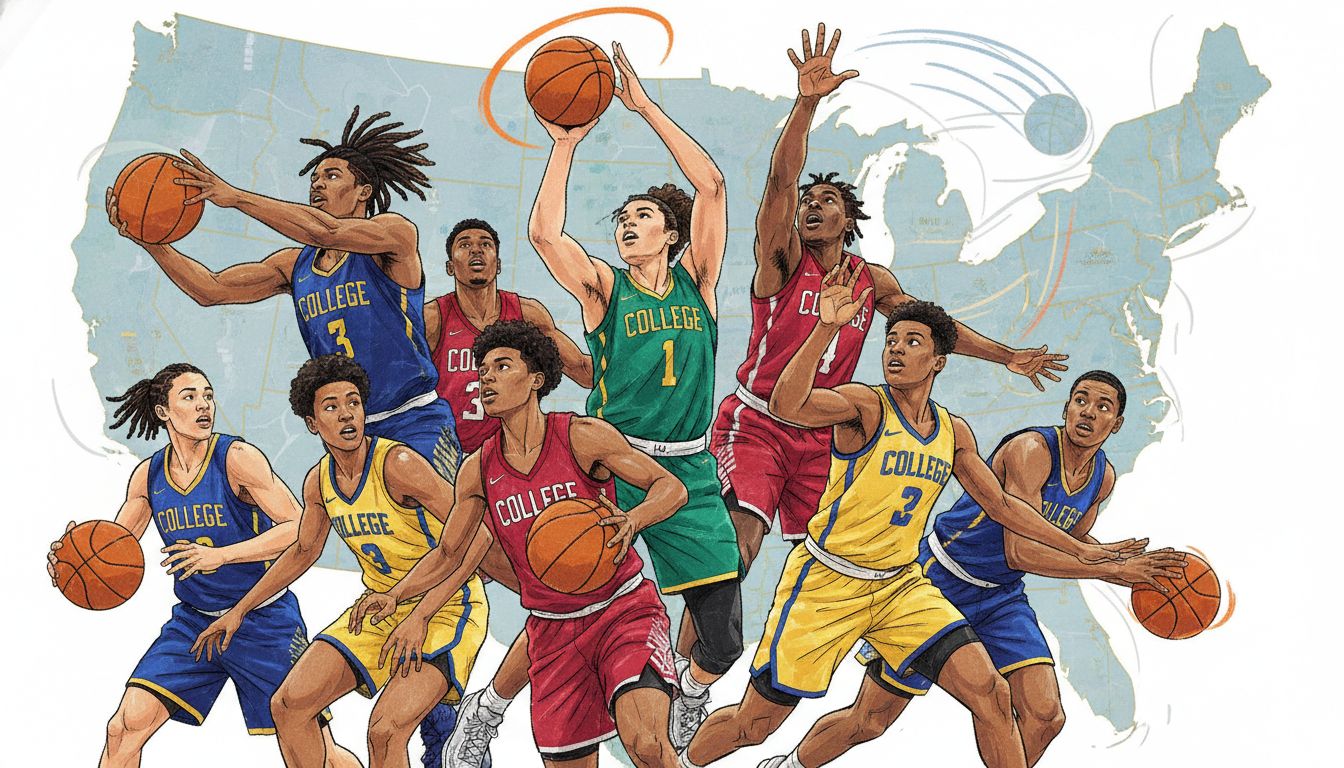
The second-team Diaper Dandies fill in the map from Tucson to Lawrence to the Pacific Northwest: Brayden Burries at Arizona, Darryn Peterson at Kansas, Ebuka Okorie at Stanford, Kingston Flemings at Houston, and Hannes Steinbach at Washington. Each one checked a different box – two-way guard play, tempo-changing energy, creative playmaking, or old-fashioned paint dominance. What they shared was a certain fearlessness that has come to define modern high-major freshmen. They enter packed arenas, NIL expectations on their shoulders, and play like they’re still at the local rec center, just with more cameras and louder crowds. For all the hand-wringing about the sport getting too transactional, this class of freshmen played with a joy and edge that made the season feel alive rather than manufactured.
So what do we do with a year when many of the best players are still teenagers? On one hand, it shows how much prep basketball, year-round development, and exposure circuits have accelerated the learning curve. On the other, it raises a fair question: where does that leave the veteran core that used to define college programs? Vitale’s lists actually answer that quietly – players like Smith, Lendeborg, Jefferson, and Ike at Gonzaga show there’s still a lane for older guys who value roles, leadership, and consistency. In a healthy program, the ideal model still looks like a blend: precocious stars who bring the sizzle and seasoned veterans who bring the spine.
From an SEC vantage point, this season’s awards say something encouraging about the broader landscape. Arkansas, Alabama, Florida, and Vanderbilt all placing players on Vitale’s teams reflects a league that has gone from football-only stereotype to year-round basketball factor. Even without an Auburn name on this particular list, the region’s style is written all over it: physicality in the paint, fearless guards, and coaches willing to let talented freshmen learn on the fly rather than bury them on the bench. That’s the same mentality that fueled Auburn’s own rise under Bruce Pearl – take chances on talent, build culture so strong it can absorb roster churn, and let your gym become the loudest place in town from November to March. If you’re an SEC fan, you don’t have to squint hard to see that formula working across the country.
In the end, Vitale’s All-Rolls Royce and Diaper Dandy teams don’t just hand out trophies; they sketch the blueprint for where college hoops is headed. Elite freshmen like Cameron Boozer and AJ Dybantsa are going to keep rewriting record books, mid-major teachers like Travis Steele will keep proving that culture still matters, and blue-collar vets will keep gluing everything together. If the sport ever loses its way, it won’t be because too many kids are good too soon; it’ll be because we stop valuing the unglamorous stuff these lists quietly reward – defense, effort, and accountability. For now, though, the 2025-26 season should put a lot of fears to bed. College basketball is still a grown man’s game – it just happens that some of those grown men are 18-year-olds who can drop 40 on your head and jog back on defense like it’s just another Tuesday in March.