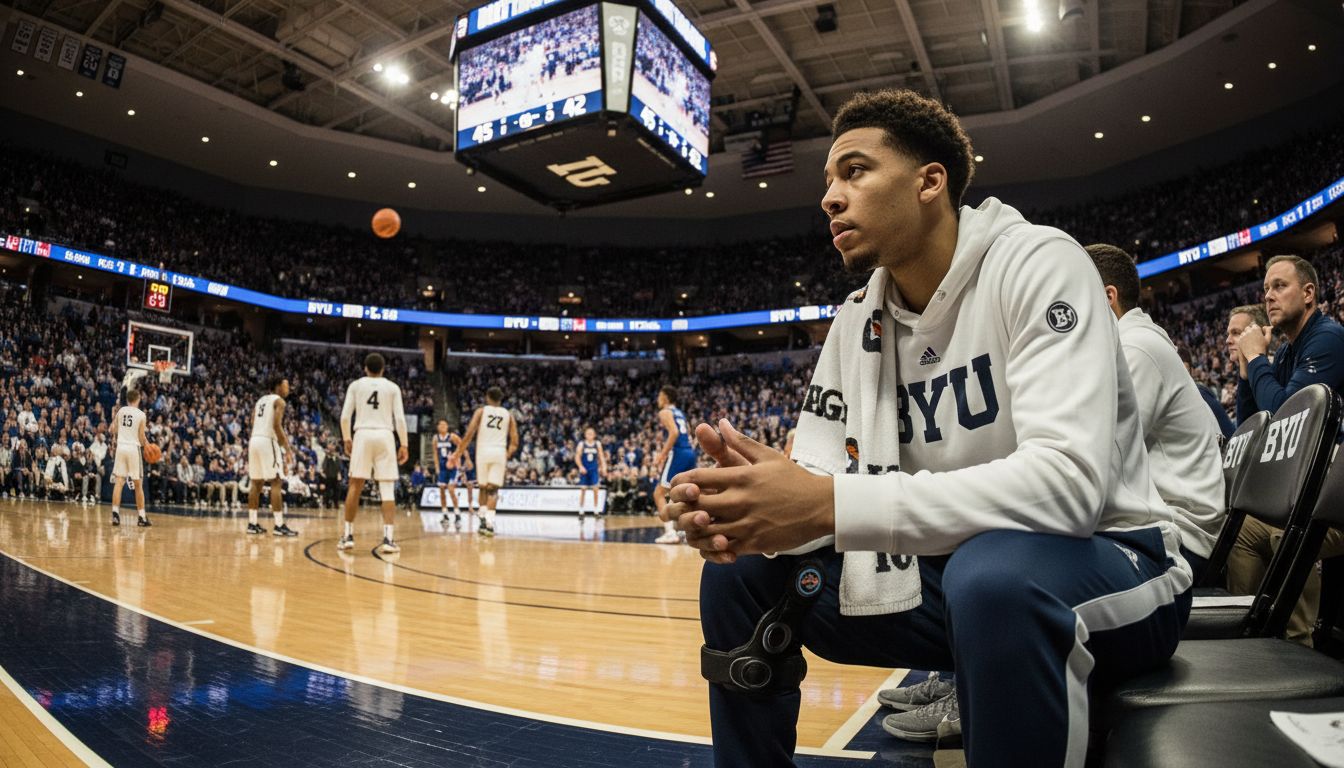
BYU walked out of Saturday’s overtime win over Colorado with a 90–86 result and a knot in its stomach. Forty-five seconds into the game, senior guard Richie Saunders planted, slipped just enough, and stayed down long enough that everyone in the gym knew this was more than a routine tweak. By Sunday, the Cougars confirmed the worst: a torn ACL that ends Saunders’ season and, effectively, his BYU career. For a program trying to steady itself in a brutal Big 12 stretch, losing the league’s reigning Most Improved Player is more than just bad luck; it’s a structural problem. You can patch over cold shooting for a night or two — you do not easily replace the guy who’s been your heartbeat on both ends for four years.
Saunders’ fall came on BYU’s first possession, a simple drive-and-kick action the Cougars have run hundreds of times. He landed awkwardly, stayed down for several minutes as trainers checked him, then walked to the locker room under his own power, which often gives players and coaches a bit of false hope. Head coach Kevin Young didn’t have an update immediately after the game, saying he was waiting on imaging and “like everybody else” hoping it wasn’t serious. That hope disappeared less than 24 hours later, when Saunders announced on Instagram that his ACL was torn and his season was over. It’s the kind of pivot from uncertainty to finality that always feels too fast for the player and too abrupt for a locker room that has to turn around and play again in a matter of days.
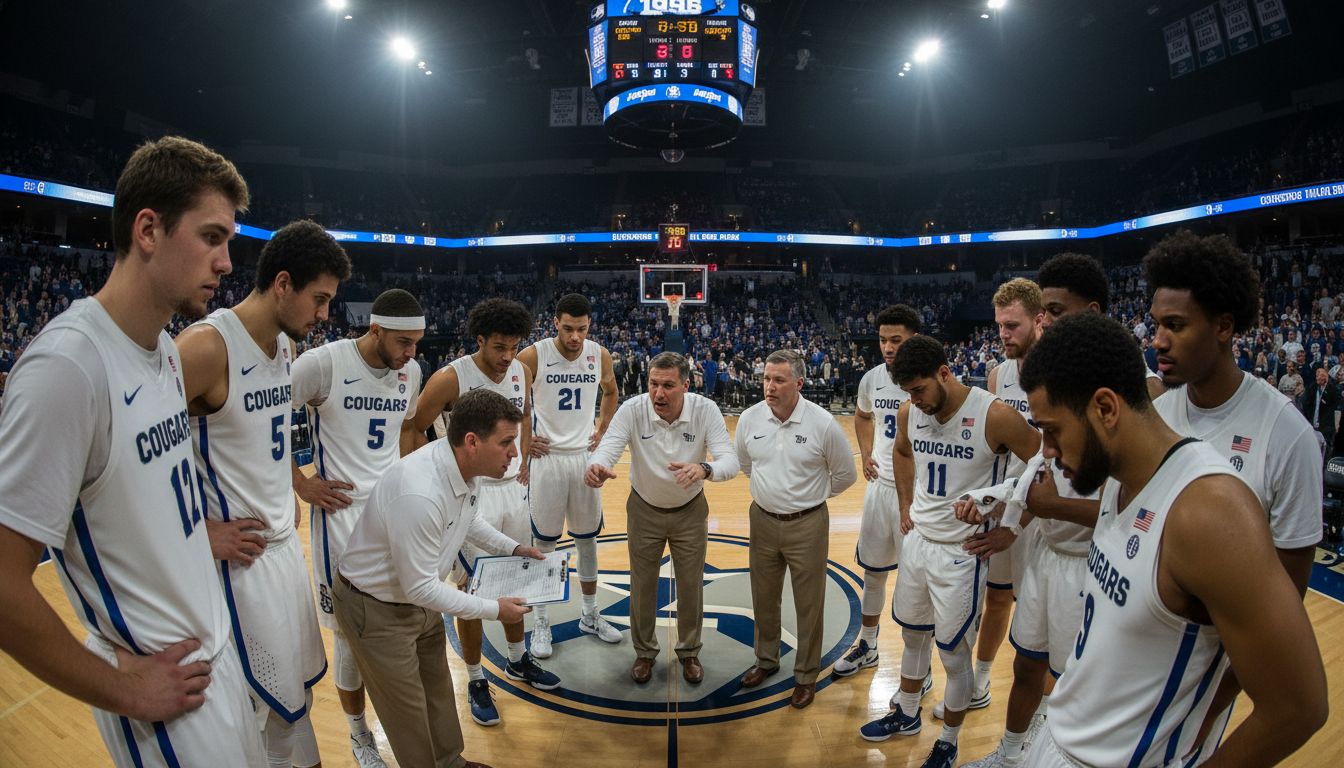
On the floor, Saunders’ loss is straightforward and brutal. He’s averaging 18.0 points per game in 25 starts, one of only two Big 12 players — along with Texas Tech’s JT Toppin — to top 1,000 points over the last two seasons. He’s also been a disruptive defender at the point of attack, averaging 1.7 steals and often drawing the toughest perimeter assignment. In a conference where every possession is a fistfight, that combination of scoring volume and defensive edge is the difference between being ranked in late February and sweating the bubble on Selection Sunday. When you strip that out of a rotation overnight, roles don’t just shift — they lurch.
BYU still has high-end firepower with AJ Dybantsa, who currently leads the nation at 24.4 points per game, and Rob Wright III at 18.7. Scoring, in other words, will not be the headline problem on most nights. The challenge is more subtle and more human: shot distribution, trust late in games, and the unglamorous possessions that never show up on a KenPom page. Saunders was often the guy who calmed a bad stretch or turned a 6–0 opponent run into a quick 5–0 answer the other way. Every coach I’ve covered will tell you there’s a world of difference between having “enough points on paper” and having the right person with the ball when the building gets loud.
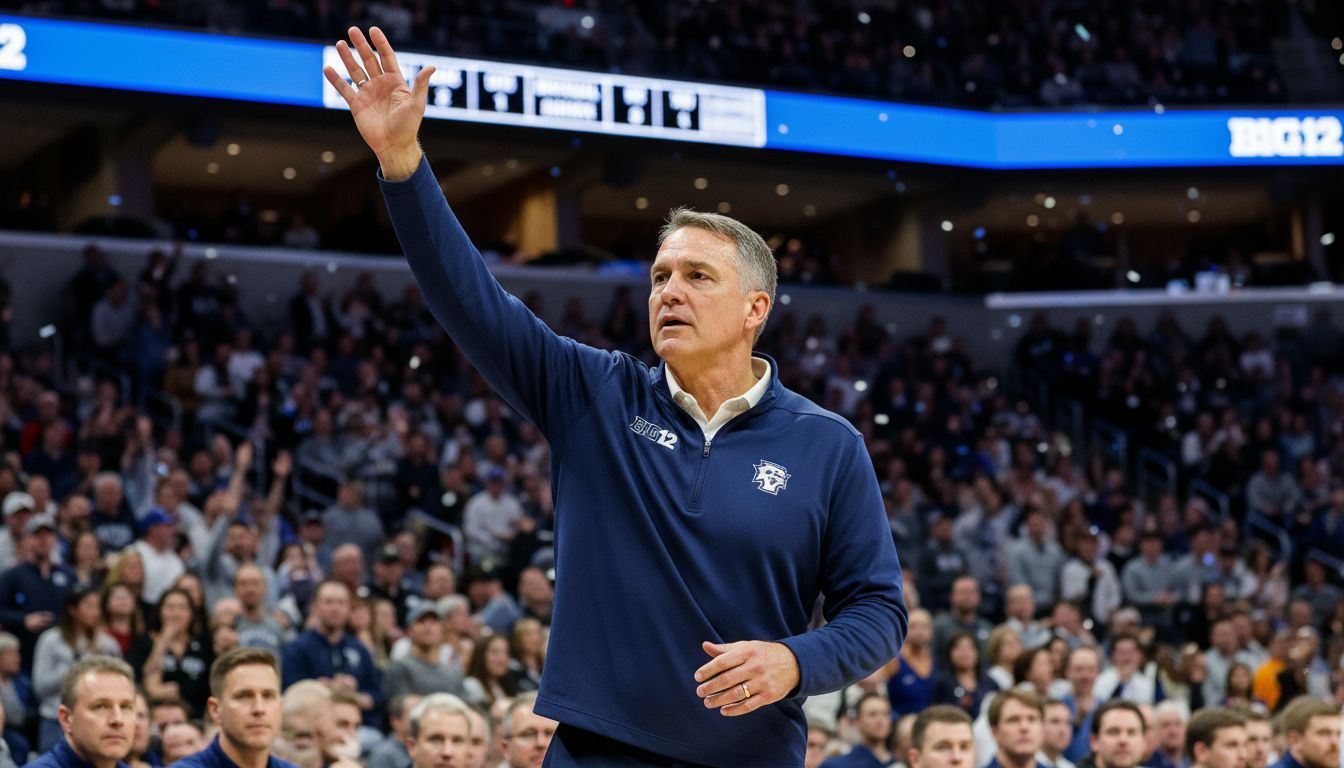
Young called Saunders “the heart and soul of our team” and admitted the injury “sucked the life out of the gym.” He’s not exaggerating there; you could see it in the body language even as BYU survived Colorado in overtime. The Cougars have already slipped from serious Final Four chatter after dropping four straight to ranked opponents, and now they face a stretch run without the player who best embodied their competitive identity. There’s a clinical way to frame this — usage rates, win shares, lineup efficiencies — and those numbers will all tell the same story: BYU’s ceiling just came down a few feet. But inside the program, it’s simpler than that; they have to figure out who they are emotionally without the guy who “bleeds BYU blue,” as Young put it.
Saunders’ own statement landed with the kind of perspective you tend to only see from seniors who’ve lived every version of college basketball — the rotations, the bench, the breakout, now the injury. He called the ending to his BYU career “heartbreaking,” but emphasized that his overall career is not done and that his goals haven’t changed. He leaned on his faith, writing that he trusts “that God is in the details” and that his next chapter starts the way he’s always lived: “Work With Faith.” You don’t have to share his religious convictions to recognize the steadiness in that posture; every program, and frankly every locker room, runs better when its older voices frame adversity that way. College sports move fast, sometimes too fast for their own good, but this is the part that still cuts through the noise — a 22-year-old absorbing a life detour in real time and refusing to let it define the ending.
From here, the schedule offers BYU zero sympathy. The first game without Saunders comes on the road at No. 1 Arizona, followed by a matchup with No. 5 Iowa State. If you were trying to design a soft landing for a roster in emotional and tactical transition, you would not draw that particular back-to-back. Young and his staff now have to remake late-game plans, defensive matchups, and substitution patterns on the fly, against two teams that punish hesitation. This is where staff dynamics matter: assistants who know which buttons to push, analytics voices who can strip out panic, and a head coach who can be honest about what just changed without letting the room sag under it.
For the players behind Saunders in the rotation, this is both an unfair ask and a familiar one in college sports. Somebody is going to see their minutes, touches, and responsibility jump overnight, and history says at least one of them will grow into the role faster than expected. But it’s important to be clear-eyed: you don’t “replace” a four-year cornerstone so much as you rearrange around the hole he leaves. BYU’s task now is to rediscover a version of itself that can survive March without leaning on the guy who did so much of the quiet work that wins tournament games. That’s the sober part of this story, beyond any bracket projections — a program recalibrating in real time after losing its internal compass.
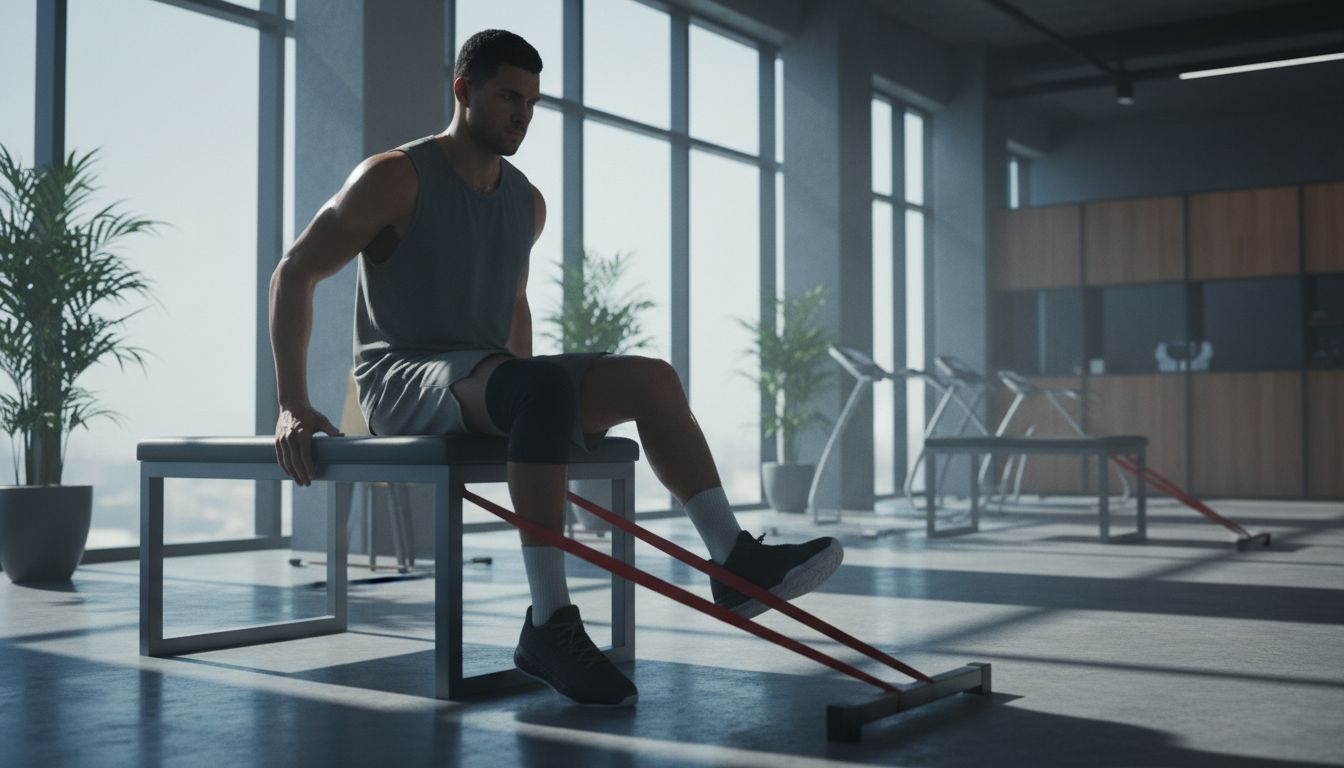
For Saunders, the story now shifts from scouting reports to rehab timetables and, eventually, whatever comes next in his playing career. A torn ACL is not the career-ender it once was, but it is still a long, lonely grind of surgery, therapy, and days when the only opponent is the clock on the wall. If his track record at BYU is any indication, he’ll attack that process the same way he defended a ball screen — with stubborn, sometimes irritating persistence for anyone in his way. In college basketball, you don’t get to script your exit; the game almost always decides for you. Saunders didn’t get the senior season ending he earned, but he did leave behind four years that clearly shaped a program — and a new standard his teammates will be chasing for the rest of this season, with or without him on the floor.