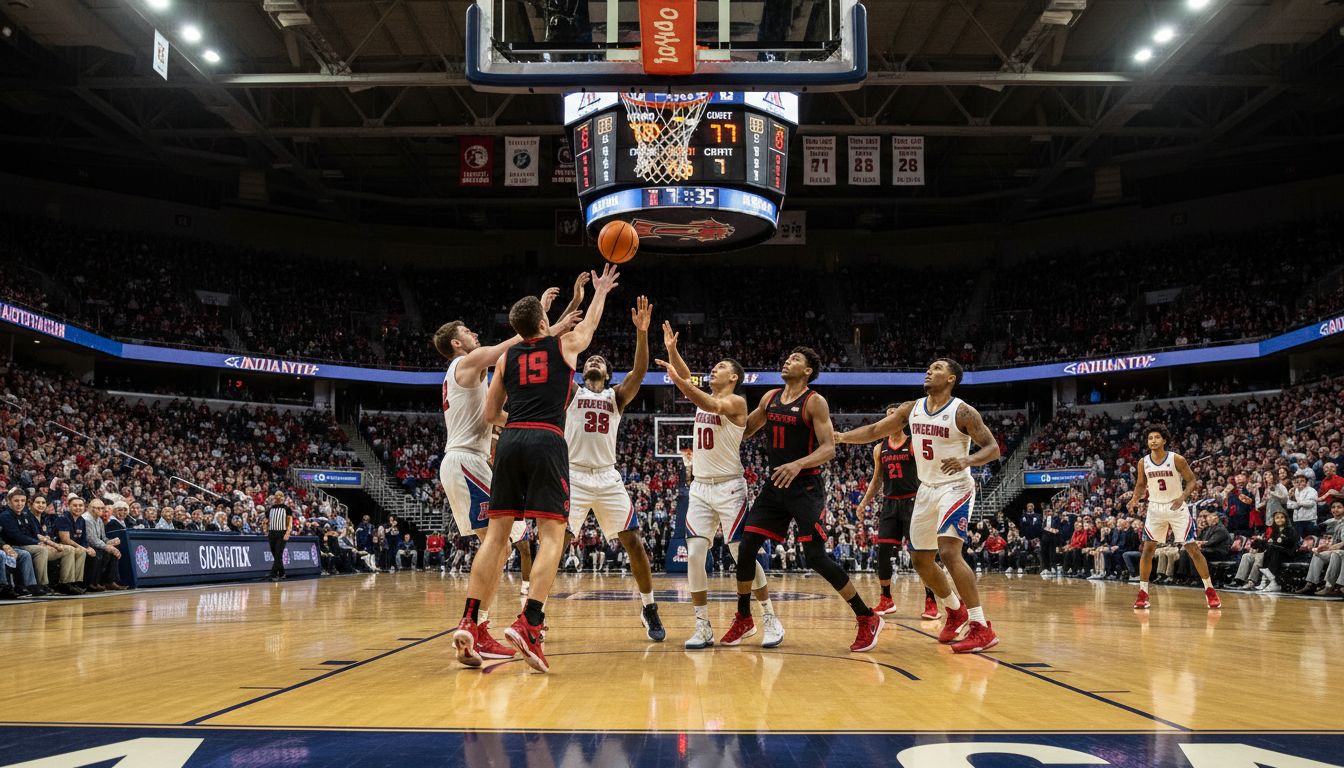
If you’ve watched enough March runs, you know seasons don’t really get defined by the easy nights; they’re shaped by what happens when everything suddenly gets hard. That’s where Arizona found itself in Tucson, dropping a 78-75 overtime heartbreaker to Texas Tech and, more importantly, losing star freshman Koa Peat for the second half with what coach Tommy Lloyd called a “lower leg deal.” For a team that opened the year 23-0 and looked like it might just cruise to a 1-seed, Saturday wasn’t just a loss, it was their first real gut check.
Koa Peat, Arizona's freshman power forward, was an early bloomer in high school, benefiting from an early growth spurt and a physical style of play. Despite initial high expectations, his ranking slipped as others caught up physically. However, Peat reasserted himself with a dominant 30-point performance against Florida to open his college career.
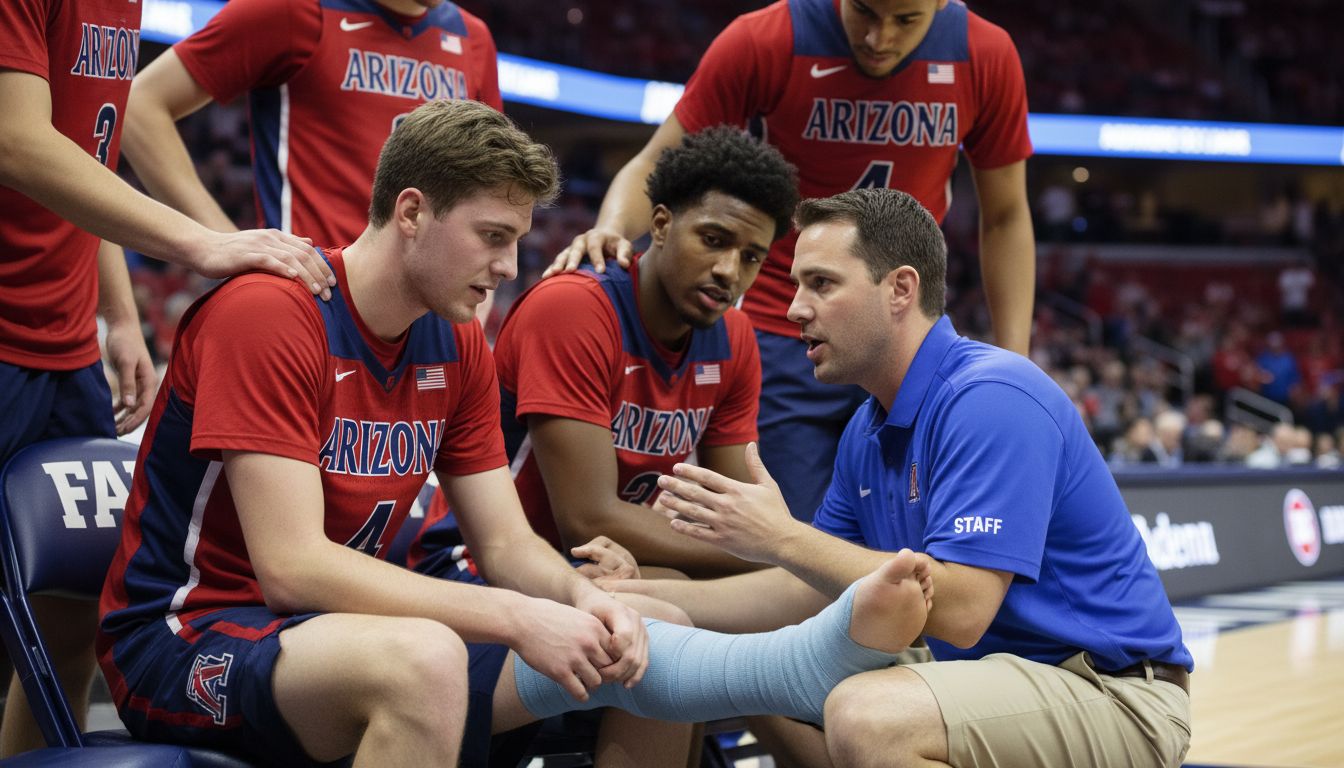
Peat's season has been marked by ups and downs, including a lower leg muscle strain in February that sidelined him for three games. Despite these challenges, Peat has found his stride in March Madness, averaging nearly 18.0 points and 7.0 rebounds through four NCAA Tournament games, helping Arizona reach the Final Four.
Lloyd was deliberately vague postgame, saying only that testing was underway and they were still figuring out the extent of the injury, which is coach-speak for: everyone’s nervous, no one’s panicking publicly yet. To Arizona’s credit, the frontcourt didn’t fold when Peat went out; it doubled down. Lloyd rolled with Tobe Awaka and Motiejus Krivas together up front, and both bigs answered the call like old-school, back-to-the-basket anchors.
With 3:29 left in regulation, it looked like they could. Thanks to timely buckets from guard Brayden Burries and more production inside from Krivas, Arizona stretched the lead to seven and had the McKale Center buzzing like the scare was over. Then the offense just… stopped.
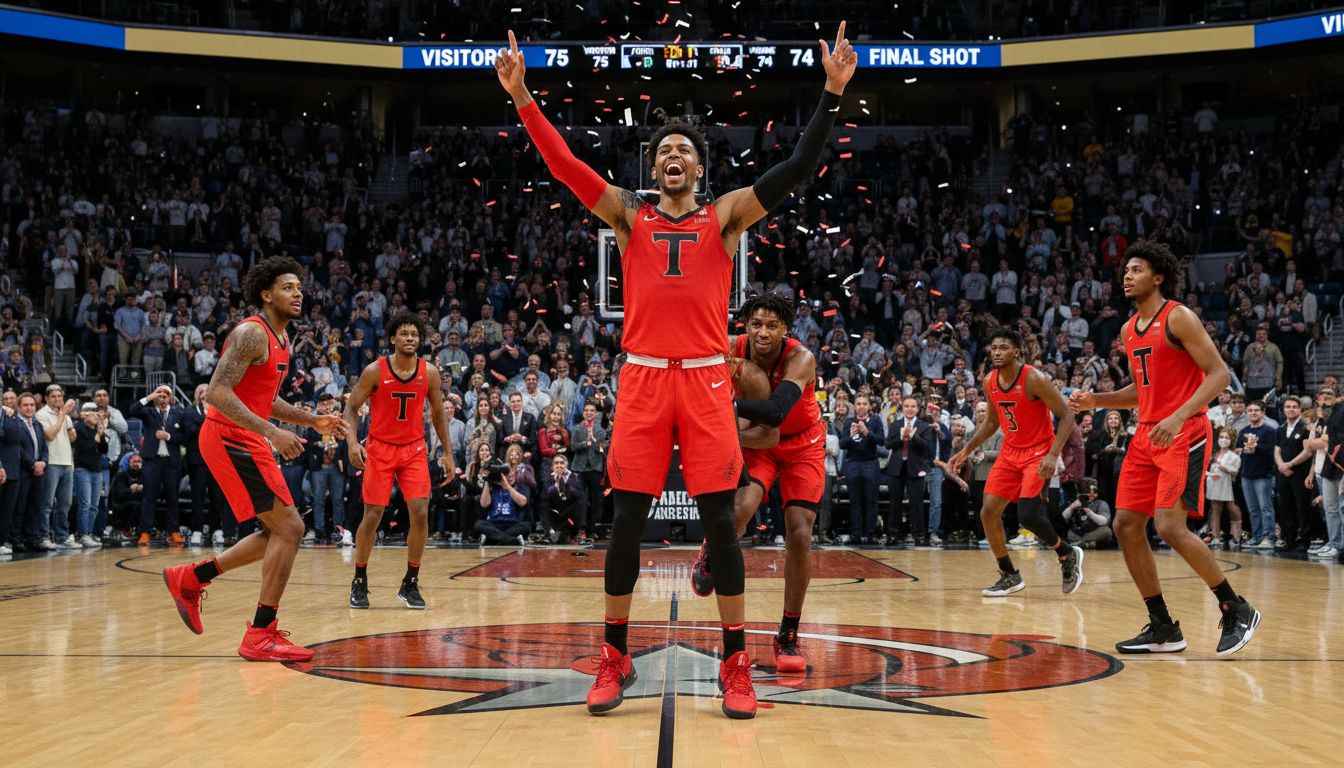
On the other sideline, Texas Tech’s stars did exactly what stars are supposed to do in those moments. JT Toppin authored one of those performances that lives in an opposing fan base’s nightmares and its own fan base’s group chats: 31 points, 13 rebounds, three assists and, incredibly, zero turnovers against the nation’s No. 1 team.
If you zoom out a bit, this win doesn’t come out of nowhere for the Red Raiders; it rounds out what might be the best high-end résumé in the country right now. They’ve already beaten Duke at Madison Square Garden — never an easy stage, even if some of us in Big East country still see the Garden as our living room — and they’ve taken down Houston at home.
For Arizona, though, the context matters just as much as the final score. This wasn’t a random off night in January; it was their second straight loss after that 23-0 start, following a defeat at Kansas that finally put a dent in their aura of invincibility.
That’s where this story intersects with the broader era we’re living in, with NIL money, pro projections and conference realignment all swirling around what used to be a simpler three-week March fairy tale. If you’re Lloyd and Arizona’s staff, you’re balancing competitive instinct with player-first responsibility: how quickly do you push a potential first-rounder back, especially when your program’s brand is now built as much on sending guys to the league as hanging banners?
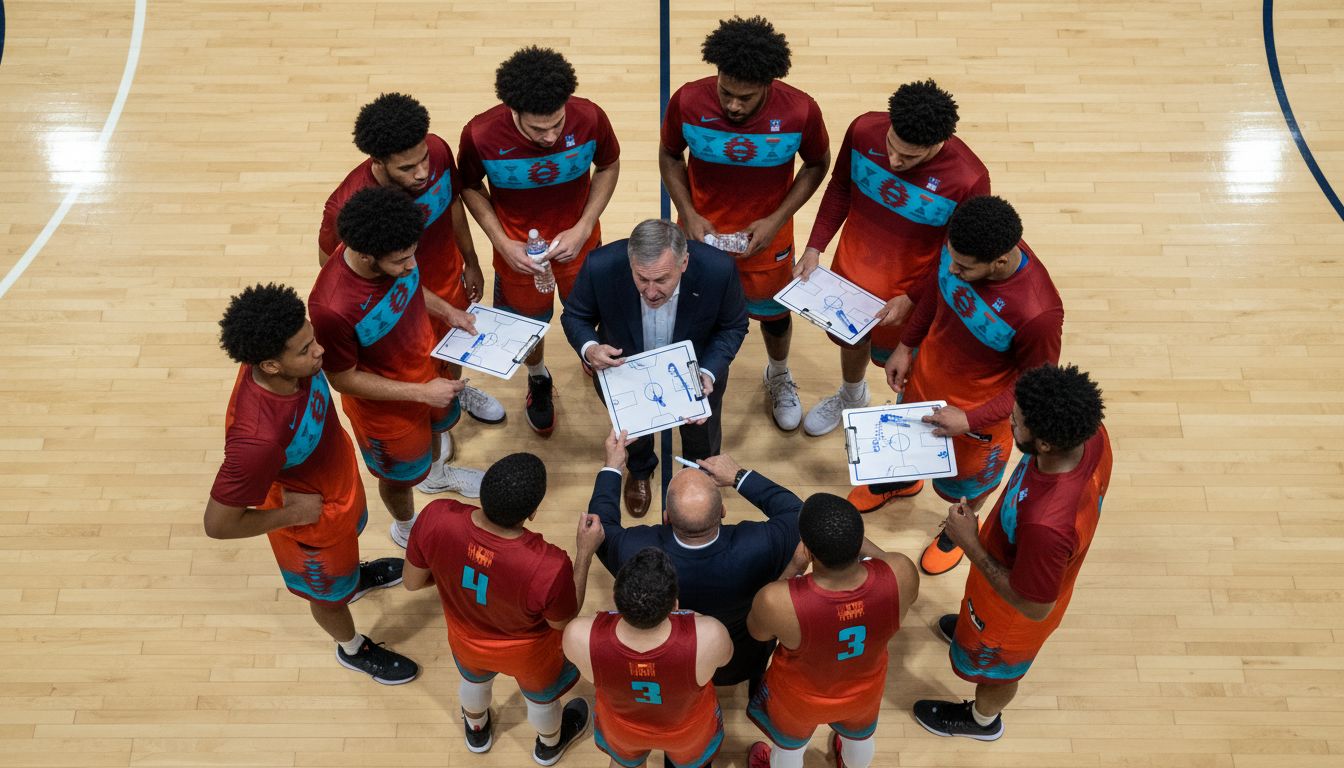
In the short term, the Wildcats’ path is pretty straightforward, even if it’s not easy: find a late-game offensive rhythm without leaning on Peat as a security blanket, keep developing Awaka and Krivas as reliable interior anchors, and turn this two-game skid into the kind of adversity that tightens a locker room instead of fracturing it.