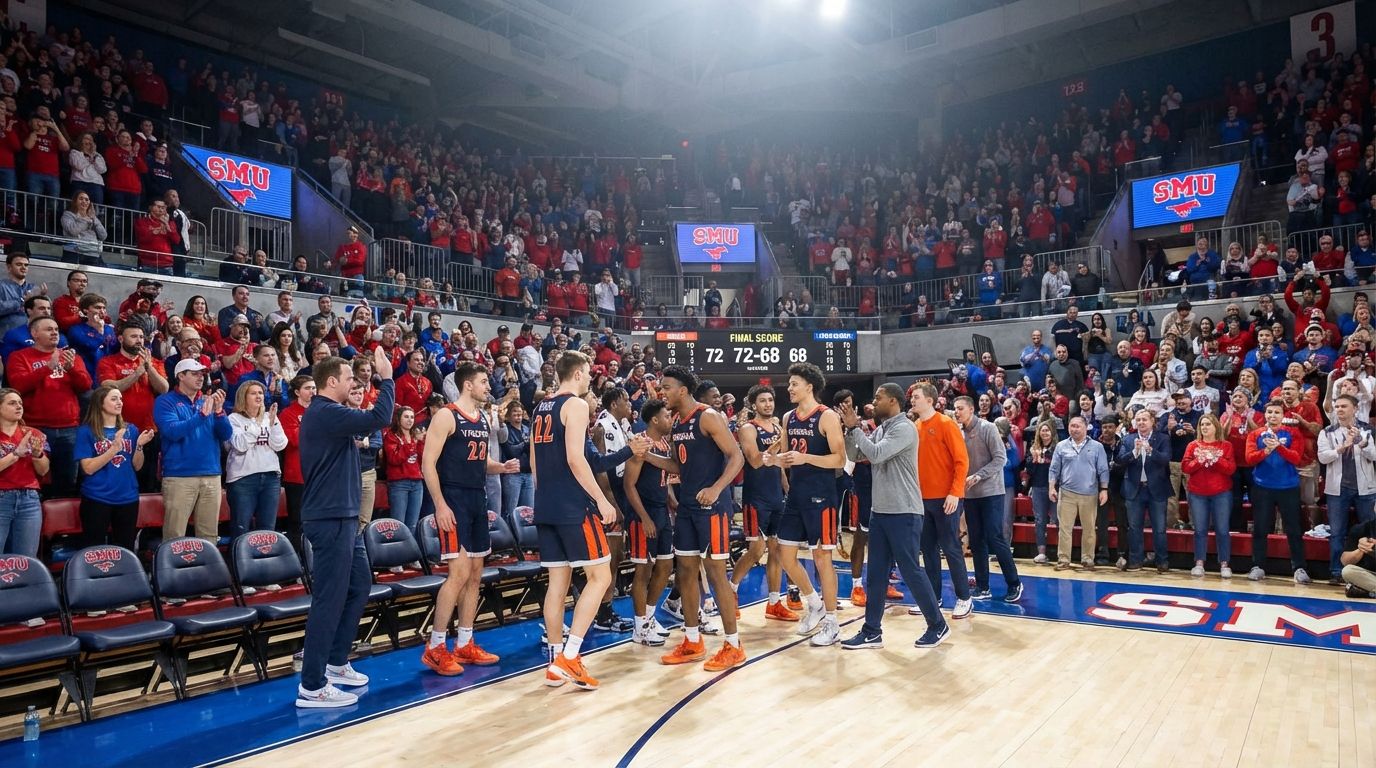
Virginia didn’t sneak up on the ACC so much as walk right in the front door and sit at the head of the table. With a 72-68 road win at SMU, the Cavaliers picked up a fourth true road victory and, more importantly, a convincing piece of evidence that their hot start isn’t a scheduling illusion. At 16-2 overall and 5-1 in the ACC, this is no fringe top-25 team playing over its head for a month; it’s a fully formed contender that looks built to last into the second weekend of March and beyond. A year removed from Tony Bennett’s abrupt retirement and an ugly tumble outside the KenPom top 100, Virginia has pivoted from reset mode to problem mode for everyone else in the league. You don’t see that kind of turnaround very often without chaos behind the scenes, and the most telling part of this story is how little drama there’s been.
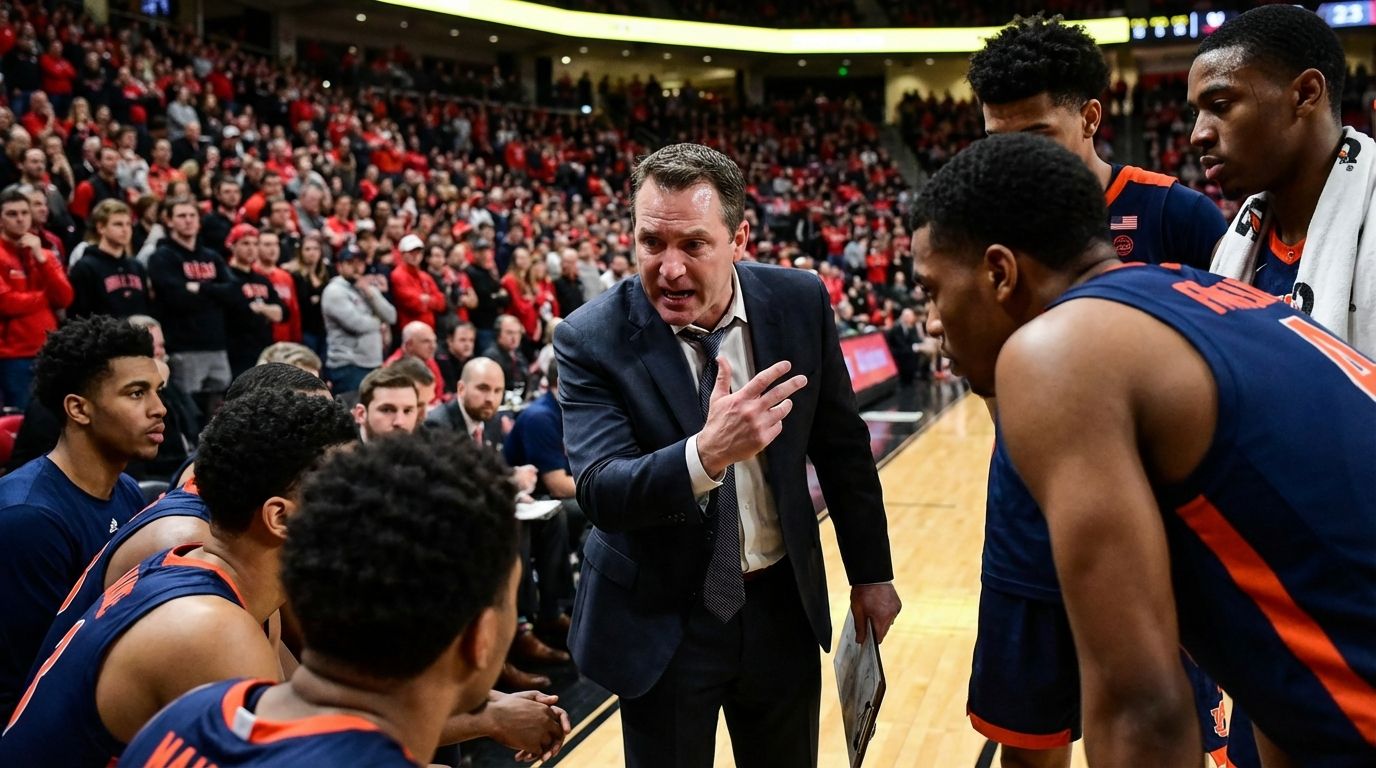
First-year head coach Ryan Odom isn’t in the business of victory laps, but his work so far is the backbone of this resurgence. He inherited a proud program coming off its worst analytical season since 2009, minus the Hall of Famer who defined its identity, and somehow has it playing like a top-15 outfit on both ends of the floor. That’s not culture magically carrying over; that’s a staff getting buy-in, organizing roles, and finding players who fit what they want to be. The Cavaliers’ calling card this year is balance: the offense sits inside the national top 15, the defense hovers in the top 20, and neither feels inflated by soft opposition. They’ve traveled, they’ve taken punches, and they’ve answered in the two places coaches care most about in January: the glass and late-game possessions.
The SMU game checked every box you look for when you’re trying to figure out whether a team is for real or just fun. The Mustangs rolled in bigger and bouncier, fresh off showing they could trade blows with Duke’s blue-chip frontcourt, and yet it was Virginia that owned the backboard. Sixteen offensive rebounds on the road isn’t an accident; that’s a group committing to the least glamorous part of the sport and winning there anyway. In late-clock situations, there was no flinch: the Cavaliers stayed organized, ran what they wanted, and went 4-for-4 at the foul line when the building got loud. If you cover this sport long enough, you learn to trust teams that know exactly who’s supposed to have the ball when the game shrinks.
Personnel-wise, this roster looks less like a rebuild and more like a front-office clinic in how to use the portal with a plan. San Francisco transfer Malik Thomas and Belgian forward Thijs De Ridder have moved from intriguing summer hypotheticals to the engine of the operation. Both required patience and paperwork before they were cleared, and both repaid it in Dallas: Thomas poured in 23 points with six threes and 11 rebounds, while De Ridder added 17 and six boards of his own. Coaches love to talk about ‘No. 1 and 1A’ options; Virginia actually has them, and they’re unselfish enough that the labels don’t seem to matter inside the locker room. Around them, the supporting cast looks like it was built with a whiteboard and a highlighter: shooting, length, and a healthy disregard for stat lines.
Toledo transfer Sam Lewis brings size and touch on the perimeter, stretching defenses just enough to open driving lanes and post seals. BYU veteran Dallin Hall went 0-for-the-floor at SMU and still controlled long stretches of the game by dishing out nine assists and keeping the offense on schedule. That’s the kind of point guard performance that coaches quietly rave about and box-score scouts flat-out miss. Off the bench, UC Irvine product Devin Tillis splashed three threes on his way to 11 points, while Ugonna Onyenso, once written off in bigger-name stops, gave them nine points and a rim-protecting presence in 17 energetic minutes. Freshman Johann Grunloh joined him in choking off SMU at the cup, helping hold the Mustangs to 6-of-14 shooting at the rim, while lightning-quick guard Chance Mallory changes the temperature of the game the second he steps on the floor.
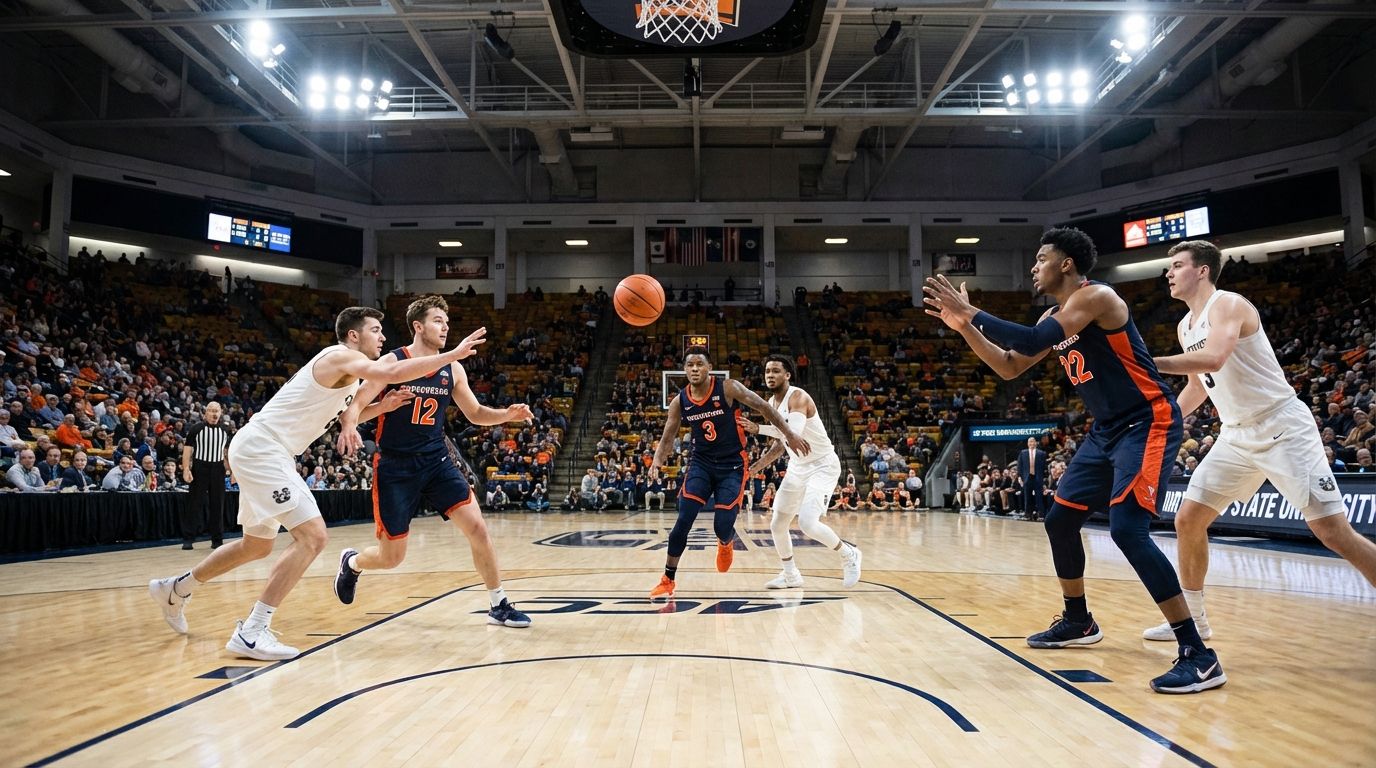
When you put it all together, you get a roster that can stretch you out with four bigs who shoot, then turn around and guard the paint with the same group. You get five guards who can handle, pass, and space the floor without turning every possession into a solo act. That combination is how a program once branded as grind-it-out and defense-first now sits with the nation’s No. 14 offense and No. 17 defense, according to the efficiency numbers. The film backs it up: the ball finds the second and third sides, the close-outs are disciplined, and there’s very little of the “your turn, my turn” basketball that shows up when talent doesn’t quite fit together. Coaches talk about connectivity; Virginia is living it, and it shows in how rarely they panic.
The computers have noticed, which matters a little less in January than it will on Selection Sunday—but it still matters. Virginia has climbed from No. 59 to No. 14 in KenPom, a jump that doesn’t happen unless you’re beating solid teams and doing it in repeatable ways. The new Wins Above Bubble metric, which the selection committee now sees on its team sheets, loves the Cavaliers even more after this week’s work. Road wins at Texas, NC State, Louisville, and now SMU have stacked roughly +1.5 WAB in a matter of days, nudging Virginia into what should be top-15 company nationally on that front as well. If you’re trying to separate noise from signal in midseason résumés, that combination of predictive metrics and road scalps is usually your best friend.
Inside the ACC, the conversation has quietly shifted. It’s Virginia—not North Carolina—that looks most like Duke’s primary rival at the top of the league right now, and there’s a plausible world where the Cavaliers have the better March runway, too. That’s less about banners and brand names than about how this particular team travels, how it guards, and how many ways it can solve a problem over 40 minutes. No one’s handing out trophies for being “Duke’s scariest challenger” in January, but it’s a fair way to frame what Virginia has become: the team you really don’t want to see in your bracket’s second weekend. After last season’s dip and a coaching change, the more significant headline might be simpler than all of that: Virginia basketball is back, and this time it doesn’t need to tell you—it’s showing you every time it leaves town.