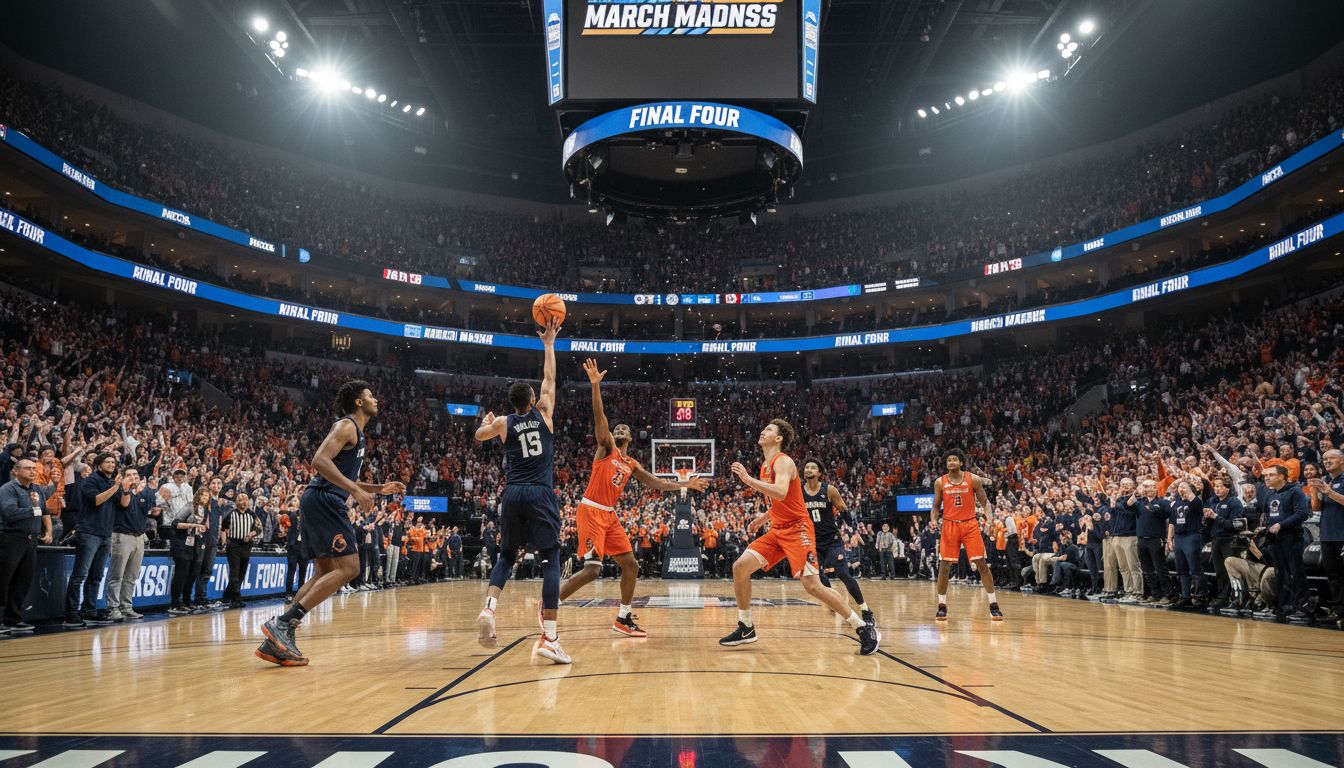
The box scores will say Sunday was about upsets, shooting percentages and one conference flexing on another, but anyone who’s watched this sport long enough knows March is always a referendum on power. The Big Ten’s surge to six Sweet 16 bids, the ACC’s stumbles, and Florida’s collapse under the weight of a No. 1 seed aren’t just random swings of fortune; they’re snapshots of how resources, coaching hires and institutional decisions are paying off — or not. From Iowa’s surgical takedown of a more talented Florida roster to Duke standing alone as the ACC’s last survivor, this weekend drew clearer lines between programs that are building sustainable, accountable cultures and those still leaning on reputation and payroll. We didn’t get a bribery scandal on the front page or a booster caught on tape, but if you look closely at who advanced and who went home, you can see where leverage, NIL dollars and administrative choices quietly showed up in the final score. That’s the thing about March: it exposes the gap between the slogans athletic departments love and the reality they’ve actually built.
Start with the Big Ten, which hasn’t won a national title since Michigan State cut down the nets in 2000 and has worn that drought like a scarlet letter. This year, the league pushed six teams into the Sweet 16 — Illinois, Purdue, Michigan, Michigan State, Nebraska and the shock of the bracket, Iowa — and finally looks less like an overfunded underachiever and more like a conference that understands guard play, spacing and modern offense. The numbers back it up: no league posted a higher effective field goal percentage than the Big Ten this season, and that efficiency translated under the brightest lights. When a conference’s guards dictate tempo and create clean looks, that’s not just talent; it’s a sign that programs are hiring the right people, trusting modern schemes and giving players real agency instead of running offense like it’s still 1998. If the Big Ten finally breaks through to a title, the narrative will focus on redemption, but the real story is quieter — a slow, overdue correction in how the league allocates power on the floor and in the film room.
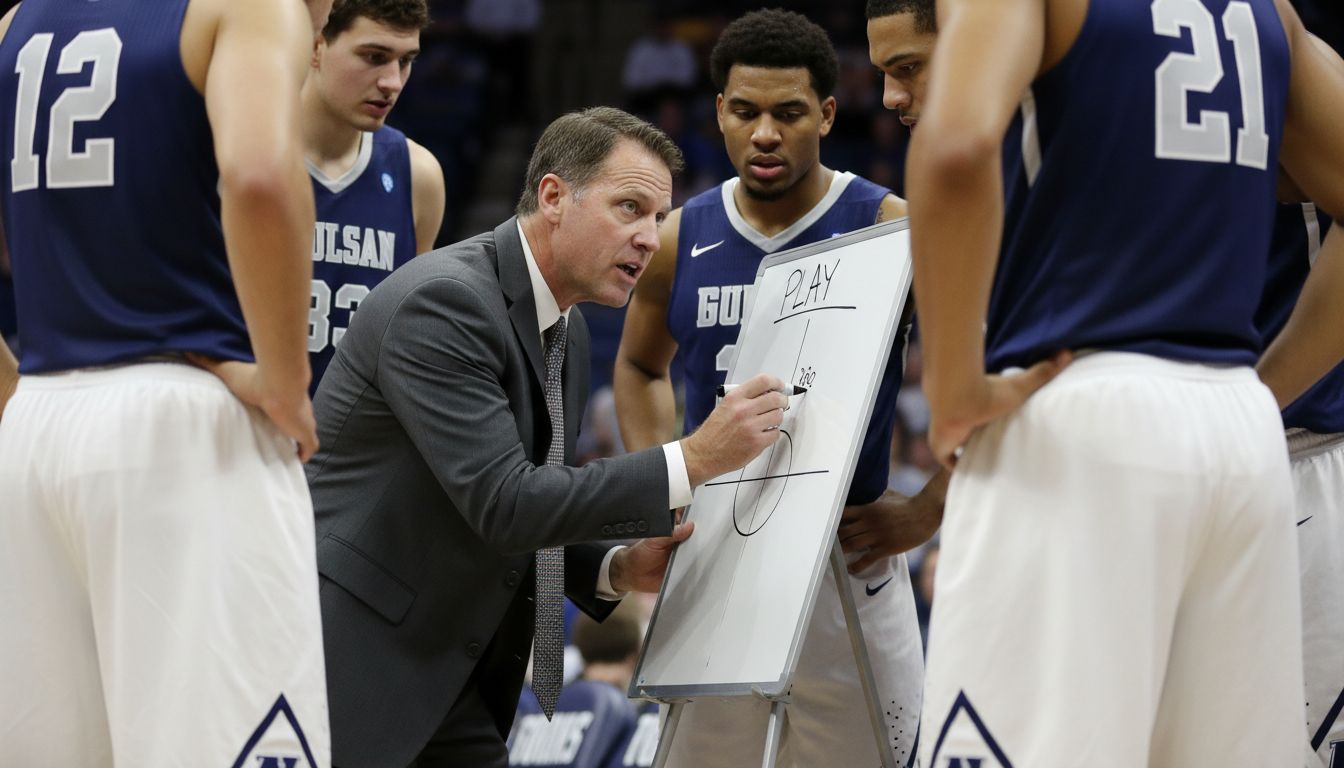
No story captured that better than Iowa’s 73-72 stun of top-seeded Florida, a game that turned Florida’s talent advantage into an indictment of complacency. On paper, Florida’s roster was bigger, deeper and more athletic, the kind of group that makes athletic directors feel vindicated about every fundraising call they ever made. On the court, Iowa treated them like a puzzle to be solved, hunting matchups, twisting the Gators’ defense into a pretzel, and shredding what had been one of the sport’s elite interior defenses by shooting over 70% on two-point attempts. Alvaro Folgueiras’ game-winning three in the final seconds was the clip that went viral, but the more honest highlight was 40 minutes of a so-called underdog refusing to be intimidated by payroll or pedigree. Florida’s season — SEC champions, No. 1 seed, then going home in the second round — wasn’t a failure, but it was a reminder that talent without accountability on the defensive end will eventually be exposed.
Iowa’s side of the story is quieter but more instructive: a program that nailed its coaching hire while a handful of other Big Ten schools played roulette in the 2025 carousel. Ben McCollum arrived with a gaudy win percentage and the reputation of a coach who makes systems, not excuses, and his first March run with the Hawkeyes is already validating that reputation. You don’t drag a less talented roster past the defending national champions by leaning on belief alone; you do it by teaching, scouting and holding players to standards that don’t bend just because the opponent’s jersey has more stars next to it on a recruiting site. In a sport where buyouts balloon and coaches are often shielded from consequence by friendly boards and grateful boosters, Iowa’s swift return to relevance is a small but welcome case study in hiring for substance instead of pedigree. McCollum doesn’t erase the sport’s structural inequities, but this run is a useful reminder that good process still matters, even in an era when NIL collectives can paper over a lot of bad decisions.
On the other side of the ledger sits the ACC, a league that sent eight teams to the tournament and has just one — Duke — still standing. Taken in isolation, this year’s 1-for-8 weekend looks ugly, and it is, but zoom out and it’s part of a complicated rebuild for a conference that has watched its once-automatic relevance erode. There are better coaches in ACC chairs than there were a few years ago, more investment in analytics and development, and more willingness to challenge old assumptions, but that kind of cultural renovation rarely shows up on the first try in March. Virginia’s 79-72 loss to Tennessee was a hard landing for a program that still prides itself on discipline and defense, and Miami’s 79-69 defeat to Purdue underlined how quickly even a well-coached team can drown when the opponent’s offensive ecosystem is fully modern. So yes, if you’re keeping score strictly by Sweet 16 bids, the ACC lost the weekend badly, but the more relevant question for this league is whether its powerbrokers are willing to keep making hard choices when the early results don’t flatter them.
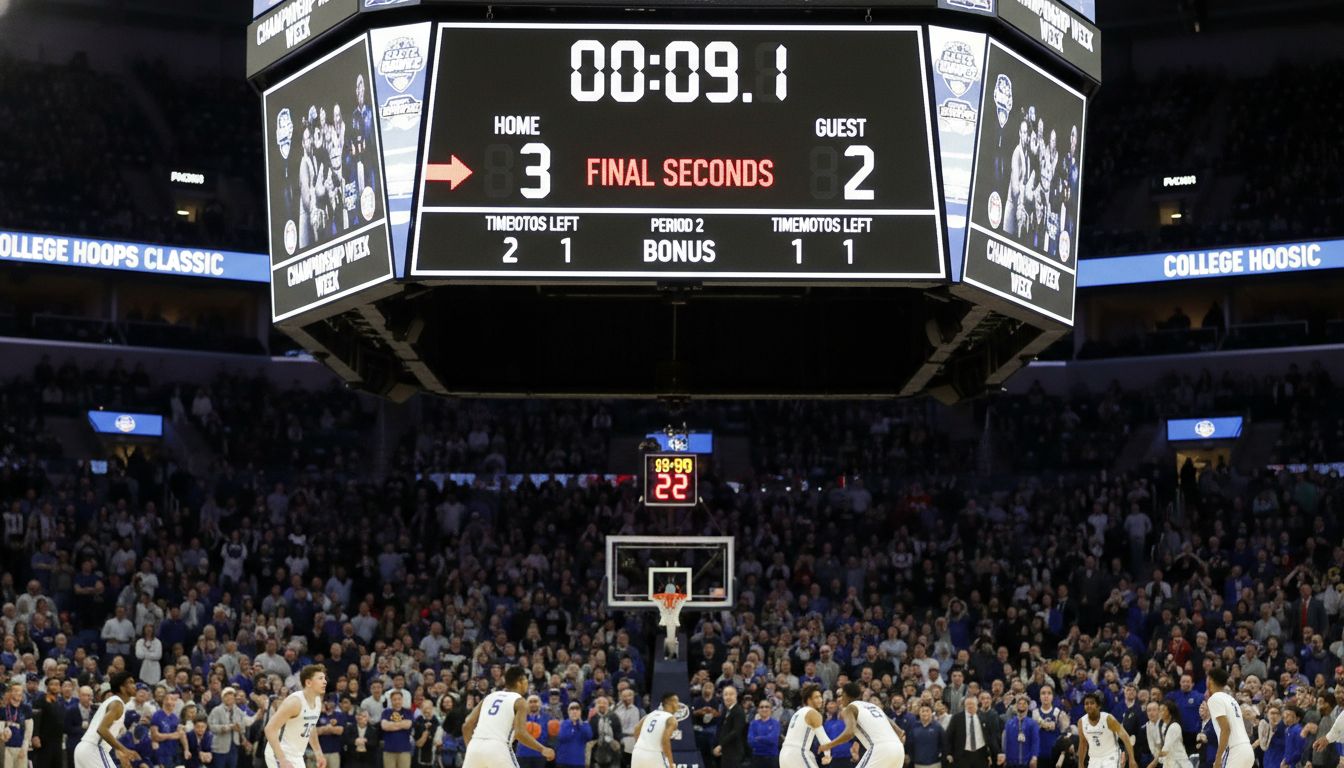
Duke, of course, remains the outlier, advancing as the No. 1 overall seed and now drawing a St. John’s team that just proved how fragile hierarchy is in this tournament. Kansas learned that lesson the hardest way when it let Dylan Darling, scoreless and 0-for-5 to that point, walk straight into the lane for a buzzer-beating layup that sent the Red Storm to their first Sweet 16 since 1999. Kansas’ defenders gave him the kind of cushion you usually see when everyone on the floor assumes someone else will take responsibility — a fitting visual metaphor for what happens when a program leans too heavily on its brand to close out close games. Darling’s decision to keep the ball, despite his rough night, was the flip side of that dynamic: a player empowered to own the moment, not defer to the box score or the crowd’s anxiety. In a sport where trust is often marketed but not always practiced, that possession was a rare, clean look at what happens when a coaching staff actually backs its players’ judgment.
Purdue’s 79-69 win over Miami was less dramatic but no less revealing about how layered, accountable offense can grind down a game plan. With Trey Kaufman-Renn and Oscar Cluff pounding away inside and Fletcher Loyer and C.J. Cox combining to hit seven of eight from deep, Miami spent the afternoon choosing which corner of the house to let burn. Braden Smith shot just three of 12 from the floor, but his eight assists told the more important story: a point guard entrusted to run the show even on an off shooting night, and teammates prepared to reward that trust by finishing plays cleanly. When a team can survive its star’s inefficiency because everyone else is both ready and expected to shoulder the load, that’s not just depth; that’s a culture that doesn’t allow one player’s struggles to become everyone’s excuse. Defending Purdue on a night like that isn’t just pick your poison, it’s a reminder that accountability on offense is every bit as real as accountability on defense — and just as punishing when it’s missing.
If you want a case study in how expectations, money and pressure can collide, look at Kentucky’s 82-63 loss to Iowa State, which came less than 48 hours after the Wildcats’ emotional win over Santa Clara. Kentucky entered the year with a roster reportedly worth over $20 million in NIL valuations and the usual cloud of lofty preseason expectations, but it walked off the floor as one of the sport’s biggest disappointments, undone by turnovers and inconsistency. Iowa State, missing star Joshua Jefferson after an ankle injury, played like the team with everything to lose, blowing up Kentucky’s actions with defense that bordered on personal, forcing 20 turnovers and holding the Wildcats to 0.91 points per possession. That kind of effort doesn’t happen by accident; it comes from a program that has decided its identity isn’t for sale, no matter how gaudy the opponent’s roster valuation might be. Kentucky will spend the offseason answering familiar questions about what it wants to be beyond a destination for talent, while Iowa State heads into the Sweet 16 looking very much like a program that already knows.
Tennessee’s 79-72 win over Virginia to secure a fourth straight Sweet 16, and a shot at a third straight Elite Eight, offered a different version of the same theme: stability, when it’s built honestly, is still a competitive advantage. Before Rick Barnes arrived, Tennessee had reached just one Elite Eight in its history; now, in his 11th season, the Volunteers are on an unprecedented run that even his successful Texas years never quite matched. This is what it looks like when a program and a coach actually grow together instead of papering over each other’s weaknesses with slogans and short-term fixes. The Barnes-Tennessee partnership began when both sides needed a reboot, and instead of chasing shortcuts, they settled into something less glamorous but more durable: incremental improvement, defensive identity, and player development that doesn’t depend on the transfer portal lottery. In a month obsessed with instant gratification, Tennessee is a reminder that sometimes the most radical move a program can make is to commit, quietly and stubbornly, to doing things the hard way.
None of this erases the sport’s larger structural problems — the opaque flow of NIL money, coaching contracts that seem allergic to basic accountability, and a postseason that makes hundreds of millions while the athletes still navigate a patchwork of rights and protections. But March does something useful every year: it briefly strips away the marketing gloss and leaves us alone with the product that all that money, leverage and decision-making has produced. This Sweet 16 field, from Iowa’s audacity to Kentucky’s unraveling, doesn’t provide a morality play so much as a progress report on which programs are aligning their rhetoric with reality. The wins aren’t proof of virtue, and the losses aren’t evidence of corruption, but the patterns — who’s evolving, who’s coasting, who’s quietly building something that will outlast this cycle’s headlines — are worth paying attention to. If you’re willing to look past the confetti and the bracket memes, what you see this year is simple: the teams thriving in March are the ones treating power like a responsibility, not a perk, and in a sport that has long muddied that distinction, that’s at least a start.