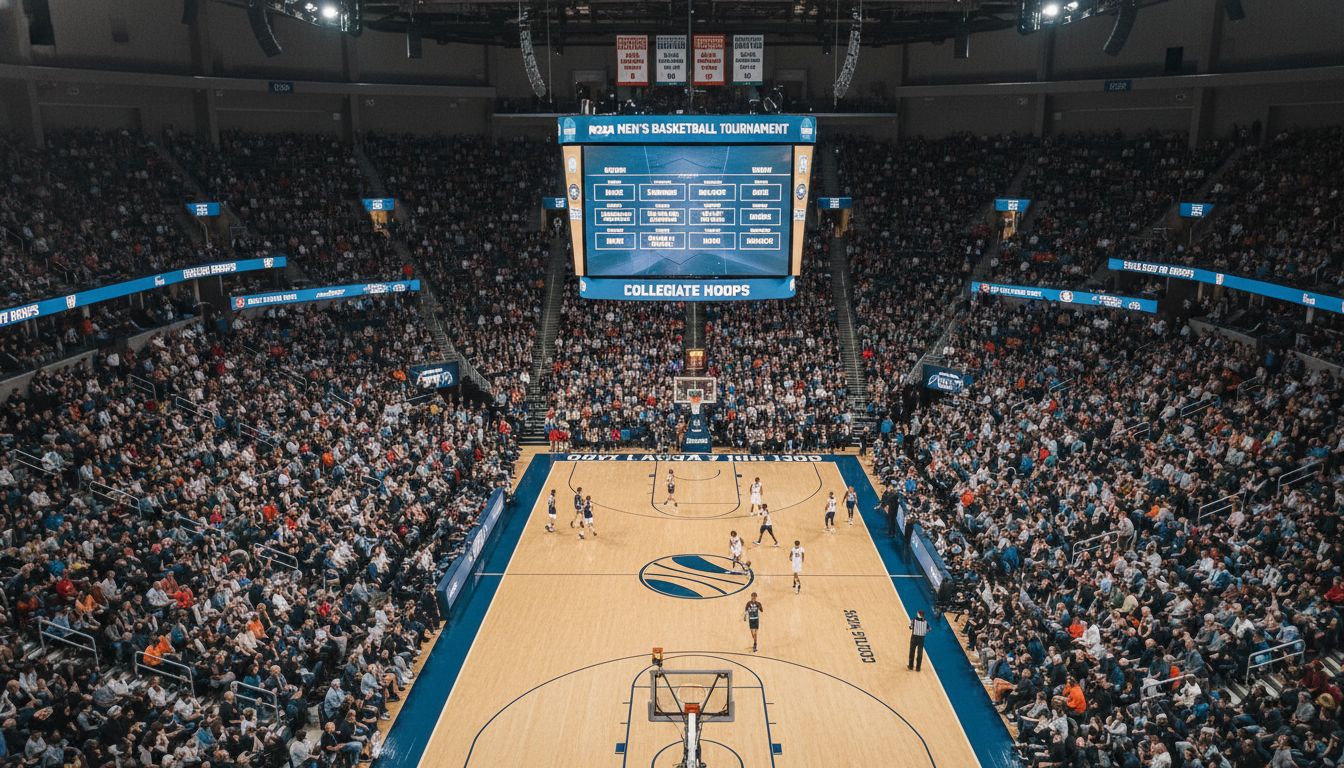
If you’ve filled out a bracket long enough, you learn two things quickly: the big brands usually matter, and one mid-major you barely watched in January is going to ruin your Saturday. This 2026 men’s NCAA field has plenty of both.
At the top, you have the usual suspects with real national-title ceilings — Duke, Arizona, Michigan, Florida, UConn and Houston among them — and below them a layered mix of veteran mid-majors, injury-shaken powers and coaches trying to prove their last big run wasn’t a one-off.
The committee gave us a bracket that rewards depth and punishes soft schedules, but it also quietly sided with star power; from Cameron Boozer at Duke to AJ Dybantsa at BYU, there’s no shortage of future lottery picks. So instead of running through 68 teams alphabetically, let’s talk about how this field actually fits together — who can win it, who can bust it open, and which stories are worth your time once the first tip goes up.
Start with Duke, the overall No. 1 seed and the cleanest championship profile on the board. Cameron Boozer isn’t just another hyped freshman; he’s putting up 22.7 points, 10.2 rebounds and 41% from three while tracking toward the best KenPom offensive rating since the site started keeping that number.
The ACC story doesn’t stop in Durham. Louisville, North Carolina, Miami and NC State all arrive with different kinds of baggage, and SMU shows up as the new league neighbor already behaving like it belongs.
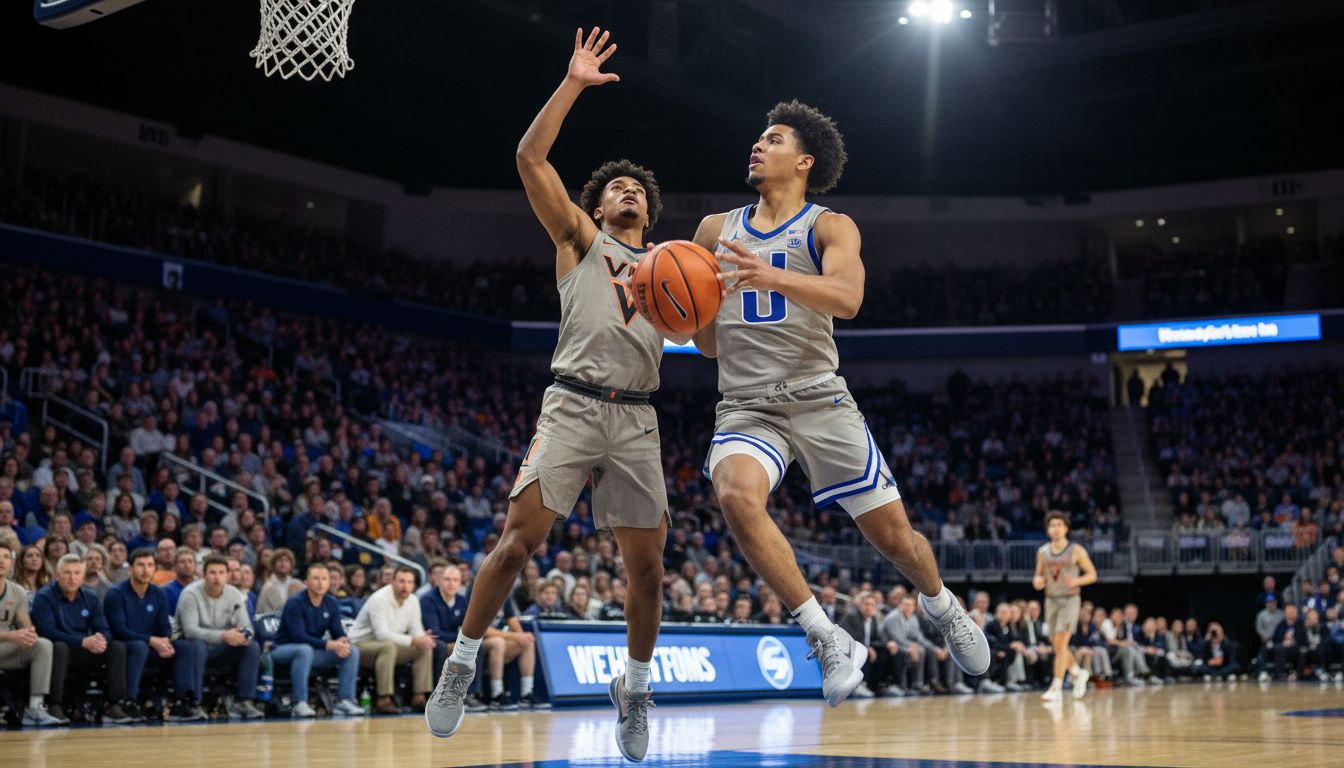
Virginia, meanwhile, looks nothing like its old Tony Bennett form, but the result under Ryan Odom is similar: elite defense, heavy reliance on the three-point line and a deep rotation that hits the glass. With seven players averaging at least 8.3 points and a top-10 offensive rebounding rate, the Cavaliers don’t have one headline star, but they look exactly like the kind of team that makes the second weekend by committee.
Nebraska has been on a remarkable run, boasting a 23-game winning streak, the longest in the nation, and achieving their highest AP ranking in history at No. 7. Their transformation from missing their own conference tournament to becoming a top contender is a testament to their new roster and newfound confidence.
Miami (Ohio) is another team making waves with a 20-0 start, the best in the history of the Mid-American Conference. Despite narrow escapes and questions about their tournament inclusion, their resilience and offensive prowess make them a team to watch.
Zoom out, and you see a tournament shaped by coaches just as much as players. Duke’s Jon Scheyer is trying to show that last season’s success with Cooper Flagg wasn’t a one-man mirage. Dan Hurley is chasing Wooden-level history at UConn with a third title in four years.

On the national-title front, the 1- and 2-lines are crowded with plausible champions beyond Duke and UConn. Arizona has the most balanced roster in the field.
The beauty of this field is that the drama doesn’t wait for the later rounds. You have mid-majors with real teeth: High Point turning people over on 22% of possessions, Akron firing threes at a top-15 national clip, and Miami (Ohio) arriving with an at-large bid and a 31-0 regular season on its résumé.
The 2026 tournament welcomes several teams with long-awaited returns, such as Idaho, Tennessee State, and Santa Clara, each returning after decades of absence. Miami (Ohio) arrives with a 31-0 regular season, and the committee's decision to include them despite a loss in their conference tournament was closely watched.