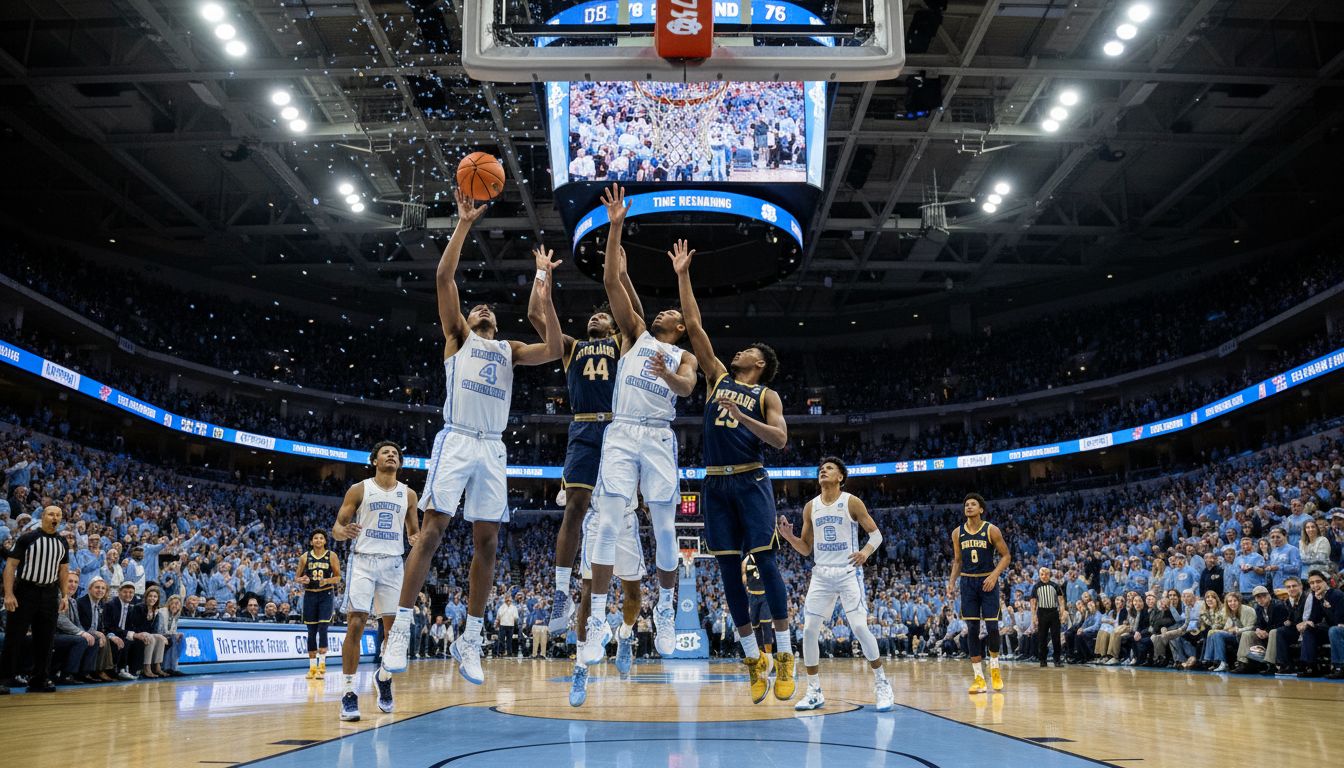
Let’s start with the basic setup before we light anything on fire. North Carolina comes into this one at 14-4, 2-3 in the ACC, very much in that "good team, bad month" zone after dropping three of four. Notre Dame is 10-8, 1-4 in the league, riding a four-game losing streak and giving off strong "please don’t put this on national TV" energy. The books have UNC as a 13.5-point favorite at home in Chapel Hill with a total of 148.5, and the moneyline is basically daring you to waste your time with Notre Dame at +646. On paper, it’s a classic heavy favorite vs. wobbling underdog spot—exactly the kind of game bettors and computer models love to pretend is predictable.
The SportsLine projection model, which simulates every college game 10,000 times because apparently once isn’t enough, is leaning Over on the 148.5 total. The logic is simple: both teams have been hitting Overs lately, with each of their last four games clearing the posted number. In the sims, five different players hit at least 14 points, with UNC’s Caleb Wilson projected at 19.5 and Notre Dame’s Jalen Haralson around 15.2. That kind of distribution screams pace and shot volume more than pure offensive brilliance. If you’re just staring at the model output, the Over clearing 51% of the time sounds like an edge; if you’ve actually watched college kids try to execute late-game sets, you know how fragile that edge really is.
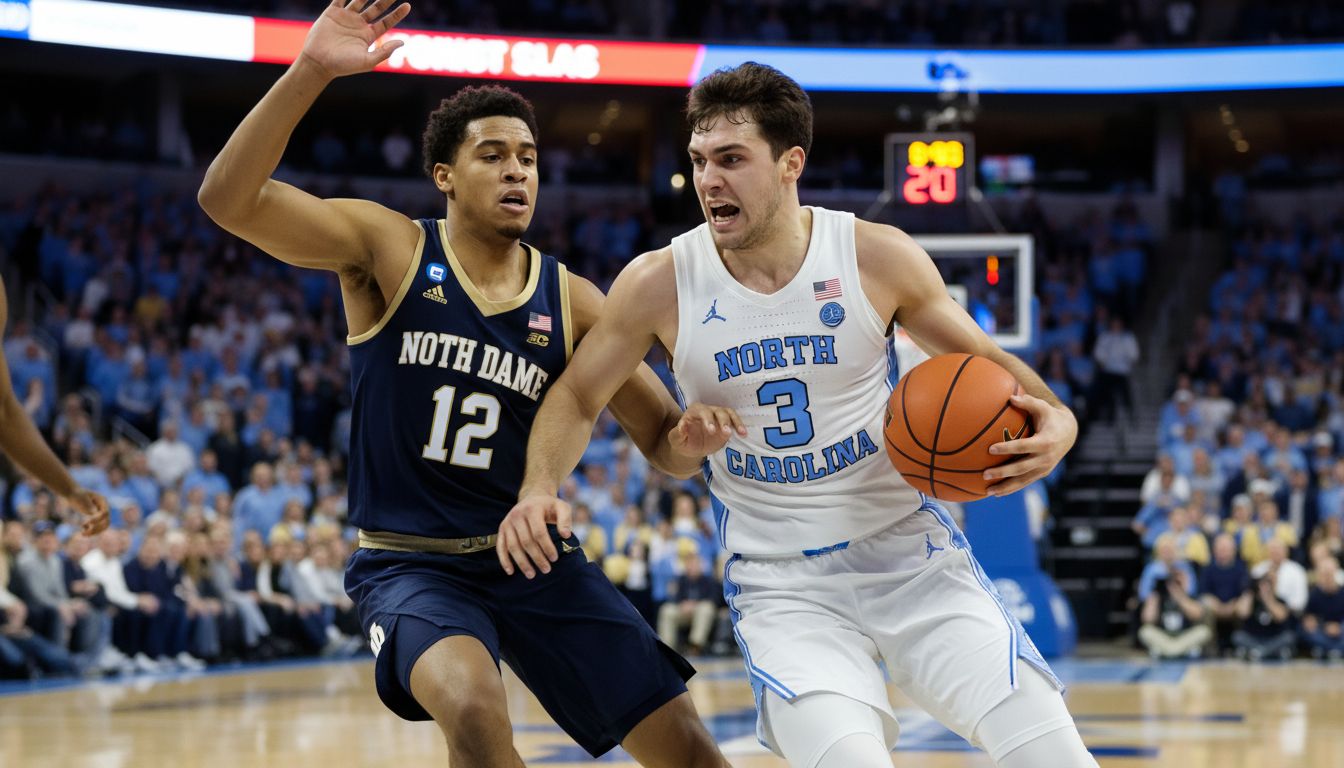
Let’s talk spreads, because that’s where public delusion usually shows up first. UNC -13.5 feels massive for a team that’s been inconsistent, even if they’re at the Dean Dome, even if the jerseys say North Carolina and not "Random ACC Program #7." The model hints that one side of the spread hits more than 50% of the time, which is technically useful but also the bare minimum for not lighting your bankroll on fire. Big brands like UNC almost always attract casual money—alums, nostalgia addicts, and people who still think every Heels team plays like the 2009 title squad. That tends to inflate lines and create what looks like value on the underdog, but here’s the problem: Notre Dame isn’t just unloved by the market, they’re actually bad right now.
When a team like Notre Dame is on a four-game skid and 1-4 in conference, the instinct is to say, "they’re due." No, they’re not "due"—they’re flawed. The Irish have struggled to keep up offensively, which is why sportsbooks are dangling that big moneyline number like a shiny object. If you’re thinking of talking yourself into the upset, ask a basic question: what does Notre Dame consistently do well enough to survive 40 minutes on the road against a team with more size, more talent, and more shot creators? This isn’t March, and this isn’t neutral site chaos; this is a January reality check in Chapel Hill.

From a totals perspective, the Over trend in both teams’ last four games matters, but not for the reason most people think. It doesn’t mean either offense suddenly turned into 2015 Golden State; it usually means game scripts have encouraged pace, fouling, or late scoring bursts once things got out of hand. Models catch that, but they can’t account for the human element—like a coach deciding to slow the game down to stop the bleeding, or a young roster getting tight after a bad shooting start. If this turns into a classic "get right" spot for UNC, there’s a universe where they build a lead and then shift into cruise control, which is how Overs die slow, painful deaths in the final four minutes. So yes, the Over is mathematically justified, but it’s not some free money glitch in the system.
Here’s where my anti-groupthink alarm starts blaring: everyone involved has an incentive to make this feel more certain than it is. Books want clean, lopsided action on the brand name so they can balance risk; media partners want eyeballs, so you get breathless notes about models and streaks; and bettors want a narrative that makes them feel smart after clicking "confirm wager." Strip that away and this is still a college game with 18- to 22-year-olds, random whistle variance, and the very real chance one team just forgets how to shoot for ten minutes. Projection models are tools, not oracles, but they’re marketed like the latter because "we kind of know, but not really" doesn’t sell subscriptions. The most libertarian take here is simple: trust the data, but don’t outsource your judgment to it.

So what do you actually do with this game if you’re trying to bet it like an adult and not like a TikTok parlay influencer? First, respect UNC’s upside but price in their inconsistency; laying almost two touchdowns in a conference game requires a lot of faith in their focus for all 40 minutes. Second, treat Notre Dame as what they are right now: a team that can occasionally hang for stretches, but hasn’t shown they can finish against better talent. If you’re drawn to the Over because of recent trends, at least make sure you’re comfortable with both teams contributing, not just UNC carrying the scoring load while the Irish drift into bystander status. Personally, I’d lean toward UNC winning comfortably but staying just inside that big number, and I’d only touch the total if you’re prepared to live with a sweat that comes down to garbage-time shot selection.
Stepping back, this matchup is a reminder of how easily we confuse information with certainty. Simulations, odds, and trends are valuable, but they’re still approximations layered on top of a chaotic sport played by young, inconsistent humans. The sharpest edge you have isn’t a model or a promo code—it’s the ability to question the hype, understand the risk, and stay honest about what you don’t know. UNC should win this game; Notre Dame probably won’t suddenly morph into a juggernaut; the model likes points; the market trusts the Heels. Everything beyond that is guesswork dressed up in confidence, and the more comfortable you are admitting that, the less likely you are to make dumb, emotional bets just because a spreadsheet told you to.
If you want action, fine—just know why you’re betting what you’re betting. Bet UNC because you think their talent eventually overwhelms a spiraling Irish team, not because you’re dazzled by a top-25 ranking. Take the points with Notre Dame only if you believe they can manufacture enough offense to avoid the avalanche, not because the moneyline payout looks sexy on your screen. Ride the Over if you trust the pace, rotations, and shooting more than you fear a mid-game scoring drought; fade it if you think this turns into a methodical, one-sided clinic. Whatever you choose, own it—and don’t blame the model when the ball bounces the other way.