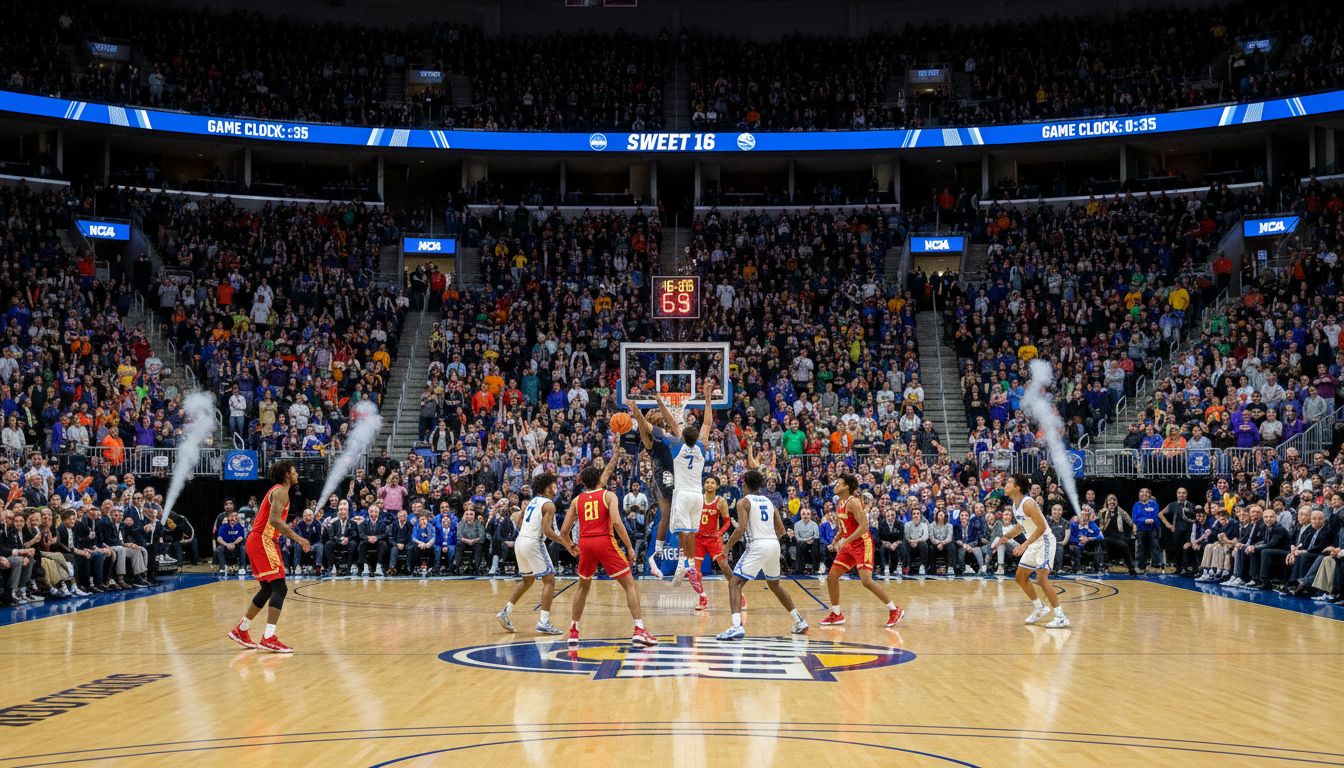
Sixteen left, and if you’re reading this from anywhere in New England, you probably feel that familiar March tension in your shoulders already. Even with UConn not on this particular slate of games, the Sweet 16 has that same electricity I remember from trudging across Storrs in the cold to Gampel, hoping we were watching the start of something historic. This year’s bracket has been equal parts chaos and chalk: a true Cinderella that started in Dayton, some blue-bloods trying to reclaim old magic, and a few teams quietly building what looks a lot like championship culture. From my couch in Hartford, this group feels like a test of which programs can play modern, positionless offense while still guarding like their scholarships depend on it. Let’s walk through the matchups, what actually decides them on the floor, and where the future pros might be hiding.
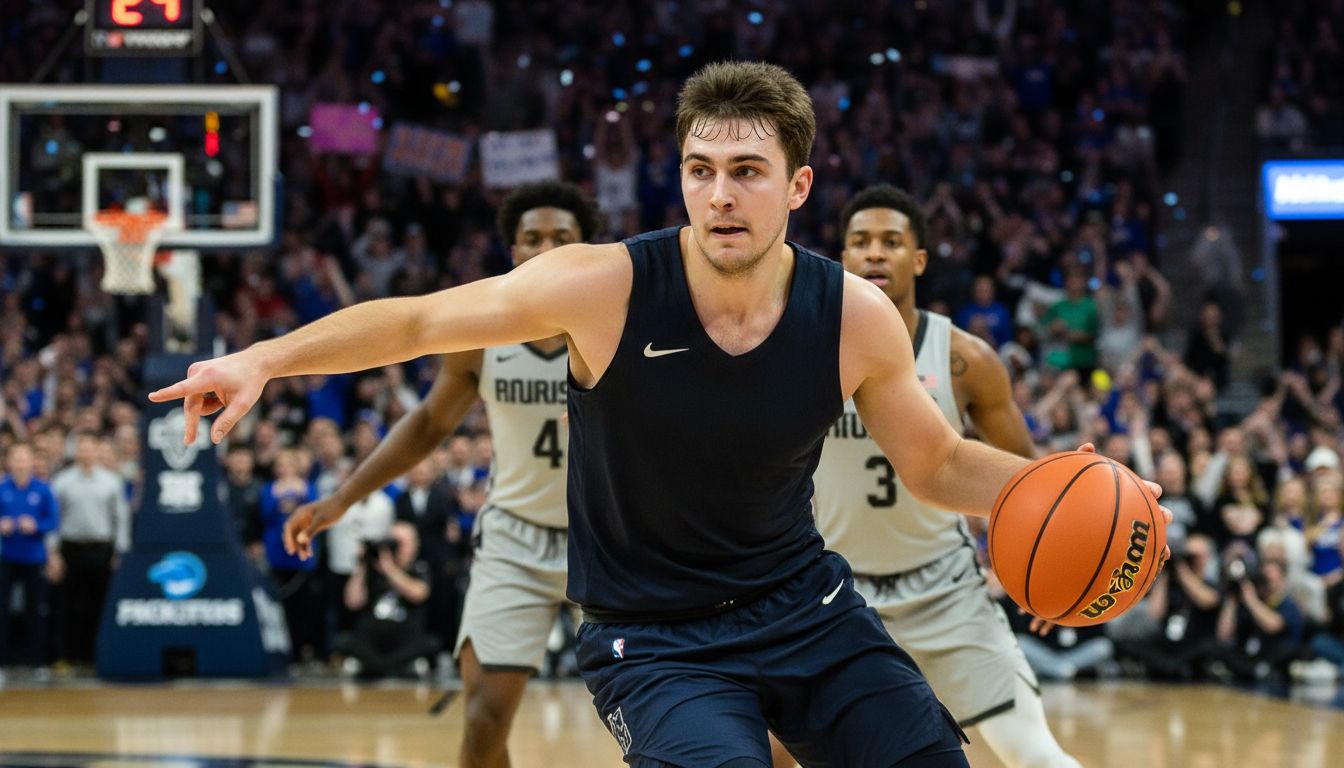
We’ll start in the West, where Purdue meets Texas in a game that looks, on paper, like a tale of two bigs and one bounce‑back point guard. Texas arrives from the First Four, which usually screams "nice story, see you by Sunday," except sophomore center Matas Vokietaitis has refused to read that script, stacking 20‑and‑15 type lines like it’s a rec run. His matchup with Purdue’s Trey Kaufman‑Renn is old‑school frontcourt basketball with a modern twist: both can step out, both can punish mismatches, and whoever stays out of foul trouble probably swings the game. The wild card is Purdue point guard Braden Smith, who’s coming off a brutal shooting night and turnover binge that would get you benched in a Tuesday night men’s league, never mind the Round of 32. If he stabilizes the offense and Texas doesn’t win the free‑throw and offensive‑rebound battle decisively, Purdue’s depth and shot creation should carry them through.
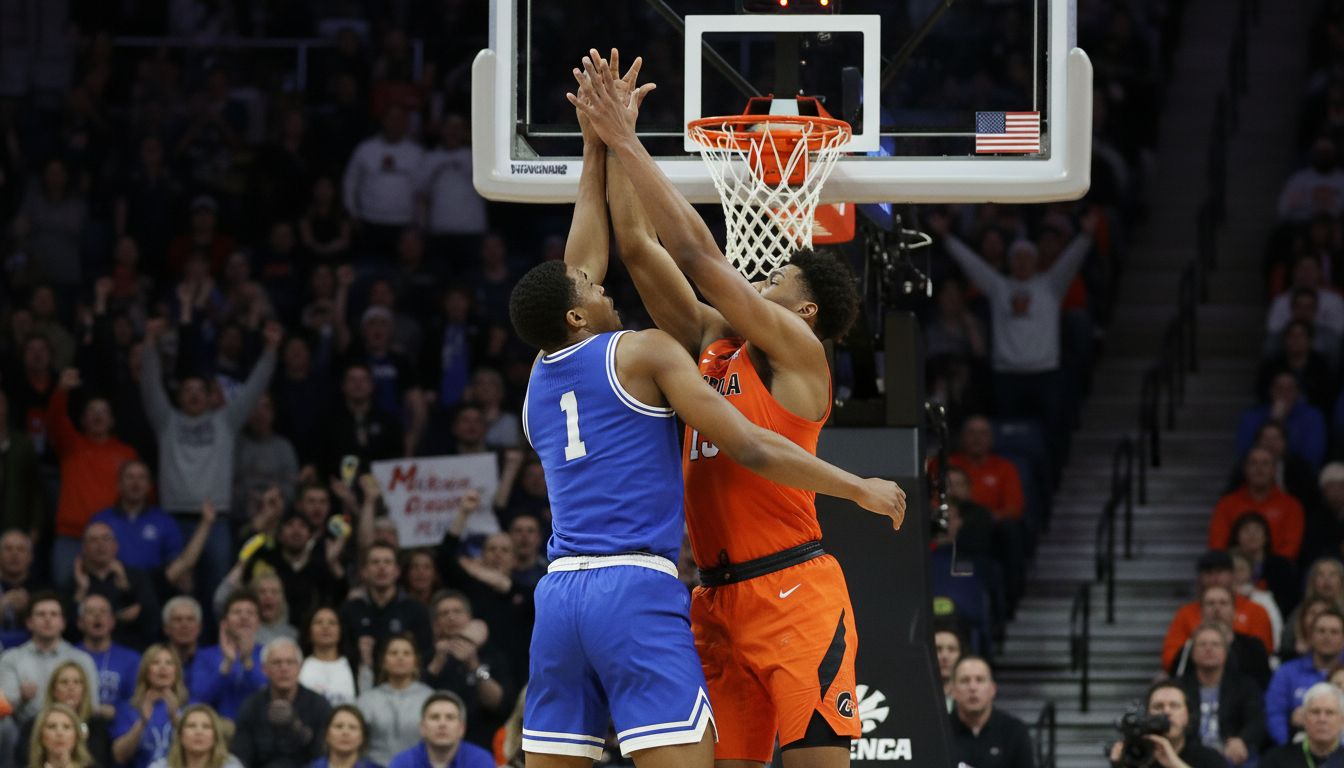
Slide over to the Midwest and you get Iowa State vs. Tennessee, a low‑scoring grinder that will make every shot at the rim feel like a felony. Iowa State just ran Kentucky off the floor without their best player, senior forward Joshua Jefferson, who’s nursing an ankle but is expected to give it a go. In his absence, senior guard Tamin Lipsey played like a guy auditioning for a pro job, dropping 26 points, 10 assists and five steals, the kind of stat line that makes analytics departments sit up a little straighter. Tennessee counters with one of the more balanced two‑way duos left in the field in Ja’Kobi Gillespie and freshman forward Nate Ament, plus a top‑15 defense that forces you to win ugly. If Iowa State can hit league‑average from three and limit the live‑ball turnovers Tennessee loves to convert, the Cyclones’ depth and connectivity give them a narrow edge.
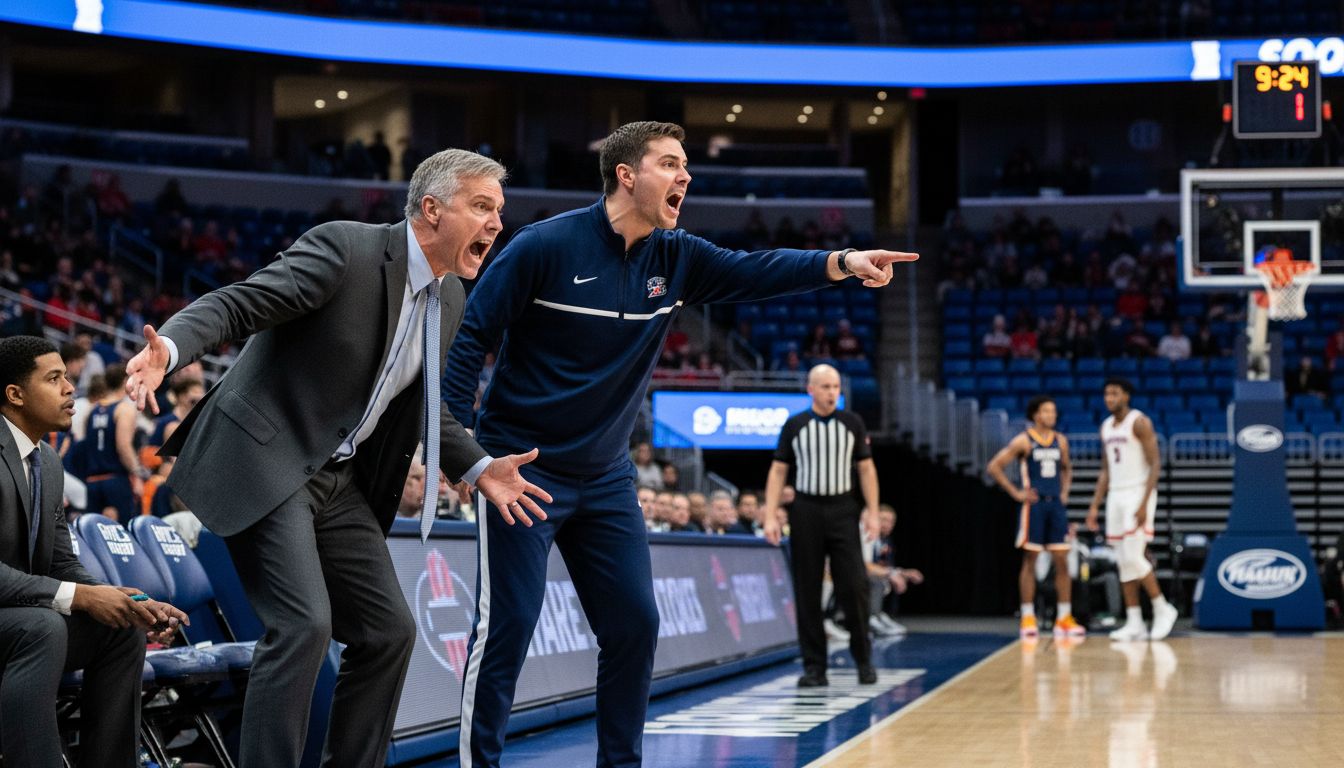
The other Midwest matchup, Michigan vs. Alabama, is the basketball version of pitting a Swiss Army knife against a flamethrower. Michigan doesn’t have an obvious weak spot when senior forward Yaxel Lendeborg is stretching the floor and junior center Aday Mara is erasing drives at the rim; they make you beat them over the top. Conveniently for Alabama, bombing away from deep is the brand, and they just dropped 19 threes on Texas Tech, with senior guard Latrell Wrightsell going 6‑for‑9 from beyond the arc. Michigan’s scheme will live with contested jumpers, but there’s a threshold where math takes over—if Alabama sneaks past 17 makes again, it may not matter how solid the Wolverines are possession to possession. Anything under that, though, and Michigan’s versatility, size and late‑clock shot creation make them look every bit like a title favorite.
In the East, UConn’s old Big East haunt, Capital One Arena, turns into the center of the college hoops universe for a night, starting with UConn’s regional neighbors in reputation if not in zip code: Dan Hurley’s Huskies squaring off with Tom Izzo’s Michigan State Spartans. UConn hasn’t looked dominant for a few weeks, but doubting Hurley in March feels like ignoring a weather report in a New England winter—you can do it, but don’t act surprised when you end up in a ditch. Senior forward Alex Karaban is coming off the best scoring night of his career, while big man Tarris Reed has been gobbling rebounds like it’s an NIL incentive. On the other side, Jeremy Fears Jr. is the best pure passing point guard left in the bracket, already running pick‑and‑roll like a future pro, with junior forward Coen Carr threatening the rim on every cut and drive. If Michigan State gets balanced scoring to go with Fears’ playmaking, they can absolutely steal this; if it turns into a one‑man show, UConn’s length and physicality probably squeeze them out late.
That same building hosts Arizona vs. Arkansas, a matchup that asks a simple question: Can one electric freshman guard drag an inconsistent team past the most reliable group in the country? Arkansas has ridden Darius Acuff Jr.’s 60 points across the first two rounds, living off his ability to turn a basic ball screen into a crisis for defenses. Arizona, though, doesn’t panic easily and can throw multiple long, disciplined defenders—Jaden Bradley and Ivan Kharchenkov—at him without gutting their offense. From a pro‑projection standpoint, this is a great test of whether Acuff’s shot creation scales when the floor shrinks and every closeout is sharp. If he’s merely good instead of special, Arizona’s depth, spacing and defensive rebounding should be enough to keep their title chase intact.
Houston, which feels like it’s been hovering around the Final Four forever, gets what’s basically a home game against Illinois in the South Regional, and stylistically this one is fascinating. Illinois brings the nation’s second‑most efficient offense and the tallest roster in the tournament, leaning on freshman guard Keaton Wagler’s shooting and craft inside the arc. Houston answers with its trademark, grown‑man defense—fourth nationally—and another freshman guard, Kingston Flemings, who lives in the mid‑range and loves getting downhill. This is the kind of game NBA scouts love because it puts two young guards in a pressure cooker against real, playoff‑style defense and length. If Houston turns this into a rock fight and controls the glass, their experience and defensive identity likely win out, but if Illinois can run selectively and keep the floor spaced, the upset door is open.
Then there’s Nebraska vs. Iowa, the Midwest’s chaos bracket contribution and maybe the purest "we’re just happy to be here" game of the round. Nebraska leans on a top‑10 defense and the shooting of Pryce Sandfort, while Iowa counters with a top‑25 offense and senior guard Bennett Stirtz, the best player on the floor and the clear late‑clock closer. The remarkable thing about Iowa’s upset of defending champ Florida is that Stirtz went 0‑for‑9 from deep and they still won, which tells you how structurally sound their offense is when they’re sharing the ball. Nebraska’s task is straightforward but brutal: wall off the middle, stay attached to shooters, and pray Stirtz doesn’t rediscover his stroke from three at exactly the wrong time. If the Cornhuskers can heat up from beyond the arc themselves while keeping this a half‑court game, their defense probably nudges them over the line.
Finally, the East gives us a matchup that feels like it was plucked from a Big East time capsule and dropped into the NIL era: St. John’s and Duke, Pitino vs. Scheyer, Madison Avenue vs. Durham’s assembly line of pros. Pitino, at 73, has the Johnnies playing with a swagger that fits the city, fresh off a buzzer‑beating win that reminded everyone St. John’s isn’t just a nostalgia play. Duke, meanwhile, brings a defense St. John’s hasn’t really seen this year, anchored by center Patrick Ngongba and the do‑everything versatility of forward Cameron Boozer. The power forward battle between Boozer and Zuby Ejiofor is a microcosm of modern college hoops: switchable, physical, and loaded with guys who can guard all over the floor and still initiate offense. History leans Duke’s way—every one of their five titles has run through a win over St. John’s—but in a one‑game sample with modern spacing and tempo, the margin is thinner than that trivia nugget suggests.
Pulling back from the individual matchups, what threads these Sweet 16 games together is how much the sport has shifted toward guard‑driven creation and interchangeable bigs without losing the old‑school demands of defense and rebounding. From a Northeast progressive’s vantage point—someone who cares about player development, opportunity and the college‑to‑NBA pipeline—you can’t help but notice how many of these stars are underclassmen being handed the keys early. That’s good for the kids and good for the game, as long as we remember that the same energy we pour into debating their pick‑and‑roll reads should show up when we talk about health, education and fair compensation. For now, though, this Sweet 16 offers a little bit of everything: blue‑bloods chasing banners, upstarts stealing oxygen, and a handful of future pros auditioning in real time. So settle in, clear your Thursday and Friday nights, and remember: the beauty of March is that even the smartest breakdown in the world can get torched by one hot shooting stretch or one fearless freshman who doesn’t know he’s supposed to be nervous.