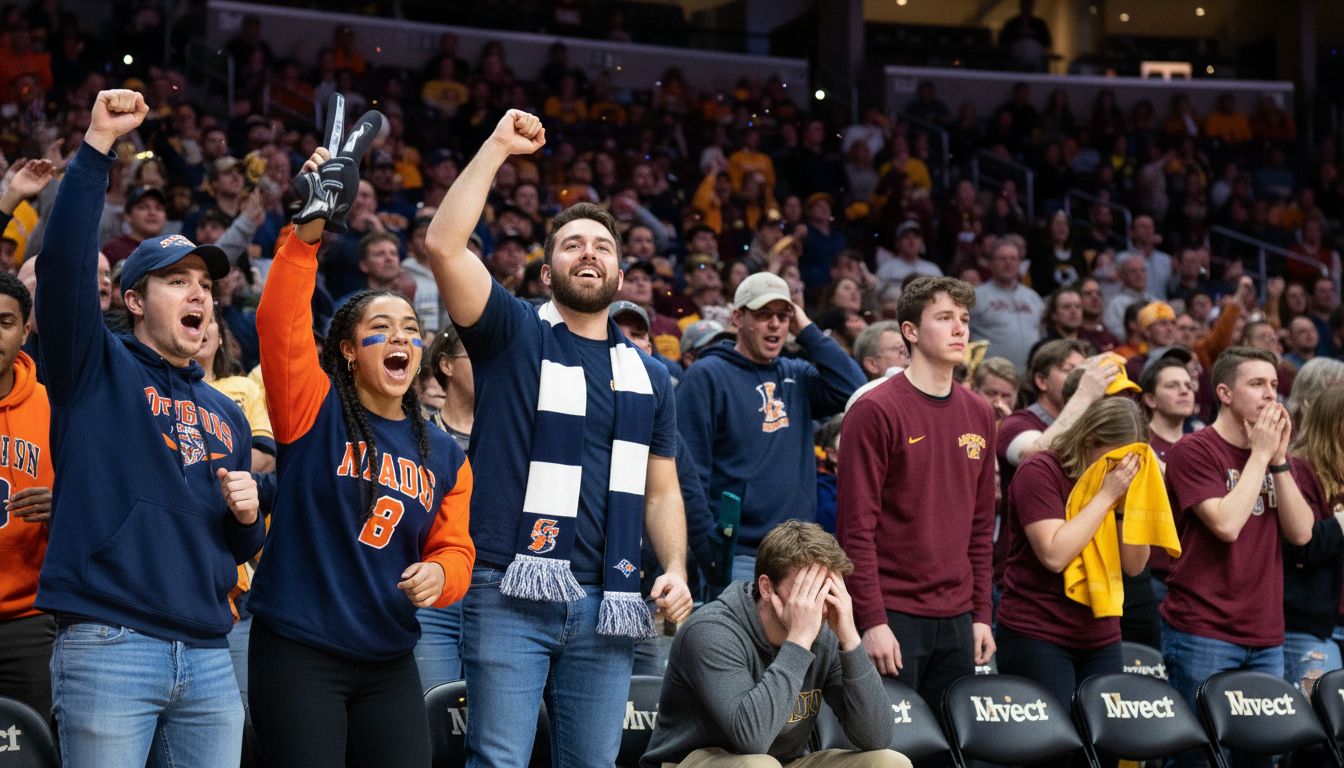
If you’ve ever sat in a break room the Monday after a big game, you know sports pain is its own language. You see it in the guy who won’t take off his hat, in the woman staring at her cold coffee like it’s the replay center in New York, in the kid already talking about "next year." March Madness bottles that feeling and serves it in three straight weekends, no chaser. For every team dancing to "One Shining Moment," there’s another shuffling down the tunnel, towels over faces, trying to figure out how a whole season just ended in 40 minutes. This year’s tournament gave us the full menu of heartbreak, from the little schools just happy for the travel per diem to bluebloods wondering how the wheels came off so fast.
One way to make sense of all this misery is the so‑called March Madness "Pain Index," which sorts tournament exits into tiers like a factory shift board for heartbreak. At the mild end you’ve got "Just happy to be here" teams – the Lehighs, Idahos and Prairie View A&Ms of the world – programs that punched above their weight just to make it to the bracket. These are schools whose coaches will spend the offseason selling recruits on banners, not box scores: first trip in a decade, first time eligible, first conference title in forever. They got smoked by 1‑ and 2‑seeds, sure, but when you come from a one‑bid league and you’ve been bussing all winter, that charter flight alone is a win. If you’re a fan there, you hurt for a day, then you’re back telling stories about the run like old-timers at the union hall.
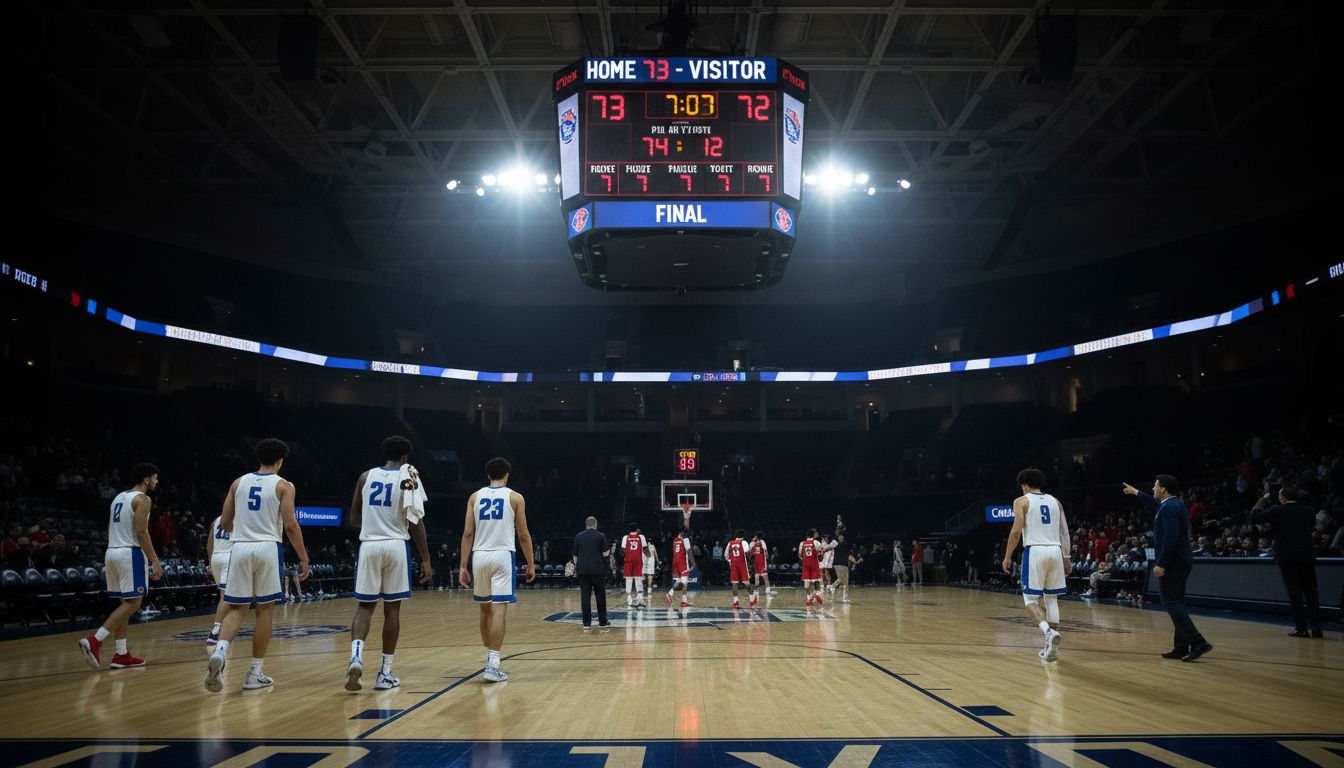
One step up from that is what I’d call the "clock‑puncher" tier – "Here’s your participation trophy" and "Such a tease" squads. These are the Hawai'is, Troys and Northern Iowas that flashed a little early, maybe led for a few TV timeouts, then watched a higher‑seeded power program slam the door with a big run. You see it in games like Hofstra hanging with Alabama or Kennesaw State scaring Gonzaga for a half. The effort’s real, the margin for error is tiny, and once the talent gap kicks in, it looks like a late shift on a busted machine: you’re working your tail off and the numbers still aren’t going your way. Fans of those teams feel a sting, but there’s pride tucked into it – they showed up, they belonged, and they made a name for themselves on the crawl at the bottom of the screen.
Where the pain really starts to bite is in the "Silver linings" and "So close, yet so far" zones – places like Villanova, Miami, Utah State and Saint Louis lived this year. Those are programs with some expectations, maybe a new coach or a rebuilt roster, that played their way into believing a Sweet 16 was on the table. Villanova blew a late lead, Miami went toe‑to‑toe with Purdue until free throws became destiny, and Utah State spent 40 minutes chasing Arizona without ever quite catching it. These losses don’t wreck a fan base, but they do stay with you; they’re the ones you bring up while you’re grilling in July, saying, "If we just hit two more shots, that whole bracket flips." From a working‑class lens, it’s like being one promotion away from getting your kids’ college paid off and watching the boss hand it to somebody from out of town.
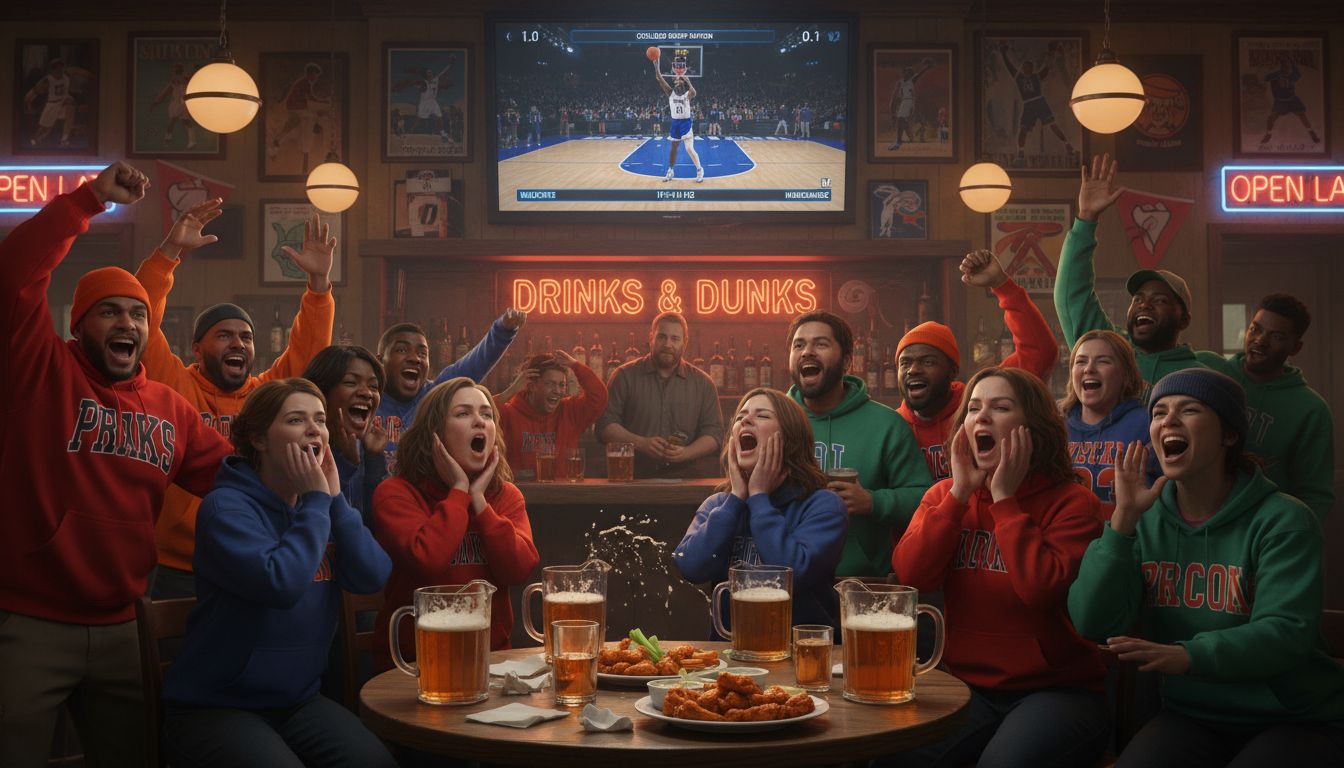
Then there’s the "We’re not mad, just disappointed" group – the Texas Techs, Georgias, BYUs and Gonzagas of the world who felt like they left something on the shop floor. These are teams with talent, name recognition and fan bases that plan their vacations around March, not the other way around. When Gonzaga, a 3‑seed with a decade of Sweet 16s behind it, bows out early again, or BYU’s dream season stalls against an 11‑seed, that doesn’t feel like a fun little ride; it feels like the plant missed its quota. You hear a lot of what‑ifs: about injuries, rotations, 3‑point shooting, and whether the program’s ceiling is a little lower than everyone wanted to admit. It’s not crisis mode, but it’s the kind of frustration that fills sports‑talk phone lines for weeks and has fans wondering if the blueprint needs a tweak.
If you really want to test a fan’s blood pressure, look at the "Emotional roller coaster" tier. That’s where teams like Clemson, California Baptist, NC State and Siena set up camp, and where TV executives quietly high‑five each other. Siena leading Duke – Duke – by double digits in the second half, only to run out of gas because the starters played the whole way, is the kind of thing that haunts a campus for years. NC State storming back late in a First Four game only to lose on a final‑seconds jumper is another classic; you burn that sequence into your brain like a bad day’s timecard. These are games where every possession feels like a union vote – one swing and everything changes – and when it doesn’t go your way, you feel oddly proud and gutted at the same time.

At the top of the chart, in the "What just happened?!" department, live the true horror stories – Ohio State, Wisconsin, Kansas, Vanderbilt, North Carolina, Santa Clara and, sitting alone on the throne of pain, Florida. We’re talking blown 19‑point leads, missed timeouts, 99% win probabilities that vanish in the time it takes to grab a fresh beer from the fridge. Santa Clara hits what looks like the dagger against Kentucky, only to get beat on a miracle heave that probably shouldn’t have counted in the first place. North Carolina manages to turn a sure thing into an overtime collapse, and Florida, the defending champ, somehow doesn’t even get a shot off on its final possession. Those endings feel less like sports and more like getting your hours cut the same week your car needs a new transmission – you’re not just sad, you’re stunned.
What all these tiers really measure isn’t math; it’s emotional investment. ESPN can chart win probabilities and scoring droughts, but fans live this stuff in their bones – the alumni who’ve watched every game since the Jimmy Carter years, the bar regulars who know every walk‑on by name, the students jumping through folding tables in the student union. The pain index is a tidy way to stack stories, but underneath it you’ve got the same themes you’ll find in any working‑class crowd: loyalty, shared suffering, and the stubborn belief that next year might finally break your way. There’s a reason we keep coming back every March, even when our bracket’s on life support by Sunday night – this mix of hope and heartbreak feels familiar from the rest of life, only with better theme music. And if you’ve ridden out Cleveland sports for a few decades like I have, a second‑round collapse in Gainesville or Chapel Hill just looks like another reminder: in this game, as in a lot of jobs, you cherish the small wins, remember the bad beats, and show up anyway.